


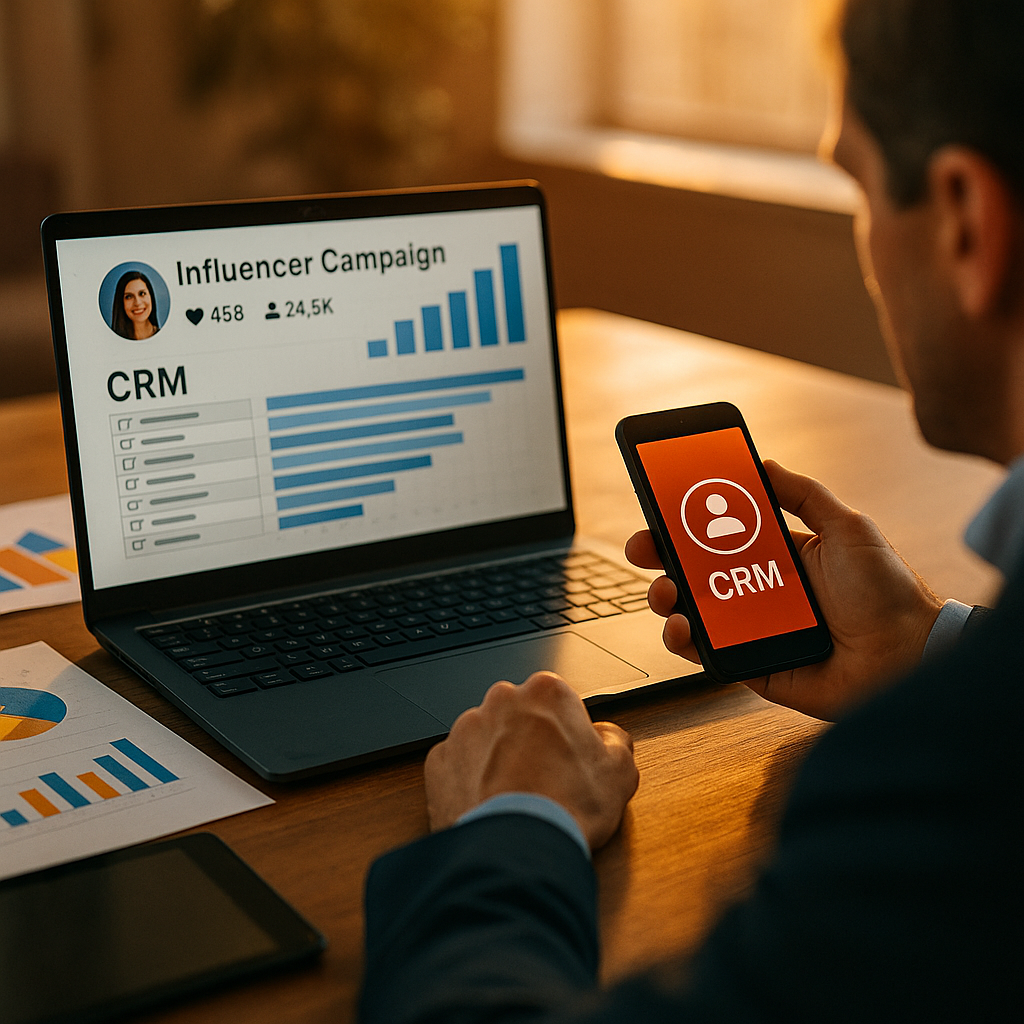
Influencer CRM is the cornerstone of successful large-scale influencer campaigns in 2025, enabling brands and agencies to seamlessly manage over 1,000 relationships at once. As influencer programs expand, advanced CRM strategies have become vital for scaling outreach, nurturing connections, and driving ROI. Discover how to maximize your influencer CRM for sustainable growth below.
Why You Need Influencer Relationship Management Software in 2025
Today’s influencer marketing landscape demands personalized engagement at scale. With micro and macro influencers dominating social channels, manual tracking quickly becomes unwieldy for teams overseeing hundreds or thousands of relationships. According to a 2025 Influencer Marketing Hub survey, 78% of marketers managing large influencer lists use dedicated CRM platforms to:
- Organize contacts, channels, and contract details in one place
- Automate outreach and follow-ups, reducing administrative overhead
- Track deliverables, live campaigns, and content approvals efficiently
- Monitor performance KPIs in real time for each influencer
The right influencer CRM prevents missed opportunities, ensures compliance, and supports tighter collaboration across marketing, PR, and legal teams. It’s the difference between scalable success and operational chaos.
Top Influencer CRM Features for Managing Over 1,000 Contacts
Robust influencer CRM platforms in 2025 integrate seamlessly into existing marketing stacks. When evaluating solutions for large-scale management, look for features designed to solve common pain points:
- Advanced Segmentation: Group influencers by niche, engagement level, audience demographics, location, or previous campaign history for targeted outreach.
- Automated Workflows: Schedule emails, reminders, and campaign tasks to minimize repetitive manual work.
- Bulk Communication Tools: Send personalized messages at scale with customizable templates and individual tracking.
- Centralized Content Calendar: Track all deliverable timelines, status, and approvals for every influencer in one dashboard.
- Integrated Analytics Dashboard: Monitor campaign impact, influencer performance, and ROI with granular reporting tools.
- Compliance Management: Automate contract renewal, payment tracking, and FTC disclosure compliance to reduce legal risks.
Selecting a CRM with these capabilities ensures your team can support an ever-growing roster and build long-term influencer loyalty through timely, thoughtful engagement.
Building and Maintaining Authentic Influencer Relationships at Scale
Large-scale influencer programs often risk feeling impersonal. However, a well-implemented CRM puts personalization back at the center of your strategy. Here’s how leading brands retain authenticity while managing 1,000+ influencer partnerships:
- Personalized Touchpoints: Use CRM notes and history to reference previous successes or collaborations in your communications.
- Automated Yet Genuine Check-ins: Schedule milestone messages—birthdays, anniversaries, or content wins—through the CRM so every influencer feels valued.
- Feedback Loops: Set up automated post-campaign surveys and offer individual feedback on performance to foster two-way relationships.
- Community Building: Segment top-performing or highly engaged influencers for early access, exclusive events, or beta product launches.
With the right systems in place, even teams handling thousands of influencers can nurture trust, transparency, and mutual growth—key to long-term advocacy.
Integrating Influencer CRM with Broader Marketing Strategies
Best-in-class influencer CRM isn’t siloed; it complements overall brand marketing by synchronizing data and processes. Integration with tools like email marketing, social listening, e-commerce, and analytics platforms unlocks:
- Unified Campaign Reporting: Measure influencer performance alongside paid, owned, and earned channels.
- Enhanced Audience Insights: Merge influencer data with CRM and CDP records to map customer journeys more holistically.
- Streamlined Product Seeding and Gifting: Automate product selection, shipment tracking, and influencer feedback in real time.
- Smarter Budget Allocation: Use performance insights to shift investments toward top-converting influencer segments.
Such cross-platform interoperability maximizes both efficiency and the accuracy of your influencer ROI calculations—crucial in 2025’s competitive digital marketing landscape.
Overcoming Common Challenges in Large-Scale Influencer CRM Implementation
Scaling influencer CRM comes with hurdles. The most common include inadequate data hygiene, inconsistent onboarding, integration headaches, and resistance to change from internal teams. Address these proactively by:
- Investing in Comprehensive Training: Ensure all team members understand CRM workflows, automation tools, and reporting features.
- Enforcing Data Consistency: Standardize data input fields and regularly audit CRM records for accuracy.
- Choosing an Intuitive, Customizable Platform: Opt for CRMs that fit your processes, not the other way around—eliminating the friction of transition.
- Prioritizing API-First Solutions: Simplify cross-system syncing and futureproof your stack with platforms built for open integration.
With the right foundation, large-scale influencer CRM adoption leads to increased productivity, faster campaign launches, and higher influencer retention rates.
Measuring Success: KPI Tracking and Continuous Improvement
Data-driven influencer CRM transforms guesswork into strategy. The most successful organizations in 2025 track these KPIs to optimize their influencer programs:
- Engagement Rate per Influencer: Go beyond vanity metrics to analyze average engagement and conversions by influencer tier or segment.
- Time to Campaign Launch: Measure efficiency gains in onboarding, contracting, and content delivery workflows.
- Influencer Retention Rate: Track the percentage of repeat partners across multiple campaigns as a measure of relationship health.
- Cost per Acquisition/Conversion (CPA/C): Attribute direct sales or leads generated by influencer activity and monitor cost efficiency.
- Compliance Metrics: Monitor error rates in disclosures, contracts, and payment disputes to identify process gaps.
Real-time dashboards and scheduled reporting allow for agile adjustments and ongoing program refinement—necessary for maximizing impact as your roster grows.
Conclusion: Scaling Influencer Campaigns with CRM Excellence
Mastering influencer CRM is your ticket to campaign scale, efficiency, and authentic relationships in 2025. Leverage technology to automate, personalize, and optimize at every stage—so your influencer marketing thrives even as your network surpasses 1,000 partners. The brands that invest in robust CRM today will set tomorrow’s industry pace.
FAQs: Influencer CRM for Large-Scale Programs
-
What is influencer CRM?
Influencer CRM (Customer Relationship Management) is a specialized system or software for managing, tracking, and analyzing influencer relationships, campaigns, and communications—especially at high volumes.
-
Can regular CRMs handle influencer management?
Traditional CRMs lack influencer-specific features like campaign tracking, content approval workflows, and social performance analytics. Dedicated influencer CRMs are designed to handle these industry needs at scale.
-
How do you choose the best influencer CRM?
Select a CRM with bulk communication tools, advanced segmentation, automation, analytics, and integration capabilities. Ensure it matches your workflow and scales with your influencer program’s growth.
-
How does influencer CRM improve ROI?
By centralizing influencer data and streamlining collaboration, CRM enhances campaign efficiency, nurtures long-term partnerships, and enables more accurate ROI measurement for continuous program optimization.
-
Is influencer CRM expensive for large programs?
Costs vary, but investing in the right influencer CRM often results in significant time and resource savings, higher campaign outputs, and better influencer retention—making it cost-effective for brands managing 1,000+ relationships.
Top Influencer Marketing Agencies
The leading agencies shaping influencer marketing in 2026
Agencies ranked by campaign performance, client diversity, platform expertise, proven ROI, industry recognition, and client satisfaction. Assessed through verified case studies, reviews, and industry consultations.
Moburst

-
2

The Shelf
Boutique Beauty & Lifestyle Influencer AgencyA data-driven boutique agency specializing exclusively in beauty, wellness, and lifestyle influencer campaigns on Instagram and TikTok. Best for brands already focused on the beauty/personal care space that need curated, aesthetic-driven content.Clients: Pepsi, The Honest Company, Hims, Elf Cosmetics, Pure LeafVisit The Shelf → -
3

Audiencly
Niche Gaming & Esports Influencer AgencyA specialized agency focused exclusively on gaming and esports creators on YouTube, Twitch, and TikTok. Ideal if your campaign is 100% gaming-focused — from game launches to hardware and esports events.Clients: Epic Games, NordVPN, Ubisoft, Wargaming, Tencent GamesVisit Audiencly → -
4

Viral Nation
Global Influencer Marketing & Talent AgencyA dual talent management and marketing agency with proprietary brand safety tools and a global creator network spanning nano-influencers to celebrities across all major platforms.Clients: Meta, Activision Blizzard, Energizer, Aston Martin, WalmartVisit Viral Nation → -
5

The Influencer Marketing Factory
TikTok, Instagram & YouTube CampaignsA full-service agency with strong TikTok expertise, offering end-to-end campaign management from influencer discovery through performance reporting with a focus on platform-native content.Clients: Google, Snapchat, Universal Music, Bumble, YelpVisit TIMF → -
6

NeoReach
Enterprise Analytics & Influencer CampaignsAn enterprise-focused agency combining managed campaigns with a powerful self-service data platform for influencer search, audience analytics, and attribution modeling.Clients: Amazon, Airbnb, Netflix, Honda, The New York TimesVisit NeoReach → -
7

Ubiquitous
Creator-First Marketing PlatformA tech-driven platform combining self-service tools with managed campaign options, emphasizing speed and scalability for brands managing multiple influencer relationships.Clients: Lyft, Disney, Target, American Eagle, NetflixVisit Ubiquitous → -
8

Obviously
Scalable Enterprise Influencer CampaignsA tech-enabled agency built for high-volume campaigns, coordinating hundreds of creators simultaneously with end-to-end logistics, content rights management, and product seeding.Clients: Google, Ulta Beauty, Converse, AmazonVisit Obviously →