


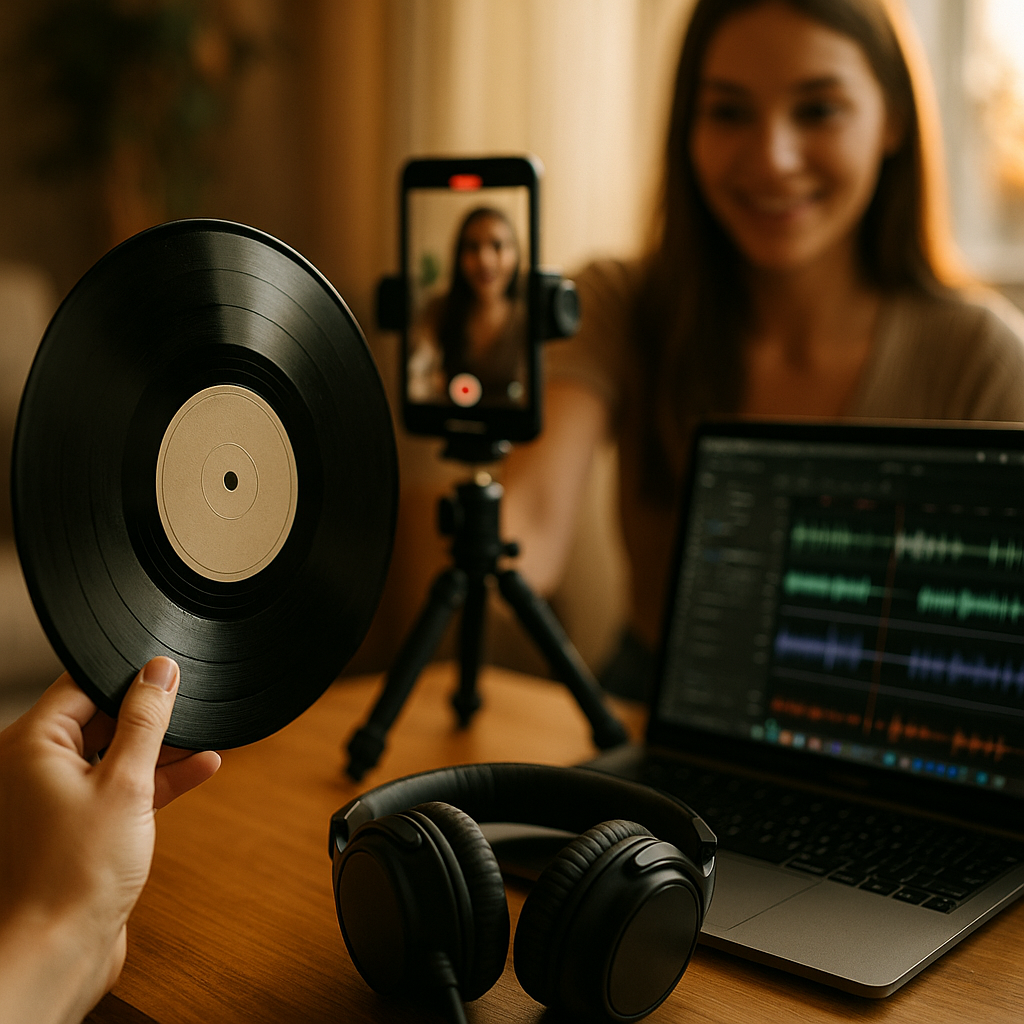
Music licensing for sync rights in sponsored social video is a must-know topic for brands and content creators navigating digital marketing in 2025. The landscape has evolved, bringing unique rules, risks, and opportunities. If you’re unsure how to properly license music for your next sponsored reel or TikTok, this guide outlines the essentials to keep your campaigns smooth and legally sound.
Understanding Sync Rights in Sponsored Social Video
Sync rights, or synchronization rights, grant permission to pair music with visual media—like a sponsored video on Instagram, TikTok, or YouTube. In the context of sponsored social video, these rights become especially important, as brands often seek compelling music to boost engagement and brand recognition. Unauthorized use risks takedowns, demonetization, or even legal action. As short-form branded content continues to surge in 2025, getting sync rights right has never been more vital.
Why Sponsored Content Requires Specialized Music Licensing
Sponsored content is commercial by nature—it promotes a brand, product, or service for compensation, even if done by influencers rather than the brands themselves. This makes its use case quite different from personal, non-monetized posts. Standard consumer licenses for music don’t extend to commercial or sponsored contexts. Instead, creators and brands must secure a commercial sync license directly with rights holders or licensed libraries, ensuring full legal compliance. In addition, some music rights holders restrict certain songs’ use in advertising, so double-check clearance before finalizing any campaign soundtrack.
The Three Types of Rights Needed for Sponsored Social Videos
Effective music licensing for sponsored social video hinges on understanding which rights are required:
- Sync Rights: These allow pairing a musical composition to visuals (your video).
- Master Rights: These permit the use of a specific sound recording (the actual version of the song you use).
- Public Performance Rights: Platforms like TikTok and Instagram often have blanket agreements with PROs, but for certain uses—especially in paid or boosted posts—you may need direct clearance.
Failing to secure all three can risk content removal or legal claims. Always confirm what your platform’s license covers. As of 2025, social media platforms continually change their music policies, so regularly update your knowledge to avoid costly surprises.
How to Secure Sync Rights For Sponsored Video Campaigns
Securing music for your sponsored video follows a clear checklist:
- Identify the music: Decide on either mainstream tracks, production music, or royalty-free music. Each type comes with different licensing costs and processes.
- Contact rights holders: For commercial, chart-topping tracks, you’ll need to negotiate with both the publisher (for sync rights) and the record label (for master rights). Production music libraries typically bundle both rights—in some cases, including public performance licenses as well.
- Get written confirmation: Always obtain written documentation of your licensing agreements, outlining permitted platforms, territories, campaign dates, and scope of use (paid vs. organic, sponsored vs. editorial).
- Check for platform limitations: Some platforms have extra restrictions on branded content and the type of music you can use. Always review updated platform guidelines for 2025.
For brands with recurring needs, explore subscription-based sync libraries catering to commercial and sponsored content—they offer broader catalogs and simplified licensing workflows.
Risks of Unlicensed Music in Sponsored Social Videos
In 2025, enforcement of music licensing on social platforms has reached new heights. Brands and influencers face a range of risks for unlicensed use:
- Content Takedowns: Algorithms and manual reviews quickly remove videos with detected unlicensed music, jeopardizing your campaign’s reach and ROI.
- Loss of Monetization: Videos found to infringe can be demonetized or barred from paid promotion, drastically reducing potential impact.
- Legal Claims: Rights holders can pursue statutory damages, and settlements often far exceed the original sync fee.
- Brand Reputation Hit: Copyright strikes and public disputes over music use can erode trust among followers and clients, damaging reputations overnight.
Avoid these pitfalls by making music licensing a non-negotiable line item in your social campaign planning.
Best Practices: Choosing the Right Music for Sponsored Social Videos
Music selection isn’t just about avoiding legal trouble—it’s a creative decision that shapes the mood, recall, and memorability of your branded content. Here are best practices:
- Match Genre to Message: Choose music that complements your product and target audience, enhancing authenticity and emotional impact.
- Consider Custom Compositions: For bigger campaigns, original music or bespoke edits offer uniqueness and eliminate complicated licensing chains.
- Use Credible Licensing Platforms: Rely on trusted commercial music libraries with transparent sync licensing for brands in 2025, such as Epidemic Sound or Artlist Enterprise.
- Document All Rights: Keep detailed records of licensed music—file agreements, invoices, and correspondence in one place should future audits or questions arise.
In an era of rapid viral content, these practices safeguard both creativity and compliance.
Conclusion
Music licensing for sync rights in sponsored social video has become a critical part of digital marketing success in 2025. By understanding and properly licensing music, brands and creators avoid legal risks while elevating their social content. Make responsible music choices your standard—protecting campaigns, reputation, and creative impact in every sponsored post.
FAQs: Music Licensing, Sync Rights, and Sponsored Social Video
-
Do I need a sync license for every song in a sponsored video?
Yes. Each song requires both sync and master rights for commercial use, regardless of how short the excerpt is. Blanket “personal use” licenses do not cover sponsored content.
-
Can I use music from Instagram or TikTok’s built-in libraries for sponsored posts?
Generally, no. Most built-in platform music is for personal, non-commercial use only. For branded content or influencer collaborations, you must secure a separate commercial license or use platform-approved commercial tracks.
-
What happens if my sponsored video uses unlicensed music?
Your video can be removed, muted, or demonetized, and your account may receive strikes. You also risk legal action from rights holders, which can result in claims for substantial damages.
-
How much does it cost to license music for sponsored social video?
Pricing depends on the song, rights holders, campaign scope, and platforms used. Mainstream tracks are costliest; production or royalty-free music is more affordable—with typical rates from $200 to $5,000+ per campaign in 2025.
-
Are there platforms that simplify commercial music licensing for social videos?
Yes. Several libraries, including Artlist Enterprise, Soundstripe, and Epidemic Sound, offer pre-cleared music licenses specifically for sponsored social video and commercial content, streamlining the process for both brands and creators.
Top Influencer Marketing Agencies
The leading agencies shaping influencer marketing in 2026
Agencies ranked by campaign performance, client diversity, platform expertise, proven ROI, industry recognition, and client satisfaction. Assessed through verified case studies, reviews, and industry consultations.
Moburst

-
2

The Shelf
Boutique Beauty & Lifestyle Influencer AgencyA data-driven boutique agency specializing exclusively in beauty, wellness, and lifestyle influencer campaigns on Instagram and TikTok. Best for brands already focused on the beauty/personal care space that need curated, aesthetic-driven content.Clients: Pepsi, The Honest Company, Hims, Elf Cosmetics, Pure LeafVisit The Shelf → -
3

Audiencly
Niche Gaming & Esports Influencer AgencyA specialized agency focused exclusively on gaming and esports creators on YouTube, Twitch, and TikTok. Ideal if your campaign is 100% gaming-focused — from game launches to hardware and esports events.Clients: Epic Games, NordVPN, Ubisoft, Wargaming, Tencent GamesVisit Audiencly → -
4

Viral Nation
Global Influencer Marketing & Talent AgencyA dual talent management and marketing agency with proprietary brand safety tools and a global creator network spanning nano-influencers to celebrities across all major platforms.Clients: Meta, Activision Blizzard, Energizer, Aston Martin, WalmartVisit Viral Nation → -
5

The Influencer Marketing Factory
TikTok, Instagram & YouTube CampaignsA full-service agency with strong TikTok expertise, offering end-to-end campaign management from influencer discovery through performance reporting with a focus on platform-native content.Clients: Google, Snapchat, Universal Music, Bumble, YelpVisit TIMF → -
6

NeoReach
Enterprise Analytics & Influencer CampaignsAn enterprise-focused agency combining managed campaigns with a powerful self-service data platform for influencer search, audience analytics, and attribution modeling.Clients: Amazon, Airbnb, Netflix, Honda, The New York TimesVisit NeoReach → -
7

Ubiquitous
Creator-First Marketing PlatformA tech-driven platform combining self-service tools with managed campaign options, emphasizing speed and scalability for brands managing multiple influencer relationships.Clients: Lyft, Disney, Target, American Eagle, NetflixVisit Ubiquitous → -
8

Obviously
Scalable Enterprise Influencer CampaignsA tech-enabled agency built for high-volume campaigns, coordinating hundreds of creators simultaneously with end-to-end logistics, content rights management, and product seeding.Clients: Google, Ulta Beauty, Converse, AmazonVisit Obviously →