


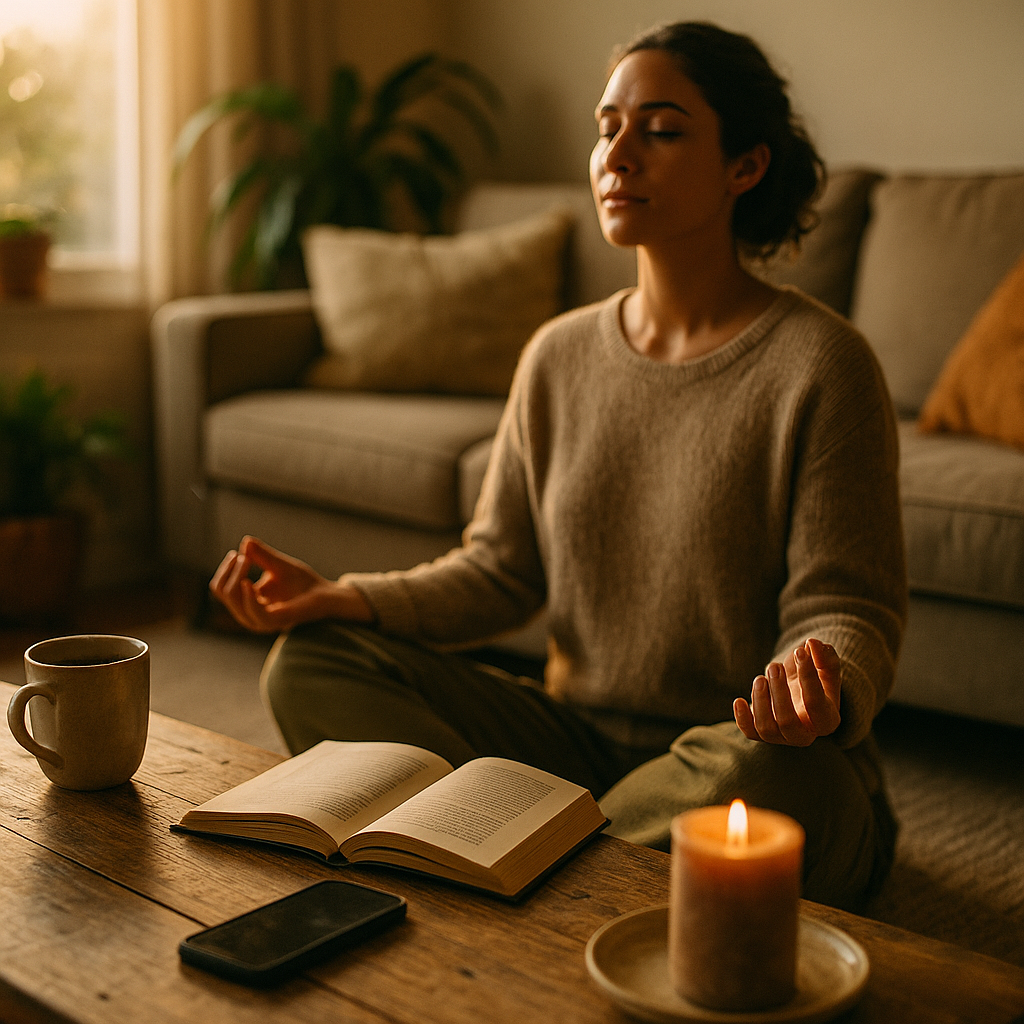
The “slow living” movement challenges hustle culture by promoting intentional living and mindfulness. As more people seek balance, this lifestyle prioritizes quality over quantity across work, relationships, and daily routines. What does it mean to live slowly in our fast-paced world—and can adopting a slower pace truly enhance well-being? Discover the transformative potential of the slow living movement.
Understanding Slow Living: Core Values and Philosophy
Slow living is a lifestyle philosophy rooted in prioritizing meaningful experiences over relentless productivity. Unlike hustle culture, which glorifies long hours and perpetual busyness, slow living encourages individuals to savor the moment, be present, and invest in relationships. Far from advocating idleness, slow living focuses on mindful decision-making, simplicity, and aligning daily life with personal values.
The movement gained global attention as people began questioning the sustainability and well-being impacts of non-stop work. Slow living often overlaps with related trends such as minimalism, sustainable living, and mindful consumption, yet its core is about deliberate choices. Whether in eating, working, or leisure, the goal is to prioritize what truly matters. According to the Global Wellness Institute, 64% of adults in Europe and North America reported seeking moderation and mindful living in 2025, highlighting the shift away from hustle-centric norms.
- Intentionality: Choosing activities and commitments that align with individual or family values.
- Presence: Engaging fully in the present moment, free from distractions and multitasking.
- Simplicity: Focusing on uncluttering both physical and mental space.
- Connection: Building deeper relationships with people, community, and nature.
This foundation offers a practical alternative to an always-on lifestyle, providing structure for those seeking fulfillment rather than constant acceleration.
Mental Health Benefits of Slow Living vs. Hustle Culture
The mental health implications of hustle culture are significant. Chronic stress, anxiety, and burnout are increasingly common as people push themselves to meet ever-higher expectations in work and personal life. According to the World Health Organization, burnout affects over 25% of working adults globally in 2025. By comparison, the slow living movement equips individuals with strategies to maintain psychological well-being.
Practicing slow living means inviting pauses into daily routines—a method associated with reduced stress and improved mood. Activities such as mindful walking, unplugged evenings, or sharing leisurely meals support a more resilient mind. Studies published in the Journal of Positive Psychology in 2025 found that moments of mindfulness and digital disconnection lowered the rates of anxiety by 35% among surveyed slow living practitioners.
- Burnout prevention: Creating boundaries and pacing work reduces the risk of exhaustion.
- Cognitive clarity: Fewer distractions result in better focus and mental clarity.
- Deeper satisfaction: Savoring small achievements provides more lasting fulfillment than constant goal-chasing.
By rejecting the notion that busyness equates to value, slow living supports a healthier, more balanced mindset—something increasingly sought in both urban and remote environments.
How Slow Living Impacts Productivity and Work-Life Balance
A common misconception is that slow living hampers productivity. In reality, intentional slowing down often boosts long-term output and job satisfaction. A 2025 report by the International Labour Organization observed that people practicing slow living techniques (such as single-tasking and scheduled downtime) experienced 20% higher work satisfaction and lower turnover rates.
Intentional routines allow individuals to accomplish important tasks without the cognitive fatigue caused by multitasking or overcommitment. For remote and hybrid workers in particular, integrating slow living principles facilitates better boundaries between work and private life. This can translate into enhanced creativity, problem-solving ability, and resilience under pressure.
- Mono-tasking over multitasking: Focusing on one task at a time leads to higher quality results.
- Scheduled breaks: Short pauses improve focus and prevent cognitive overload.
- Clear boundaries: Defined work hours and transition rituals enhance work-life balance.
Slow living shifts the conversation from “how much can I achieve?” to “how well and meaningfully can I contribute?” This recalibration empowers professionals to reclaim their time and well-being, while still remaining effective and motivated.
Slow Living in Daily Life: Practical Tips for Beginners
Incorporating slow living into everyday routines doesn’t demand drastic changes. Start by identifying areas overwhelmed by hustling, then experiment with gradual adjustments. For those new to this lifestyle, small, mindful shifts can create powerful results.
- Mindful mornings: Begin the day with quiet reflection, stretching, or journaling instead of immediately checking emails or notifications.
- Digital boundaries: Designate tech-free times during meals or evenings to promote presence and unwinding.
- Intentional consumption: Support local, sustainable businesses and savor meals without rushing.
- Nature breaks: Schedule regular walks or moments outdoors to recalibrate focus and connect with your environment.
- Declutter routinely: Focus on fewer, higher-quality possessions and let go of items or activities that add unnecessary noise.
Even urban professionals with high-paced roles report gains from micro-practices such as two-minute breathing routines or a weekend unplugged from digital devices. Over time, these small rituals become second nature, transforming the overall pace and enjoyment of life.
Sustainable Living and Community: The Ripple Effect of Slow Living
While slow living is deeply personal, its impact often extends outward—nurturing community connections and fostering environmental sustainability. Slowing down naturally prompts people to engage mindfully with their surroundings, from supporting local agriculture to investing time in neighborhood initiatives. These collective choices create a more connected, resilient social fabric.
Moreover, the slow living movement aligns with global climate goals. Choosing to consume less, travel thoughtfully, and repair rather than replace items reduces waste and carbon footprints. The United Nations Environment Programme notes that mindful living practices contributed to a 12% reduction in urban waste in 2025, mostly attributed to movements like slow living and minimalism.
- Farmers’ markets and local crafts: Supporting local goods fosters vibrant, self-sustaining communities.
- Community events: Volunteering and attending neighborhood gatherings strengthens social ties.
- Eco-friendly choices: Prioritizing durability, sharing resources, and reducing consumption lowers environmental impact.
This interconnected approach demonstrates how individual decisions to slow down can collectively shape healthier, more sustainable societies—benefiting both people and the planet.
Overcoming Challenges on the Path to Slow Living
Transitioning to slow living presents challenges, especially within environments steeped in hustle culture. Fear of missing out, societal pressures to achieve, or skepticism from peers can create resistance. Addressing these obstacles requires both self-compassion and practical strategies.
- Redefine success: Craft a personal definition of achievement that focuses on well-being and authentic growth, not just external metrics.
- Communicate boundaries: Clearly share your commitments and intentions with family, friends, or colleagues to gain support and understanding.
- Progress over perfection: Embrace gradual change, accepting setbacks as part of adjusting to a different rhythm.
Building a supportive environment—whether through online communities, local meetups, or discussion groups—can make a significant difference. Sharing experiences and tips with others normalizes slower living and helps overcome cultural barriers. Remember, the journey to slow living is personal and ongoing, shaped uniquely by each individual’s needs and circumstances.
FAQs About the “Slow Living” Movement
-
What is the main goal of the slow living movement?
The main goal is to live more intentionally, focusing on quality and meaning rather than speed and productivity. Slow living encourages thoughtful decision-making and depth in daily life, relationships, and work.
-
Is slow living practical for busy professionals?
Yes. Many slow living practices, such as focused work, digital boundaries, and mindful routines, enhance productivity and reduce stress. Even small changes—like scheduled breaks or tech-free evenings—are effective for professionals with demanding schedules.
-
Can slow living help prevent burnout?
Absolutely. By promoting boundaries, self-care, and pacing, slow living significantly lowers the risk of burnout and supports better overall mental health.
-
Is slow living connected to sustainability?
Yes. Mindful consumption, reduced waste, and supporting local or eco-friendly initiatives are integral parts of slow living, benefiting both personal well-being and the environment.
-
How do I start slow living if I’m new to the concept?
Begin with small steps: set tech-free times, simplify your routines, and focus on enjoying daily moments. As you grow comfortable, gradually adopt more practices that emphasize quality, connection, and mindfulness.
Slow living offers an antidote to hustle culture by championing intentionality, presence, and sustainability. Embracing a slower, more mindful pace can lead to better mental health, more meaningful relationships, and a stronger connection with both community and the environment—proving that sometimes, less truly is more.
Top Influencer Marketing Agencies
The leading agencies shaping influencer marketing in 2026
Agencies ranked by campaign performance, client diversity, platform expertise, proven ROI, industry recognition, and client satisfaction. Assessed through verified case studies, reviews, and industry consultations.
Moburst

-
2

The Shelf
Boutique Beauty & Lifestyle Influencer AgencyA data-driven boutique agency specializing exclusively in beauty, wellness, and lifestyle influencer campaigns on Instagram and TikTok. Best for brands already focused on the beauty/personal care space that need curated, aesthetic-driven content.Clients: Pepsi, The Honest Company, Hims, Elf Cosmetics, Pure LeafVisit The Shelf → -
3

Audiencly
Niche Gaming & Esports Influencer AgencyA specialized agency focused exclusively on gaming and esports creators on YouTube, Twitch, and TikTok. Ideal if your campaign is 100% gaming-focused — from game launches to hardware and esports events.Clients: Epic Games, NordVPN, Ubisoft, Wargaming, Tencent GamesVisit Audiencly → -
4

Viral Nation
Global Influencer Marketing & Talent AgencyA dual talent management and marketing agency with proprietary brand safety tools and a global creator network spanning nano-influencers to celebrities across all major platforms.Clients: Meta, Activision Blizzard, Energizer, Aston Martin, WalmartVisit Viral Nation → -
5

The Influencer Marketing Factory
TikTok, Instagram & YouTube CampaignsA full-service agency with strong TikTok expertise, offering end-to-end campaign management from influencer discovery through performance reporting with a focus on platform-native content.Clients: Google, Snapchat, Universal Music, Bumble, YelpVisit TIMF → -
6

NeoReach
Enterprise Analytics & Influencer CampaignsAn enterprise-focused agency combining managed campaigns with a powerful self-service data platform for influencer search, audience analytics, and attribution modeling.Clients: Amazon, Airbnb, Netflix, Honda, The New York TimesVisit NeoReach → -
7

Ubiquitous
Creator-First Marketing PlatformA tech-driven platform combining self-service tools with managed campaign options, emphasizing speed and scalability for brands managing multiple influencer relationships.Clients: Lyft, Disney, Target, American Eagle, NetflixVisit Ubiquitous → -
8

Obviously
Scalable Enterprise Influencer CampaignsA tech-enabled agency built for high-volume campaigns, coordinating hundreds of creators simultaneously with end-to-end logistics, content rights management, and product seeding.Clients: Google, Ulta Beauty, Converse, AmazonVisit Obviously →