


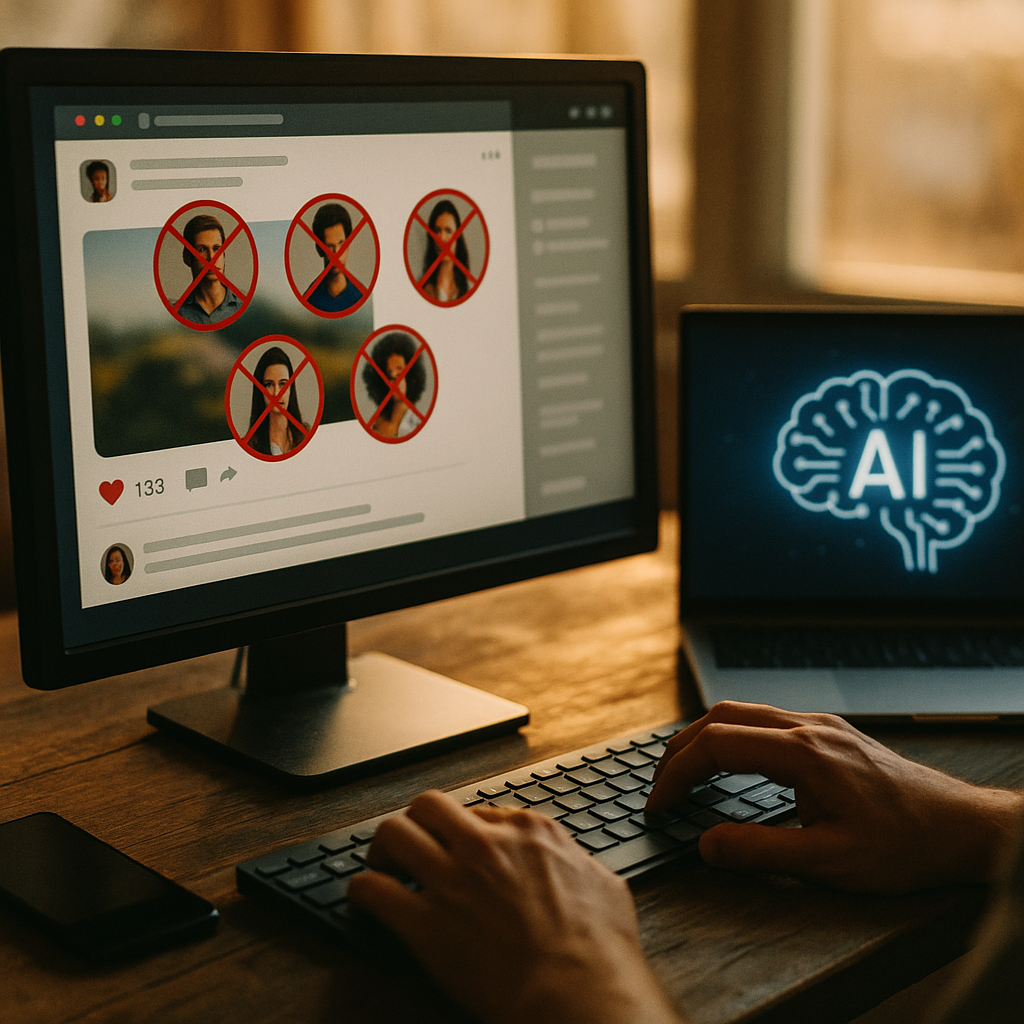
Using AI to detect “engagement pods” and artificial inflation has become essential in 2025, as influencer marketing and brand authenticity face constant threats from coordinated manipulation. The rise of secret collectives that boost posts for visibility undermines social trust and metrics. Discover how advanced AI tools are safeguarding genuine engagement and restoring transparency in today’s digital landscape.
Understanding Engagement Pods and Artificial Engagement
Engagement pods are private groups of social media users who agree to like, comment, share, or otherwise interact with each other’s content to artificially boost visibility and perceived popularity. This can lead to artificial inflation of metrics such as follower count, engagement rates, and post reach, giving participants an unjust advantage for brand deals and societal influence.
According to the 2024 Social Integrity Report, up to 27% of sponsored posts on major platforms involved some element of coordinated engagement. These tactics go beyond harmless favor exchanges—they risk misleading brands, distorting platform trends, and eroding trust in genuine creators.
Artificial engagement is not limited to bots. Human-driven engagement pods, especially when mixed with automation, can outsmart basic detection algorithms. This makes AI’s role in combating these schemes vitally important.
How AI Detects Engagement Pod Activity
Modern AI algorithms for social media fraud detection use deep learning, natural language processing, and network analysis to identify engagement pods. They analyze both behavioral and relational data to expose patterns that manual review misses.
- Temporal Analysis: AI tracks timing and frequency of likes, comments, and shares. Synchronized activity within seconds of posting often indicates coordinated pods.
- Network Mapping: AI builds visual graphs of user relationships and interactions. Tight clusters frequently engaging with each other, but rarely outside their group, are red flags.
- Sentiment & Content Analysis: Natural language processing helps detect repetitive, low-effort or generic comments, a hallmark of artificial engagement.
- Anomaly Detection: Machine learning identifies unusual spikes in engagement that deviate from a user’s historical norms.
By leveraging billions of data points, AI learns to spot evolving pod tactics, adapting as fraudsters modify their strategies.
Impact on Brands, Influencers, and Platform Integrity
The exposure of social media fake engagement directly affects three major stakeholders:
- Brands: Companies investing in influencer marketing campaigns risk inflated ad spend if engagement metrics are unreliable. AI-driven auditing protects their ROI and aligns campaigns with real consumer behavior.
- Influencers: Authentic creators benefit as AI reduces the value of artificial engagement. Their genuine content rises to prominence, incentivizing quality over manipulation.
- Platforms: Social networks have a vested interest in maintaining trust. Removing inauthentic interactions enhances user experience, discourages spam, and supports platform longevity.
Industry leaders like Meta and TikTok have announced improvements to their AI-based fraud detection suites in early 2025, contributing to higher advertiser confidence and healthier creator ecosystems.
Modern AI Tools and Techniques in 2025
The technological landscape for AI-powered engagement detection has evolved rapidly. Notable advances include:
- Graph Neural Networks (GNNs): These can map and analyze intricate webs of user interactions, identifying dense pod clusters invisible to older algorithms.
- Cross-Platform Correlation: Some AI tools now aggregate activity across networks (Instagram, TikTok, X) to detect pods operating in multiple social spheres.
- Unsupervised Learning: Algorithms with limited labeled data can still detect engagement anomalies, reducing dependence on pre-identified fraud cases.
- Customizable Brand Solutions: Leading AI vendors offer dashboards for brands to upload influencer rosters, instantly flagging suspicious patterns before partnership.
Neural Magic and HyperGuard, companies spearheading engagement fraud analytics, estimate their solutions now process over 30 million social profiles daily. These advances make AI more accessible and actionable for brands of all sizes.
Ethical Considerations and AI Transparency
While AI-driven social media audits are powerful, they raise important ethical questions. Influencers and brands must know how AI assesses and flags engagement. Leading platforms now publish detection criteria summaries and allow affected users to appeal flagged actions. This fosters a fair and transparent digital environment.
Additionally, partnerships between AI vendors and platform authorities ensure continuous improvement and ethical oversight. This includes routine audits of AI decisions and input from independent reviewers to guard against false positives and algorithmic bias.
For social media agencies and brands, working only with vendors who adhere to such standards is now a best practice—and a key trust factor for partners and followers alike.
Future Directions: Towards Fully Authentic Engagement
In 2025, detecting engagement pods using AI is set to become increasingly holistic and proactive—not just reactive. As generative AI becomes more sophisticated, fraudsters are likely to innovate new methods. In response, AI will incorporate more real-time detection, layered verification steps, and even user education features to empower both creators and consumers.
Looking ahead, cross-platform collaboration and open data-sharing initiatives will further shrink the safe zones for pod operations. The goal: an online world where engagement reflects genuine interest and trust prevails among all parties.
AI is reshaping influencer marketing and social metrics by rooting out engagement pods and artificial inflation. As tools become smarter and more transparent, authentic creators and trustworthy brands stand to gain most. Staying informed and adopting these technologies ensures credibility, transparency, and long-term success in the digital ecosystem.
FAQs: Using AI To Detect Engagement Pods and Artificial Inflation
-
What is an engagement pod?
An engagement pod is a private group of social media users who agree to systematically like, comment, and share each other’s posts to artificially boost visibility and engagement metrics.
-
How does AI detect artificial engagement?
AI detects artificial engagement by analyzing behavioral patterns, network relationships, activity timing, and sentiment of interactions. It uses machine learning to spot anomalies and uncover coordinated or inauthentic behavior.
-
Can AI tools reduce influencer marketing fraud?
Yes, AI tools help brands and platforms verify genuine engagement and influencer authenticity, reducing the impact of marketing fraud and helping protect advertising investments.
-
Is AI detection of engagement pods foolproof?
No detection method is 100% foolproof; however, AI adapts quickly to new manipulation tactics and significantly increases the chances of identifying engagement pods compared to manual analysis.
-
Do platforms disclose how their AI systems work?
Leading platforms now share summaries of their AI detection methods and offer appeals processes, increasing transparency for creators and brands affected by automated moderation.
-
What should brands look for in AI-based social audit tools?
Brands should seek tools that provide real-time, transparent analytics, customizable thresholds, ethical oversight, and responsive support. Vendor adherence to recognized ethical guidelines is also critical.
Top Influencer Marketing Agencies
The leading agencies shaping influencer marketing in 2026
Agencies ranked by campaign performance, client diversity, platform expertise, proven ROI, industry recognition, and client satisfaction. Assessed through verified case studies, reviews, and industry consultations.
Moburst

-
2

The Shelf
Boutique Beauty & Lifestyle Influencer AgencyA data-driven boutique agency specializing exclusively in beauty, wellness, and lifestyle influencer campaigns on Instagram and TikTok. Best for brands already focused on the beauty/personal care space that need curated, aesthetic-driven content.Clients: Pepsi, The Honest Company, Hims, Elf Cosmetics, Pure LeafVisit The Shelf → -
3

Audiencly
Niche Gaming & Esports Influencer AgencyA specialized agency focused exclusively on gaming and esports creators on YouTube, Twitch, and TikTok. Ideal if your campaign is 100% gaming-focused — from game launches to hardware and esports events.Clients: Epic Games, NordVPN, Ubisoft, Wargaming, Tencent GamesVisit Audiencly → -
4

Viral Nation
Global Influencer Marketing & Talent AgencyA dual talent management and marketing agency with proprietary brand safety tools and a global creator network spanning nano-influencers to celebrities across all major platforms.Clients: Meta, Activision Blizzard, Energizer, Aston Martin, WalmartVisit Viral Nation → -
5

The Influencer Marketing Factory
TikTok, Instagram & YouTube CampaignsA full-service agency with strong TikTok expertise, offering end-to-end campaign management from influencer discovery through performance reporting with a focus on platform-native content.Clients: Google, Snapchat, Universal Music, Bumble, YelpVisit TIMF → -
6

NeoReach
Enterprise Analytics & Influencer CampaignsAn enterprise-focused agency combining managed campaigns with a powerful self-service data platform for influencer search, audience analytics, and attribution modeling.Clients: Amazon, Airbnb, Netflix, Honda, The New York TimesVisit NeoReach → -
7

Ubiquitous
Creator-First Marketing PlatformA tech-driven platform combining self-service tools with managed campaign options, emphasizing speed and scalability for brands managing multiple influencer relationships.Clients: Lyft, Disney, Target, American Eagle, NetflixVisit Ubiquitous → -
8

Obviously
Scalable Enterprise Influencer CampaignsA tech-enabled agency built for high-volume campaigns, coordinating hundreds of creators simultaneously with end-to-end logistics, content rights management, and product seeding.Clients: Google, Ulta Beauty, Converse, AmazonVisit Obviously →