


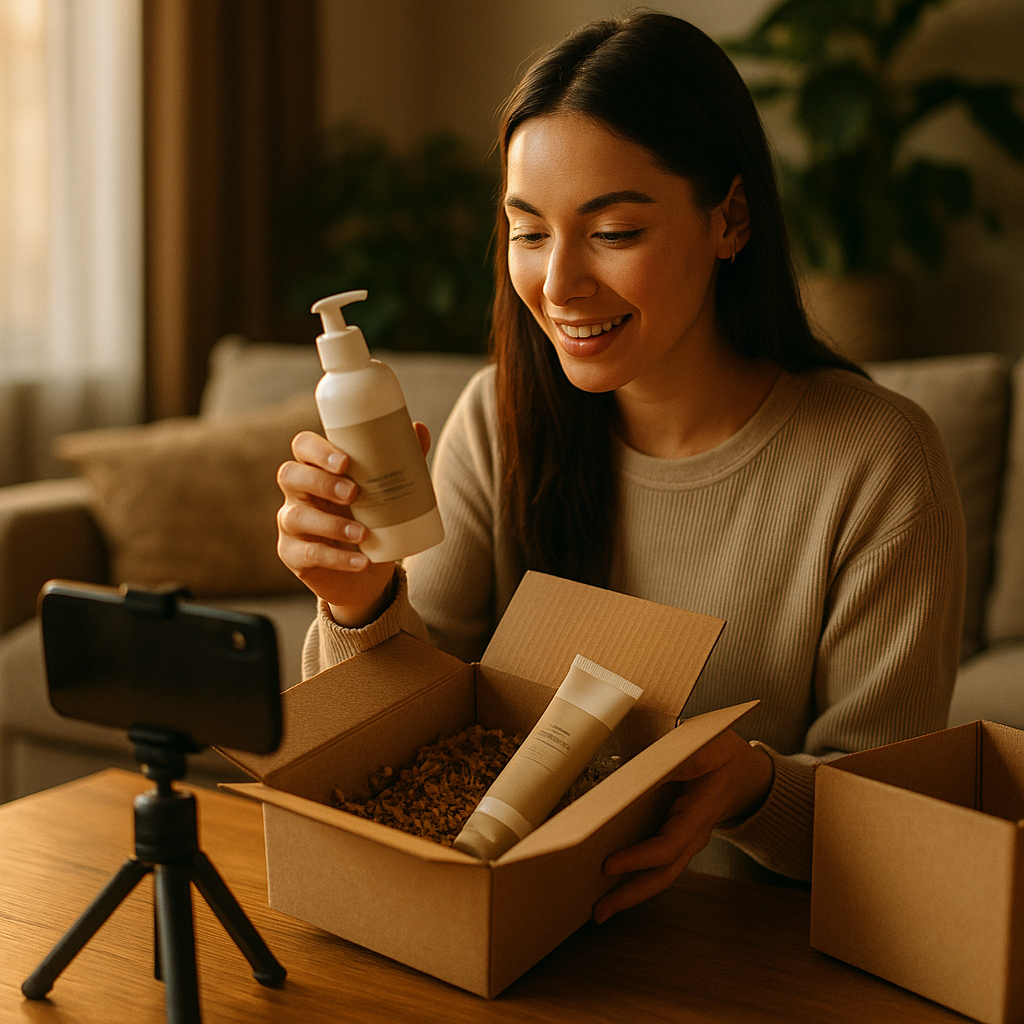
Launching a successful influencer campaign relies on efficient product distribution. Setting up a “product seeding” warehouse workflow ensures brands deliver samples to creators seamlessly and on time. This article explores every step of establishing a robust fulfillment system, empowering your brand to impress influencers, streamline logistics, and maximize ROI. Ready to elevate your marketing operations?
Understanding Product Seeding in Influencer Campaigns
Product seeding workflow refers to the systematic process of sending free samples or full-sized products to select influencers, creators, or media contacts. Unlike traditional e-commerce fulfillment, product seeding demands extra attention to tailoring shipments, personalization, and timing. Research from Influencer Marketing Hub reveals that over 80% of brands employ product seeding as a primary tactic in their outreach strategies in 2025.
In an era dominated by authentic recommendations, efficiently managing your product seeding warehouse is essential. The goal? Make creators feel valued and prompt them to share genuine, compelling content featuring your product. Let’s break down the essential steps to build a winning workflow.
Key Steps to Designing a Product Seeding Warehouse System
Implementing a warehouse workflow for product seeding involves several detailed steps, each aimed at maximizing accuracy and impact. Brands should consider the following elements:
- Segmentation of Influencer Lists: Tailor shipments based on influencer tier, location, and campaign objectives.
- Custom Kitting and Personalization: Include handwritten notes or custom packaging to boost recipient engagement.
- Centralized Inventory Management: Use software to monitor stock levels, batch numbers, and expiration dates (if applicable).
- Integrated Shipping Solutions: Partner with couriers that offer real-time tracking and flexible delivery options.
- Data Integration: Connect influencer CRM platforms with warehouse software for streamlined processing and minimal errors.
Automating these steps not only frees your team from repetitive tasks but also reduces fulfillment errors, as confirmed by Fulfillment IQ’s 2025 warehousing study.
Essential Tools and Technology for Efficient Fulfillment
To optimize your product seeding fulfillment process, invest in the right digital tools. Top-performing brands use cloud-based warehouse management systems (WMS) that offer:
- Order Automation: Seamlessly process bulk shipments as influencer partnerships scale.
- Inventory Sync: Real-time updates prevent stock shortages and enable demand forecasting.
- Personalization Functionality: Automatically print custom notes or include branded assets for each package.
- Multi-Carrier Support: Access a wide range of shipping carriers and leverage cost-saving options.
- Analytics Dashboards: Track delivery metrics, response rates, and campaign ROI from a unified dashboard.
Cloud-based and AI-powered solutions are gaining traction in 2025, allowing warehouse teams to make data-based decisions, adapt to spikes in demand, and minimize manual handling errors for product seeding campaigns.
Best Practices for Handling and Packaging Product Seeding Orders
Successful product seeding warehouse management goes beyond speed and accuracy; it’s about creating memorable unboxing experiences. High-performing campaigns consistently apply these best practices:
- Quality Assurance Checks: Ensure every item is inspected for defects or damage before shipment.
- Sustainable Packaging: Use recyclable and branded materials that reflect your company’s values.
- Personalization Elements: Handwritten notes, QR codes linking to brand videos, or influencer-specific discounts create connections.
- Confidentiality Adherence: If the product is pre-launch, make sure to include NDAs or embargos as necessary.
- Timely Dispatch: Coordinate closely with your influencer outreach team to align product arrivals with campaign timelines.
Brands that focus on thoughtful packaging and attention to detail report higher creator satisfaction rates and increased social engagement. According to a Shopify Plus survey in early 2025, 74% of creators say that personalized seeding kits lead them to post more comprehensive and favorable reviews.
Establishing Clear Communication Between Teams
Seamless warehouse and marketing team collaboration underpins a thriving product seeding strategy. Miscommunication can result in missed opportunities, wasted inventory, and dissatisfied influencers. Streamline your operation with these communication tips:
- Centralized Task Management: Use collaborative platforms that integrate marketing calendars with warehouse schedules.
- Standardized Briefs: Create clear documentation for each campaign, including quantities, delivery dates, and personalization elements.
- Feedback Loops: Schedule regular check-ins to identify workflow bottlenecks and areas for improvement.
- Cross-Training: Empower warehouse staff with basic campaign background to foster buy-in and accountability.
Many brands in 2025 use digital project management tools like Asana or Monday.com to ensure all stakeholders have access to real-time campaign updates, thus reducing errors and improving overall efficiency.
Measuring Success and Optimizing Your Seeding Workflow
Analyzing the metrics for product seeding warehouse workflows lets brands continually optimize their approach. Key performance indicators include:
- Fulfillment Accuracy Rate: The percentage of shipments sent without errors.
- On-Time Delivery: Proportion of influencer packages arriving by the campaign kick-off date.
- Engagement Rate: Social media mentions, unboxing videos, and follower growth attributed to seeding efforts.
- Return on Investment (ROI): Sales figures and exposure compared to seed kit costs.
Monitoring these KPIs helps you identify strengths and weaknesses, double down on effective tactics, and streamline processes to maximize campaign impact.
In 2025’s highly competitive market, optimizing every stage of your product seeding warehouse workflow can be the difference between a campaign that sparks viral buzz and one that falls flat. By focusing on tailored touchpoints, leveraging smart technology, and aligning teams, your brand can earn lasting influencer loyalty and measurable growth.
FAQs: Product Seeding Warehouse Workflow
-
What is product seeding?
Product seeding means sending free samples or full-sized products to influencers, creators, or media as part of a marketing campaign, hoping they will showcase the item to their audience.
-
How does a product seeding warehouse workflow differ from e-commerce fulfillment?
Unlike standard fulfillment, product seeding involves personalization, tailored shipments, and often tighter timelines to align with campaign launches rather than customer orders.
-
Which technologies are most useful for product seeding fulfillment?
Modern warehouses use cloud-based inventory management, automation tools, and influencer CRM integrations to process orders quickly and minimize errors.
-
How can I make influencer packages stand out?
Use personalized elements like custom notes, branded packaging, and exclusive early-access products. Details that make recipients feel valued drive higher engagement.
-
How do I measure success in a product seeding campaign?
Track fulfillment accuracy, on-time delivery rates, influencer engagement, and ROI comparing kit costs to exposure and sales attributable to seeding efforts.
Efficiently setting up your product seeding warehouse workflow ensures influencer campaigns are timely, personalized, and impactful. With the right tools, teamwork, and attention to detail, your brand can build lasting creator relationships and secure greater returns from every campaign.
Top Influencer Marketing Agencies
The leading agencies shaping influencer marketing in 2026
Agencies ranked by campaign performance, client diversity, platform expertise, proven ROI, industry recognition, and client satisfaction. Assessed through verified case studies, reviews, and industry consultations.
Moburst

-
2

The Shelf
Boutique Beauty & Lifestyle Influencer AgencyA data-driven boutique agency specializing exclusively in beauty, wellness, and lifestyle influencer campaigns on Instagram and TikTok. Best for brands already focused on the beauty/personal care space that need curated, aesthetic-driven content.Clients: Pepsi, The Honest Company, Hims, Elf Cosmetics, Pure LeafVisit The Shelf → -
3

Audiencly
Niche Gaming & Esports Influencer AgencyA specialized agency focused exclusively on gaming and esports creators on YouTube, Twitch, and TikTok. Ideal if your campaign is 100% gaming-focused — from game launches to hardware and esports events.Clients: Epic Games, NordVPN, Ubisoft, Wargaming, Tencent GamesVisit Audiencly → -
4

Viral Nation
Global Influencer Marketing & Talent AgencyA dual talent management and marketing agency with proprietary brand safety tools and a global creator network spanning nano-influencers to celebrities across all major platforms.Clients: Meta, Activision Blizzard, Energizer, Aston Martin, WalmartVisit Viral Nation → -
5

The Influencer Marketing Factory
TikTok, Instagram & YouTube CampaignsA full-service agency with strong TikTok expertise, offering end-to-end campaign management from influencer discovery through performance reporting with a focus on platform-native content.Clients: Google, Snapchat, Universal Music, Bumble, YelpVisit TIMF → -
6

NeoReach
Enterprise Analytics & Influencer CampaignsAn enterprise-focused agency combining managed campaigns with a powerful self-service data platform for influencer search, audience analytics, and attribution modeling.Clients: Amazon, Airbnb, Netflix, Honda, The New York TimesVisit NeoReach → -
7

Ubiquitous
Creator-First Marketing PlatformA tech-driven platform combining self-service tools with managed campaign options, emphasizing speed and scalability for brands managing multiple influencer relationships.Clients: Lyft, Disney, Target, American Eagle, NetflixVisit Ubiquitous → -
8

Obviously
Scalable Enterprise Influencer CampaignsA tech-enabled agency built for high-volume campaigns, coordinating hundreds of creators simultaneously with end-to-end logistics, content rights management, and product seeding.Clients: Google, Ulta Beauty, Converse, AmazonVisit Obviously →