


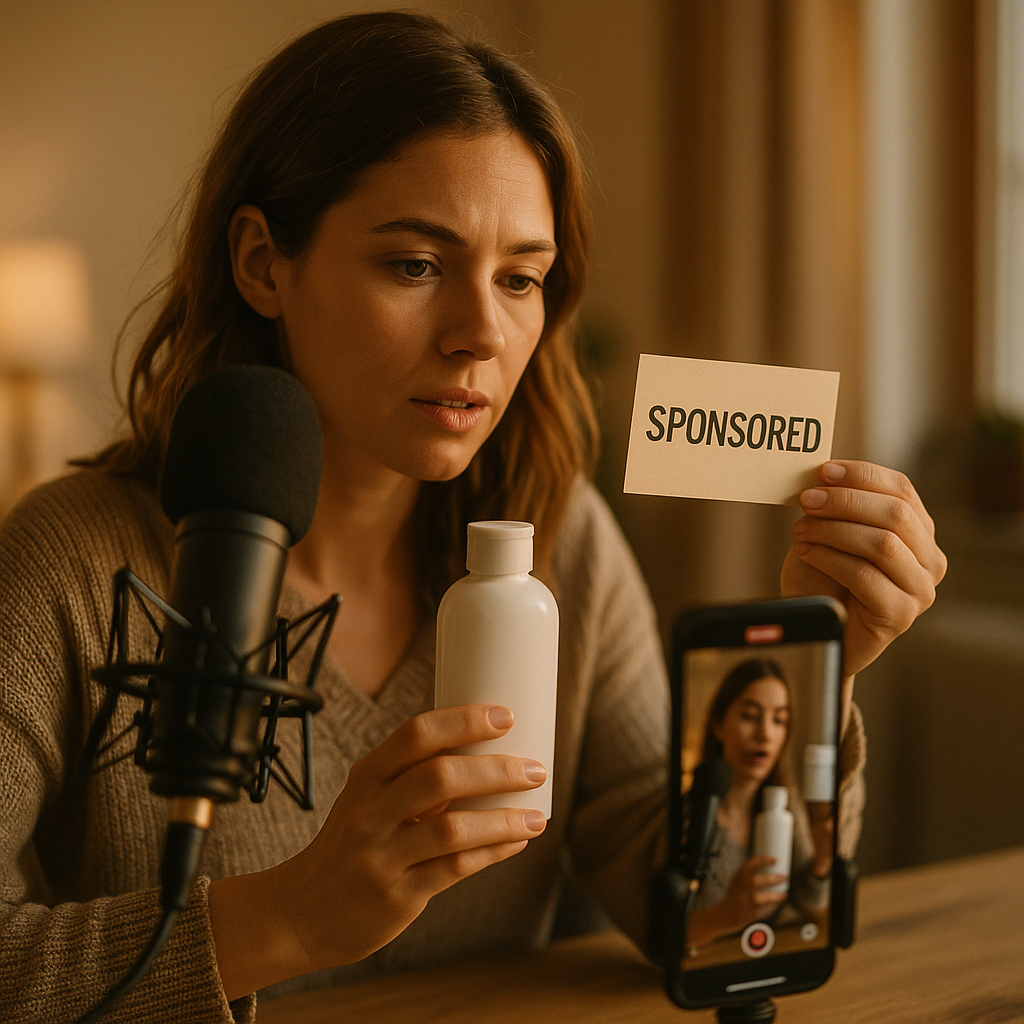
Endorsement Guides: Disclosing “Material Connections” Clearly is essential for brands, influencers, and marketers who engage in social promotions. Transparent disclosures protect trust, satisfy the FTC, and preserve reputations. But what exactly are material connections, and how can you effectively communicate them? Discover what current guidelines demand and how to implement them successfully.
Understanding Material Connections in Influencer Marketing
Material connections are any relationships that could affect the credibility of an endorsement. According to the Federal Trade Commission (FTC), a connection is considered “material” if it might affect how consumers evaluate the endorsed product, service, or brand. This includes payments, free products, ownership stakes, or even family connections.
Brands and creators must recognize that material connections go beyond direct financial compensation. For example, a blogger who receives free access to premium software, an influencer with a minor equity interest in a brand, or a podcaster whose spouse works for a featured company—all have material connections that need disclosure.
As influencer marketing evolves in 2025, the nature of these connections has expanded, especially with affiliate programs, exclusive previews, and gifted products. Failing to recognize and disclose such connections risks not only legal repercussions but also the public’s trust.
FTC Endorsement Guides: Key Requirements for Disclosures
The FTC’s Endorsement Guides offer vital guidance for transparent advertising. Updated to reflect changing digital channels and influencer trends, these guidelines clarify that both endorsers and brands must ensure disclosures of material connections wherever recommendations appear.
- Clear and Prominent: Disclosures must not be hidden or easily missed. Placement matters—don’t put disclosures in footnotes or behind obscure links.
- Simple Language: Avoid jargon. Use straightforward phrases like “paid partnership with [Brand],” “gifted product,” or “affiliate link.”
- Immediate Disclosure: The necessary information should appear at the start of the sponsored content or before any endorsement is made, not buried after the fact.
- Consistent Across Platforms: The FTC expects disclosures to be visible on every platform—Instagram Stories, YouTube videos, podcasts, blog posts, and even livestreams.
Failure to abide by these standards can result in enforcement actions and damage to brand reputation. As of 2025, the FTC has signaled increasing scrutiny of nano- and micro-influencers, emphasizing that size does not exempt anyone.
Effective Methods for Disclosing Material Connections in 2025
How you disclose is as important as what you disclose. Techniques evolve with media formats, but certain best practices apply universally:
- In-Content Clarity: In videos, state the material connection up front (“This video is sponsored by…”). For blogs, include disclosures at the top of the post.
- Social Media Labels and Tags: Platforms like Instagram now support “Paid Partnership” tags; always activate these alongside written disclosures.
- Audio-Visual Consistency: For podcasts or video streams, repeat the disclosure verbally at both the start and any promotional break. Display text overlays for accessibility.
- Simplified, Universal Language: Don’t assume “#sp” or “spon” is clear. Instead, use “Sponsored by [Brand]” or “Ad:” before the message.
- Multiple Touchpoints: With growing multi-channel campaigns, ensure every post, story, or piece of creative includes the disclosure. Repurposed or syndicated content must retain (or update) the disclosure.
As AI-generated content and virtual influencers become more prevalent, new tools may automate disclosures. However, human review remains crucial for context and clarity.
Consequences of Failing to Disclose Material Connections
Noncompliance with disclosure rules has serious consequences. In 2025, the FTC continues to take public enforcement action against deceptive advertisements. Notable penalties include hefty fines, consent orders, and public statements that can quickly tarnish brands or creators.
- Legal Liability: Both brands and individuals can face penalties. Responsibility cannot be shifted by contractual clauses.
- Public Backlash: Consumers value transparency; failing to disclose can destroy trust, reducing engagement and conversion rates.
- Platform Sanctions: Social networks may suspend, demonetize, or de-platform repeat offenders to maintain compliance with legal standards.
Being proactive helps manage risk. Regularly train marketing teams and influencers, audit your campaigns, and review all content for adequate disclosures.
Building Consumer Trust through Transparent Disclosures
Establishing trust is the cornerstone of effective influencer marketing. A 2025 survey by Edelman found that 72% of consumers are more likely to engage with brands committed to transparent advertising. Disclosure isn’t just a legal checkmark—it’s a business advantage.
Consistent, prominent disclosures convey honesty. When audiences see clear statements about material connections, credibility rises. Influencers who openly acknowledge sponsorships retain loyal followings and experience higher engagement. Brands that invest in compliance also avoid damaging scandals, lawsuits, and irreparable fallout.
Adopt a culture of transparency: make disclosure training part of onboarding for creators, provide templates, and encourage open dialogue about what constitutes a material connection. When everyone involved understands the rules, mistakes are minimized—and long-term trust is maximized.
FAQs: Endorsement Guides and Material Connection Disclosures in 2025
-
What is a material connection under the FTC Endorsement Guides?
A material connection includes anything that could impact the credibility of an endorsement, such as payment, free products, family ties, or business relationships. If the connection could influence a consumer’s perception, it must be disclosed.
-
How should influencers disclose material connections in 2025?
Disclosures should be clear, prominent, and use everyday language. Place them at the beginning of content, activate any platform disclosure features, and ensure audio or video content states the connection clearly upfront.
-
Are brands liable if an influencer does not disclose a material connection?
Yes, both brands and influencers are accountable. Brands must supervise and enforce disclosure compliance across campaigns, ensuring all content meets FTC requirements.
-
What are the penalties for failing to disclose material connections?
Consequences include FTC fines, reputational harm, mandatory compliance orders, and possible suspension from social platforms. These penalties apply even if noncompliance was unintentional.
-
Does disclosure only apply to paid posts?
No, disclosure is required for any material connection, including gifts, free services, discounts, family or business relationships, and more—not just monetary compensation.
In conclusion, transparent disclosure of material connections is vital for legal compliance and building consumer trust. By proactively adopting FTC Endorsement Guides, brands and influencers can avoid penalties and foster lasting relationships with their audiences. Make disclosure a foundational practice in every endorsement or campaign.
Top Influencer Marketing Agencies
The leading agencies shaping influencer marketing in 2026
Agencies ranked by campaign performance, client diversity, platform expertise, proven ROI, industry recognition, and client satisfaction. Assessed through verified case studies, reviews, and industry consultations.
Moburst

-
2

The Shelf
Boutique Beauty & Lifestyle Influencer AgencyA data-driven boutique agency specializing exclusively in beauty, wellness, and lifestyle influencer campaigns on Instagram and TikTok. Best for brands already focused on the beauty/personal care space that need curated, aesthetic-driven content.Clients: Pepsi, The Honest Company, Hims, Elf Cosmetics, Pure LeafVisit The Shelf → -
3

Audiencly
Niche Gaming & Esports Influencer AgencyA specialized agency focused exclusively on gaming and esports creators on YouTube, Twitch, and TikTok. Ideal if your campaign is 100% gaming-focused — from game launches to hardware and esports events.Clients: Epic Games, NordVPN, Ubisoft, Wargaming, Tencent GamesVisit Audiencly → -
4

Viral Nation
Global Influencer Marketing & Talent AgencyA dual talent management and marketing agency with proprietary brand safety tools and a global creator network spanning nano-influencers to celebrities across all major platforms.Clients: Meta, Activision Blizzard, Energizer, Aston Martin, WalmartVisit Viral Nation → -
5

The Influencer Marketing Factory
TikTok, Instagram & YouTube CampaignsA full-service agency with strong TikTok expertise, offering end-to-end campaign management from influencer discovery through performance reporting with a focus on platform-native content.Clients: Google, Snapchat, Universal Music, Bumble, YelpVisit TIMF → -
6

NeoReach
Enterprise Analytics & Influencer CampaignsAn enterprise-focused agency combining managed campaigns with a powerful self-service data platform for influencer search, audience analytics, and attribution modeling.Clients: Amazon, Airbnb, Netflix, Honda, The New York TimesVisit NeoReach → -
7

Ubiquitous
Creator-First Marketing PlatformA tech-driven platform combining self-service tools with managed campaign options, emphasizing speed and scalability for brands managing multiple influencer relationships.Clients: Lyft, Disney, Target, American Eagle, NetflixVisit Ubiquitous → -
8

Obviously
Scalable Enterprise Influencer CampaignsA tech-enabled agency built for high-volume campaigns, coordinating hundreds of creators simultaneously with end-to-end logistics, content rights management, and product seeding.Clients: Google, Ulta Beauty, Converse, AmazonVisit Obviously →