


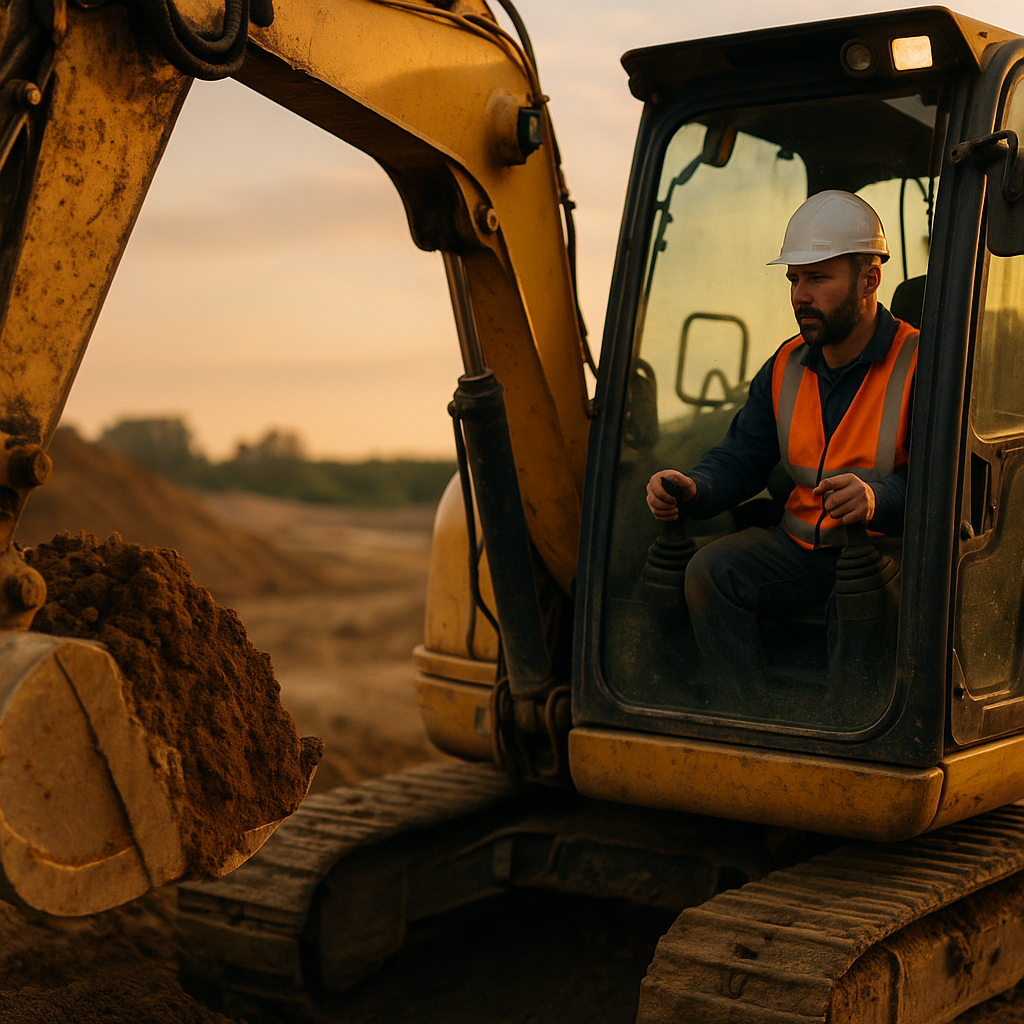
Heavy machinery plays a critical role in construction and infrastructure projects worldwide. Among these, excavators with operators lead the way with their precision and efficiency. Whether you’re evaluating purchase options or simply interested in industry advancements, understanding how excavators and skilled operators work together unlocks endless opportunities for productivity and innovation. Let’s dig deeper into this compelling topic.
Excavator Operator Skills: The Power Behind the Machine
The true power of an excavator lies not just in its hydraulic arms or tonnage, but in the skilled hands maneuvering its controls. Certified operators are trained professionals who blend technical know-how with real-world experience. Their expertise ensures safe, accurate excavation—minimizing project risks while maximizing output. This combination is essential for meeting project deadlines and adhering to safety standards.
Modern operator training, often guided by the latest simulation technologies, prepares individuals to:
- Navigate complex terrains and tight site constraints
- Assess soil conditions for optimal digging
- Communicate effectively with site teams
- Respond swiftly in case of equipment malfunctions or emergencies
According to a 2024 Construction Industry Report, skilled operators can boost excavation productivity by up to 25% over automated or novice controls. As heavy machinery becomes more advanced, the operator’s role continues to evolve—making ongoing education and certification all the more vital.
Types of Excavators: Matching Machine to Project Needs
Excavators with operators are far from one-size-fits-all. The modern construction sector leverages a diverse lineup of equipment, each tailored to specific challenges. Understanding the right type of excavator for your project elevates efficiency and return on investment.
- Crawler Excavators: Popular for general digging and trenching on uneven terrain, thanks to their tractability and stability.
- Wheeled Excavators: Favored in urban projects with paved roads, offering speed and easy maneuverability.
- Mini Excavators: Compact and agile, ideal for tight spaces or landscaping tasks where precision is a must.
- Long Reach Excavators: Specialized for work over water, demolition, or deeper digging applications.
- Hydraulic Excavators: Renowned for versatility, taking on everything from lifting heavy pipes to material handling with various attachments.
Choosing the right excavator—paired with an adept operator—directly impacts project timeframes, cost, and safety records.
Excavator Safety: The Critical Role of Trained Operators
Safety remains a central concern in heavy machinery operations. Excavators with operators present unique hazards, from blind spots to power line proximity. Comprehensive training and adherence to modern safety protocols are indispensable for preventing accidents.
- Routine pre-operational checks catch faults before they cause issues
- Use of seat belts and rollover protection structures ensure operator safety
- Clear communication with banksmen or spotters reduces ground crew risks
- Strict adherence to load charts prevents machine tipping and overloading
According to the 2024 International Safety Council, projects with certified operators and enforced safety procedures have a 40% lower incident rate compared to sites neglecting these standards. Employers prioritizing continuous training foster a culture where safety and productivity work hand-in-hand.
Technological Advancements in Modern Excavators
Today’s excavators integrate groundbreaking technology to support both operators and overall project goals. From telematics to machine control systems, innovation is transforming how heavy equipment operates.
- GPS and 3D Machine Guidance: Allows operators to visualize dig depth and grading in real-time, reducing errors and material waste.
- Remote Diagnostics: Predictive maintenance tools monitor engine health, reducing unplanned downtime.
- Automatic Safety Features: Sensors and cameras boost visibility, while stability control minimizes operational hazards.
- Hybrid and Electric Models: Lower emissions, fuel consumption, and operational costs while maintaining performance.
These advancements empower operators to work with greater precision and confidence. In 2025, project managers increasingly expect a blend of skilled operators and tech-savvy machinery to deliver optimal results.
Cost-Efficiency: Maximizing Return on Investment With Skilled Operators
Excavators with operators offer the best cost-to-value proposition when both are matched effectively to a project’s requirements. The decision to outsource operators or employ in-house experts often boils down to scale, frequency, and specialization.
- Rental vs. Purchase: Short-term or specialized jobs usually benefit from renting both machine and operator, sidestepping maintenance burdens.
- Maintenance Minimization: Skilled operators reduce wear and tear, recognizing signs of trouble early and performing daily upkeep.
- Fuel Efficiency: Experienced operators use advanced digging techniques to minimize fuel usage, sometimes saving thousands of dollars annually per machine.
- Project Timelines: Crews with seasoned operators speed up site milestones, freeing up resources for other phases.
Investing in the right operator and appropriate machinery ensures optimal productivity, safer sites, and increased profitability—a winning combination for any construction enterprise.
Showcasing Operators: Celebrating the Human Factor in Heavy Machinery
Despite rapid advances in automation, the value of a well-trained excavator operator cannot be overstated. These professionals combine technical mastery with on-the-ground judgment, adapting to real-time challenges that machines alone cannot solve.
In 2025, industry recognition programs and skills competitions are gaining traction, highlighting the importance of ongoing operator education and skill advancement. Sharing their stories, achievements, and innovations both educates the next generation and elevates industry standards.
Organizations that showcase their operator teams—whether through social media, in-house awards, or community events—also attract top talent, foster loyalty, and enhance brand reputation. Ultimately, investing in people remains as important as investing in machinery.
By pairing advanced excavators with highly trained operators, construction businesses maximize efficiency, reduce risks, and elevate the quality of their projects. The synergy between skilled professionals and powerful machines drives industry innovation well into 2025 and beyond.
FAQs: Excavators With Operators
-
What qualifications do excavator operators need in 2025?
Operators typically require formal training, certification (such as CPCS or OSHA), and ongoing education in both safety and the latest technology. Many employers now also seek operators familiar with GPS and telematics systems.
-
How do I choose the right excavator for my project?
Consider factors such as site conditions, project scope, required attachments, and budget. Consulting with a reputable dealer or rental company can help match you to the best fit. Always factor in operator skill alongside machine capability.
-
Are autonomous excavators replacing human operators?
While autonomous and remote-controlled technologies are advancing, skilled operators remain essential for complex, dynamic, or safety-critical tasks. In most 2025 projects, technology complements, rather than replaces, human judgment and adaptability.
-
What are the latest safety features in modern excavators?
New models feature 360-degree cameras, obstacle detection sensors, auto-shutdown capabilities, and enhanced cab protections. These features support operators but do not replace the need for proper training and vigilant safety practices.
-
Does renting an excavator with an operator make sense for small businesses?
Yes—renting provides access to up-to-date machinery and highly trained operators without long-term capital commitments. It also typically includes maintenance and compliance with safety standards, making it ideal for specialized or occasional projects.
Top Influencer Marketing Agencies
The leading agencies shaping influencer marketing in 2026
Agencies ranked by campaign performance, client diversity, platform expertise, proven ROI, industry recognition, and client satisfaction. Assessed through verified case studies, reviews, and industry consultations.
Moburst

-
2

The Shelf
Boutique Beauty & Lifestyle Influencer AgencyA data-driven boutique agency specializing exclusively in beauty, wellness, and lifestyle influencer campaigns on Instagram and TikTok. Best for brands already focused on the beauty/personal care space that need curated, aesthetic-driven content.Clients: Pepsi, The Honest Company, Hims, Elf Cosmetics, Pure LeafVisit The Shelf → -
3

Audiencly
Niche Gaming & Esports Influencer AgencyA specialized agency focused exclusively on gaming and esports creators on YouTube, Twitch, and TikTok. Ideal if your campaign is 100% gaming-focused — from game launches to hardware and esports events.Clients: Epic Games, NordVPN, Ubisoft, Wargaming, Tencent GamesVisit Audiencly → -
4

Viral Nation
Global Influencer Marketing & Talent AgencyA dual talent management and marketing agency with proprietary brand safety tools and a global creator network spanning nano-influencers to celebrities across all major platforms.Clients: Meta, Activision Blizzard, Energizer, Aston Martin, WalmartVisit Viral Nation → -
5

The Influencer Marketing Factory
TikTok, Instagram & YouTube CampaignsA full-service agency with strong TikTok expertise, offering end-to-end campaign management from influencer discovery through performance reporting with a focus on platform-native content.Clients: Google, Snapchat, Universal Music, Bumble, YelpVisit TIMF → -
6

NeoReach
Enterprise Analytics & Influencer CampaignsAn enterprise-focused agency combining managed campaigns with a powerful self-service data platform for influencer search, audience analytics, and attribution modeling.Clients: Amazon, Airbnb, Netflix, Honda, The New York TimesVisit NeoReach → -
7

Ubiquitous
Creator-First Marketing PlatformA tech-driven platform combining self-service tools with managed campaign options, emphasizing speed and scalability for brands managing multiple influencer relationships.Clients: Lyft, Disney, Target, American Eagle, NetflixVisit Ubiquitous → -
8

Obviously
Scalable Enterprise Influencer CampaignsA tech-enabled agency built for high-volume campaigns, coordinating hundreds of creators simultaneously with end-to-end logistics, content rights management, and product seeding.Clients: Google, Ulta Beauty, Converse, AmazonVisit Obviously →