


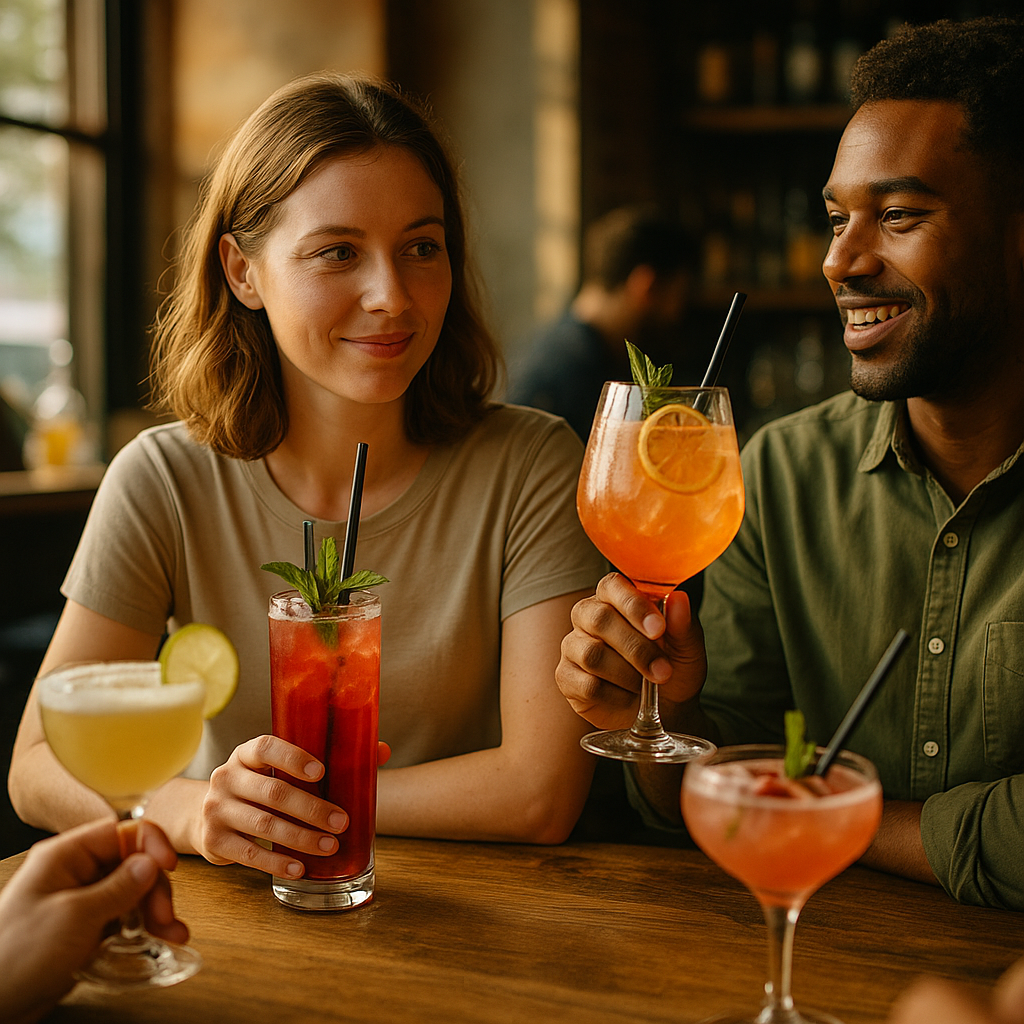
The “Sober Curious” movement continues gaining momentum in 2025 as more people question their relationship with alcohol, fueling a booming mocktail industry. Brands, bars, and retailers are rethinking strategies to market these innovative non-alcoholic drinks. What’s driving consumer interest in mindful drinking—and how are clever campaigns redefining social sipping? Discover how to tap into this refreshing trend.
Understanding the Sober Curious Movement: Consumer Trends
The sober curious movement reflects a cultural shift as individuals challenge traditional drinking norms. Rather than total abstinence, being “sober curious” means exploring periods without alcohol for health, wellness, or clarity. According to a 2025 Harvard wellness survey, 44% of Americans ages 21–35 have participated in at least one month of alcohol-free living in the past year. This trend emerges from heightened health awareness, the stigmatization of binge drinking, and a desire for social inclusion without pressure to consume alcohol.
Brands are finding that today’s consumers—especially Millennials and Gen Z—seek beverages that align with their values. Clean labels, functional ingredients, and creative flavors attract individuals eager to socialize, minus the hangover. Marketers who understand the psychology behind the movement are better equipped to serve an audience keen on connection and wellness.
Marketing Mocktails: Strategies That Resonate With Modern Drinkers
The explosive rise of mocktails presents unique challenges and opportunities for marketers. Unlike sodas or juices, mocktails often mirror the sophistication and sensory allure of craft cocktails. Successful marketing campaigns adopt an aspirational tone, emphasizing:
- Elevated Presentation: High-quality photography and imaginative garnishes underscore that mocktails are more than “just juice.”
- Storytelling: Sharing the origins of ingredients or inspiration for recipes helps brands stand out and seem authentic.
- Inclusivity in Messaging: Campaigns avoid language that excludes or stigmatizes drinkers and non-drinkers alike. Instead, they frame mocktails as an alternative for every occasion.
- Social Media Innovations: Brands leverage platforms like Instagram and TikTok to showcase vibrant mocktail recipes and host “dry events”—tapping influencers who promote sober-curious lifestyles.
The most effective mocktail marketing treats these beverages as equals, not substitutes. They are positioned as an attractive, thoughtful choice within social contexts, not a fallback for abstainers.
Trends in Mocktail Product Development: Ingredients and Innovation
Mocktail innovation is exploding, thanks to evolving consumer expectations. Beverage developers focus on unique flavor combinations, wellness-infused additives, and sophisticated presentation. In 2025, three trends dominate product launches:
- Functional Ingredients: Botanicals, adaptogens, and nootropics add health value while offering unique taste profiles.
- Low or No Sugar: Alternatives to traditional sweeteners, such as stevia and erythritol, meet demand for low-calorie options.
- Ready-to-Drink (RTD) Packaging: Canned and bottled mocktails, often in sleek, sustainable packaging, cater to convenience-seeking shoppers and event organizers.
Market leaders incorporate seasonal fruits, global flavors, and textured garnishes. For example, sparkling yuzu-lime coolers or hibiscus-rose elixirs not only appeal to adventurous palates but photograph beautifully for digital marketing. Regular collaboration with nutritionists and mixologists ensures that new offerings are both health-forward and satisfying to sip.
Brand Authenticity and Consumer Trust in Sober-Curious Marketing
Trust remains at the heart of effective marketing in the wellness space. Consumers perceive brand authenticity through transparent labeling, clear sourcing of ingredients, and honest communication. The rise of the sober curious movement means brands must avoid “wellness washing”—making vague or misleading health claims about their mocktails.
According to a 2025 Nielsen study, 57% of buyers say they distrust brands that hide ingredients or use ambiguous language. Building and maintaining trust requires:
- Regular content that educates—on ingredients, responsible drinking, and the benefits of mindful consumption
- Responsive customer service, especially for questions about allergens or dietary restrictions
- Partnership with medical or wellness experts, lending credibility to product claims
- Authentic user-generated content, such as reviews and testimonials, to foster community engagement
In this landscape, transparency isn’t just a differentiator—it’s a prerequisite for long-term loyalty.
Opportunities for Bars and Retailers: Maximizing Reach in 2025
Bars and retailers are crucial in normalizing the sober curious lifestyle. Traditionally, mocktails were limited to bland, sugary options. Today, venues that offer curated alcohol-free menus see a surge in customer satisfaction and sales. In 2025, top-performing establishments have adopted several best practices:
- Dedicated Mocktail Sections: Menus feature alcohol-free selections as distinct highlights, not afterthoughts.
- Staff Training: Bartenders receive training on crafting and recommending mocktails, ensuring knowledgeable, enthusiastic service.
- Interactive Promotions: Happy hour specials, tasting flights, and mocktail-making classes attract adventurous and health-conscious consumers alike.
- In-Store Activations: Retailers organize in-person events—such as “Dry January” celebrations or sober socials—to introduce customers to new brands.
For both on- and off-premise operators, investing in alcohol-free options is no longer a “niche” play but an essential strategy for broadening audience appeal and increasing revenue.
The Role of Influencers and Community in Mocktail Marketing
Digital communities and influencers have become central to the sober curious movement’s success. On platforms such as TikTok, an #AlcoholFreeLife tag can attract millions of views per month in 2025. Influencers bring authenticity, demonstrate creative recipes, and foster conversation about mental health, inclusivity, and mindful consumption.
Brands collaborate with micro-influencers and thought leaders who have built engaged followings within the sober curious community. Key strategies include:
- Sponsoring “sober socials” and pop-up events broadcast online
- Co-developing signature mocktail recipes or branded barware
- Sharing stories about their personal journeys and the impacts of alcohol-free living
- Running interactive challenges—such as one-month mocktail recipe contests—to maintain engagement
Community-driven marketing both normalizes the alcohol-free lifestyle and encourages peer learning, which has proven more effective than top-down messaging alone.
Conclusion
The sober curious movement and modern mocktail marketing are transforming social drinking in 2025. As brands embrace innovation, transparency, and community, they respond to evolving consumer values and expectations. Whether you’re a beverage developer, marketer, or bar owner, seizing this trend now can lead to stronger connections and sustainable growth in the years ahead.
Frequently Asked Questions
-
What is the sober curious movement?
The sober curious movement encourages individuals to rethink their drinking habits and try alcohol-free living—whether for health, clarity, or personal growth—without fully committing to lifelong sobriety.
-
Are mocktails just for non-drinkers?
No. Mocktails are designed for anyone seeking flavorful, sophisticated options with or without alcohol. They are popular among those who want to socialize without the effects of alcohol, even if they aren’t abstaining completely.
-
How can bars increase mocktail sales?
Bars can boost mocktail sales by featuring dedicated sections on menus, training staff, offering interactive promotions, and creating visually appealing drinks that rival alcoholic cocktails in taste and style.
-
What makes a successful mocktail brand in 2025?
Leading brands focus on authentic storytelling, transparency, functional ingredients, and creative marketing collaborations with influencers and wellness professionals to build trust and excitement.
-
Why are functional ingredients popular in mocktails?
Functional ingredients like botanicals, adaptogens, and nootropics deliver wellness benefits—stress reduction, relaxation, or enhanced focus—making mocktails appealing for mindful and health-conscious consumers.
Top Influencer Marketing Agencies
The leading agencies shaping influencer marketing in 2026
Agencies ranked by campaign performance, client diversity, platform expertise, proven ROI, industry recognition, and client satisfaction. Assessed through verified case studies, reviews, and industry consultations.
Moburst

-
2

The Shelf
Boutique Beauty & Lifestyle Influencer AgencyA data-driven boutique agency specializing exclusively in beauty, wellness, and lifestyle influencer campaigns on Instagram and TikTok. Best for brands already focused on the beauty/personal care space that need curated, aesthetic-driven content.Clients: Pepsi, The Honest Company, Hims, Elf Cosmetics, Pure LeafVisit The Shelf → -
3

Audiencly
Niche Gaming & Esports Influencer AgencyA specialized agency focused exclusively on gaming and esports creators on YouTube, Twitch, and TikTok. Ideal if your campaign is 100% gaming-focused — from game launches to hardware and esports events.Clients: Epic Games, NordVPN, Ubisoft, Wargaming, Tencent GamesVisit Audiencly → -
4

Viral Nation
Global Influencer Marketing & Talent AgencyA dual talent management and marketing agency with proprietary brand safety tools and a global creator network spanning nano-influencers to celebrities across all major platforms.Clients: Meta, Activision Blizzard, Energizer, Aston Martin, WalmartVisit Viral Nation → -
5

The Influencer Marketing Factory
TikTok, Instagram & YouTube CampaignsA full-service agency with strong TikTok expertise, offering end-to-end campaign management from influencer discovery through performance reporting with a focus on platform-native content.Clients: Google, Snapchat, Universal Music, Bumble, YelpVisit TIMF → -
6

NeoReach
Enterprise Analytics & Influencer CampaignsAn enterprise-focused agency combining managed campaigns with a powerful self-service data platform for influencer search, audience analytics, and attribution modeling.Clients: Amazon, Airbnb, Netflix, Honda, The New York TimesVisit NeoReach → -
7

Ubiquitous
Creator-First Marketing PlatformA tech-driven platform combining self-service tools with managed campaign options, emphasizing speed and scalability for brands managing multiple influencer relationships.Clients: Lyft, Disney, Target, American Eagle, NetflixVisit Ubiquitous → -
8

Obviously
Scalable Enterprise Influencer CampaignsA tech-enabled agency built for high-volume campaigns, coordinating hundreds of creators simultaneously with end-to-end logistics, content rights management, and product seeding.Clients: Google, Ulta Beauty, Converse, AmazonVisit Obviously →