


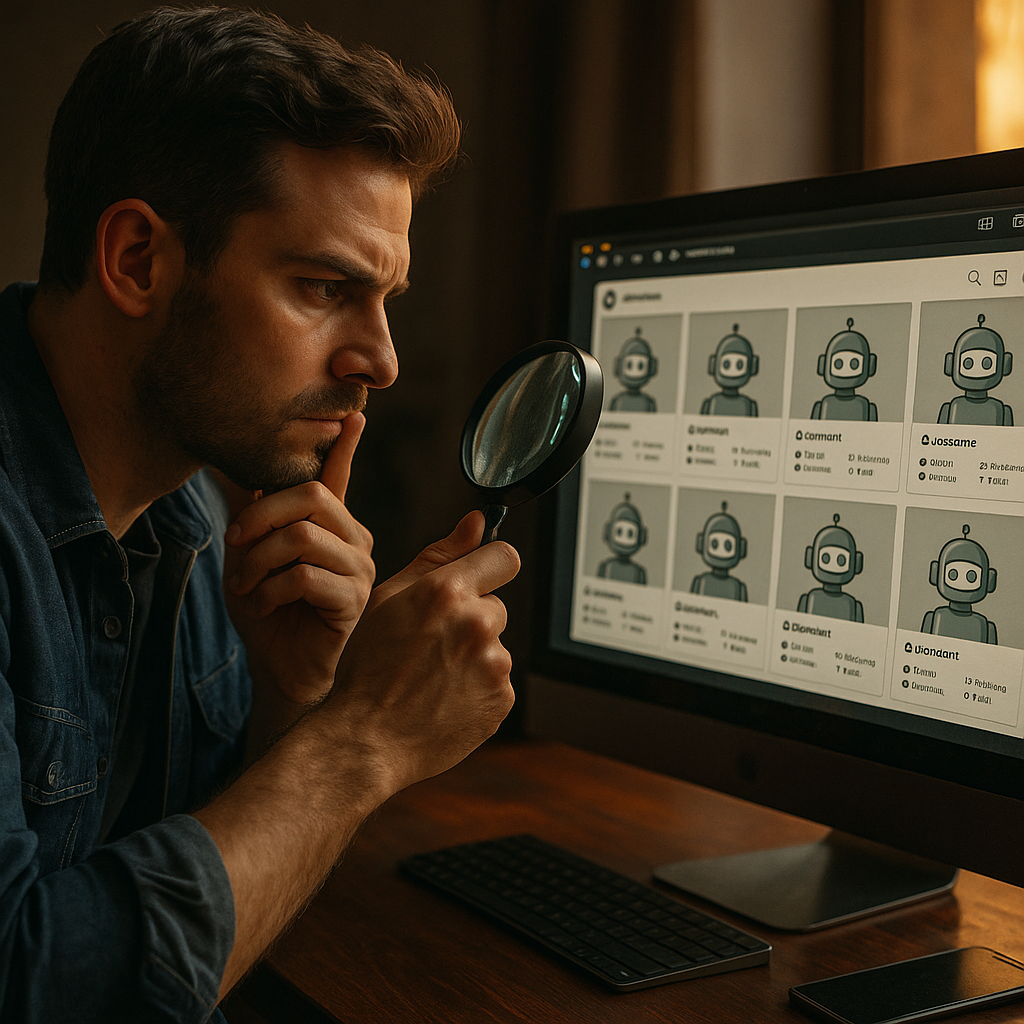
Fraud detection is vital for maintaining authenticity on social media, especially when it comes to identifying “bot farms” in follower lists. Whether you’re a business or an influencer, ignoring suspicious accounts can damage reputation and trust. Are you ready to uncover the tell-tale signs and implement strategies against bot farms undermining your digital presence?
Understanding Bot Farms and Their Impact on Follower Lists
Bot farms are organized collections of automated accounts, or “bots,” designed to artificially inflate follower counts, boost engagement, or spread misinformation across social media platforms. These fake profiles may perform actions such as following, liking, or commenting, making genuine engagement metrics unreliable. According to recent DataReportal research in 2025, over 15% of global social media accounts display abnormal behaviors linked to automation.
Why does this matter? Not only do bot farms erode trust, but they also skew analytics that brands and influencers rely upon for decision-making. Inaccurate audience insights can lead to wasted advertising spend, flawed marketing strategies, and reputational damage if exposed. Search engines and advertisers increasingly demand authenticity, penalizing those benefiting from inflated numbers.
Common Signs of Bot Farms in Social Media Follower Lists
Distinguishing genuine followers from bot-generated profiles can be straightforward once you know what to look for. Here are key red flags indicating the presence of bot farms within follower lists:
- Unusual Follower-to-Engagement Ratio: A disproportionately high follower count with low engagement typically signals non-authentic accounts boosting numbers.
- Generic or Nonsensical Usernames: Bots often use randomized handles (e.g., jhgf_234sf) or strings of numbers and letters, lacking personalized details.
- Empty Profiles: Fake followers generally lack profile photos, bios, or posted content, remaining inactive except for basic automated actions.
- Sudden Spikes in Follower Count: Unexplained, rapid growth often points to bot purchasing or automated following campaigns.
- Repetitive Activity Patterns: Bot behaviors are typically uniform, such as mass-liking or commenting at identical intervals.
By training yourself and your team to spot these characteristics, you take the first step in effective fraud detection.
Modern Fraud Detection Tools for Identifying Bot Farms
Relying on manual checks is no longer sufficient in 2025. Advances in AI-driven fraud detection enable businesses and individuals to automatically identify bots and questionable followers using sophisticated algorithms. Trusted software such as HypeAuditor, Socialbakers, and FollowerAudit offer comprehensive analyses that flag suspicious patterns in real-time.
These fraud detection platforms examine follower authenticity based on:
- Account age and activity patterns
- IP address clusters and location anomalies
- Content similarity and repetitive interactions
- Suspicious following/followed ratios
Platforms are also deploying machine learning models trained on evolving bot behaviors, greatly improving detection accuracy compared to traditional keyword or action-based filters. This keeps pace with bot farm operators who are constantly refining tactics to escape scrutiny.
Integrating such tools into your digital strategy ensures your follower list is credible, boosting trust with potential partners, advertisers, and audiences. Many solutions now offer integrations with popular social media management dashboards, allowing seamless analysis.
How Fake Followers Damage Brands and Influencers
The presence of bot farms within your follower list does more than just inflate numbers—it can have profound negative effects on your digital reputation and revenue streams. Here’s how:
- Loss of Trust: Savvy consumers and partners demand transparency. Discovery of fake followers can lead to scrutiny, lost deals, and damaged public image.
- Skewed Analytics: Inflated numbers distort engagement rates, making it nearly impossible to measure true reach or campaign effectiveness.
- Platform Penalties: Social media platforms now deploy their own detection systems, which can result in content de-prioritization, shadow banning, or even account suspension for egregious violations.
- Financial Waste: Brands that invest in advertising to fake followers waste budget with zero ROI, leading to misallocated resources.
Brands and influencers who routinely monitor and clear their follower lists signal professionalism and a commitment to authenticity—critical elements for long-term growth according to recent Edelman Trust Barometer data.
Best Practices for Removing Bot Farm Followers
Policing your follower list doesn’t end with detection. The next step is ethically and proactively removing suspicious bot followers to ensure an authentic community. Here are effective tactics for doing so in 2025:
- Leverage Automated Cleaning Tools: Use fraud detection platforms offering batch blocking or reporting capabilities, efficiently removing hundreds of bots in minutes.
- Establish Manual Review Routines: Schedule periodic audits, especially after noticing unusual activity spikes, to spot and eliminate new suspicious accounts.
- Monitor Third-Party Connections: Regularly review apps and services with access to your account—bots often enter via compromised or low-quality third-party platforms.
- Invest in Audience Education: Make followers aware of bot-related risks and encourage them to report fakes for faster removal.
- Enhance Account Security: Use multi-factor authentication to prevent bot accounts leveraging credential stuffing or phishing hacks.
By embracing these robust strategies, you maintain a healthy follower base, comply with platform policies, and demonstrate responsible digital stewardship.
Building Authentic Growth to Prevent Bot Farm Infiltration
The ultimate defense against bot farms isn’t just detection and removal—it’s cultivating organic, loyal followership from the outset. Prioritize genuine engagement and value-driven content to attract real people, not bots. Here’s how brands and influencers achieve this in today’s landscape:
- Consistent Value Offering: Share high-quality, relevant content tailored to your target audience’s needs and interests.
- Active Community Engagement: Respond to comments, host live sessions, and initiate authentic conversations to foster real interactions.
- Collaborate with Verified Users: Partner with reputable creators, brands, or customers to reach audiences more likely to engage meaningfully.
- Vet Promotional Campaigns: Avoid paid follower services or low-quality promotions known for attracting bots rather than true followers.
Not only do these actions discourage bot farm targeting, but they also ensure your digital footprint remains trustworthy and attractive to advertisers and collaborators.
FAQs on Identifying Bot Farms in Follower Lists
-
What is a bot farm?
A bot farm is a network of automated fake accounts created to artificially inflate social media engagement metrics or propagate spam and misinformation. -
How can I spot fake followers in my account?
Watch for generic usernames, empty profiles, sudden spikes in followers, and unusually low engagement from your audience. -
Are there reliable tools for detecting bot farms in 2025?
Yes! Platforms like HypeAuditor, Socialbakers, and FollowerAudit use advanced AI to analyze and flag suspicious activity within your follower list. -
Is it safe to remove fake followers?
Absolutely. Purging accounts that show clear signs of automation or spam protects your reputation and ensures genuine analytics. -
Will social platforms penalize me if I have bot followers?
Social platforms may reduce your visibility or even suspend accounts with egregious levels of fake followers. Regular clean-up and proactive monitoring helps avoid penalties.
In summary, fraud detection for identifying “bot farms” in follower lists is now essential to protect your credibility, insights, and revenue. By leveraging AI-driven tools, adopting removal best practices, and fostering authentic engagement, you guard your digital presence from the risks of fake accounts—ensuring trust where it matters most.
Top Influencer Marketing Agencies
The leading agencies shaping influencer marketing in 2026
Agencies ranked by campaign performance, client diversity, platform expertise, proven ROI, industry recognition, and client satisfaction. Assessed through verified case studies, reviews, and industry consultations.
Moburst

-
2

The Shelf
Boutique Beauty & Lifestyle Influencer AgencyA data-driven boutique agency specializing exclusively in beauty, wellness, and lifestyle influencer campaigns on Instagram and TikTok. Best for brands already focused on the beauty/personal care space that need curated, aesthetic-driven content.Clients: Pepsi, The Honest Company, Hims, Elf Cosmetics, Pure LeafVisit The Shelf → -
3

Audiencly
Niche Gaming & Esports Influencer AgencyA specialized agency focused exclusively on gaming and esports creators on YouTube, Twitch, and TikTok. Ideal if your campaign is 100% gaming-focused — from game launches to hardware and esports events.Clients: Epic Games, NordVPN, Ubisoft, Wargaming, Tencent GamesVisit Audiencly → -
4

Viral Nation
Global Influencer Marketing & Talent AgencyA dual talent management and marketing agency with proprietary brand safety tools and a global creator network spanning nano-influencers to celebrities across all major platforms.Clients: Meta, Activision Blizzard, Energizer, Aston Martin, WalmartVisit Viral Nation → -
5

The Influencer Marketing Factory
TikTok, Instagram & YouTube CampaignsA full-service agency with strong TikTok expertise, offering end-to-end campaign management from influencer discovery through performance reporting with a focus on platform-native content.Clients: Google, Snapchat, Universal Music, Bumble, YelpVisit TIMF → -
6

NeoReach
Enterprise Analytics & Influencer CampaignsAn enterprise-focused agency combining managed campaigns with a powerful self-service data platform for influencer search, audience analytics, and attribution modeling.Clients: Amazon, Airbnb, Netflix, Honda, The New York TimesVisit NeoReach → -
7

Ubiquitous
Creator-First Marketing PlatformA tech-driven platform combining self-service tools with managed campaign options, emphasizing speed and scalability for brands managing multiple influencer relationships.Clients: Lyft, Disney, Target, American Eagle, NetflixVisit Ubiquitous → -
8

Obviously
Scalable Enterprise Influencer CampaignsA tech-enabled agency built for high-volume campaigns, coordinating hundreds of creators simultaneously with end-to-end logistics, content rights management, and product seeding.Clients: Google, Ulta Beauty, Converse, AmazonVisit Obviously →