


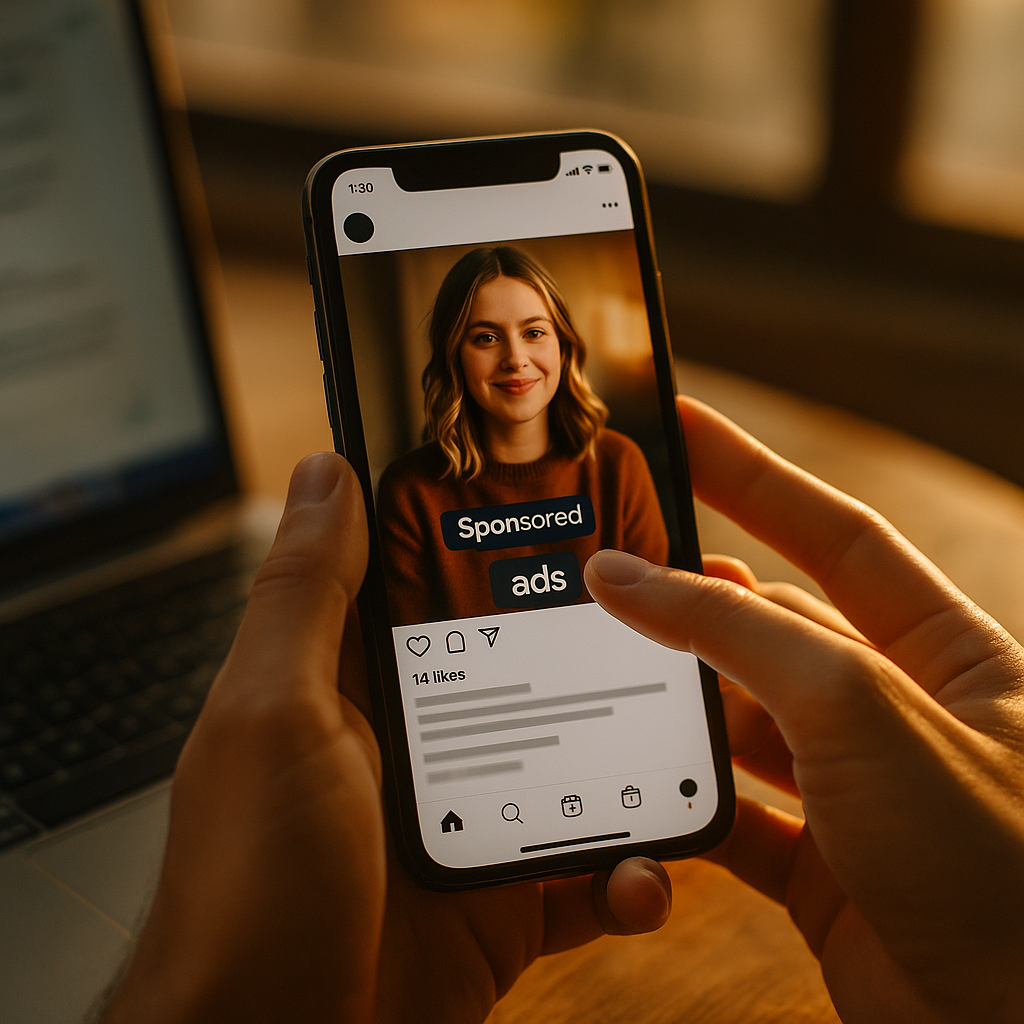
Disclosure tools, particularly platform-native tags, have become essential for compliant and transparent online content in 2025. As regulations tighten and audiences grow savvier, understanding how to use these tags correctly can significantly boost brand trust. Curious about the best ways to harness native tagging for effective disclosures? This guide breaks down the essentials for flawless digital transparency.
Understanding Platform-Native Tags for Social Media Transparency
Platform-native tags are built-in features on social networks designed for declarations of sponsorship, partnership, or advertisement. As brands and content creators shift towards authenticity, using these native tools is no longer optional—it’s necessary for legal compliance and user trust.
Meta’s “Paid Partnership” tag, TikTok’s “Sponsored” toggle, and YouTube’s “Includes Paid Promotion” disclosure exemplify these built-in systems. Each platform integrates tags differently, but the goal is universal: making sure audiences clearly recognize sponsored content. Using native tags correctly aligns your brand with Federal Trade Commission (FTC) guidance and ensures that content remains visible and credible.
The Legal Imperative: Compliance with Ad Disclosure Laws
As we enter 2025, legal pressure around ad disclosures is at an all-time high. The FTC and related global regulatory bodies frequently audit influencers and brands for transparency breaches. In practice, disclosure tools aren’t just best practice—they’re legal insurance.
Improper or missing disclosures can result in account suspensions, significant fines, and reputational harm. Native tags offer straightforward compliance because platforms are refining disclosure processes to match evolving laws. By using these tools correctly and consistently, you reduce risk and demonstrate a proactive commitment to transparency, a key element of modern digital marketing ethics.
The User Experience: Building Audience Trust with Proper Tagging
Studies in 2024 by the Digital Marketing Institute revealed that 67% of consumers are more likely to trust brands that clearly disclose partnerships. Clear tagging removes confusion and elevates user experience by signaling honesty.
When users spot a familiar native tag like “Paid partnership with Brand,” they feel respected and empowered to interpret the content appropriately. This transparency leads to higher engagement, less skepticism, and fosters lasting loyalty. Both micro-influencers and large brands benefit from prioritizing clarity in every sponsored post or video.
- Immediate recognition: Native tags are universally recognizable, letting users quickly identify sponsored content.
- Consistency: Uniform use across posts builds a reliable brand identity.
- Reduced backlash: Transparent disclosures in 2025 dramatically decrease negative feedback compared to hidden or unclear ads.
Best Practices for Using Disclosure Tools Across Major Platforms
Each major social platform offers specific tools for compliant disclosures. Here’s a breakdown of effective practices tailored to the most popular networks:
- Instagram & Facebook: Use the “Paid Partnership” tag and ensure it appears at the top of every sponsored post or reel. Pair native tags with brief explanations in the caption (“Thanks to Brand for sponsoring this content.”) for added clarity.
- TikTok: Toggle the “Sponsored” switch before publishing branded videos. Supplement this with verbal disclosures in your video when possible, as TikTok users appreciate directness.
- YouTube: Check “Includes paid promotion” during upload and consider mentioning the sponsorship early in your video. Overlaying a native tag on the screen for the first 20 seconds is highly encouraged for optimal compliance.
- X (formerly Twitter): Even without robust native tools, always pair hashtags such as #Ad or #Sponsored with clear mentions in your post to mimic native tagging standards.
- Pinterest & LinkedIn: Use “Collaborative” or “Sponsored Content” markers where available, and explain partnerships directly in your description fields.
Consistency is crucial: Always verify that disclosures occur before any call-to-action appears. Native tags should never be hidden behind “Read more” prompts or appear last in long captions. Immediate disclosure ensures regulatory compliance and builds habitual transparency.
Optimizing for Algorithm Visibility with Native Tags
There’s a persistent myth that using native disclosure tags will throttle organic reach or harm algorithm placement. However, current platform documentation and independent studies in late 2024 reveal that native tags, when used as intended, do not penalize reach. In fact, failing to use disclosures may result in content demotion or removal.
Modern social algorithms increasingly reward transparency. Facebook’s and Instagram’s algorithms, for instance, have been updated to favor content with correct disclosures to encourage compliant behavior. Furthermore:
- Flagged posts: Undisclosed ads may be automatically flagged, leading to suppressed reach or account warnings.
- User reporting: Platforms are making it easier for viewers to report undisclosed sponsored content, fast-tracking enforcement and possible takedowns.
- Searchability: Sponsored content properly tagged is now often grouped in algorithmic categories for users interested in brand partnerships or reviews, expanding visibility to targeted audiences.
Leveraging platform-native tags isn’t just about following the rules—it’s about gaining maximum, sustained reach in a transparent ecosystem.
Common Mistakes to Avoid with Disclosure Tools
While many brands embrace native tagging, common pitfalls persist. Being aware of these mistakes ensures your disclosures are both effective and compliant in 2025:
- Relying solely on hashtags: Platforms increasingly require the use of their native tools over or alongside hashtags like #ad. Hashtags alone rarely suffice for compliance.
- Delayed disclosure: Never hide or postpone the native tag. Disclosures must be immediate and prominent at the beginning of content.
- Inconsistent usage: Compliance isn’t a one-time action. Implement native tags for all sponsored posts, not just occasional campaigns.
- Skipping verbal disclosures: For video or audio-based content, consider combining visual tags with verbal statements for audiences who may not see every on-screen notification.
- Ignoring updates: Platforms frequently update their disclosure features. Monthly review of platform guidelines keeps your team ahead of compliance changes.
Stay informed, act consistently, and you’ll avoid the common issues that can compromise audience trust and platform standing.
Conclusion: The Future of Effective Ad Disclosure in 2025
Using platform-native tags correctly is now a vital part of digital marketing integrity. Brands and creators who prioritize clear, immediate tagging ensure both compliance and audience trust. In 2025’s regulatory landscape, transparent, accurate disclosures solidify your reputation and unlock the greatest returns from every partnership.
FAQs: Disclosure Tools and Platform-Native Tagging Explained
-
What is a platform-native disclosure tool?
It’s a built-in tag or feature provided by social media platforms to clearly disclose sponsored or paid partnerships. These include labels like “Paid Partnership” or “Includes Paid Promotion.”
-
Is it enough to just use #ad or #sponsored?
No. While these hashtags add clarity, the FTC and most platforms now require the use of native tags in addition to, or instead of, hashtags for full legal compliance.
-
Will using a native tag hurt my organic reach?
No. Current data shows that using disclosure tags does not reduce reach; failing to use correct disclosures, however, may suppress your content or risk account penalties.
-
How often should I review platform tagging guidelines?
Best practice is to review official platform disclosure guidelines monthly to stay current with updates that could affect compliance and posting strategies.
-
Can verbal disclosures replace native tags in videos?
No. Verbal disclosures are encouraged for clarity, but they do not replace the need for platform-native tags, which must be visible at the start of the content.
-
Are there differences in requirements across platforms?
Yes. Each social network has slightly different tagging systems and requirements, so tailor your approach to the specifics of each platform for best results and compliance.
Top Influencer Marketing Agencies
The leading agencies shaping influencer marketing in 2026
Agencies ranked by campaign performance, client diversity, platform expertise, proven ROI, industry recognition, and client satisfaction. Assessed through verified case studies, reviews, and industry consultations.
Moburst

-
2

The Shelf
Boutique Beauty & Lifestyle Influencer AgencyA data-driven boutique agency specializing exclusively in beauty, wellness, and lifestyle influencer campaigns on Instagram and TikTok. Best for brands already focused on the beauty/personal care space that need curated, aesthetic-driven content.Clients: Pepsi, The Honest Company, Hims, Elf Cosmetics, Pure LeafVisit The Shelf → -
3

Audiencly
Niche Gaming & Esports Influencer AgencyA specialized agency focused exclusively on gaming and esports creators on YouTube, Twitch, and TikTok. Ideal if your campaign is 100% gaming-focused — from game launches to hardware and esports events.Clients: Epic Games, NordVPN, Ubisoft, Wargaming, Tencent GamesVisit Audiencly → -
4

Viral Nation
Global Influencer Marketing & Talent AgencyA dual talent management and marketing agency with proprietary brand safety tools and a global creator network spanning nano-influencers to celebrities across all major platforms.Clients: Meta, Activision Blizzard, Energizer, Aston Martin, WalmartVisit Viral Nation → -
5

The Influencer Marketing Factory
TikTok, Instagram & YouTube CampaignsA full-service agency with strong TikTok expertise, offering end-to-end campaign management from influencer discovery through performance reporting with a focus on platform-native content.Clients: Google, Snapchat, Universal Music, Bumble, YelpVisit TIMF → -
6

NeoReach
Enterprise Analytics & Influencer CampaignsAn enterprise-focused agency combining managed campaigns with a powerful self-service data platform for influencer search, audience analytics, and attribution modeling.Clients: Amazon, Airbnb, Netflix, Honda, The New York TimesVisit NeoReach → -
7

Ubiquitous
Creator-First Marketing PlatformA tech-driven platform combining self-service tools with managed campaign options, emphasizing speed and scalability for brands managing multiple influencer relationships.Clients: Lyft, Disney, Target, American Eagle, NetflixVisit Ubiquitous → -
8

Obviously
Scalable Enterprise Influencer CampaignsA tech-enabled agency built for high-volume campaigns, coordinating hundreds of creators simultaneously with end-to-end logistics, content rights management, and product seeding.Clients: Google, Ulta Beauty, Converse, AmazonVisit Obviously →