


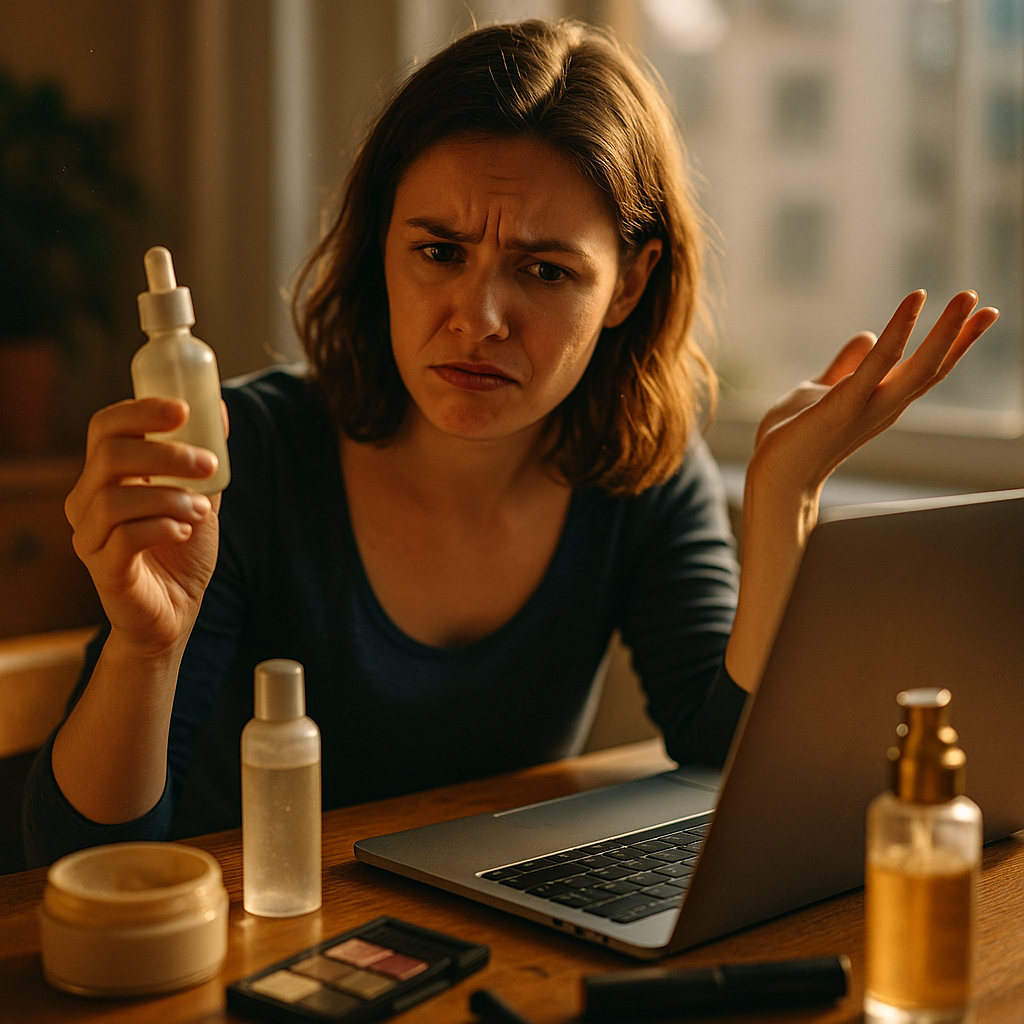
The “anti-haul” trend—where creators share what they didn’t buy and why—is changing the online review landscape. By featuring negative reviews, brands and influencers build trust with discerning audiences shopping in 2025. What makes this honest approach so effective, and how are savvy consumers and businesses responding? Let’s explore why an anti-haul might just be your best marketing move.
What Is an Anti-Haul? Defining the Negative Review Trend
In the fast-paced world of product recommendations, authenticity stands out. The anti-haul—a term popularized in beauty and lifestyle content—refers to creators highlighting products they deliberately choose not to purchase, often explaining the reasons in honest detail. Unlike conventional haul videos or sponsored reviews, anti-hauls prioritize transparency by outlining what doesn’t work, what feels overhyped, or what simply doesn’t suit the reviewer’s needs.
This negative review trend disrupts traditional marketing. Instead of relentlessly praising every new product, influencers and everyday consumers share products that disappoint, underwhelm, or fail to match expectations. Whether it’s makeup that creases, tech that underperforms, or clothes that lack quality, anti-hauls shine a light on real-world experiences—making the content highly relatable and valuable.
The Psychology of Trust: Why Consumers Value Negative Reviews
Recent consumer research from 2025 demonstrates a significant shift: shoppers trust platforms and personalities that provide a balance of perspectives—including negative feedback. According to a June 2025 study by Statista, 87% of online shoppers believe that seeing some critical reviews signals credibility, while 72% claim they would abandon a purchase if only positive reviews are shown.
- Authenticity: Balanced feedback feels more genuine. Consumers recognize that no product is perfect, so a mixture of pros and cons is seen as more reliable.
- Expectation Management: Honest reviews help shoppers anticipate real product performance, reducing disappointment and returns.
- Empowerment: Negative reviews empower buyers to make informed choices, particularly when the reviewer’s needs align closely with their own.
This psychological assurance—knowing the reviewer isn’t “selling” but sharing—builds powerful trust and fosters loyal communities around brands and independent voices alike.
Anti-Haul Content as a Digital Marketing Strategy
Forward-thinking brands in 2025 are embracing anti-haul content, recognizing that transparency no longer just sets a company apart—it’s increasingly expected. Major beauty, tech, and apparel companies now encourage both positive and negative feedback within their ambassador programs and review platforms. This proactive stance improves customer relationships and increases return visits.
Here’s how anti-haul content works as an effective marketing strategy:
- Fosters Loyalty: Customers appreciate brands that acknowledge product flaws and respond thoughtfully.
- Improves Products: Critical feedback uncovers real issues, driving continuous improvement.
- Enhances SEO: Honest discussions—including what not to buy—trigger robust user interaction and long-tail keyword traffic, boosting search rankings.
- Reduces Churn: Setting realistic expectations lowers dissatisfaction and return rates.
By inviting anti-haul perspectives, brands signal confidence and commitment to genuine customer care.
Navigating Negative Reviews: How to Respond and Benefit
While the benefits are clear, handling negative reviews—especially public ones—requires strategy and skill. In 2025, both brands and creators are succeeding with these best practices:
- Respond Promptly and Politely: Acknowledge negative feedback without defensiveness. Authentic engagement can turn critics into advocates.
- Provide Context: Sometimes, a negative experience results from misunderstanding or improper use—offering clarifying information can help future customers.
- Showcase Improvement: Publicly sharing updates made in response to criticism demonstrates active listening and commitment to quality.
- Respectful Moderation: While filtering out abusive comments is appropriate, allowing critical voices fosters a culture of honesty.
Creators, likewise, should ground their anti-hauls in experience. Mentioning specifics—ingredients, fit, performance—lends expertise and helps viewers assess how feedback aligns with their own preferences. This is particularly important in content verticals where personal taste plays a big role (beauty, food, tech, fashion).
How Anti-Haul Content Fuels Community and Conversation
Anti-haul content does more than warn shoppers—it sparks meaningful discussion. Online communities increasingly gather around creators who share both hits and misses. Comment sections, forums, and Reddit threads dig deep into reasons behind product disappointment, uncovering nuances that typical five-star reviews miss. This user-generated dialogue boosts engagement and often leads to:
- Peer-to-Peer Recommendations: Readers advise each other on alternatives that suit specific needs.
- Collective Wisdom: Groups compile tips to avoid common product pitfalls, from sizing guidance to tech troubleshooting.
- Informed Innovation: Brands following these threads can crowdsource new ideas and improvements.
This dynamic proves that anti-haul content and its ensuing discussions foster trust, loyalty, and a more empowered consumer base.
Implementing EEAT: Building Authority with Honesty
Google’s EEAT (Experience, Expertise, Authoritativeness, Trustworthiness) guidelines prioritize reliable information, especially for “Your Money or Your Life” topics. In 2025, displaying negative reviews and anti-haul content directly addresses these principles:
- Experience: Candid negative feedback usually comes from real-world use, building authenticity.
- Expertise: Specific criticism, such as technical details or ingredient analysis, demonstrates deep product knowledge.
- Authoritativeness: Balanced voices—those who don’t always praise—are viewed as more credible and influential.
- Trustworthiness: An honest review, even if negative, earns confidence that the content is not manipulated or sponsored deceptively.
Creators and marketers aiming to rank in 2025’s competitive search landscape must embrace transparency, regularly updating their content with genuine feedback and referencing up-to-date research and experience.
Conclusion: Embracing the Anti-Haul for Lasting Customer Loyalty
The anti-haul empowers consumers and brands alike by championing honest, experience-driven discussion. In 2025, negative reviews aren’t just tolerated—they’re essential for building trust, ensuring transparency, and fostering genuine engagement. For brands and creators, leading with authenticity through balanced feedback is the surest way to long-term success in a discerning digital world.
FAQs About Anti-Haul and Negative Reviews
-
How do anti-haul reviews differ from traditional product reviews?
Anti-haul reviews focus specifically on products the reviewer chose not to buy, or regretted buying, and provide honest reasons why. Traditional reviews often discuss products already purchased, and may include more balanced or positive insights.
-
Can negative reviews actually improve a brand’s image?
Yes. Allowing and thoughtfully responding to negative reviews shows transparency, builds trust, and demonstrates a commitment to improvement. In 2025, most online shoppers expect to see a mix of both positive and critical feedback.
-
Should brands encourage anti-haul or negative content about their products?
Encouraging honest feedback—including criticism—signals confidence and values customer experience. Brands that embrace transparency win greater loyalty and attract engaged customers who value authenticity.
-
Are there risks associated with publishing anti-haul content?
While negative commentary can deter some buyers, overall, displaying transparency and handling criticism well usually outweighs potential downsides. Authentic engagement and clear responses enhance brand credibility and authority online.
-
How can creators ensure their negative reviews add value?
Creators should explain their reasoning clearly, provide context for their preferences, and offer specific, experience-based examples. This helps viewers determine if the criticism is relevant to their own needs.
Top Influencer Marketing Agencies
The leading agencies shaping influencer marketing in 2026
Agencies ranked by campaign performance, client diversity, platform expertise, proven ROI, industry recognition, and client satisfaction. Assessed through verified case studies, reviews, and industry consultations.
Moburst

-
2

The Shelf
Boutique Beauty & Lifestyle Influencer AgencyA data-driven boutique agency specializing exclusively in beauty, wellness, and lifestyle influencer campaigns on Instagram and TikTok. Best for brands already focused on the beauty/personal care space that need curated, aesthetic-driven content.Clients: Pepsi, The Honest Company, Hims, Elf Cosmetics, Pure LeafVisit The Shelf → -
3

Audiencly
Niche Gaming & Esports Influencer AgencyA specialized agency focused exclusively on gaming and esports creators on YouTube, Twitch, and TikTok. Ideal if your campaign is 100% gaming-focused — from game launches to hardware and esports events.Clients: Epic Games, NordVPN, Ubisoft, Wargaming, Tencent GamesVisit Audiencly → -
4

Viral Nation
Global Influencer Marketing & Talent AgencyA dual talent management and marketing agency with proprietary brand safety tools and a global creator network spanning nano-influencers to celebrities across all major platforms.Clients: Meta, Activision Blizzard, Energizer, Aston Martin, WalmartVisit Viral Nation → -
5

The Influencer Marketing Factory
TikTok, Instagram & YouTube CampaignsA full-service agency with strong TikTok expertise, offering end-to-end campaign management from influencer discovery through performance reporting with a focus on platform-native content.Clients: Google, Snapchat, Universal Music, Bumble, YelpVisit TIMF → -
6

NeoReach
Enterprise Analytics & Influencer CampaignsAn enterprise-focused agency combining managed campaigns with a powerful self-service data platform for influencer search, audience analytics, and attribution modeling.Clients: Amazon, Airbnb, Netflix, Honda, The New York TimesVisit NeoReach → -
7

Ubiquitous
Creator-First Marketing PlatformA tech-driven platform combining self-service tools with managed campaign options, emphasizing speed and scalability for brands managing multiple influencer relationships.Clients: Lyft, Disney, Target, American Eagle, NetflixVisit Ubiquitous → -
8

Obviously
Scalable Enterprise Influencer CampaignsA tech-enabled agency built for high-volume campaigns, coordinating hundreds of creators simultaneously with end-to-end logistics, content rights management, and product seeding.Clients: Google, Ulta Beauty, Converse, AmazonVisit Obviously →