


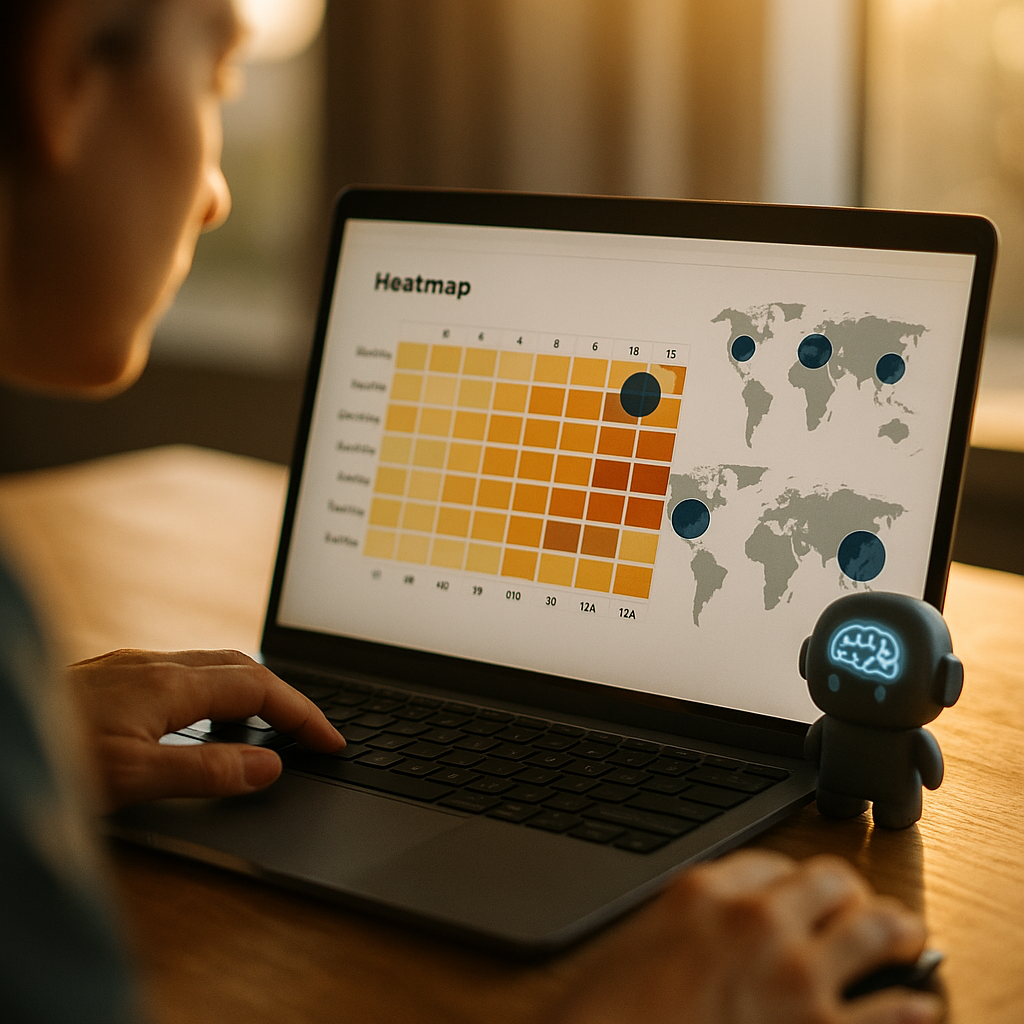
Unlocking the power of AI for optimizing posting times by timezone is transforming digital marketing strategies in 2025. As brands seek higher engagement and conversion, timing social posts accurately by audience location is vital. Discover how AI-driven timing boosts your content’s impact, saves resources, and keeps your messages relevant—are you maximizing your posting potential?
Why Posting Time Matters: The Science of Engagement by Timezone
In today’s overcrowded digital landscape, when you post content is often as important as what you post. Audiences are scattered across the globe, following unique daily routines influenced by geography, culture, and work habits. Studies show that social media posts receive up to 73% more engagement when timed to an audience’s active hours. However, identifying optimal times across timezones manually can be complex, error-prone, and time-consuming. That’s where AI-powered solutions come in.
Without artificial intelligence, marketers rely on broad industry averages or trial-and-error, which leads to missed opportunities. AI analyzes historical data, audience behaviors, and platform trends to pinpoint when your followers log in, engage, and share. This localized timing translates directly to higher reach, stronger relationships, and better ROI.
How AI Analyzes Data to Optimize Posting Times
Understanding AI-based posting time analytics is key to appreciating its value. Modern AI doesn’t just crunch numbers—it learns and adapts as your audience evolves. Using advanced algorithms, AI considers:
- Audience location: Pinpoints geographical clusters and respective timezones.
- Platform usage patterns: Calculates when audience segments are online and most interactive for each channel.
- Content performance trends: Assesses which types of posts resonate best at specific times.
- Holiday and local event recognition: Anticipates time fluctuations due to regional holidays or happenings.
Platforms such as Meta, X, and LinkedIn now allow API integration so data flows seamlessly into AI analytics tools. The AI adapts in real-time, quickly recalculating as user activity shifts. This makes the tool invaluable during special events, trending news, or sudden changes in audience habits—a situation increasingly common in 2025’s dynamic markets.
Choosing the Right AI Tools for Scheduling by Timezone
Selecting the optimal AI social media scheduling tool depends on your audience size, brand goals, and specific channels. Industry leaders like Buffer and Sprout Social have merged AI capabilities with powerful scheduling features, but many emerging platforms now offer sophisticated timezone targeting. When considering your options, look for:
- Real-time timezone detection: AI should dynamically recognize where your audience is based, not just rely on profile information.
- Customizable scheduling suggestions: The best tools recommend posting slots tailored to each segment and content type.
- Seamless integration: Ensure your chosen platform works with your CRM, analytics, and ad platforms.
- Transparent reporting: Top tools provide detailed insight into what times generated the highest engagement and how schedules should evolve.
For instance, advanced solutions in 2025 can schedule a single post for sequential “local prime time” releases across continents—removing the need to duplicate content and ensuring peak relevance. This is especially powerful for global campaigns and time-sensitive updates.
Implementing AI Posting Schedules: Best Practices in 2025
Success with AI-driven content timing hinges on following proven strategies and continuously refining your approach. Start by clearly defining your audience segments and objectives. Next, let the AI gather data for a few weeks to learn interaction patterns before setting posting times automatically. This learning phase is critical for accuracy.
Other best practices include:
- Combine AI insights with human creativity: Test creative variations at recommended times to see what resonates best.
- Continuously monitor results: Use feedback loops to update scheduling and content strategies monthly or as needed.
- Prioritize local relevance: Use timezone scheduling to align with users’ routines and regional trends.
- Avoid over-automation: While AI optimizes timing, human oversight ensures alignment with broader marketing goals.
Crucially, AI-optimized posting doesn’t replace testing; it supercharges it. Use A/B testing to refine your timing further, leveraging AI insight while factoring in new campaigns or audience shifts.
Measuring the Impact: Analytics and Continuous Improvement
After deploying optimized posting schedules, track progress through advanced analytics dashboards. Key performance metrics include:
- Engagement rates: Monitor likes, shares, comments, and click-throughs specific to each scheduled post.
- Geographical engagement heatmaps: Visualize which regions respond best at which times.
- Changes in reach and impressions: Track growth in organic visibility as the schedule aligns with audience habits.
- Conversion rates: Assess bottom-line impact, including sign-ups, sales, and leads generated per time slot.
In 2025, many brands have reported 30-50% increases in average engagement after switching from manual to AI-powered, timezone-aware scheduling. The key is to revisit and refine your strategy quarterly—or anytime you launch into new timezones or expand your audience. With AI learning from every interaction, expect compounding results over time.
Addressing Common Challenges with AI Timezone Scheduling
Adopting an AI posting time strategy isn’t without hurdles. The main challenges marketers face include:
- Data privacy and compliance: Ensure your tools comply with the latest privacy laws, especially when processing location data.
- Over-reliance on automation: AI is powerful, but human guidance is necessary for campaign context or unexpected events.
- Platform differences: Algorithms vary by social network; what works on Instagram may not work on LinkedIn or X.
- Audience unpredictability: Major events or news cycles can shift user routines quickly. AI must adapt in real time.
Stay informed about changes in social platform APIs and privacy standards in 2025. Always have a backup plan in case AI suggestions must be overridden for brand or crisis communications reasons. Combining the speed of AI with human expertise ensures resilience and optimal audience engagement.
FAQs: AI For Optimizing “Posting Times” By Timezone
-
How does AI determine the best posting times for each timezone?
AI analyzes user activity patterns, historical engagement metrics, and location data. It continuously updates its recommendations based on real-time shifts—ensuring your posts reach each timezone at the most active audience windows.
-
Is AI-scheduled posting compatible with all social platforms in 2025?
Most leading tools integrate smoothly with major platforms like Meta, X, LinkedIn, and Instagram. Always check the tool’s compatibility and API update policies for the channels critical to your business.
-
Can I combine AI scheduling with manual posting?
Absolutely. Many brands use AI-generated schedules as a foundation and manually adjust for special events, urgent news, or last-minute campaign tweaks.
-
How long does it take AI to “learn” optimal posting times?
Most tools need two to four weeks of activity tracking to identify clear engagement trends, but accuracy improves as more data flows in.
-
Are there risks with automating posting across multiple timezones?
Potential risks include data privacy concerns and over-reliance on automation. Human monitoring helps address context-specific nuances and compliance.
AI for optimizing posting times by timezone brings game-changing precision and engagement to digital marketing in 2025. By leveraging AI analytics and timezone targeting, brands ensure their content always reaches audiences at peak moments—combining efficiency, personalization, and measurable ROI. Embrace AI scheduling now, and watch your audience engagement soar to new heights.
Top Influencer Marketing Agencies
The leading agencies shaping influencer marketing in 2026
Agencies ranked by campaign performance, client diversity, platform expertise, proven ROI, industry recognition, and client satisfaction. Assessed through verified case studies, reviews, and industry consultations.
Moburst

-
2

The Shelf
Boutique Beauty & Lifestyle Influencer AgencyA data-driven boutique agency specializing exclusively in beauty, wellness, and lifestyle influencer campaigns on Instagram and TikTok. Best for brands already focused on the beauty/personal care space that need curated, aesthetic-driven content.Clients: Pepsi, The Honest Company, Hims, Elf Cosmetics, Pure LeafVisit The Shelf → -
3

Audiencly
Niche Gaming & Esports Influencer AgencyA specialized agency focused exclusively on gaming and esports creators on YouTube, Twitch, and TikTok. Ideal if your campaign is 100% gaming-focused — from game launches to hardware and esports events.Clients: Epic Games, NordVPN, Ubisoft, Wargaming, Tencent GamesVisit Audiencly → -
4

Viral Nation
Global Influencer Marketing & Talent AgencyA dual talent management and marketing agency with proprietary brand safety tools and a global creator network spanning nano-influencers to celebrities across all major platforms.Clients: Meta, Activision Blizzard, Energizer, Aston Martin, WalmartVisit Viral Nation → -
5

The Influencer Marketing Factory
TikTok, Instagram & YouTube CampaignsA full-service agency with strong TikTok expertise, offering end-to-end campaign management from influencer discovery through performance reporting with a focus on platform-native content.Clients: Google, Snapchat, Universal Music, Bumble, YelpVisit TIMF → -
6

NeoReach
Enterprise Analytics & Influencer CampaignsAn enterprise-focused agency combining managed campaigns with a powerful self-service data platform for influencer search, audience analytics, and attribution modeling.Clients: Amazon, Airbnb, Netflix, Honda, The New York TimesVisit NeoReach → -
7

Ubiquitous
Creator-First Marketing PlatformA tech-driven platform combining self-service tools with managed campaign options, emphasizing speed and scalability for brands managing multiple influencer relationships.Clients: Lyft, Disney, Target, American Eagle, NetflixVisit Ubiquitous → -
8

Obviously
Scalable Enterprise Influencer CampaignsA tech-enabled agency built for high-volume campaigns, coordinating hundreds of creators simultaneously with end-to-end logistics, content rights management, and product seeding.Clients: Google, Ulta Beauty, Converse, AmazonVisit Obviously →