


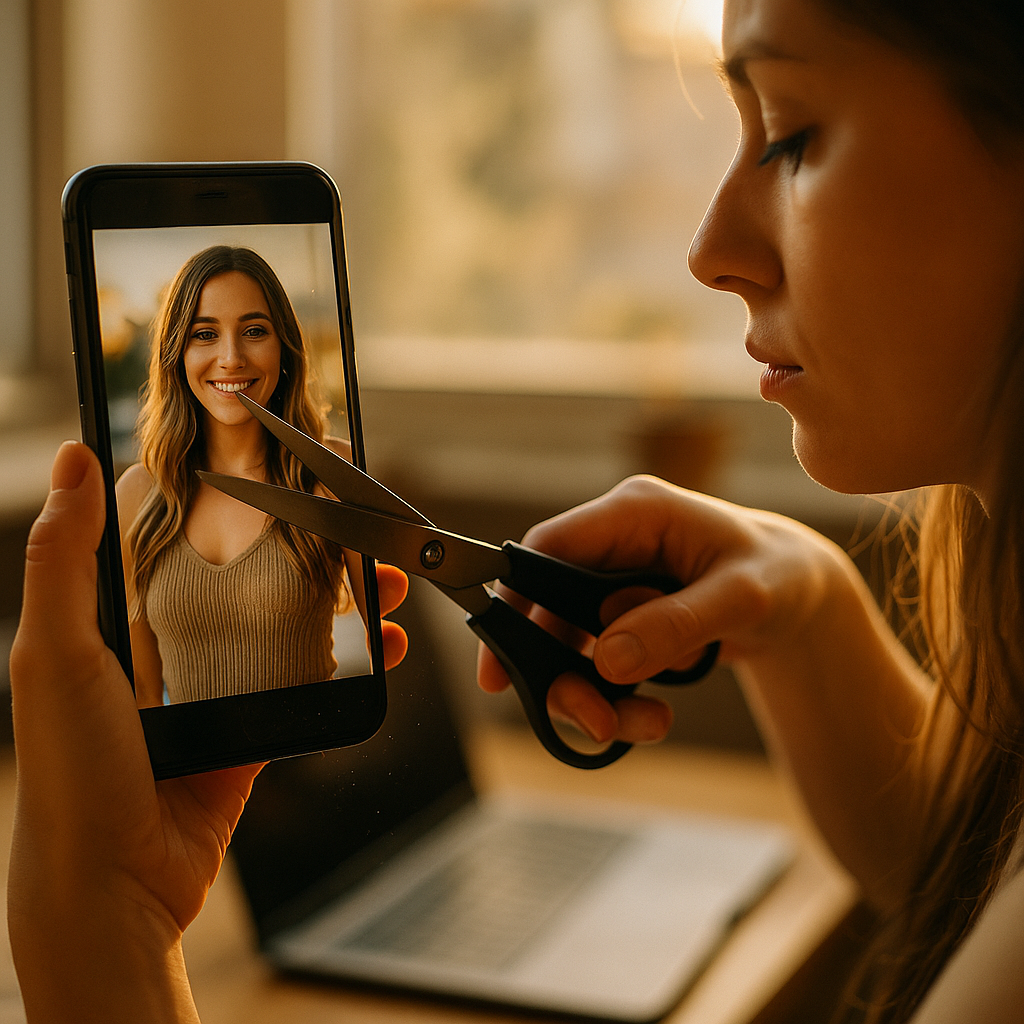
Influencer content lasts longer than most reputations, and that mismatch creates real legal and ethical pressure. Navigating Right To Be Forgotten Requests Within Influencer Archives means balancing privacy rights, platform policies, contracts, and your audience’s expectations. In 2025, brands, creators, and publishers face more takedown demands than ever—and the wrong response can trigger fines, backlash, or lost trust. Here’s how to handle it well—before the next request arrives.
Right to be forgotten law for influencers: what it covers and what it doesn’t
The “right to be forgotten” typically refers to the right to request removal or de-indexing of personal information that is outdated, inaccurate, excessive, or no longer necessary. In practice, it often plays out under data protection frameworks (such as the EU/UK “right to erasure”) and search de-indexing mechanisms, plus other privacy laws that can apply depending on where the requester and the content are located.
Key point: many influencer archives are not just “content”; they are personal data processing—names, images, handles, location tags, health disclosures, relationship details, DMs/screenshots, and metadata. If you control the archive (your site, newsletter database, CRM, media kit, or a managed channel), you likely act as a data controller for at least part of it.
What requests can target:
- Creator-owned channels (YouTube, TikTok, Instagram, podcasts) where the creator can edit or delete posts
- Owned media (blogs, link-in-bio pages, newsletters, merch stores)
- Brand assets (campaign landing pages, paid ads, whitelisting/dark posts, case studies)
- Third-party archives (news sites, gossip forums, data brokers, screenshot accounts)
- Search results where de-indexing may be sought even if the page stays online
What it usually does not guarantee:
- Automatic deletion of lawful content that serves a strong public interest
- Removal of content you do not control (though you can request it and document efforts)
- Erasure from every copy, backup, or re-upload by third parties, especially where exceptions apply
Follow-up question you may have: “If someone appears in a creator’s video, can they demand it be removed?” Sometimes. If they are identifiable and the inclusion is unnecessary or harmful—and there is no overriding lawful basis—removal or editing can be warranted. But public-interest, journalistic, or artistic-expression exceptions may limit erasure depending on jurisdiction and context.
Influencer archive compliance: map where the data lives before you decide
Most mishandled right-to-be-forgotten cases fail at the same step: nobody can quickly identify all the places a person appears. Influencer ecosystems sprawl across platforms, ad accounts, affiliate dashboards, podcast hosts, and brand repositories. In 2025, treat an influencer archive like a data inventory problem, not a “delete a post” problem.
Build a practical content-and-data map:
- Owned properties: websites, blogs, email lists, SMS lists, community platforms, storefronts
- Platform properties: channels, reels/shorts, stories highlights, pinned posts, live recordings
- Brand-controlled copies: paid media libraries, UGC vaults, influencer portals, internal shared drives
- Syndication points: republished articles, embedded videos, podcast directories, press pages
- Search exposure: top queries, featured snippets, image search, cached previews
Capture context as you map: where the person appears, what personal data is involved (name, face, handle, contact details), how it was collected, what consent or contract covers it, and what “lawful basis” you relied on (consent, contract necessity, legitimate interests, etc.).
Answering the likely next question: “Do we need to delete backups?” Most frameworks allow retention of limited backups for security and business continuity, but you should restrict access, prevent restoration into active systems, and document retention rules. If you restore, the deletion request should still apply.
Handling data subject requests: verify, respond, and document without over-collecting
A right-to-be-forgotten request is often part legal notice, part reputation crisis. A strong workflow protects the requester’s rights and your organization’s risk posture. Over-collecting identity data to “verify” the person can create new compliance issues, so keep verification proportional.
Use a repeatable intake process:
- Log the request with date received, channels affected, and the exact content URLs or asset IDs
- Confirm identity using minimal data (for example, reply from the same email used in the collaboration, or a platform DM from the verified handle). Request additional proof only if necessary.
- Clarify scope by asking what outcome they seek: deletion, anonymization/blur, de-indexing, untagging, caption edits, comment removal, or removal from paid ads
- Acknowledge timelines and next steps, including what you can and cannot control
- Document decisions and legal basis for action or refusal, plus evidence of attempts to contact third parties
Decision criteria that align with EEAT-friendly practice:
- Accuracy: is the information wrong, misleading, or lacking context?
- Necessity: do you need to keep the personal data to meet a contract, legal obligation, or legitimate operational need?
- Harm: does continued availability create disproportionate risk (doxxing, stalking, medical privacy, safety concerns)?
- Public interest: is there a strong reason to keep it accessible (consumer protection, fraud reporting, significant public role)?
- Age and relevance: is the content outdated, or does it remain materially relevant?
Practical tip: Separate “platform deletion” from “search de-indexing.” Even if you cannot delete an old repost, you may help the requester pursue de-indexing, and you can remove your own copies and stop further amplification.
What if you must refuse? Provide a clear, respectful explanation tied to an applicable exception (such as legal claims defense, contractual necessity, or public-interest grounds), and explain appeal routes (platform tools, regulators, or internal escalation paths), without threatening language.
Privacy rights vs public interest: balancing tests for creators, brands, and publishers
Influencer archives sit at the intersection of speech and privacy. The best responses show you can balance rights thoughtfully rather than defaulting to “no” or “delete everything.” That balancing is central to lawful handling and to audience trust.
Situations where erasure is often appropriate:
- Non-consensual exposure (especially of minors, addresses, private contact info, or intimate images)
- Safety risks such as stalking, harassment, domestic violence concerns, or credible threats
- Medical or sensitive data shared casually that now creates disproportionate harm
- Former employees/contractors whose personal data remains in public-facing “team” pages without a current purpose
- Outdated allegations that are no longer accurate and lack current relevance
Situations where you may retain content (fully or partially):
- Consumer protection (documenting a proven scam or serious misconduct) when retention is proportionate and well-sourced
- Legal obligations like accounting records, tax documentation, or dispute preservation
- Editorial integrity when deleting would materially distort a record, but redaction can reduce harm
Use “least intrusive” solutions: blur a face, remove a tag, replace a name with initials, cut a segment, mute a name in captions, remove location metadata, disable embedding, or stop indexing via technical controls. These often meet privacy goals while preserving legitimate interests.
Answering the follow-up: “Does public posting equal consent forever?” No. Consent can be withdrawn in many contexts, and even when consent is not the legal basis, you still must ensure processing remains necessary and proportionate. Public availability is not a blanket permission slip.
Content removal and de-indexing strategy: technical steps that actually work in 2025
When you decide to act, execution matters. Partial removals that leave mirrors, thumbnails, or cached previews can prolong harm and make your response look performative. Build a playbook that covers platforms, owned sites, and search visibility.
On creator and brand channels:
- Delete or edit the original post where possible; consider replacing with an updated cut rather than leaving gaps that invite re-uploads
- Remove tags and mentions that keep the requester discoverable
- Update captions and transcripts to remove unnecessary identifiers
- Disable or moderate comments when the harm is in user-generated replies rather than the post itself
- Stop paid amplification immediately for any content under dispute, and remove it from ad libraries if required
On owned websites and newsletters:
- Remove or anonymize personal data in articles, image alt text, filenames, and metadata
- Prevent re-indexing by ensuring removed pages return the correct status (not a “soft” removal) and that internal links no longer point to them
- Audit embeds that continue to display third-party content even after your page is edited
Search and caching considerations:
- Request cache updates/removals via the relevant search engine tools once the source is updated
- De-indexing requests may be appropriate when removal is not possible but results are disproportionate or outdated
- Image search often lags; remove or replace the underlying image, and ensure the hosting URL no longer serves it
Important nuance: Deleting a post can sometimes increase attention. Where appropriate, pair removal with a low-drama communications stance: confirm you addressed a privacy request, avoid repeating the sensitive details, and do not invite “investigations” from the audience.
Contract and governance for influencer records: prevent disputes before they start
Strong governance reduces takedown chaos. Influencers, brands, and agencies should align contracts, internal policies, and vendor controls so privacy requests can be handled quickly and consistently.
Clauses and policy elements to implement:
- Clear content ownership and control: who can edit/delete, and what happens when a collaboration ends
- Retention limits: define how long campaign assets, whitelisted ads, and case studies remain live
- Re-use permissions: specify whether content can be reused, where, and for how long; include rules for sensitive contexts
- Takedown workflow: a shared escalation path between brand, agency, and creator, including emergency safety removals
- Processor/vendor terms: ensure influencer platforms, UGC tools, and analytics vendors support deletion or suppression requests
- Role-based access: limit who can pull old assets, export lists, or re-publish archived materials
Operational checklist for teams:
- Assign an owner for privacy requests (legal, privacy lead, or trained ops manager)
- Create a single intake channel (email form or portal) to avoid missed messages across DMs
- Maintain an archive index with asset IDs, campaign names, and where each asset is stored
- Train staff on sensitive-data handling and how to avoid “shadow copies” in decks and pitches
Follow-up question: “Should we keep a record of the request if we delete the data?” Yes—retain a minimal compliance log (date, request type, action taken) without storing unnecessary personal details. This supports accountability while respecting minimization principles.
FAQs about navigating right to be forgotten requests in influencer archives
-
Is the right to be forgotten the same as deleting a post?
No. It can include deletion, anonymization, or de-indexing, and it may apply to databases, newsletters, transcripts, and metadata—not just the visible post.
-
Can someone force an influencer to remove content from every repost account?
Usually not directly, because the influencer may not control third-party accounts. However, you can pursue platform reporting, send removal requests, and reduce discoverability through edits and de-indexing where available.
-
What if the content is part of a paid campaign that’s still running?
Pause amplification immediately while you assess. Paid distribution increases risk and may change the proportionality analysis. If removal is justified, ensure ads, whitelisted posts, and audience-targeted variants are also stopped.
-
Do brands have obligations if the influencer posted on their own channel?
Often yes, at least contractually and reputationally. Brands may also control copies (ad libraries, reposts, landing pages) and should coordinate a consistent response, especially where the brand requested the content.
-
How do we handle requests involving minors?
Escalate immediately and prioritize safety. Remove identifying details quickly, consider blurring or full removal, and restrict re-uploads. Minors’ privacy interests are typically given significant weight.
-
What evidence should we keep after actioning a request?
Keep a minimal audit trail: the request date, what assets were affected, what actions were taken, and confirmation steps. Avoid storing extra IDs or copies of the removed content unless needed for legal defense.
Right-to-be-forgotten demands are not edge cases in 2025; they are routine governance for influencer ecosystems. Treat each request as a structured privacy assessment: map where the person appears, verify carefully, weigh harm against public interest, and apply the least intrusive fix that works. When you align contracts, technical controls, and documentation, you respond faster, reduce conflict, and protect both people and brands.
Top Influencer Marketing Agencies
The leading agencies shaping influencer marketing in 2026
Agencies ranked by campaign performance, client diversity, platform expertise, proven ROI, industry recognition, and client satisfaction. Assessed through verified case studies, reviews, and industry consultations.
Moburst

-
2

The Shelf
Boutique Beauty & Lifestyle Influencer AgencyA data-driven boutique agency specializing exclusively in beauty, wellness, and lifestyle influencer campaigns on Instagram and TikTok. Best for brands already focused on the beauty/personal care space that need curated, aesthetic-driven content.Clients: Pepsi, The Honest Company, Hims, Elf Cosmetics, Pure LeafVisit The Shelf → -
3

Audiencly
Niche Gaming & Esports Influencer AgencyA specialized agency focused exclusively on gaming and esports creators on YouTube, Twitch, and TikTok. Ideal if your campaign is 100% gaming-focused — from game launches to hardware and esports events.Clients: Epic Games, NordVPN, Ubisoft, Wargaming, Tencent GamesVisit Audiencly → -
4

Viral Nation
Global Influencer Marketing & Talent AgencyA dual talent management and marketing agency with proprietary brand safety tools and a global creator network spanning nano-influencers to celebrities across all major platforms.Clients: Meta, Activision Blizzard, Energizer, Aston Martin, WalmartVisit Viral Nation → -
5

The Influencer Marketing Factory
TikTok, Instagram & YouTube CampaignsA full-service agency with strong TikTok expertise, offering end-to-end campaign management from influencer discovery through performance reporting with a focus on platform-native content.Clients: Google, Snapchat, Universal Music, Bumble, YelpVisit TIMF → -
6

NeoReach
Enterprise Analytics & Influencer CampaignsAn enterprise-focused agency combining managed campaigns with a powerful self-service data platform for influencer search, audience analytics, and attribution modeling.Clients: Amazon, Airbnb, Netflix, Honda, The New York TimesVisit NeoReach → -
7

Ubiquitous
Creator-First Marketing PlatformA tech-driven platform combining self-service tools with managed campaign options, emphasizing speed and scalability for brands managing multiple influencer relationships.Clients: Lyft, Disney, Target, American Eagle, NetflixVisit Ubiquitous → -
8

Obviously
Scalable Enterprise Influencer CampaignsA tech-enabled agency built for high-volume campaigns, coordinating hundreds of creators simultaneously with end-to-end logistics, content rights management, and product seeding.Clients: Google, Ulta Beauty, Converse, AmazonVisit Obviously →