


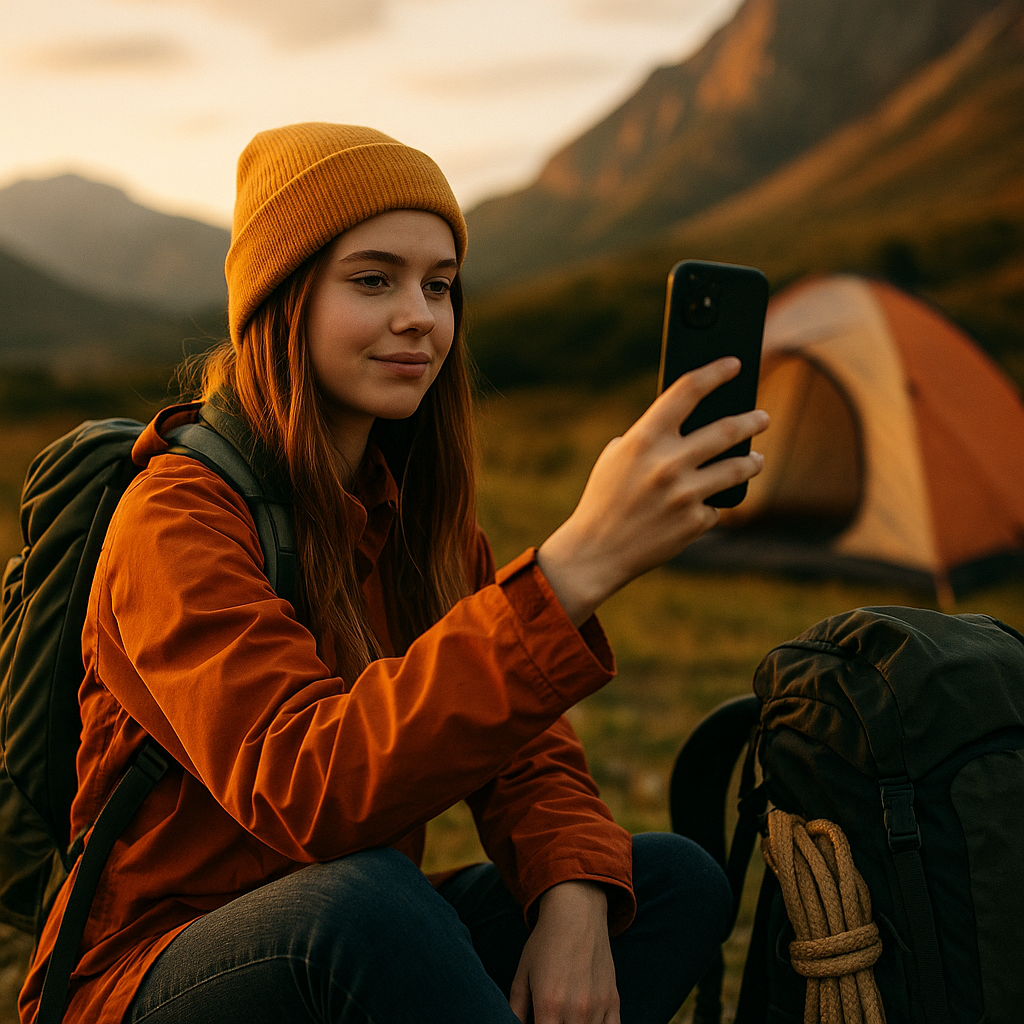
Case Study: How A Legacy Outdoor Brand Successfully Targeted Gen Z is more than a marketing headline in 2025; it’s a blueprint for staying relevant when culture, commerce, and community move fast. This article breaks down the exact strategy a heritage outdoor company used to win younger customers without losing loyalists—product, storytelling, creators, and retail execution. The surprising lever? A shift in meaning, not messaging—keep reading.
Gen Z outdoor marketing: The challenge legacy brands faced
Legacy outdoor brands often start with two advantages: credibility built through decades of real-world use and a product line proven in harsh conditions. In 2025, those strengths can also become friction. Gen Z shoppers frequently associate “heritage” with “expensive,” “exclusive,” or “out of touch,” even when the gear is excellent.
The brand in this case study—an established outdoor label with a strong reputation in hiking and technical outerwear—saw a clear pattern in its data: older segments remained stable, while first-time buyers under 28 under-indexed. Awareness wasn’t the problem; conversion and repeat purchase were.
Internal customer interviews uncovered three barriers:
- Relevance gap: Gen Z wanted outdoor gear that fits daily life (campus, city, festivals) without signaling “I’m trying too hard.”
- Trust gap: They trusted peer creators more than brand ads and wanted proof of real performance and values.
- Access gap: High prices and confusing technical jargon reduced trial, especially for new outdoor participants.
The team also anticipated a follow-up question leadership always asks: “Do we need to become a streetwear brand?” The answer was no. The goal wasn’t to mimic Gen Z aesthetics; it was to align the brand’s proven utility with Gen Z’s expectations for identity, transparency, and participation.
Brand repositioning for Gen Z: A clearer promise without losing heritage
The turnaround began with repositioning—small enough to protect the brand, bold enough to matter. Instead of chasing every youth trend, the company re-articulated its purpose as gear that enables everyday adventure, grounded in performance and responsibility.
Three moves made the repositioning credible:
- Plain-language product story: The brand replaced technical copy like “3-layer membrane with microporous structure” with benefits Gen Z could evaluate quickly: “stays dry in heavy rain, packs small, vents fast.” Technical detail still existed, but it moved into expandable content and spec tabs.
- Values made specific: Instead of broad sustainability claims, the brand published an updated materials and repairs policy and explained what it would not claim. Gen Z skepticism is often triggered by vague language; specificity reduced doubt.
- Identity shift from “elite outdoors” to “inclusive outdoors”: Visuals and examples expanded beyond summit shots to everyday contexts—bike commuting, urban trails, and “first hike” experiences. That kept the brand’s outdoor DNA while widening the entry point.
To answer the reader’s likely next question—“How do you know repositioning worked?”—the brand set three leading indicators before launching campaigns: higher product-page engagement on mobile, increased sign-ups from under-28 audiences, and an improved ratio of organic saves/shares to paid impressions. Those are early signals of relevance before revenue catches up.
Influencer strategy for Gen Z: Creator partnerships built on use, not hype
The brand moved from one-off sponsored posts to a creator system designed for credibility and repetition. Gen Z tends to reward consistency: the same creator using the same jacket across different days, locations, and weather conditions reads as real.
The new creator program had four components:
- Field-tested creator roster: Instead of only partnering with large lifestyle influencers, the brand prioritized “micro-experts” (trail runners, climbing coaches, campus outing leaders) who could explain gear choices in plain terms.
- Performance proof content: Creators produced short “use cases” that answered practical questions: How warm is it while waiting for transit? Does it squeak? How does it layer? Can you bike in it? This reduced returns and increased confidence.
- Co-owned formats: The brand supplied guidelines (safety, claims compliance, disclosure), but creators owned tone and filming style. That balance protected trust and legal clarity.
- Longer contracts with learning loops: Partnerships ran for seasons, not weeks. The team reviewed top comments and DMs monthly, then used them to update product education, FAQs, and size guidance.
Importantly, the brand avoided the most common pitfall: forcing creators to sound like the brand. Instead, it designed content around the questions Gen Z asks right before purchase—fit, styling, durability, and whether the brand’s values are real.
One practical tactic worth replicating: the company built “creator gear libraries” in key regions so partners could borrow, test, and swap products without constant shipping. That reduced costs, increased content frequency, and improved authenticity because creators chose what they would actually wear.
Social commerce and TikTok strategy: From attention to conversion
Gen Z discovery often happens in-feed, but conversion still depends on frictionless shopping and strong reassurance. The brand treated short-form video as the top of a measurable funnel, not a standalone creative channel.
Key execution changes included:
- Search-first short-form: Videos were titled and structured to match real queries: “best rain jacket for college,” “how to layer for 40°F,” “jacket that fits over a hoodie,” and “washing waterproof shells.” This approach supported social discovery and traditional search visibility.
- Product page alignment: Every viral-capable video mapped to a landing page with the same language, the same visuals, and a “what to expect” fit guide. Misalignment between social promise and product reality is a major conversion killer.
- Mobile-first reassurance: The brand added quick-hit elements above the fold: repair policy, warranty summary, shipping/returns clarity, and “most common question” callouts pulled from creator comments.
- UGC as proof, not decoration: User videos were embedded on product pages where they answered specific objections (noise, breathability, pocket layout). The goal was to reduce uncertainty at the moment of choice.
The brand also built a “care and longevity” content series that served two purposes: it increased organic search reach and supported EEAT by demonstrating expertise in materials and maintenance. In 2025, helpful content is a conversion asset when it reduces post-purchase anxiety and returns.
If you’re wondering how the team prevented discount-driven growth, the answer was controlled offers. It tested limited student and first-time buyer perks tied to repairs and accessories, not deep price cuts on core hero products. That protected long-term positioning while still improving access.
Sustainability and authenticity: Turning repair, resale, and transparency into growth
Gen Z doesn’t just ask whether a product is “sustainable.” They ask what the brand is doing, how it measures impact, and whether it will stand behind the product after purchase. The company leaned into its strongest proof point: durability.
It launched a three-part authenticity program:
- Repair-first promise: The brand expanded repair options and made them easy to find. It published turnaround times, typical repair examples, and clear eligibility rules. Transparency increased trust more than aspirational statements.
- Resale partnership: Rather than treating resale as competition, it built a branded pathway to trade-in and certified pre-owned gear. This lowered the cost of entry for Gen Z and kept products in the brand ecosystem.
- Materials disclosure with boundaries: The company shared what it knew (traceable inputs, certifications, testing standards) and stated where data was still improving. That candid approach reduced “greenwashing” accusations and aligned with EEAT expectations.
To make values tangible, the brand connected sustainability to personal benefit: “Your jacket stays in use longer, costs less per wear, and is easier to fix.” This reframed responsibility as smart ownership, not moral pressure.
Answering a common executive concern—“Will resale cannibalize new sales?”—the brand monitored cohorts. It found that certified resale introduced new customers who later upgraded to new products once fit and trust were established. Resale became a trial channel.
Retail experience and community building: Meeting Gen Z where they actually go
Digital drove discovery, but physical experiences drove belonging. The brand redesigned retail and community initiatives to feel less like a store visit and more like joining a local outdoor network.
Notable changes:
- Staff as educators: Associates were trained to explain tradeoffs (warmth vs. breathability, weight vs. durability) without jargon. The brand created quick in-store comparison cards and a “find your layer system” tool.
- Try-on moments that mirror real life: Stores added “layer bars” with common clothing items (hoodies, fleece weights) so shoppers could test fit realistically. This reduced sizing mistakes and increased confidence.
- Community micro-events: Instead of big annual activations, it hosted frequent low-pressure events: beginner hikes, urban trail cleanups, campus partner walks, and repair clinics. The goal was repeat touchpoints, not spectacle.
- Partnerships with credible local groups: Collaborations with outdoor clubs and community leaders created trust transfer. The brand showed up as a participant, not a sponsor demanding attention.
Crucially, these efforts were integrated with CRM. Event sign-ups connected to personalized follow-ups like “how to care for your shell” and “packing list for your first overnight.” That’s helpful content in action, and it supports conversion without aggressive selling.
FAQs
What makes Gen Z different for outdoor brands in 2025?
Gen Z tends to discover brands through creators and search-driven short-form video, then validates choices through peer proof, transparent policies, and clear value. They respond to specific claims, easy-to-understand benefits, and visible follow-through like repairs and resale.
Do legacy outdoor brands need to change their products to appeal to Gen Z?
Not always. Many legacy products already match Gen Z needs (durability, versatility). The bigger lift is often in positioning, fit guidance, accessible entry points, and modern content that answers real-life use cases. Product tweaks help most when they improve comfort, fit inclusivity, or everyday styling.
How can a brand avoid looking inauthentic when using influencers?
Choose creators who already live the category, prioritize repeated real-world use, and let creators keep their voice. Tie content to practical questions (fit, layering, care) and ensure product pages match what creators promise. Long-term partnerships usually feel more credible than one-off posts.
What KPIs best show that Gen Z targeting is working?
Look beyond sales alone: under-28 new customer growth, repeat purchase rate by cohort, organic saves/shares, product-page engagement on mobile, returns by reason code, email/SMS sign-ups from social, and event-to-purchase conversion for community programs.
Is sustainability messaging enough to win Gen Z?
No. Sustainability claims need proof and usability. Repair programs, resale options, and transparent policy pages build more trust than broad statements. The most effective approach connects responsibility to personal value: longevity, lower cost per wear, and reliable support.
How can brands keep premium positioning while improving access?
Use controlled access points like certified resale, trade-in credit, student verification perks on accessories or services, and financing options—while protecting hero products from constant discounting. Pair access with education so buyers feel confident, reducing returns and churn.
What is the single biggest takeaway from this case study?
Gen Z adoption accelerated when the brand shifted from broadcasting identity to enabling participation—through creator proof, plain-language education, transparent policies, and community experiences that welcomed beginners without diluting technical credibility.
In 2025, the strongest path for a legacy outdoor brand to win Gen Z is not a sudden reinvention; it’s a disciplined translation of heritage into modern proof. This case study shows that clear positioning, creator-led education, frictionless social-to-site journeys, and repair/resale credibility outperform trend-chasing. The takeaway is simple: earn trust through usefulness, then reinforce it through community.
Top Influencer Marketing Agencies
The leading agencies shaping influencer marketing in 2026
Agencies ranked by campaign performance, client diversity, platform expertise, proven ROI, industry recognition, and client satisfaction. Assessed through verified case studies, reviews, and industry consultations.
Moburst

-
2

The Shelf
Boutique Beauty & Lifestyle Influencer AgencyA data-driven boutique agency specializing exclusively in beauty, wellness, and lifestyle influencer campaigns on Instagram and TikTok. Best for brands already focused on the beauty/personal care space that need curated, aesthetic-driven content.Clients: Pepsi, The Honest Company, Hims, Elf Cosmetics, Pure LeafVisit The Shelf → -
3

Audiencly
Niche Gaming & Esports Influencer AgencyA specialized agency focused exclusively on gaming and esports creators on YouTube, Twitch, and TikTok. Ideal if your campaign is 100% gaming-focused — from game launches to hardware and esports events.Clients: Epic Games, NordVPN, Ubisoft, Wargaming, Tencent GamesVisit Audiencly → -
4

Viral Nation
Global Influencer Marketing & Talent AgencyA dual talent management and marketing agency with proprietary brand safety tools and a global creator network spanning nano-influencers to celebrities across all major platforms.Clients: Meta, Activision Blizzard, Energizer, Aston Martin, WalmartVisit Viral Nation → -
5

The Influencer Marketing Factory
TikTok, Instagram & YouTube CampaignsA full-service agency with strong TikTok expertise, offering end-to-end campaign management from influencer discovery through performance reporting with a focus on platform-native content.Clients: Google, Snapchat, Universal Music, Bumble, YelpVisit TIMF → -
6

NeoReach
Enterprise Analytics & Influencer CampaignsAn enterprise-focused agency combining managed campaigns with a powerful self-service data platform for influencer search, audience analytics, and attribution modeling.Clients: Amazon, Airbnb, Netflix, Honda, The New York TimesVisit NeoReach → -
7

Ubiquitous
Creator-First Marketing PlatformA tech-driven platform combining self-service tools with managed campaign options, emphasizing speed and scalability for brands managing multiple influencer relationships.Clients: Lyft, Disney, Target, American Eagle, NetflixVisit Ubiquitous → -
8

Obviously
Scalable Enterprise Influencer CampaignsA tech-enabled agency built for high-volume campaigns, coordinating hundreds of creators simultaneously with end-to-end logistics, content rights management, and product seeding.Clients: Google, Ulta Beauty, Converse, AmazonVisit Obviously →