


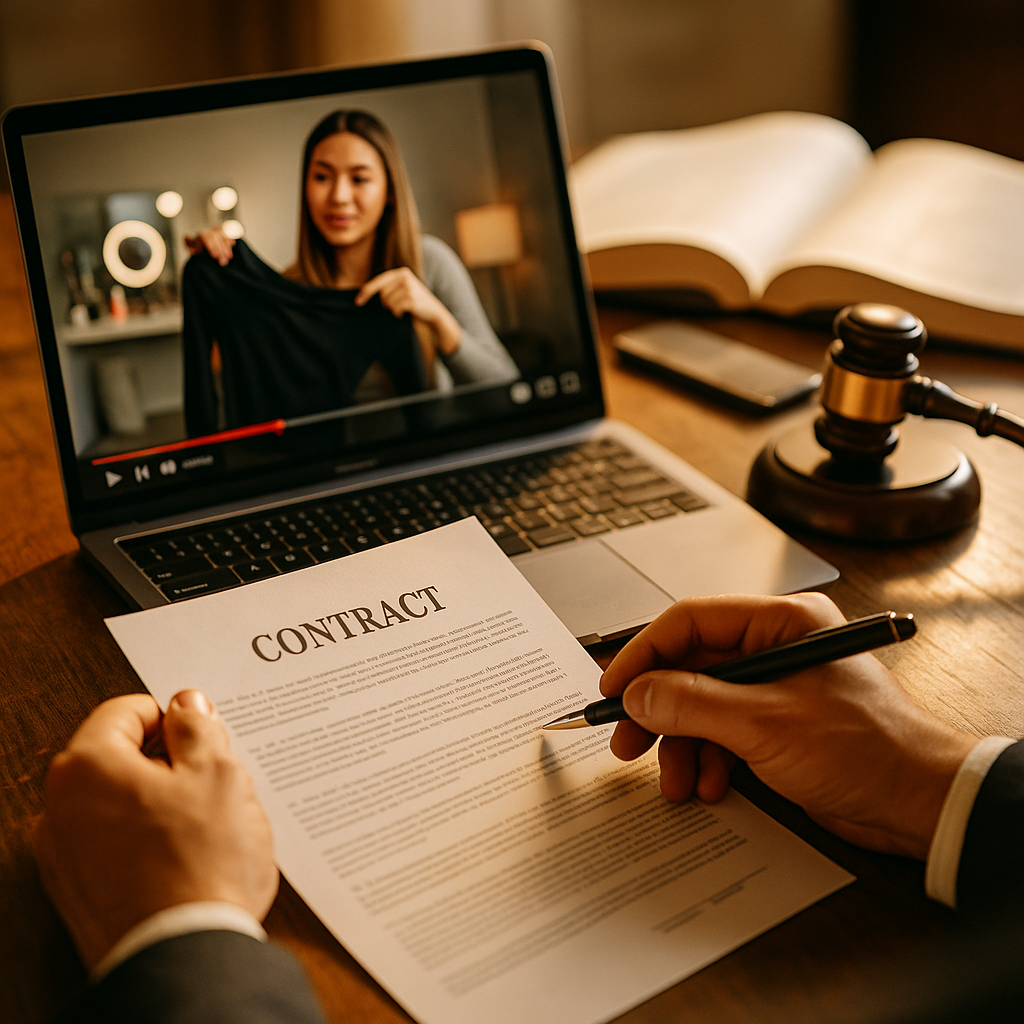
In 2025, brands often want to revive old influencer posts, landing pages, and ad creatives after contracts lapse. Yet search engines may still surface these pages, and re-publishing can trigger legal and platform risks. This guide on Legal Best Practices For Re-Indexing Expired Influencer Marketing Assets explains how to refresh content safely, preserve performance, and respect creator rights. Ready to re-index without legal surprises?
Rights and Ownership Checks (Secondary Keyword: influencer content rights)
Before you re-index anything, confirm you have the legal right to publish it again. “Expired” usually means a license term ended, not that the content became free to use. Many influencer agreements grant limited rights—often restricted by time, territory, media type, and paid usage. Treat re-indexing as a new distribution event, because search visibility is a form of ongoing public display.
Use a documented rights checklist for every asset you want to revive:
- Identify the content type: influencer-owned social posts, brand-owned edits, UGC, testimonials, photos, video, blog copy, or landing pages.
- Locate the governing contract(s): SOW, master services agreement, influencer agreement, release forms, platform-specific whitelisting permissions, and any amendments.
- Confirm the license scope: duration, channels (web, email, paid ads, in-store, out-of-home), territories, and whether SEO indexing is explicitly allowed.
- Check exclusivity and category restrictions: re-indexing can effectively “extend” a campaign in a way that conflicts with exclusivity clauses.
- Validate third-party rights: music, fonts, stock photos, locations, logos, and incidental people in the frame may require separate clearances.
If rights are unclear, treat the asset as unusable until resolved. A fast internal audit is cheaper than responding to a takedown demand, platform complaint, or a dispute over unauthorized commercial use.
Contract and Licensing Updates (Secondary Keyword: influencer contract renewal)
When an asset performs well, the cleanest legal path is to renew the license rather than “quietly” re-index. In 2025, many creators expect clear compensation for extended usage, especially if the content continues driving leads or paid traffic. A short renewal addendum can remove ambiguity and strengthen your compliance posture.
Build renewals around specific re-indexing realities:
- Define the renewed term: set a clear start date and end date, and include an option to extend on pre-agreed rates.
- Clarify organic vs. paid use: re-indexing affects organic discovery; if you also plan to run ads, specify whitelisting, dark posts, and boosts separately.
- Specify modifications: allow cropping, caption edits, translations, accessibility updates, or re-cutting video for new formats—within defined boundaries.
- Include withdrawal scenarios: if the influencer deletes the original post or changes their stance, state whether the brand can continue using archived versions.
- Address moral rights and attribution: in some jurisdictions creators retain rights that limit editing or require credit.
Also align the renewal with your operational plan. If you intend to update the landing page, consolidate URLs, or add new claims, ensure the agreement permits these edits and clarifies whether the influencer must approve the final version.
FTC Disclosures and Platform Rules (Secondary Keyword: FTC influencer disclosure)
Re-indexing old assets can accidentally strip or bury required disclosures. If you republish a campaign page or embed an influencer post on your site, the disclosure must remain clear and unavoidable. In 2025, regulators and platforms continue to expect that audiences can easily understand when content is sponsored.
Apply these disclosure best practices when re-indexing:
- Keep disclosures “above the fold” when practical: place “Ad,” “Sponsored,” or an equivalent disclosure near the endorsement, not hidden in a footer.
- Preserve original disclosure context: if the influencer used platform tools (e.g., paid partnership labels), do not replace them with vague language on a mirrored page.
- Disclose material connections beyond payment: free products, affiliate commissions, gifts, travel, or family/employment relationships can require disclosure.
- Re-check platform advertising policies: if you turn an old post into a new ad, confirm current requirements for political content, targeting, restricted products, and health-related claims.
Answer the likely follow-up question: What if the content is “old” but still accurate? Age does not remove disclosure duties. If the audience can still find it—and indexing makes that more likely—disclosure must still be effective.
Privacy, Data Retention, and Consent (Secondary Keyword: privacy compliance for influencer campaigns)
Re-indexing can resurface personal data you no longer have a lawful reason to display. Influencer assets may include faces of bystanders, usernames, comments, testimonials, or location data. Your landing pages may also collect emails, phone numbers, and device identifiers through analytics tags that were configured under an earlier privacy notice.
Use a privacy-first review before pages go live again:
- Confirm lawful basis and notice alignment: ensure your current privacy policy and cookie disclosures cover the tracking and processing that will occur after re-indexing.
- Minimize personal data in visible content: remove unnecessary surnames, email addresses, order screenshots, or customer support transcripts.
- Check consent for testimonials and UGC: if you plan to re-feature a consumer comment or creator testimonial, confirm the permission is still valid and documented.
- Refresh cookie controls: if the page was built with outdated tag configurations, re-indexing may reintroduce non-compliant tracking.
- Honor deletion and opt-out requests: if an influencer or consumer previously requested removal, re-indexing must not undo that action.
Practical safeguard: keep a “re-index packet” for each URL that includes current privacy notice links, cookie banner behavior, and a screenshot of the consent flow. This helps marketing move quickly while giving legal and compliance a repeatable review process.
SEO and Re-Indexing Workflow With Legal Guardrails (Secondary Keyword: re-indexing SEO compliance)
Legal best practices work better when baked into the technical SEO workflow. Your goal is to control what search engines can see, avoid misleading claims, and prevent accidental republication of unlicensed content.
Use these steps to align SEO execution with legal risk management:
- Inventory assets and URLs: list every page, embedded post, image file, and video, including CDN links and cached variants.
- Decide: renew, replace, or retire: if licensing cannot be renewed, swap the asset for newly licensed content or retire the page.
- Use noindex during review: keep pages in staging or apply noindex until rights, disclosures, and claims are validated.
- Update or remove claims: if the asset contains performance claims (results, before/after, “best,” “guaranteed”), validate substantiation and add qualifiers where needed.
- Control snippets and previews: ensure meta titles/descriptions do not create new implied endorsements or promises beyond what the influencer actually said.
- Implement structured change logs: track what changed, who approved it, and which contract provisions cover the republishing and edits.
- Handle redirects carefully: if you redirect an expired campaign URL to a new page, confirm the new destination does not imply the influencer endorses something they did not review.
Answer the follow-up question: Can we just update the date and re-submit the sitemap? Technically yes, but legally it can be risky if the update creates the impression of a current endorsement. If the partnership ended, consider adding an honest note such as “This content was created as part of a paid partnership” and avoid language that implies an ongoing relationship.
Risk Management, Recordkeeping, and Takedown Readiness (Secondary Keyword: influencer marketing legal risk)
Even with solid contracts, disputes happen. A creator may object to reuse, a platform may change its policies, or a competitor may challenge advertising claims. Plan for fast, documented responses.
Operationalize risk management with the following controls:
- Centralize rights documentation: keep signed agreements, usage scopes, renewal addenda, and releases in a searchable repository tied to the asset ID and URL.
- Create an “expiration calendar”: automate alerts 60–90 days before rights lapse so re-indexing does not happen by accident.
- Set a takedown SLA: define who can approve removals, how quickly pages can be de-indexed, and how you’ll purge CDN caches.
- Maintain proof of compliance: save screenshots of disclosures, page layouts, and ad previews as evidence of how content appeared to users.
- Train marketing and SEO teams: teach what “license term” means, how to spot missing disclosures, and when to escalate to legal.
When a takedown request arrives, respond with a calm, documented process: acknowledge receipt, verify the claim, take interim steps (like temporary noindex), and resolve through renewal, replacement, or permanent removal. This approach reduces escalation and protects brand reputation.
FAQs (Secondary Keyword: expired influencer content FAQ)
Can we re-index an influencer landing page if the campaign ended?
Only if your agreement allows continued web publication and indexing for the intended period, or you renew the license. If the term expired, treat re-indexing as new use and secure written permission or replace the asset.
Is an embedded Instagram or TikTok post “safe” because it’s hosted on the platform?
Not automatically. Embedding can still be a form of display and promotion. You also must keep disclosures clear and follow platform terms for embedding, scraping, and commercial use.
Do we need to pay the influencer again if we want the page indexed in 2025?
If your license period has ended or does not cover ongoing web use, you typically need a renewal and compensation. The right approach is a short addendum that covers term, channels, and allowed edits.
What if the influencer removed their original post?
Check your agreement. Some contracts allow continued use of deliverables even if the influencer deletes the post; others do not. If the contract is silent, negotiate a renewal or remove the content to avoid disputes.
How do we handle outdated claims in old influencer content?
Do not re-index content with claims you cannot substantiate today. Update the page, add context, or retire it. If edits materially change the creator’s message, get approval or use new content instead.
Should we use “noindex” on expired influencer pages we must keep for recordkeeping?
Yes, if you need internal access but not public search visibility. Pair noindex with access controls where appropriate and ensure the page is not linked publicly.
Re-indexing influencer assets in 2025 can restore valuable traffic, but only when you treat it as a controlled legal and technical relaunch. Audit ownership, renew licenses, preserve disclosures, and re-check privacy and claim substantiation before search engines crawl again. Build a repeatable workflow with documentation and takedown readiness. The takeaway: re-index performance, not risk.
Top Influencer Marketing Agencies
The leading agencies shaping influencer marketing in 2026
Agencies ranked by campaign performance, client diversity, platform expertise, proven ROI, industry recognition, and client satisfaction. Assessed through verified case studies, reviews, and industry consultations.
Moburst

-
2

The Shelf
Boutique Beauty & Lifestyle Influencer AgencyA data-driven boutique agency specializing exclusively in beauty, wellness, and lifestyle influencer campaigns on Instagram and TikTok. Best for brands already focused on the beauty/personal care space that need curated, aesthetic-driven content.Clients: Pepsi, The Honest Company, Hims, Elf Cosmetics, Pure LeafVisit The Shelf → -
3

Audiencly
Niche Gaming & Esports Influencer AgencyA specialized agency focused exclusively on gaming and esports creators on YouTube, Twitch, and TikTok. Ideal if your campaign is 100% gaming-focused — from game launches to hardware and esports events.Clients: Epic Games, NordVPN, Ubisoft, Wargaming, Tencent GamesVisit Audiencly → -
4

Viral Nation
Global Influencer Marketing & Talent AgencyA dual talent management and marketing agency with proprietary brand safety tools and a global creator network spanning nano-influencers to celebrities across all major platforms.Clients: Meta, Activision Blizzard, Energizer, Aston Martin, WalmartVisit Viral Nation → -
5

The Influencer Marketing Factory
TikTok, Instagram & YouTube CampaignsA full-service agency with strong TikTok expertise, offering end-to-end campaign management from influencer discovery through performance reporting with a focus on platform-native content.Clients: Google, Snapchat, Universal Music, Bumble, YelpVisit TIMF → -
6

NeoReach
Enterprise Analytics & Influencer CampaignsAn enterprise-focused agency combining managed campaigns with a powerful self-service data platform for influencer search, audience analytics, and attribution modeling.Clients: Amazon, Airbnb, Netflix, Honda, The New York TimesVisit NeoReach → -
7

Ubiquitous
Creator-First Marketing PlatformA tech-driven platform combining self-service tools with managed campaign options, emphasizing speed and scalability for brands managing multiple influencer relationships.Clients: Lyft, Disney, Target, American Eagle, NetflixVisit Ubiquitous → -
8

Obviously
Scalable Enterprise Influencer CampaignsA tech-enabled agency built for high-volume campaigns, coordinating hundreds of creators simultaneously with end-to-end logistics, content rights management, and product seeding.Clients: Google, Ulta Beauty, Converse, AmazonVisit Obviously →