


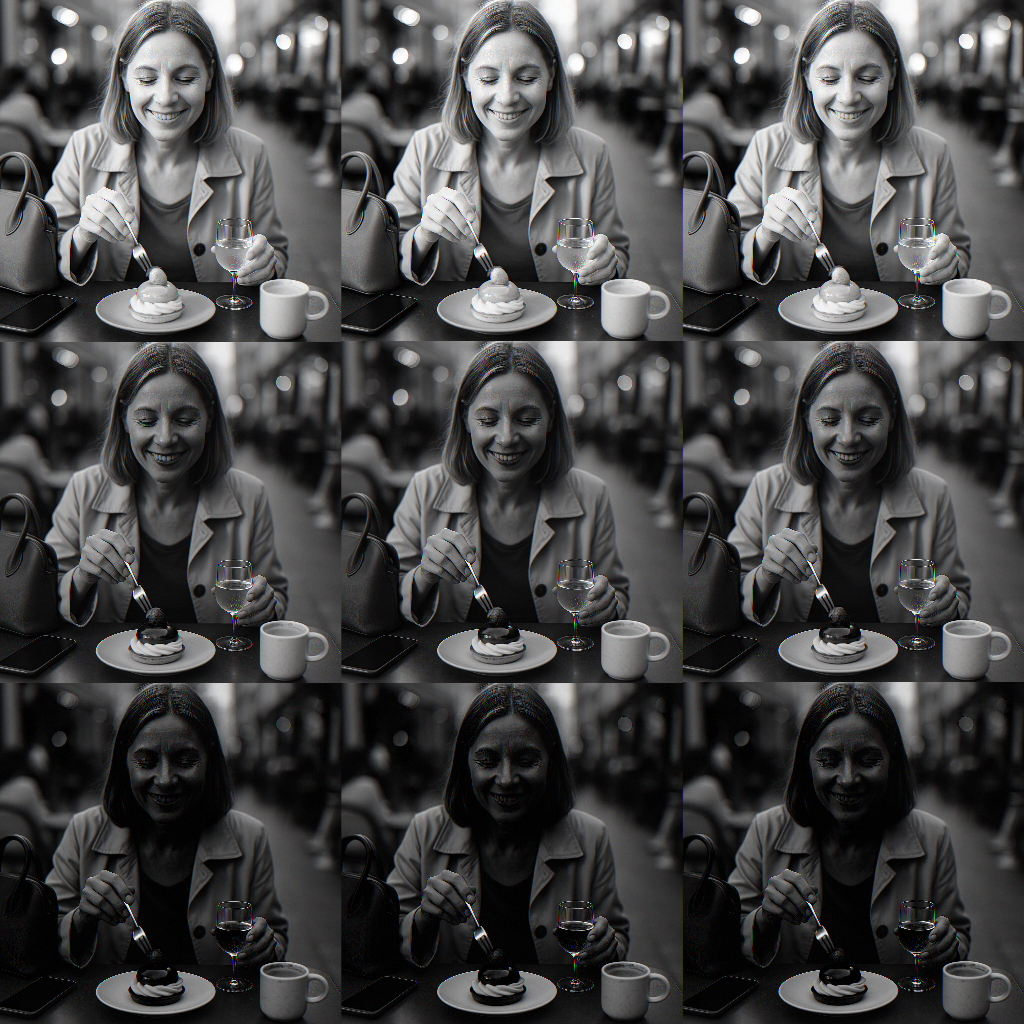
In 2025, consumers are rewriting the rules of indulgence, choosing small, meaningful upgrades over big-ticket splurges. This shift is fueling treatonomics, where affordable luxuries become a practical way to lift mood, signal identity, and reward effort. Small luxury brand goods are benefiting most, because they feel exclusive yet attainable. So what’s driving demand, and how should shoppers and brands respond?
Treatonomics explained: the psychology behind small luxuries
Treatonomics describes a spending pattern where people prioritize modest, high-satisfaction purchases instead of large discretionary buys. It’s less about reckless spending and more about selective indulgence: a premium lip balm, a niche fragrance discovery set, a limited-run leather cardholder, or a small-batch chocolate assortment. These purchases deliver a quick, tangible reward with a controlled budget impact.
Three forces make treatonomics durable rather than fleeting:
- Emotional utility: Small luxuries offer a predictable mood boost. People can “complete” the reward immediately, unlike larger purchases that require saving, waiting, or justification.
- Identity signaling: A small item with strong design codes still communicates taste. A logo-free niche fragrance or artisanal ceramic mug can signal connoisseurship more effectively than overt status symbols.
- Decision simplicity: When households are cautious, a $50–$200 treat is easier to approve than a $2,000–$10,000 discretionary purchase. The mental accounting feels safer.
Many readers ask whether treatonomics is just “impulse buying with a new label.” The difference is intent. Treatonomics purchases are often planned as personal milestones, stress-management tools, or weekly rituals. That intention is why small luxury brand goods, especially those with craft stories and quality cues, win share.
Small luxury brand goods: why “quiet premium” is outperforming
Small luxury brands sit in a sweet spot: they can deliver craftsmanship, scarcity, and brand intimacy without the price and baggage of mega-luxury houses. In 2025, shoppers increasingly want products that feel personal and well-made, not mass-marketed.
Small luxury brand goods tend to outperform because they offer:
- Authenticity at human scale: Founder-led narratives, visible ateliers, and transparent sourcing feel credible. Buyers trust brands that show who made the product and how.
- Limited distribution: Smaller runs and curated stockists create genuine rarity. That scarcity feels earned, not manufactured.
- Design distinction: Independent brands can take risks. A unique scent profile, an unusual clasp, or a signature glaze becomes a recognizable marker.
- Lower “regret risk”: Consumers can try a brand through entry items (travel sizes, minis, small leather goods) before committing to larger purchases.
Shoppers also ask: “If it’s luxury, why is it small?” Luxury today is as much about experience and integrity as it is about price. A small luxury brand can be luxury if it delivers exceptional materials, precision, service, and longevity. In fact, the best independents often obsess over quality because reputation is their moat.
Affordable luxury trends 2025: categories seeing the strongest demand
In 2025, treatonomics is reshaping category performance. Consumers want items that feel special but remain defensible in a budget review. These categories align well with that mindset because they offer high sensory payoff or daily-use value.
Fragrance and personal scent are top performers because the perceived transformation is immediate. A niche eau de parfum, hair perfume, or oil rollerball can create a “new self” feeling without a full wardrobe refresh. Discovery sets also let buyers explore without committing to a full bottle.
Beauty and skin tools thrive when they combine ritual and results. Think replenishable lip products, high-performance hand creams, and elevated grooming items. These are daily touchpoints that keep delivering, which strengthens the value story.
Small leather goods and accessories also benefit. Cardholders, key cases, belts, silk scarves, and jewelry deliver craftsmanship in a smaller footprint. They are visible enough to matter, but not so expensive that buyers feel exposed to buyer’s remorse.
Gourmet consumables are treatonomics in pure form: specialty coffee, limited-release chocolate, and boutique condiments. They turn ordinary routines into small ceremonies and make excellent self-gifts or low-stakes presents.
Home “micro-upgrades” are rising as well. A small-batch candle with complex throw, a hand-thrown mug, or linen napkins can elevate everyday life. These purchases are easier to justify because they blend pleasure with utility.
Follow-up question: “Are these just ‘cheap luxuries’?” Not when quality is real. The defining feature is not low price; it’s high satisfaction per dollar paired with craftsmanship, design integrity, and a premium experience.
Consumer behavior shifts: social proof, discovery, and trust signals
Treatonomics is not only about money; it’s about how people decide. In 2025, discovery loops are faster and trust is harder to earn, which favors brands that communicate clearly and deliver reliably.
Key behavior shifts shaping demand for small luxury brand goods:
- Creator-led validation: Buyers rely on credible creators who show texture, wear, performance, and styling in real settings. Short-form video has trained consumers to expect proof, not promises.
- Community as a product feature: Small brands that cultivate loyal communities (drop announcements, waitlists, customer spotlights) create belonging. That social layer increases perceived value.
- Sampling and “try before full-size”: Minis, discovery sets, and travel sizes reduce uncertainty. They also match treatonomics because the first purchase is small but satisfying.
- Return friction matters: A generous, clear return policy reduces anxiety. Many shoppers will pay more if they trust the process.
- Proof of quality: Ingredient transparency, material specs, and manufacturing details are increasingly expected. Vague claims read as risk.
To meet Google’s EEAT expectations in this space, content and commerce must emphasize verifiable details: material grades, country of manufacture, care instructions, safety testing where relevant, warranty terms, and realistic product photography. Brands that document their processes reduce the trust gap that often prevents first-time purchases.
Luxury brand strategy: how independents can win without discounting
Small luxury brands often assume they must choose between growth and exclusivity. Treatonomics offers a third path: create entry points that protect the brand’s premium codes while inviting new customers into the ecosystem.
Strategies that work in 2025:
- Design intentional entry products: Create smaller formats that still express the brand. For fragrance, that might be a discovery set with a redeemable credit. For leather goods, a cardholder that uses the same hides and stitching standards as higher-ticket pieces.
- Build ritual bundles: Treatonomics is ritual-driven. Curate sets that turn use into a repeatable moment: “morning reset,” “desk upgrade,” or “weekend wind-down.” Bundle value without discounting the brand.
- Prioritize supply discipline: Overproduction erodes scarcity and forces markdowns. Limited runs, pre-orders, and waitlists can keep inventory healthy while maintaining excitement.
- Upgrade service, not price cuts: Fast shipping, careful packaging, personalization, repairs, and responsive support reinforce luxury. Service becomes the differentiator when budgets tighten.
- Document craft and sourcing: Show your maker network, tools, and testing. Publish clear product specs and care guidance. This supports EEAT and reduces returns.
- Offer longevity signals: Warranties, refill programs, and repair options convert “treat” buyers into long-term customers. They also answer the sustainability concerns that often block luxury purchases.
A common follow-up: “Won’t entry products cheapen the brand?” Not if you protect the codes: materials, typography, packaging, and customer experience must match the flagship line. The goal is accessibility through format, not through dilution.
Smart shopping guide: how to choose small luxury goods that are worth it
Treatonomics can be a healthy way to enjoy luxury, but only when purchases are intentional and aligned with value. In 2025, the best small luxury buys share three traits: they are used often, feel meaningfully better than alternatives, and hold up over time.
Use this checklist before you buy:
- Define the job: Are you buying for daily function (wallet, scarf) or sensory pleasure (fragrance, candle)? The “worth it” criteria changes by job.
- Verify materials and construction: Look for specifics: leather type, lining composition, metal plating details, stitch count claims backed by close-up photos, or fragrance concentration information.
- Check the brand’s credibility signals: Transparent founder story, clear contact info, realistic product photography, third-party stockists, and consistent customer service policies.
- Assess cost per use: A $140 scarf worn weekly can outvalue a $60 trend piece worn twice. Treatonomics works best when the item becomes part of routine.
- Look for repairability or refills: Refillable fragrance, replaceable straps, re-wax services, or repair programs extend value and reduce waste.
- Set a treat budget: Decide the number first. A planned treat keeps the psychology positive and prevents the “small purchases add up” problem.
If you’re unsure about a brand, start with a controlled test: a mini, a sample kit, or a smaller accessory. Then evaluate performance in real life. Treatonomics is most satisfying when the product continues to deliver after the first week.
FAQs about treatonomics and small luxury brand goods
What is treatonomics in simple terms?
Treatonomics is the habit of buying small, premium “treat” items to boost everyday life instead of making large luxury purchases. It focuses on high satisfaction, manageable cost, and frequent use.
Why are small luxury brands growing faster than some big luxury labels?
Small luxury brands often feel more authentic and less mass-market. They offer distinctive design, real scarcity, and closer customer relationships, which match how consumers discover and evaluate products in 2025.
Which products are best for a first small luxury purchase?
Start with categories that deliver immediate value: fragrance discovery sets, high-quality hand cream, a cardholder, a silk scarf, or a small piece of jewelry. These items show craftsmanship without requiring a major commitment.
How can I tell if a small luxury brand is truly high quality?
Look for specific material disclosures, detailed construction photos, clear manufacturing information, realistic reviews (including critical ones), and a fair return policy. Brands that avoid specifics often rely on aesthetics instead of quality.
Is treatonomics bad for personal finances?
It can be if treats become unplanned habits. It’s manageable when you set a monthly treat budget, prioritize cost-per-use, and avoid using purchases to cope with ongoing stress without other supports.
Do small luxury goods hold resale value?
Some do, especially limited-run accessories and brands with strong community demand. However, treatonomics purchases should be made primarily for use and enjoyment, not as investments.
How should small luxury brands price entry products?
Price should reflect real materials and service while preserving brand positioning. Entry products work best when they share the same quality standards as core items, simply in smaller formats or simpler designs.
Are “quiet luxury” and treatonomics the same thing?
No. Quiet luxury describes an understated aesthetic and preference for subtle branding. Treatonomics describes a spending behavior focused on small indulgences. They often overlap because understated premium pieces can be the ideal “treat.”
In 2025, treatonomics is pushing luxury toward smaller, smarter purchases that feel personal, useful, and emotionally rewarding. Small luxury brand goods thrive because they combine craftsmanship, scarcity, and a credible story without demanding a major financial leap. The takeaway is simple: choose treats that deliver real quality and repeated use, and brands should win by protecting standards while offering approachable entry points.
Top Influencer Marketing Agencies
The leading agencies shaping influencer marketing in 2026
Agencies ranked by campaign performance, client diversity, platform expertise, proven ROI, industry recognition, and client satisfaction. Assessed through verified case studies, reviews, and industry consultations.
Moburst

-
2

The Shelf
Boutique Beauty & Lifestyle Influencer AgencyA data-driven boutique agency specializing exclusively in beauty, wellness, and lifestyle influencer campaigns on Instagram and TikTok. Best for brands already focused on the beauty/personal care space that need curated, aesthetic-driven content.Clients: Pepsi, The Honest Company, Hims, Elf Cosmetics, Pure LeafVisit The Shelf → -
3

Audiencly
Niche Gaming & Esports Influencer AgencyA specialized agency focused exclusively on gaming and esports creators on YouTube, Twitch, and TikTok. Ideal if your campaign is 100% gaming-focused — from game launches to hardware and esports events.Clients: Epic Games, NordVPN, Ubisoft, Wargaming, Tencent GamesVisit Audiencly → -
4

Viral Nation
Global Influencer Marketing & Talent AgencyA dual talent management and marketing agency with proprietary brand safety tools and a global creator network spanning nano-influencers to celebrities across all major platforms.Clients: Meta, Activision Blizzard, Energizer, Aston Martin, WalmartVisit Viral Nation → -
5

The Influencer Marketing Factory
TikTok, Instagram & YouTube CampaignsA full-service agency with strong TikTok expertise, offering end-to-end campaign management from influencer discovery through performance reporting with a focus on platform-native content.Clients: Google, Snapchat, Universal Music, Bumble, YelpVisit TIMF → -
6

NeoReach
Enterprise Analytics & Influencer CampaignsAn enterprise-focused agency combining managed campaigns with a powerful self-service data platform for influencer search, audience analytics, and attribution modeling.Clients: Amazon, Airbnb, Netflix, Honda, The New York TimesVisit NeoReach → -
7

Ubiquitous
Creator-First Marketing PlatformA tech-driven platform combining self-service tools with managed campaign options, emphasizing speed and scalability for brands managing multiple influencer relationships.Clients: Lyft, Disney, Target, American Eagle, NetflixVisit Ubiquitous → -
8

Obviously
Scalable Enterprise Influencer CampaignsA tech-enabled agency built for high-volume campaigns, coordinating hundreds of creators simultaneously with end-to-end logistics, content rights management, and product seeding.Clients: Google, Ulta Beauty, Converse, AmazonVisit Obviously →