


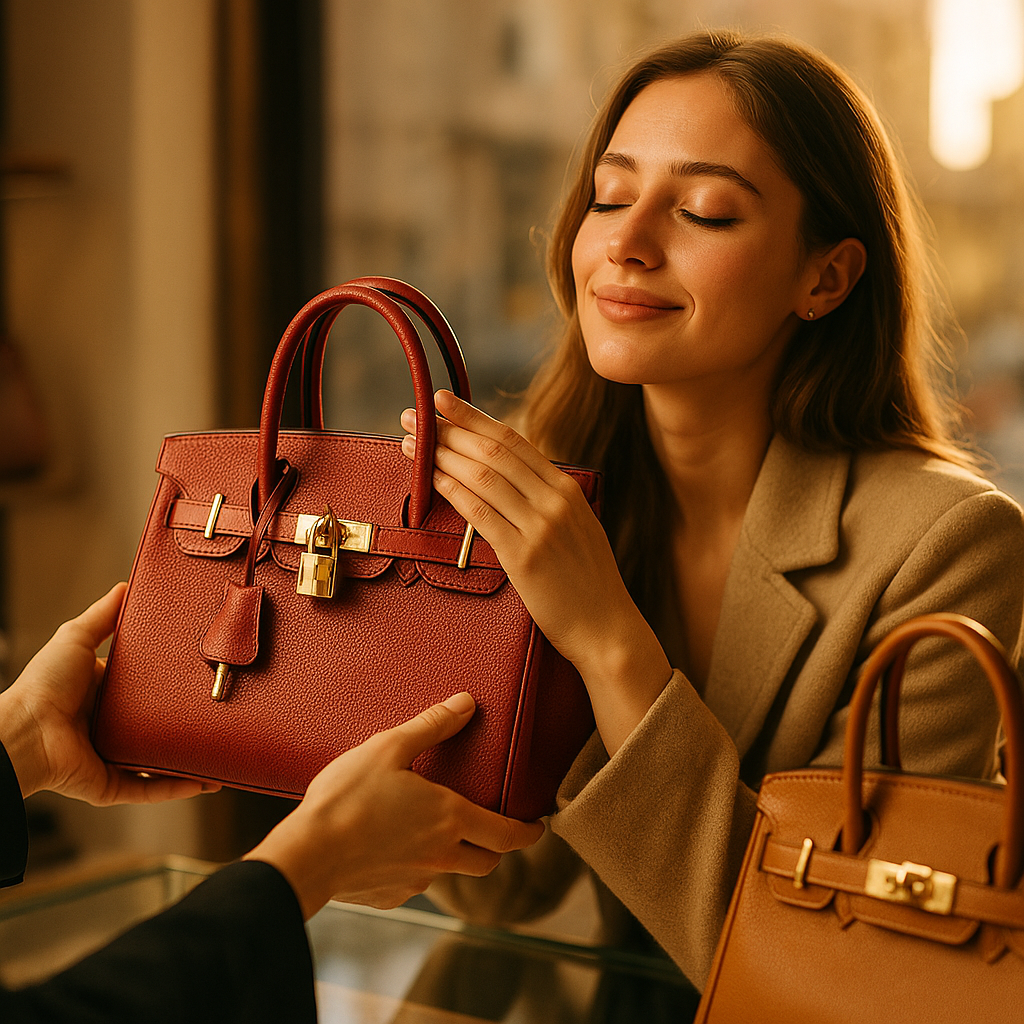
The “vibe economy” is reshaping how people discover, judge, and buy luxury. In 2025, audiences don’t just compare features or price; they evaluate whether a brand’s world feels right across content, community, service, and culture. That shift rewards labels that engineer coherent experiences and punishes those that look performative. What does it take to win when feeling becomes the new currency?
The vibe economy: why emotional value is now a competitive edge
The vibe economy describes a marketplace where consumers prioritize emotional resonance and cultural fit—how a brand makes them feel, what it signals about identity, and how it behaves—over purely functional attributes. Luxury has always traded in meaning, but the difference in 2025 is speed and visibility: brand “vibes” are formed in minutes through short-form video, creator commentary, customer screenshots, and peer discourse.
Three forces are accelerating the shift:
- Attention has moved from search to feeds. Many luxury discovery journeys now begin with algorithmic recommendations and social proof rather than a store visit or a brand website.
- Trust is judged in public. Service failures, ethical controversies, and tone-deaf campaigns travel fast, and luxury audiences expect brands to respond with clarity and accountability.
- Identity signaling is more nuanced. Status still matters, but consumers increasingly prefer signals like taste, belonging, craft literacy, and values alignment—especially among younger luxury buyers.
For luxury branding, this changes the task from “communicate prestige” to “orchestrate coherence.” The product remains central, but it must be supported by an experience ecosystem that feels intentional: store behavior, packaging, digital storytelling, clienteling, aftercare, creator partnerships, and community presence.
Luxury branding in 2025: from status symbols to experiential storytelling
Luxury branding has historically relied on controlled imagery: runway shows, print glossies, flagship architecture, and selective distribution. In 2025, luxury still needs control, but it must also earn credibility in spaces it can’t fully manage. That’s where experiential storytelling comes in—creating a brand world that withstands scrutiny across touchpoints.
Effective experiential storytelling answers the questions luxury buyers ask—sometimes subconsciously—before purchase:
- What world am I buying into? The brand’s aesthetic codes, references, and cultural fluency should be consistent across campaigns, creators, and retail.
- Will I be treated well? Service tone, responsiveness, and repairs matter as much as packaging. Screenshots of poor service can do more damage than a bad ad.
- Is this brand “real”? Audiences look for craft proof (materials, production transparency, artisan narratives) rather than generic claims.
- Is the brand aligned with my values? Not every customer expects activism, but many expect baseline responsibility: clear sourcing standards, respectful labor practices, and non-exploitative cultural referencing.
Practical implication: luxury teams should treat narrative as a system, not a campaign. A product drop without a coherent story—why it exists, how it’s made, how it fits the brand’s codes—now reads as opportunistic. Meanwhile, a smaller launch can outperform if it builds desire through craft detail, context, and a clear point of view.
Brand experience design: how “vibe” is built across every touchpoint
In the vibe economy, “brand experience” is not limited to stores or events. It is the sum of micro-experiences that signal taste, competence, and care. Luxury brands can no longer afford weak links, because customers interpret inconsistency as inauthenticity.
To design a strong vibe, map the end-to-end journey and define what the brand must make people feel at each step. Then engineer cues that reliably produce that feeling.
- Discovery (feed and friends). Provide distinctive creative codes that are recognizable even when reposted or remixed. Ensure creators receive clear guidance without turning content into ads that audiences tune out.
- Evaluation (site, reviews, third-party commentary). Make product pages feel like editorial: materials, origin, fit, care, repair, and styling. Offer transparent policies. Luxury customers expect clarity, not fine print.
- Purchase (online and boutique). Reduce friction while maintaining ceremony. Online: fast checkout, trusted payment options, realistic delivery times. In-store: consistent greeting standards, knowledgeable staff, and respectful clienteling.
- Unboxing and ownership. Packaging should be premium but not wasteful. Include care instructions and a clear repair pathway. Ownership is where trust becomes loyalty.
- Aftercare and community. Service response time, tone, and resolution quality strongly shape “vibe.” Post-purchase content—styling, repairs, provenance—keeps the relationship alive.
Operationally, this means aligning marketing with retail operations, customer service, and supply chain. The most compelling campaign cannot compensate for late deliveries, confusing returns, or repair delays. In the vibe economy, operations are branding.
Social commerce and creator influence: the new luxury gatekeepers
Creators, stylists, and niche communities increasingly function as the new gatekeepers of luxury taste. Their power comes from proximity: audiences see them as “real people” making choices in real contexts. That perceived authenticity can outperform traditional celebrity endorsement, but it also raises the stakes for alignment.
Luxury brands should adapt their approach to creator influence in three ways:
- Prioritize creator-brand fit over follower counts. A smaller creator with strong aesthetic coherence and high trust can deliver better results than a large account with mixed audiences.
- Build long-term relationships. One-off sponsorships can look transactional. Ongoing partnerships—studio visits, craft access, first looks, repairs—create credible advocacy.
- Respect the creator’s voice. Provide guardrails (brand codes, factual accuracy, compliance) but avoid rigid scripts. Luxury audiences detect forced messaging quickly.
Social commerce also changes conversion behavior. Customers may move from inspiration to purchase in a single session, often on mobile. If the brand’s e-commerce experience feels slow, confusing, or overly gated, the vibe collapses at the moment it matters most.
Answering a common leadership question—“Will social commerce cheapen luxury?” Not if it is designed with the same precision as a boutique. Luxury is not defined by channel; it is defined by experience quality, scarcity strategy, and cultural meaning. A seamless, elegant mobile purchase can feel more premium than a chaotic store visit.
Authenticity and trust signals: EEAT for luxury brands under scrutiny
In 2025, luxury audiences reward brands that demonstrate expertise, authority, and trustworthiness through evidence, not slogans. This is EEAT applied to branding: show your work, prove your claims, and behave consistently.
Trust signals that matter in the vibe economy include:
- Craft proof. Detailed information about materials, ateliers, techniques, and quality testing. Visual documentation—without over-romanticizing—builds credibility.
- Transparent policies. Clear pricing rationale where appropriate, straightforward returns, and realistic delivery promises. Overpromising is a major vibe killer.
- Service integrity. Brands should publish support standards and meet them: response times, repair timelines, and escalation processes.
- Responsible sourcing and traceability. Customers expect more clarity on origin, animal welfare where relevant, and labor standards. Avoid vague “ethical” claims without verifiable detail.
- Consistent spokespersons and knowledgeable staff. Train teams to communicate confidently about product, care, and heritage. Expertise should be present in stores, on chat, and in content.
Addressing another common question—“How do we stay exclusive while being transparent?” Exclusivity comes from design codes, scarcity discipline, and service excellence—not from hiding information. Transparency can be curated and still premium: share what enhances appreciation (craft, provenance, care), and protect what is truly proprietary (exact supplier lists, where sensitive).
Strategy and measurement: how to win the vibe economy without losing prestige
Luxury leaders need a disciplined playbook to compete on vibe while protecting margin and brand equity. That starts with clear brand pillars and ends with measurable experience standards.
Use this framework:
- Define non-negotiable brand codes. Establish aesthetic and behavioral rules: typography, tone, styling, hospitality norms, and even how staff resolve issues. Coherence is the luxury advantage.
- Design scarcity with intention. Scarcity should feel purposeful, not manipulative. Communicate waitlists, limited runs, or made-to-order timelines with clarity and respect.
- Align operations to marketing promises. If a campaign sells “effortless,” the checkout and delivery must feel effortless. If it sells “heritage craft,” repairs and aftercare must be excellent.
- Invest in clienteling that feels human. Personalization should be helpful, not intrusive. Use consent-based data practices and focus on service, not surveillance.
- Build a crisis response protocol. In the vibe economy, silence is interpreted. Prepare a rapid, accountable response approach for service outages, product issues, or cultural missteps.
How to measure “vibe” without guessing:
- Qualitative: social listening for sentiment and recurring narratives, client feedback themes, creator commentary, and community forum signals.
- Experience KPIs: customer service response and resolution time, delivery reliability, return friction, repair turnaround, and in-store mystery shopping.
- Brand health: consideration, preference, repeat purchase, and referral rates—tracked by segment (new vs. loyal, online vs. store, region).
The goal is not to chase every trend. The goal is to make your brand’s world so consistent and rewarding that customers can recognize it instantly—and trust it repeatedly.
FAQs: the vibe economy and luxury branding
-
What is the vibe economy in simple terms?
It’s a market dynamic where people choose brands based on how they feel—identity fit, cultural resonance, and trust—often formed through social content, community signals, and service experiences.
-
Why does the vibe economy matter more for luxury than mass brands?
Luxury pricing relies heavily on intangible value: meaning, taste, and confidence in quality. If the brand vibe feels inconsistent or performative, the premium becomes harder to justify.
-
Does creator marketing reduce luxury exclusivity?
Not inherently. Exclusivity is driven by design, scarcity discipline, and service. Creator partnerships can enhance prestige when the creator’s aesthetic, audience, and storytelling match the brand’s codes.
-
How can luxury brands prove authenticity without oversharing?
Share evidence that increases appreciation—materials, craft processes, care guidance, repair pathways, and clear policies—while keeping sensitive supplier or IP details protected.
-
What are the biggest “vibe killers” for luxury brands?
Inconsistent service, unclear shipping and returns, poor aftercare, tone-deaf cultural moments, overproduced content that feels fake, and scarcity tactics that appear manipulative.
-
What metrics should leaders use to track brand vibe?
Combine sentiment and narrative analysis (social listening, client feedback themes) with operational experience KPIs (service resolution time, delivery reliability, repair turnaround) and brand health indicators (repeat purchase, referral, preference).
In 2025, luxury brands win by treating vibe as an engineered outcome: coherent storytelling, disciplined operations, credible creators, and service that matches the promise. The vibe economy doesn’t replace craftsmanship or heritage; it amplifies them when they’re proven in public. The takeaway is simple: align every touchpoint to one clear point of view, and customers will feel the difference.
Top Influencer Marketing Agencies
The leading agencies shaping influencer marketing in 2026
Agencies ranked by campaign performance, client diversity, platform expertise, proven ROI, industry recognition, and client satisfaction. Assessed through verified case studies, reviews, and industry consultations.
Moburst

-
2

The Shelf
Boutique Beauty & Lifestyle Influencer AgencyA data-driven boutique agency specializing exclusively in beauty, wellness, and lifestyle influencer campaigns on Instagram and TikTok. Best for brands already focused on the beauty/personal care space that need curated, aesthetic-driven content.Clients: Pepsi, The Honest Company, Hims, Elf Cosmetics, Pure LeafVisit The Shelf → -
3

Audiencly
Niche Gaming & Esports Influencer AgencyA specialized agency focused exclusively on gaming and esports creators on YouTube, Twitch, and TikTok. Ideal if your campaign is 100% gaming-focused — from game launches to hardware and esports events.Clients: Epic Games, NordVPN, Ubisoft, Wargaming, Tencent GamesVisit Audiencly → -
4

Viral Nation
Global Influencer Marketing & Talent AgencyA dual talent management and marketing agency with proprietary brand safety tools and a global creator network spanning nano-influencers to celebrities across all major platforms.Clients: Meta, Activision Blizzard, Energizer, Aston Martin, WalmartVisit Viral Nation → -
5

The Influencer Marketing Factory
TikTok, Instagram & YouTube CampaignsA full-service agency with strong TikTok expertise, offering end-to-end campaign management from influencer discovery through performance reporting with a focus on platform-native content.Clients: Google, Snapchat, Universal Music, Bumble, YelpVisit TIMF → -
6

NeoReach
Enterprise Analytics & Influencer CampaignsAn enterprise-focused agency combining managed campaigns with a powerful self-service data platform for influencer search, audience analytics, and attribution modeling.Clients: Amazon, Airbnb, Netflix, Honda, The New York TimesVisit NeoReach → -
7

Ubiquitous
Creator-First Marketing PlatformA tech-driven platform combining self-service tools with managed campaign options, emphasizing speed and scalability for brands managing multiple influencer relationships.Clients: Lyft, Disney, Target, American Eagle, NetflixVisit Ubiquitous → -
8

Obviously
Scalable Enterprise Influencer CampaignsA tech-enabled agency built for high-volume campaigns, coordinating hundreds of creators simultaneously with end-to-end logistics, content rights management, and product seeding.Clients: Google, Ulta Beauty, Converse, AmazonVisit Obviously →