


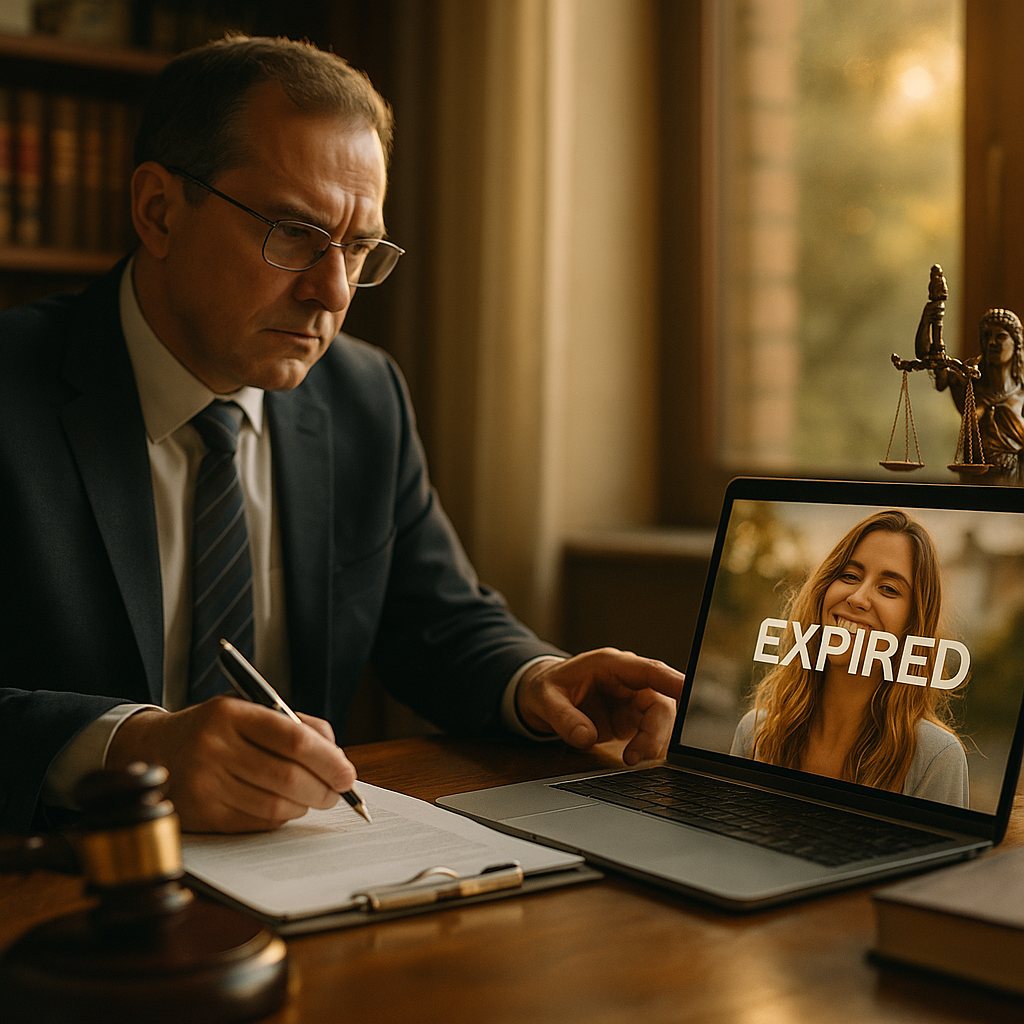
In 2025, many brands are sitting on high-performing creator content that has quietly lapsed due to expired rights, removed posts, or outdated contracts. Legal best practices for re-indexing expired creator marketing assets protect your brand while preserving search value, campaign learnings, and audience trust. This guide explains how to re-publish, reference, and optimize older creator assets without triggering copyright, publicity, or platform-policy issues—so you can scale safely and sustainably. Ready to reclaim value the right way?
Rights Management & Ownership (secondary keyword: rights management)
Before you re-index anything, confirm what you legally control. “Creator marketing assets” can include photos, videos, captions, thumbnails, music, voiceovers, comments, reviews, and even raw files shared via a drive link. The fact that you paid for a campaign does not automatically grant broad reuse rights.
Start with a rights inventory. Create a list of every asset you want to re-index, where it currently lives (creator channel, your brand accounts, landing pages, paid ads library, product pages), and how it was used. Then review the governing documents: statement of work, influencer agreement, usage license schedule, email approvals, and platform terms for the original posting.
Confirm the legal basis for reuse:
- Copyright: Who owns the underlying content (video, photo, copy)? Many creators retain ownership and grant a limited license.
- Scope of license: Check allowed media (website, email, OOH, social, paid ads), territories, term length, and whether edits are permitted.
- Exclusivity: Some deals restrict competitors; re-indexing could inadvertently extend a restriction or trigger a breach if you continue using content beyond the agreed window.
- Third-party elements: Music, stock footage, fonts, filters, or brand assets can bring separate licenses that may have expired or never covered your use.
Practical rule: if you cannot point to a written right to use the asset in the channel you want, assume you need permission. Re-indexing is “use,” and in many cases it is a renewed distribution that can exceed the original license.
Answering the common follow-up: “What if the creator posted it publicly?” Public availability is not permission to republish on your site, re-upload to your channel, or embed into a commercial landing page. Embedding may reduce risk compared to re-uploading, but it can still create contractual and right-of-publicity issues if your agreement has expired or the creator revoked permission.
Content Licensing Agreements (secondary keyword: creator content licensing)
Expired usage rights are the most common legal blocker to re-indexing. The fix is usually straightforward: extend or renegotiate the license with clean, written terms that match how you plan to use the asset now.
What a “re-indexing” license addendum should cover:
- Grant of rights: A clear license for specific uses (e.g., re-publish on brand website, include in SEO hub pages, syndicate to retail partners, embed on product detail pages, use in paid search landing pages).
- Term: A defined period that aligns with SEO value and product lifecycle. Avoid vague “in perpetuity” language unless both sides explicitly agree and the price reflects it.
- Territory and language: Especially important for international sites and localized pages.
- Modification rights: Specify whether you can crop, subtitle, translate, compress, extract stills, or create short derivatives. Many disputes arise from “minor edits” that the creator views as reputationally harmful.
- Attribution: Define how credit appears and whether creator handles can be displayed. If you plan to remove attribution for UX, confirm you are allowed.
- Revocation and takedown process: Establish a reasonable notice period and the scope of takedown obligations across caches, CDNs, and partner syndication.
- Compensation: Usage extensions often justify additional payment. Document the fee and payment triggers.
When you cannot reach the creator: Do not assume “silence equals consent.” If the license expired and you cannot obtain an extension, consider alternatives: keep internal learnings only, replace with new creator content, or use an embed only if the original agreement and platform policies allow it. If the creator deleted the post or set it private, treat that as a strong signal not to re-surface the content without explicit authorization.
Answering the follow-up: “Can we just host it because we have the raw files?” Possession of files is not ownership. Raw deliverables often come with limited usage terms; re-uploading to a brand channel can be outside scope.
Copyright, DMCA & Platform Compliance (secondary keyword: copyright compliance)
Re-indexing has two legal layers: intellectual property law and platform rules. Ignoring either can result in takedowns, account penalties, or search visibility loss.
Copyright risk points in creator assets:
- Audio: Music is a frequent trigger. A creator may have used platform-licensed music that is cleared only for use on that platform, not for brand websites or paid ads.
- Logos and packaging: Generally fine for product marketing, but beware incidental third-party marks (e.g., clothing, signage).
- Stock content: Many stock licenses prohibit resale or broad redistribution; “marketing use” is not always “website publication forever.”
- UGC elements: If the creator includes clips or screenshots from others, you inherit that risk if you republish.
DMCA-style takedown readiness matters. If you host content, you need an internal process to respond quickly to infringement claims. Even when you believe you have rights, you should be able to produce the license and move the content to a “review” state while investigating.
Platform policy checks: If you plan to re-index by embedding posts from social platforms, review the platform’s embedding and API terms, including what happens if a post is removed, the creator blocks embedding, or the platform changes display requirements. If you plan to re-upload to your brand channel, confirm the creator agreement covers that and that your edit does not violate platform rules on disclosures or misrepresentation.
Answering the follow-up: “Is embedding always safer than re-uploading?” Embedding can reduce copyright exposure because the content is served from the platform, but it can increase operational risk because creators can delete or restrict the post at any time, breaking pages and potentially harming SEO. Use embedding when you have ongoing rights and a contingency plan, not as a workaround.
Privacy, Publicity Rights & Disclosure (secondary keyword: right of publicity)
Creator content often includes identifiable people, locations, and personal narratives. Even with a copyright license, you may still need permission to use someone’s likeness for commercial purposes, and you must meet advertising disclosure standards.
Key legal considerations:
- Right of publicity: Creators typically grant permission to use their name, image, voice, and likeness in the contract. Confirm that permission survives the original campaign term if you plan to re-index.
- Other individuals in frame: Friends, minors, or bystanders may appear. If the content is re-used in a new context (e.g., a paid landing page), the risk profile can change. Get releases where needed or avoid the asset.
- Privacy and sensitive data: Remove or blur addresses, license plates, medical claims, or other sensitive info. Even if it was originally posted, re-publication can amplify exposure and complaints.
- Endorsement disclosures: If the asset includes endorsements, ensure disclosures remain clear when re-indexed. If you edit captions or crop the frame, you might remove the original “#ad” or equivalent disclosure.
Make disclosures durable. If you host the asset on your site, add a visible disclosure near the content explaining the nature of the relationship (e.g., “Paid partnership,” “Gifted product,” or “Sponsored content”), consistent with your jurisdictional requirements and internal policy. Do not rely solely on a tiny on-screen tag that might be cut off on mobile.
Answering the follow-up: “What if the creator’s opinion has changed?” If a creator no longer stands by an endorsement, continued use can raise consumer protection and reputational issues, even if the license technically allows it. A best practice is to include a contract clause that requires creators to notify you if they materially change their view, and to keep a renewal checkpoint before re-indexing.
SEO Re-Indexing Workflow & Documentation (secondary keyword: SEO re-indexing)
Legal compliance should be built into your technical workflow so teams do not “fix SEO” by accidentally reviving content without rights.
A compliant re-indexing checklist:
- Validate rights: Confirm license scope, term, and permitted channels. Store the agreement and a plain-language usage summary.
- Decide on hosting model: Choose between re-upload (more control) vs embed (less control). Select based on rights, platform rules, and durability needs.
- Update metadata responsibly: When optimizing titles, alt text, and schema-like descriptions, do not create misleading claims (performance, results, health outcomes) that the creator did not make or that you cannot substantiate.
- Maintain attribution and disclosures: Ensure the page includes required disclosures and any contractually required credit.
- Record the chain of custody: Keep source files, date of original posting, approvals, and any edits. Log who approved re-indexing and why.
- Publish with monitoring: Set alerts for broken embeds, takedown notices, and creator requests. Track page changes so you can quickly roll back.
Use a “rights expiry” system. Tag each asset with an expiration date and renewal owner. If your CMS supports it, automate unpublishing or de-indexing when rights lapse. If it does not, run a monthly audit and keep a documented removal process.
Answering the follow-up: “Can we keep the page live but noindex it?” A noindex tag can reduce search exposure, but it does not cure an expired license. If you do not have rights, you should remove or replace the content, not just hide it from search.
Risk Mitigation, Takedowns & Brand Governance (secondary keyword: takedown process)
Even with strong contracts, re-indexing can trigger disputes. Mature programs plan for that and respond quickly.
Build a takedown and dispute playbook:
- Intake channel: A dedicated email or form for creators and rights holders to raise concerns.
- Triage: Categorize requests (license expiry, copyright claim, privacy concern, brand safety) and assign owners (legal, marketing ops, SEO, PR).
- Temporary actions: Ability to unpublish, swap to placeholder creative, or disable embeds quickly while reviewing.
- Evidence packet: Central folder with the contract, proof of payment, approvals, and edit history.
- Resolution options: Renew rights, adjust attribution, remove third-party audio, replace the asset, or permanently remove and de-index.
Governance reduces repeat errors. Train SEO, lifecycle marketing, and web teams on what counts as “new use.” Many compliance failures happen when a well-meaning team member copies an old TikTok into a new product page. A simple internal policy can prevent this: “No creator asset may be published or re-indexed without a rights check and disclosure check.”
Brand safety review matters in 2025. If the creator’s public profile changed significantly, your continued association can create risk beyond pure legality. Add a lightweight re-vetting step for any asset being re-indexed, especially if it will rank in search and become evergreen brand collateral.
FAQs (secondary keyword: creator marketing compliance)
Can we re-index a creator’s old campaign post if the contract is expired but the post is still live?
Not safely without confirming your rights. A live post does not grant you a new license to host, re-upload, or repurpose it. Review the original agreement for term and channel scope, then obtain a written extension or use an approved embed only if your agreement and platform terms allow it.
Does “in perpetuity” mean we can keep re-indexing forever?
It can, but only if the contract is valid, unambiguous, and covers your intended uses (including new channels and formats). Even then, you still must respect third-party licenses (music, stock) and comply with disclosure and consumer protection rules.
What if the creator asks us to remove content after we re-index it?
Follow your takedown process. Check the contract for revocation rights and notice periods. Even if you have legal rights to continue, consider reputational and endorsement integrity risks. Document the decision and any negotiated resolution.
Is it safer to embed creator content than to download and re-upload it?
Embedding can reduce certain copyright risks because the platform serves the media, but it increases fragility (posts can disappear) and does not replace the need for contractual permission and proper disclosures. Choose the method that matches your rights and operational tolerance.
Do we need model releases for people appearing in creator videos?
Sometimes. The creator may have obtained releases, or your agreement may require them to. If additional identifiable individuals appear and the content will be used commercially on your owned channels, releases may be necessary depending on jurisdiction and context. When unsure, avoid the asset or seek legal review.
Can we update the caption or edit the video to improve SEO?
Only if your license allows modifications. Also ensure edits do not remove disclosures, alter meaning, or introduce unsubstantiated claims. Keep an edit log and preserve the original file for evidence.
Re-indexing creator assets in 2025 can deliver meaningful SEO and conversion gains, but only when you treat it as a rights-and-compliance project, not a simple content refresh. Audit ownership, renew licenses, confirm third-party clearances, preserve disclosures, and build a documented workflow with expiry controls and a takedown playbook. The takeaway: if you cannot prove the right to reuse it, do not re-surface it.
Top Influencer Marketing Agencies
The leading agencies shaping influencer marketing in 2026
Agencies ranked by campaign performance, client diversity, platform expertise, proven ROI, industry recognition, and client satisfaction. Assessed through verified case studies, reviews, and industry consultations.
Moburst

-
2

The Shelf
Boutique Beauty & Lifestyle Influencer AgencyA data-driven boutique agency specializing exclusively in beauty, wellness, and lifestyle influencer campaigns on Instagram and TikTok. Best for brands already focused on the beauty/personal care space that need curated, aesthetic-driven content.Clients: Pepsi, The Honest Company, Hims, Elf Cosmetics, Pure LeafVisit The Shelf → -
3

Audiencly
Niche Gaming & Esports Influencer AgencyA specialized agency focused exclusively on gaming and esports creators on YouTube, Twitch, and TikTok. Ideal if your campaign is 100% gaming-focused — from game launches to hardware and esports events.Clients: Epic Games, NordVPN, Ubisoft, Wargaming, Tencent GamesVisit Audiencly → -
4

Viral Nation
Global Influencer Marketing & Talent AgencyA dual talent management and marketing agency with proprietary brand safety tools and a global creator network spanning nano-influencers to celebrities across all major platforms.Clients: Meta, Activision Blizzard, Energizer, Aston Martin, WalmartVisit Viral Nation → -
5

The Influencer Marketing Factory
TikTok, Instagram & YouTube CampaignsA full-service agency with strong TikTok expertise, offering end-to-end campaign management from influencer discovery through performance reporting with a focus on platform-native content.Clients: Google, Snapchat, Universal Music, Bumble, YelpVisit TIMF → -
6

NeoReach
Enterprise Analytics & Influencer CampaignsAn enterprise-focused agency combining managed campaigns with a powerful self-service data platform for influencer search, audience analytics, and attribution modeling.Clients: Amazon, Airbnb, Netflix, Honda, The New York TimesVisit NeoReach → -
7

Ubiquitous
Creator-First Marketing PlatformA tech-driven platform combining self-service tools with managed campaign options, emphasizing speed and scalability for brands managing multiple influencer relationships.Clients: Lyft, Disney, Target, American Eagle, NetflixVisit Ubiquitous → -
8

Obviously
Scalable Enterprise Influencer CampaignsA tech-enabled agency built for high-volume campaigns, coordinating hundreds of creators simultaneously with end-to-end logistics, content rights management, and product seeding.Clients: Google, Ulta Beauty, Converse, AmazonVisit Obviously →