


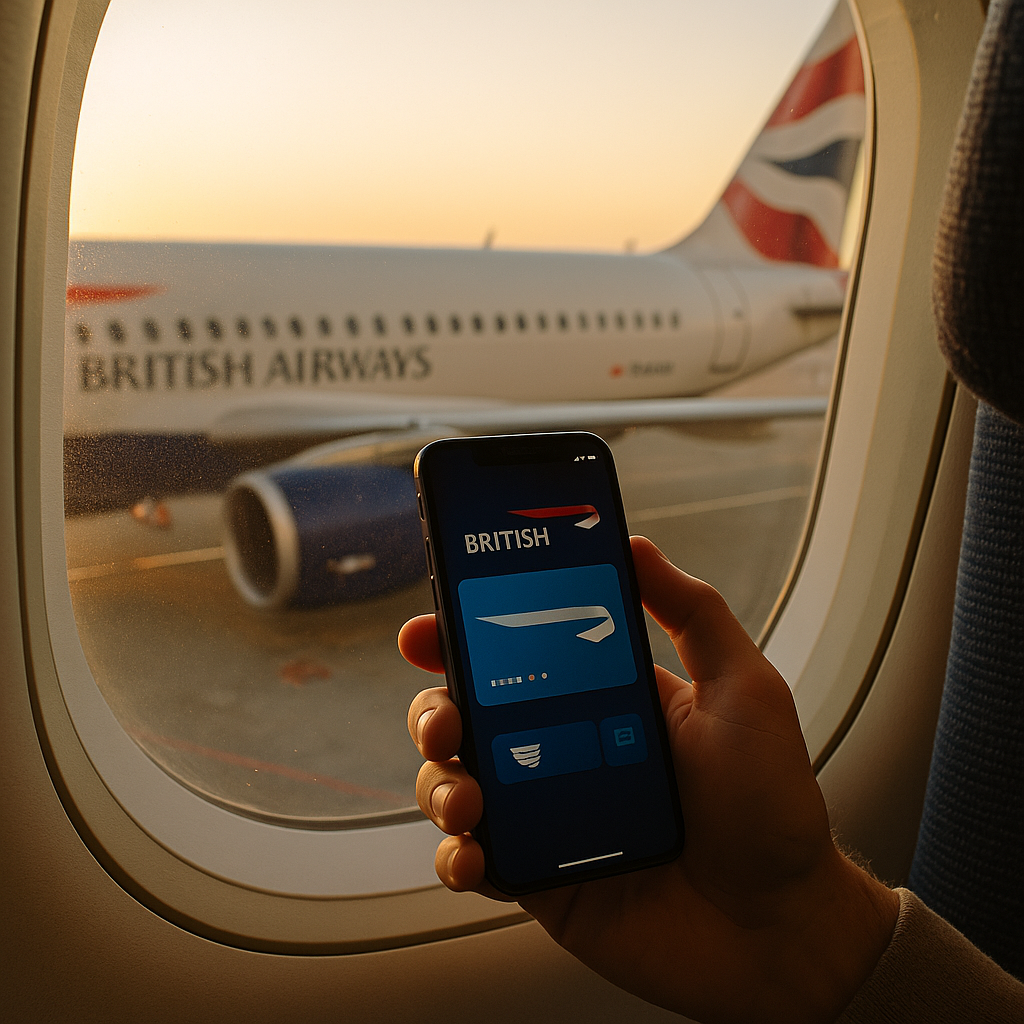
In 2025, airline loyalty is less about one big reward and more about a steady stream of small moments that make customers feel seen. This case study on micro-loyalty wins explores how British Airways strengthened engagement by reducing friction, personalising recognition, and rewarding behaviours beyond flights. The lesson is simple: tiny wins compound into lasting value—if you engineer them intentionally.
Micro-loyalty wins: the strategy behind British Airways’ program success
Micro-loyalty wins are small, frequent, low-friction benefits that customers can notice quickly—often within the same journey or account session. For British Airways, the idea is not to replace the core loyalty proposition (tier status, Avios, companion benefits), but to make progress feel continuous rather than delayed until the next long-haul trip.
British Airways operates a global network where customers vary widely: weekly business travellers, occasional leisure flyers, and families who might take one major trip a year. A traditional loyalty model can unintentionally over-serve frequent flyers while leaving everyone else feeling locked out. Micro-loyalty wins help close that gap by creating more “earned moments” that are:
- Frequent: happening across touchpoints (booking, check-in, airport, onboard, post-flight).
- Immediate: visible right away (confirmation, progress update, small perk).
- Personal: tied to context (route, cabin, tier, history, preferences).
- Operationally realistic: not promising what the airline cannot consistently deliver.
British Airways’ program success comes from treating loyalty as a product experience, not just a points ledger. The most effective “wins” tend to be subtle: they reduce anxiety (clearer status progress), save time (priority flows), or create control (seat and baggage clarity). Those are the kinds of moments customers remember and talk about.
British Airways loyalty program: the problem they needed to solve
In airline loyalty, the biggest threat is disengagement between “major events” (a flight, an upgrade, a status renewal). British Airways faced a familiar set of challenges that make a compelling case study in 2025:
- Long reward horizons: many members don’t fly enough to feel momentum toward the next tier or meaningful redemption.
- Perceived complexity: customers struggle to predict what they’ll earn and what benefits they can actually use.
- Inconsistent experience: the same tier benefit can feel different by airport, route, or partner.
- High emotional stakes: travel is time-sensitive; small failures feel big.
British Airways’ opportunity was to shift from “wait, accumulate, redeem” to “participate, progress, feel rewarded.” That required designing loyalty touchpoints that can deliver value without requiring a large points balance, a premium cabin ticket, or elite status.
This is also where EEAT matters. A program earns trust when it communicates clearly, avoids surprises, and fulfils what it promises. Micro-wins are only effective if customers believe they are real, repeatable, and fairly available.
Customer experience personalization: micro-wins across the journey
British Airways’ micro-loyalty approach works best when it is embedded into the end-to-end travel journey. Instead of relying on a single “wow” moment, the airline can stack several small wins that collectively change the customer’s perception of value.
1) Booking and pre-trip clarity
- Progress visibility: make tier progress and expected earn easy to understand before purchase and after booking, so customers feel momentum.
- Contextual prompts: surface options that align with the member’s goals (for example, choices that help close a gap to the next tier) without forcing an upsell.
- Recognition cues: reflect tier status and entitlements clearly in booking flows so customers know what they can use.
2) Check-in and airport reassurance
- Friction removal: priority lanes and fast-track elements are micro-wins because they save time when customers are most stressed.
- Service recovery signals: when disruptions happen, proactive messaging and clear next steps can feel like a loyalty perk, even if no points are involved.
- Consistency cues: consistent signage, staff scripting, and app prompts reduce uncertainty and improve perceived reliability.
3) Onboard recognition and comfort
- Small acknowledgements: staff recognition of tier members can be a micro-win when it’s authentic and not scripted.
- Benefit reliability: ensuring that promised entitlements (like seat selection rules or baggage allowances) apply cleanly reduces “hidden cost” frustration.
4) Post-flight reinforcement
- Immediate earn confirmation: quick posting of Avios and tier progress (or clear timelines) keeps trust high.
- Next-best action: show members practical ways to use what they earned, including smaller redemption options that make value feel accessible.
The core insight: micro-wins don’t need to be expensive. They need to be noticed, and they need to be delivered consistently. British Airways’ strength is linking operational touchpoints (queues, disruptions, baggage, communication) with loyalty perception, turning “basic reliability” into a differentiator.
Tier status engagement: turning progress into motivation
Status systems can motivate behaviour, but they can also demotivate when the finish line feels too far away. British Airways improved engagement by making tier progress feel like a living journey rather than an annual verdict. Micro-wins in status engagement typically fall into four buckets:
- Visibility: show progress in a way that is instantly understandable.
- Milestones: celebrate intermediate thresholds, not only final tiers.
- Choice: let members pick from small, relevant benefits at certain points.
- Fairness: clearly explain what counts and why, so customers don’t feel tricked.
For example, a member nearing a threshold responds differently when the program highlights “you’re close” with concrete steps they can take. The key is to avoid pushing unnecessary spend; the micro-win is the feeling of control and confidence.
Another powerful micro-win is recognition parity: even if a customer isn’t top tier, the program can still acknowledge loyalty. That can be as simple as a personalised message that reflects real behaviour (routes flown, milestones reached, consistent travel patterns) rather than generic marketing.
British Airways’ approach shows a practical truth in 2025: engagement is driven as much by the psychology of progress as by the numeric value of points. Customers stay active when they can see movement and when the program helps them make smart decisions.
Avios rewards innovation: making redemption feel closer
One of the biggest barriers in loyalty programs is the gap between earning and enjoying. British Airways’ micro-loyalty wins show up when Avios becomes easier to understand and easier to use in smaller, meaningful ways. When members feel that redemption is attainable, they are more likely to keep earning and to consolidate spend.
Micro-wins in Avios design tend to focus on:
- Smaller redemptions: options that allow members with modest balances to get value sooner.
- Transparent value: clearer pricing, clearer fees, and fewer surprises during checkout.
- Redemption guidance: prompts that show what a member can do now, not only what they might do later.
- Partner usability: ensuring Avios works smoothly across partners so members don’t hit dead ends.
British Airways benefits from a broad loyalty ecosystem, which can be a double-edged sword: it increases options but can increase complexity. Micro-loyalty wins come from simplifying the decision-making experience. If a member can quickly answer, “What can I get with my balance?” and “What will this actually cost me?” they trust the program more.
There is also a service dimension to reward innovation. When a redemption doesn’t go smoothly, the recovery experience becomes a loyalty moment. In 2025, customers judge programs not only by the best-case redemption but by how the program behaves when something goes wrong: speed of resolution, clarity of policies, and fairness in exceptions.
Loyalty program metrics: how micro-wins translate into ROI
Micro-loyalty wins can sound “soft,” but British Airways’ success depends on managing them like measurable product features. The airline can connect small experience improvements to hard outcomes by tracking metrics across engagement, revenue, and operational performance.
Metrics that matter
- Active member rate: members earning or redeeming within a defined window.
- Share of wallet indicators: repeat booking rate, route recency, and channel preference (direct vs. intermediaries).
- Status progression health: how many members move up, maintain, or drop tiers, and why.
- Redemption frequency and satisfaction: whether members redeem more often and report fewer pain points.
- Operational loyalty signals: complaint rate, disruption handling satisfaction, call deflection through digital self-service.
How to attribute micro-wins
British Airways can use controlled tests and journey analytics to link a micro-win to behaviour change. Examples include A/B tests on progress dashboards, triggered messages during disruption flows, or changes in redemption UX. The goal is not to “prove loyalty caused everything,” but to show credible lifts in engagement, conversion, or retention tied to a specific change.
Governance and trust (EEAT in practice)
- Experience consistency: only scale micro-wins that can be delivered reliably across airports and partners.
- Policy clarity: ensure terms are readable and surfaced where decisions are made, not buried.
- Data responsibility: personalise based on clear consent and explain why a member is seeing an offer or message.
Micro-loyalty wins succeed when they are managed like a portfolio: a mix of low-cost, high-frequency improvements and a smaller number of higher-impact enhancements. British Airways’ case shows that a program grows stronger when it treats customer time, clarity, and confidence as measurable assets.
FAQs: British Airways micro-loyalty wins and program design
What are micro-loyalty wins in an airline loyalty program?
They are small, frequent benefits or moments of recognition that members can experience quickly—such as clearer progress updates, time-saving priority flows, proactive disruption support, or easier small redemptions. They complement big rewards like upgrades and tier status.
Why do micro-wins matter more in 2025 than before?
Customers expect faster feedback, more transparency, and consistent digital experiences. Many travellers also fly less predictably, so they need loyalty value between major trips. Micro-wins keep engagement high even when members are not earning large balances quickly.
How did British Airways use micro-wins without giving away too much value?
By focusing on benefits that reduce friction and increase confidence—like clarity, convenience, and reliable entitlement delivery—rather than only adding costly perks. Many micro-wins are operational and UX improvements that scale well when designed carefully.
How can loyalty teams measure whether micro-wins work?
Track active member rate, repeat booking, status progression, redemption frequency, customer support contacts, and satisfaction after key journey moments (check-in, disruption handling, redemption). Use controlled tests where possible to tie changes to outcomes.
Do micro-loyalty wins replace tier status and points?
No. They strengthen the core program by making progress feel continuous and rewards feel attainable. Tier status and points remain the foundation; micro-wins improve day-to-day engagement and perceived value.
What’s the biggest risk when implementing micro-loyalty wins?
Inconsistency. If a benefit is promised but not delivered reliably—especially across airports and partners—trust drops fast. The safest micro-wins are those the operation can support, with clear communication and simple rules.
British Airways’ program success shows that loyalty grows when value is delivered in small, repeatable moments, not just in rare peak experiences. Micro-loyalty wins create momentum by making progress visible, redemption feel closer, and service more reliable under stress. The clear takeaway for 2025: design loyalty as a journey of consistent benefits, then measure and refine each win until it becomes dependable.
Top Influencer Marketing Agencies
The leading agencies shaping influencer marketing in 2026
Agencies ranked by campaign performance, client diversity, platform expertise, proven ROI, industry recognition, and client satisfaction. Assessed through verified case studies, reviews, and industry consultations.
Moburst

-
2

The Shelf
Boutique Beauty & Lifestyle Influencer AgencyA data-driven boutique agency specializing exclusively in beauty, wellness, and lifestyle influencer campaigns on Instagram and TikTok. Best for brands already focused on the beauty/personal care space that need curated, aesthetic-driven content.Clients: Pepsi, The Honest Company, Hims, Elf Cosmetics, Pure LeafVisit The Shelf → -
3

Audiencly
Niche Gaming & Esports Influencer AgencyA specialized agency focused exclusively on gaming and esports creators on YouTube, Twitch, and TikTok. Ideal if your campaign is 100% gaming-focused — from game launches to hardware and esports events.Clients: Epic Games, NordVPN, Ubisoft, Wargaming, Tencent GamesVisit Audiencly → -
4

Viral Nation
Global Influencer Marketing & Talent AgencyA dual talent management and marketing agency with proprietary brand safety tools and a global creator network spanning nano-influencers to celebrities across all major platforms.Clients: Meta, Activision Blizzard, Energizer, Aston Martin, WalmartVisit Viral Nation → -
5

The Influencer Marketing Factory
TikTok, Instagram & YouTube CampaignsA full-service agency with strong TikTok expertise, offering end-to-end campaign management from influencer discovery through performance reporting with a focus on platform-native content.Clients: Google, Snapchat, Universal Music, Bumble, YelpVisit TIMF → -
6

NeoReach
Enterprise Analytics & Influencer CampaignsAn enterprise-focused agency combining managed campaigns with a powerful self-service data platform for influencer search, audience analytics, and attribution modeling.Clients: Amazon, Airbnb, Netflix, Honda, The New York TimesVisit NeoReach → -
7

Ubiquitous
Creator-First Marketing PlatformA tech-driven platform combining self-service tools with managed campaign options, emphasizing speed and scalability for brands managing multiple influencer relationships.Clients: Lyft, Disney, Target, American Eagle, NetflixVisit Ubiquitous → -
8

Obviously
Scalable Enterprise Influencer CampaignsA tech-enabled agency built for high-volume campaigns, coordinating hundreds of creators simultaneously with end-to-end logistics, content rights management, and product seeding.Clients: Google, Ulta Beauty, Converse, AmazonVisit Obviously →