


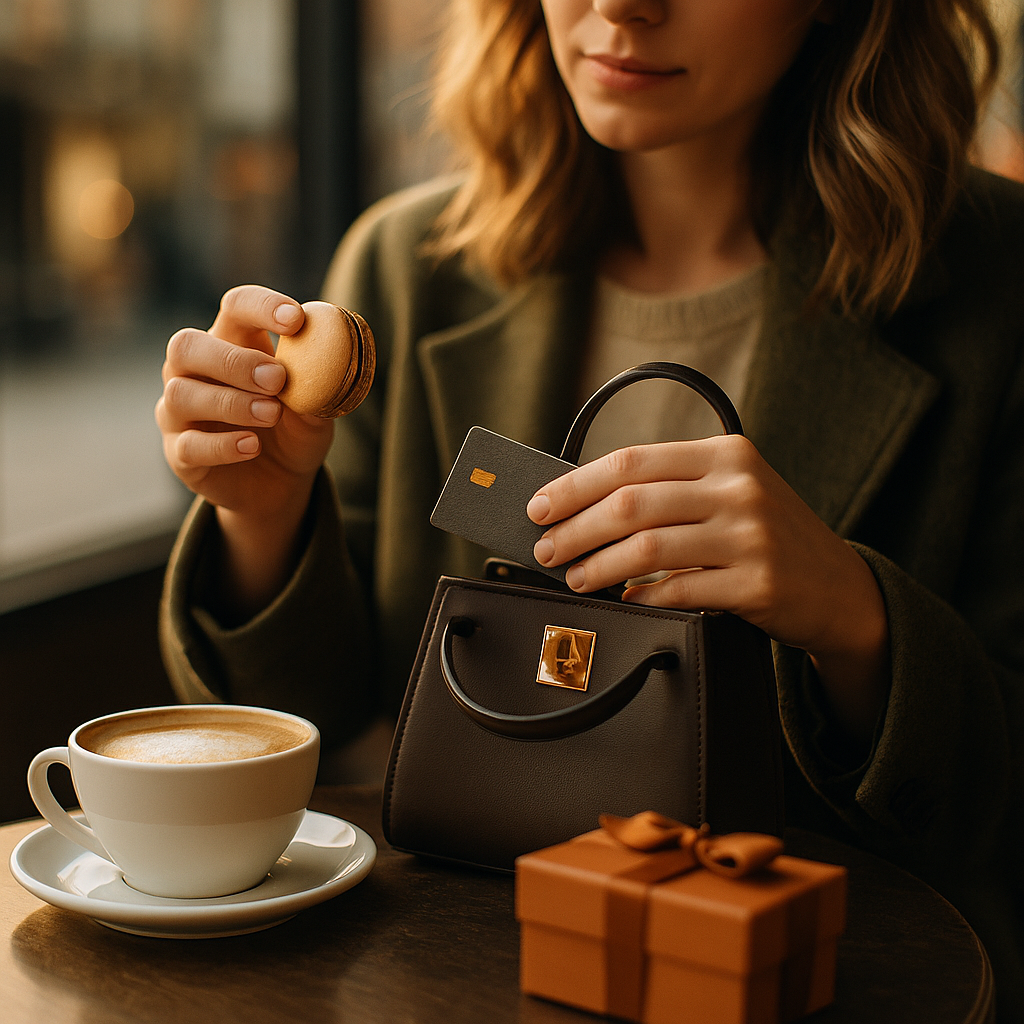
Treatonomics is reshaping how people spend in 2025: instead of major splurges, shoppers are choosing smaller, confidence-boosting luxuries that feel attainable. This shift is fueling demand for small luxury brand goods—items that signal taste, quality, and meaning without the sticker shock of heritage mega-labels. What’s driving this behavior, and how can brands respond without diluting trust?
Treatonomics meaning and why it matters
Treatonomics describes a consumer pattern where people buy “little treats” to manage stress, reward effort, or regain a sense of control—especially when larger financial goals feel distant. Unlike impulse buying, treatonomics tends to be intentional: shoppers justify the purchase as a morale boost, a personal milestone, or a way to maintain identity.
In 2025, the idea matters because it changes what “value” means. Many consumers still care about price, but they evaluate value through a combined lens of:
- Emotional return: Will this make me feel better or more like myself?
- Daily utility: Can I use it often (bag, fragrance, knitwear, skincare)?
- Visible quality: Materials, stitching, finish, and durability.
- Story and meaning: Craft, provenance, design intent, or cultural relevance.
This is where small luxury brands win. They often offer a clearer link between price and tangible quality, with fewer layers of corporate storytelling. The “treat” becomes both experience and object—something that feels special now and still holds up later.
If you’re wondering whether treatonomics is just a social-media buzzword, look at the consistent consumer behavior behind it: trading down on some categories to trade up on a select few. That’s not random—it’s a budgeting strategy with emotion built in.
Affordable luxury goods are winning the “small splurge” moment
The treatonomics mindset naturally favors affordable luxury goods: premium items positioned below traditional high luxury, but above mass-market. The goal is a “yes” purchase—something that feels indulgent yet defensible.
Common small-splurge categories include:
- Fragrance: Niche scents offer high sensory payoff and strong identity signaling.
- Leather accessories: Cardholders, belts, small bags, and key cases deliver daily use.
- Fine jewelry “entry pieces”: Slim bands, small pendants, or signature charms.
- Premium skincare: Targeted serums and hero products that feel like self-investment.
- Design-forward basics: Elevated tees, knitwear, and denim with visible construction quality.
Why do these outperform bigger-ticket items? Because they compress risk. A consumer can test a brand’s quality and service without committing to a four-figure purchase. If the experience is good, the treat becomes the start of a relationship—repeat purchases, gifting, and word-of-mouth.
For brands, the opportunity is not to race to the bottom on price. The opportunity is to clarify what the buyer gets: material specifications, construction methods, warranty terms, and care guidance. Treatonomics shoppers want reassurance that the “treat” is not just a dopamine hit but a smart buy.
Small luxury brands are attracting consumers who want uniqueness
Demand for small luxury brands is rising because many consumers want distinction without screaming logos. Smaller labels often feel more personal and curated, especially when they offer limited runs, signature design codes, or founder-led storytelling that doesn’t feel scripted.
Several forces amplify this shift in 2025:
- Logo fatigue: Shoppers increasingly prefer subtle branding and recognizably high-quality design.
- Algorithm-driven sameness: When everyone sees the same products, uniqueness becomes premium.
- Micro-communities: Niche brands grow through tight networks—style subcultures, local scenes, and creator circles.
- Closer proximity to craft: Small brands can show real production partners and techniques more transparently.
Uniqueness isn’t only aesthetic. It can also mean better fit, fewer compromise materials, or a design that solves a specific problem (travel-friendly jewelry clasps, refillable fragrance formats, modular bags). Treatonomics buyers love practical uniqueness because it justifies the spend.
If you’re deciding between a large brand and a smaller one, a useful question is: What am I paying for—marketing scale or product substance? Small brands can still price at a premium, but they must make the premium legible through details the customer can verify.
Luxury consumer trends show a shift toward experience and trust
Many luxury consumer trends in 2025 point to the same direction: people want fewer, better purchases—and they want brands that earn trust. Treatonomics doesn’t mean consumers stop being discerning; it means they become more selective with a sharper expectation-to-price ratio.
Here’s what “experience and trust” look like in practice:
- Service as a product feature: Fast shipping, careful packaging, responsive support, and clear returns.
- Proof over promises: Close-up product photography, material specs, and care instructions.
- Consistent sizing and fit help: Real model measurements, fit notes, and comparison tools.
- Authenticity signals: Founder visibility, behind-the-scenes production content, and credible press.
Shoppers also increasingly ask follow-up questions before purchase: How does it wear over time? Is it repairable? Does the brand offer parts, refills, or restoration? Brands that answer these questions proactively reduce friction and increase conversion—especially for first-time customers seeking a “treat” that won’t disappoint.
EEAT matters here. Expertise shows in the specificity of product claims. Experience shows in guidance that anticipates real-life use. Authoritativeness comes from credible third-party validation (professional reviews, retail partners, certifications). Trust is earned through transparent policies and consistent delivery.
Accessible luxury marketing that converts without eroding brand equity
Effective accessible luxury marketing for treatonomics is not about shouting “affordable.” It is about framing the purchase as a high-value indulgence with clear, verifiable quality. The best messaging helps the buyer feel both delighted and rational.
Strategies that work particularly well for small luxury brands in 2025:
- Lead with the hero detail: A signature clasp, a proprietary fabric, a refill system, or a unique craft process.
- Offer transparent price rationale: Explain materials, labor, small-batch production, and testing.
- Create a “first purchase” pathway: Entry products, curated bundles, or discovery sets that feel premium.
- Use educational content: Care guides, styling videos, comparison charts, and “how it’s made” stories.
- Build credible social proof: Reviews with photos, UGC permissions, and creator partnerships aligned to the brand.
A common question is whether discounts help or hurt. For luxury-adjacent goods, constant discounting trains customers to wait, undermines perceived quality, and can attract low-fit buyers who return more. If you need promotions, keep them structured: limited-time, limited-quantity, or value-added (gift wrapping, personalization, or complimentary refills) rather than heavy markdowns.
Another follow-up is how to compete with big-brand recognition. Small brands win by being easier to trust in specifics: publish material and origin details, show durability testing where relevant, and make aftercare simple. When the customer feels informed, the treat feels earned.
Small luxury brand goods: pricing, sustainability, and long-term loyalty
To sustain demand for small luxury brand goods, brands must align pricing, responsible practices, and retention. Treatonomics may start as a “small splurge,” but loyalty comes from repeatable satisfaction: the item performs, the brand behaves consistently, and the next purchase feels like an upgrade rather than a gamble.
Pricing discipline is crucial. Buyers accept premium pricing when the brand communicates:
- Material integrity: Clear grades, weights, and sourcing notes where appropriate.
- Construction standards: Stitch density, lining details, hardware specs, and finishing.
- Quality control: Inspection processes and realistic tolerance disclosures.
Sustainability must also be concrete. Treatonomics shoppers often want to feel good about their treat, but they increasingly reject vague claims. Stronger approaches include:
- Traceable sourcing where feasible: Country-of-origin clarity for key components.
- Repair and refurbishment: Even limited programs reduce waste and build credibility.
- Lower-impact packaging: Premium presentation without excessive materials.
- Longevity messaging: Care instructions and replacement parts that keep products in use.
Retention in 2025 is often built through post-purchase experience. Brands that follow up with care tips, restock alerts, and complementary product recommendations (not aggressive upsells) create a sense of progression: your first treat becomes part of a curated wardrobe or routine.
If you’re a shopper, a practical way to evaluate a small luxury purchase is to check three things before buying: the return policy, the care/repair options, and whether the brand provides material specs. If those are clear, the “treat” is more likely to feel satisfying long after checkout.
FAQs about treatonomics and small luxury brand demand
What is treatonomics in simple terms?
Treatonomics is the habit of buying small, feel-good purchases—like premium accessories, fragrance, or skincare—when bigger luxuries feel less practical. It’s an intentional “small splurge” that delivers emotional and practical value.
Why are small luxury brands growing in 2025?
Many shoppers want distinctive design, visible quality, and brand stories that feel credible. Small luxury brands often provide clearer product details, limited runs, and more personal customer experiences than mass-scale labels.
Which categories benefit most from treatonomics?
Fragrance, small leather goods, entry-level fine jewelry, premium skincare, and elevated basics tend to perform well because they offer frequent use, strong sensory or identity payoff, and a lower financial risk than big-ticket items.
How can I tell if a small luxury item is worth the price?
Look for transparent material specs, close-up construction details, clear warranty/repair options, and reliable return policies. Also check independent reviews with photos and whether the brand explains how to care for the product.
Do discounts hurt small luxury brands?
Frequent discounts can weaken perceived value and train customers to delay purchases. Many brands protect equity by offering limited promotions, value-added bundles, personalization, or loyalty benefits instead of constant markdowns.
Is treatonomics just impulse shopping?
Not necessarily. Treatonomics often involves justification and planning—people choose a smaller luxury as a controlled indulgence. Brands that provide education, proof of quality, and aftercare support help turn that choice into a smart purchase.
Treatonomics is more than a spending quirk in 2025; it’s a practical way consumers balance restraint with self-reward. Small luxury brand goods benefit because they deliver a high emotional payoff, daily usefulness, and a sense of individuality at a manageable price point. The takeaway is simple: buyers should demand proof of quality and care support, and brands should earn trust through transparency.
Top Influencer Marketing Agencies
The leading agencies shaping influencer marketing in 2026
Agencies ranked by campaign performance, client diversity, platform expertise, proven ROI, industry recognition, and client satisfaction. Assessed through verified case studies, reviews, and industry consultations.
Moburst

-
2

The Shelf
Boutique Beauty & Lifestyle Influencer AgencyA data-driven boutique agency specializing exclusively in beauty, wellness, and lifestyle influencer campaigns on Instagram and TikTok. Best for brands already focused on the beauty/personal care space that need curated, aesthetic-driven content.Clients: Pepsi, The Honest Company, Hims, Elf Cosmetics, Pure LeafVisit The Shelf → -
3

Audiencly
Niche Gaming & Esports Influencer AgencyA specialized agency focused exclusively on gaming and esports creators on YouTube, Twitch, and TikTok. Ideal if your campaign is 100% gaming-focused — from game launches to hardware and esports events.Clients: Epic Games, NordVPN, Ubisoft, Wargaming, Tencent GamesVisit Audiencly → -
4

Viral Nation
Global Influencer Marketing & Talent AgencyA dual talent management and marketing agency with proprietary brand safety tools and a global creator network spanning nano-influencers to celebrities across all major platforms.Clients: Meta, Activision Blizzard, Energizer, Aston Martin, WalmartVisit Viral Nation → -
5

The Influencer Marketing Factory
TikTok, Instagram & YouTube CampaignsA full-service agency with strong TikTok expertise, offering end-to-end campaign management from influencer discovery through performance reporting with a focus on platform-native content.Clients: Google, Snapchat, Universal Music, Bumble, YelpVisit TIMF → -
6

NeoReach
Enterprise Analytics & Influencer CampaignsAn enterprise-focused agency combining managed campaigns with a powerful self-service data platform for influencer search, audience analytics, and attribution modeling.Clients: Amazon, Airbnb, Netflix, Honda, The New York TimesVisit NeoReach → -
7

Ubiquitous
Creator-First Marketing PlatformA tech-driven platform combining self-service tools with managed campaign options, emphasizing speed and scalability for brands managing multiple influencer relationships.Clients: Lyft, Disney, Target, American Eagle, NetflixVisit Ubiquitous → -
8

Obviously
Scalable Enterprise Influencer CampaignsA tech-enabled agency built for high-volume campaigns, coordinating hundreds of creators simultaneously with end-to-end logistics, content rights management, and product seeding.Clients: Google, Ulta Beauty, Converse, AmazonVisit Obviously →