


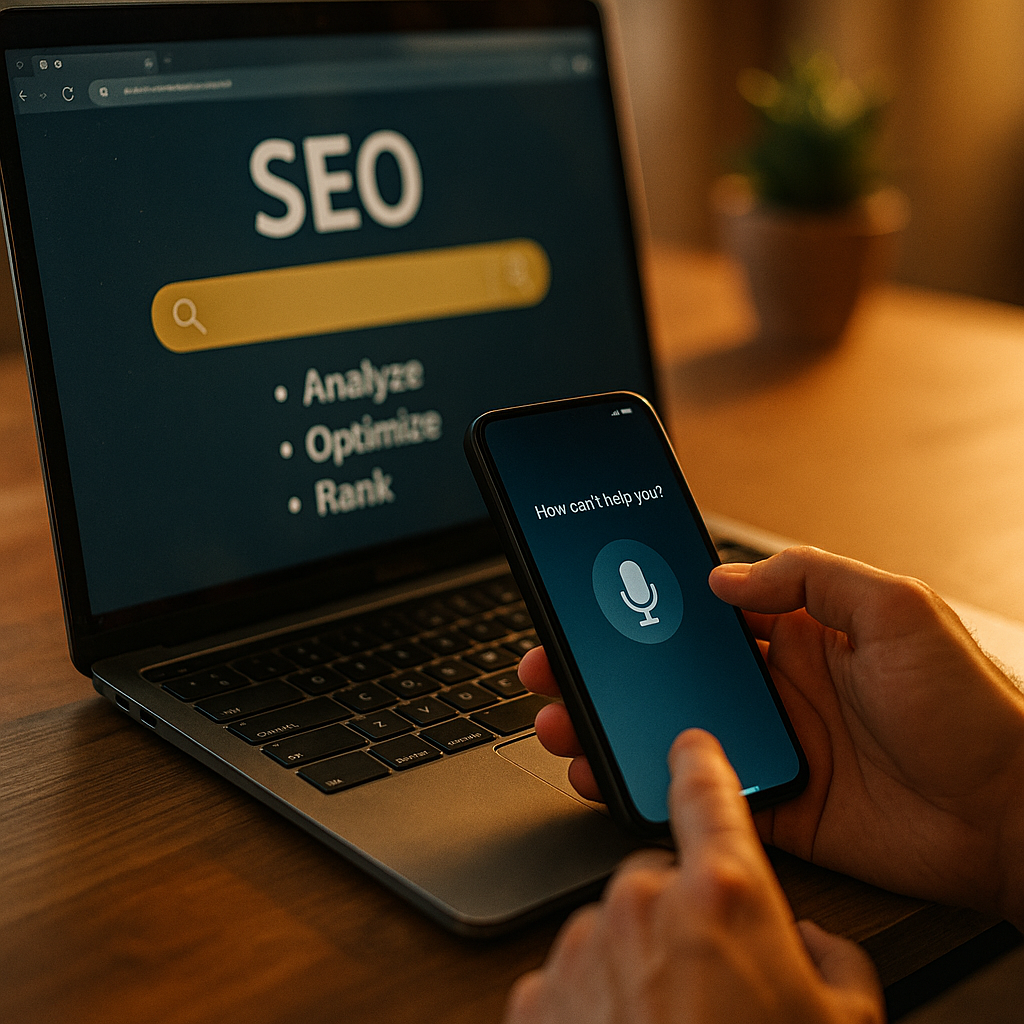
In 2025, search behavior is shifting from “find links” to “get the best answer.” Answer Engine Optimization (AEO) helps your content become the response shown in AI assistants, voice search, and rich results—not just another blue link. Brands that adapt earn visibility where decisions happen fastest. If you’re still optimizing only for rankings, you’re already behind—so what changes first?
AEO vs. SEO: understanding the shift to answer-first search
Traditional SEO is built around improving visibility in search result pages by earning rankings, clicks, and traffic. AEO focuses on a different outcome: being selected as the answer by systems that summarize, compare, and recommend. These include AI-driven search experiences, voice assistants, “people also ask” modules, and other answer surfaces that reduce the need to click.
This shift is not theoretical. Google’s own communications in recent years have emphasized “helpful content,” experience, and satisfying search intent. Meanwhile, modern interfaces increasingly provide direct responses, product comparisons, and step-by-step guidance without sending the user to ten different pages. That changes what “winning” looks like:
- SEO success: high rankings, high CTR, strong sessions and pageviews.
- AEO success: accurate extraction, citations/mentions, visibility in answer modules, and downstream conversions even with fewer clicks.
The key implication: you must optimize for both. AEO does not replace SEO fundamentals such as crawlability, speed, and quality links. Instead, it overlays a new set of requirements: clarity, structure, evidence, and machine-readable context so your content can be trusted, extracted, and presented safely.
Why AEO is rising in 2025: AI search, voice, and zero-click results
AEO is rising because user expectations have changed. People now ask longer, more specific questions, and they expect a complete answer, not a list of options. AI-assisted search experiences are trained to satisfy that demand by synthesizing information quickly. Voice search also pushes “single best answer” behavior because a device can’t read ten results aloud.
Another driver is the continued growth of zero-click behavior. Even when users start on a traditional search engine, they often get what they need from featured snippets, knowledge panels, local packs, and Q&A components. For publishers and brands, that creates two practical outcomes:
- Traffic may decline for simple queries (definitions, basic steps), even if your content ranks well.
- Revenue opportunities move downstream to brand trust, email capture, product pages, and high-intent queries where people still need depth.
Readers often ask, “Does this mean organic traffic no longer matters?” It still matters, but the measurement mindset changes. Instead of treating every page as a traffic magnet, treat many pages as answer assets that build authority and feed conversions through internal linking, strong calls-to-action, and trust signals. You can win without a click if the user remembers your brand, sees you cited, or returns later for deeper content.
How answer engines choose sources: EEAT and trust signals
Answer engines must minimize risk: incorrect medical, legal, financial, or safety advice can harm users and damage platforms. That’s why selection favors content that demonstrates Experience, Expertise, Authoritativeness, and Trustworthiness (EEAT). In 2025, EEAT is not a buzzword; it is a selection filter.
To align with EEAT in an AEO context, focus on what systems and humans can verify quickly:
- Experience: include first-hand observations, real workflows, screenshots you created, step-by-step processes you actually use, and clear “when we tested this” language where appropriate.
- Expertise: ensure technical accuracy, use correct terminology, and address edge cases (for example, “If you’re on iOS vs. Android…”).
- Authoritativeness: earn mentions and links from relevant sites; demonstrate topical depth across a cluster, not one isolated article.
- Trustworthiness: cite reputable sources, disclose affiliations, keep pages updated, and avoid exaggerated claims.
Include information users typically need next: limitations, prerequisites, costs, time estimates, and risks. Answer engines prefer content that reduces follow-up questions because it better satisfies intent.
Also treat “brand legitimacy” as an optimization target. Strong About pages, clear author attribution, editorial standards, contact information, and transparent update practices all make it easier for evaluators and systems to trust what you publish.
AEO content strategy: structure, entities, and direct answers
AEO favors content that is easy to extract and hard to misinterpret. Your goal is to make the answer explicit, then support it with context and evidence. That requires disciplined structure and a focus on entities (people, products, locations, concepts) so systems can understand what your page is “about” and when it is relevant.
Use these practical AEO content patterns:
- Answer-first formatting: start key sections with a 1–2 sentence direct answer, then expand with steps, examples, and caveats.
- Question-led subtopics: reflect real queries in your headings and paragraph openers (who/what/why/how/when).
- Clear definitions and boundaries: state what something is, what it is not, and when to use an alternative.
- Comparisons: provide concise “X vs. Y” guidance with decision criteria, not just feature lists.
- Lists and steps: use ordered lists for processes and unordered lists for options; keep items parallel and specific.
- Entity consistency: use consistent naming (product names, standards, job titles) and explain acronyms once.
One common follow-up: “Should we write shorter content because answers are short?” Write layered content: a short extractable answer, plus the depth that humans (and high-intent visitors) still need. This approach supports both AEO visibility and conversion.
Also, refresh content intentionally. If your topic changes quickly (tools, pricing, policies), set a review cadence and display the last reviewed date. Freshness alone won’t win, but outdated pages often lose selection because they create risk.
Technical AEO optimization: schema markup, clean UX, and crawl readiness
Even the best answer can be ignored if systems struggle to parse your page. Technical AEO is about removing ambiguity and improving extraction. Start with the fundamentals—indexability, speed, and mobile usability—then add structured data and content hygiene.
Priorities that consistently help:
- Structured data (schema markup): implement relevant types such as FAQ, HowTo (when eligible), Product, Organization, LocalBusiness, Article, and Breadcrumb. Keep it consistent with visible content.
- Clean information architecture: group related pages into topical hubs; use descriptive internal anchors that explain what the linked page answers.
- Snippet-ready formatting: short paragraphs, descriptive lists, and tables only when they clarify comparisons.
- Fast, accessible UX: reduce intrusive popups, ensure readable typography, and keep key answers high on the page.
- Media support: add original images where they improve understanding; use descriptive alt text and filenames.
Readers often ask, “Does schema guarantee visibility in answer engines?” No. Schema improves comprehension and eligibility, but selection still depends on relevance, trust, and the quality of the on-page answer. Think of schema as a way to reduce friction—not a shortcut.
Measuring AEO success: visibility, citations, and conversion metrics
AEO requires different KPIs than traditional SEO. Rankings still matter, but they don’t capture answer placement, citations, or brand lift. In 2025, measurement should combine search performance data with engagement and business outcomes.
Track AEO impact with a balanced set of indicators:
- Search Console trends: impressions and clicks for question-based queries; changes in CTR can signal more zero-click behavior even when visibility rises.
- Featured result monitoring: track presence in featured snippets and “people also ask” for target topics.
- Brand query growth: an increase in searches for your brand and branded products can indicate that answer exposure is driving recall.
- On-site conversions: newsletter signups, demo requests, purchases, and assisted conversions from informational pages.
- Content accuracy signals: reduced support tickets on “how do I” topics, fewer repeat questions, and higher satisfaction in user feedback.
Because some answer surfaces won’t send clicks, also measure what happens when users do land. Make it easy for them to take the next step: provide a “best next action” link, a short checklist download, or a comparison tool. AEO visibility is only valuable if it supports outcomes you can sustain.
FAQs about Answer Engine Optimization (AEO)
-
What is Answer Engine Optimization (AEO)?
AEO is the practice of optimizing content so AI assistants, voice tools, and search features can confidently extract and present your content as a direct answer. It emphasizes clarity, structure, and trust signals in addition to traditional SEO factors.
-
Is AEO replacing SEO?
No. AEO builds on SEO. You still need crawlable pages, strong performance, and relevant authority. AEO adds answer-focused formatting, entity clarity, and credibility so your content can be selected in answer-first experiences.
-
How do I optimize a page for answer engines?
Lead with a direct answer, support it with steps and examples, address common follow-up questions, cite reliable sources, and use structured data when appropriate. Keep the page easy to scan and maintain a clear, consistent topic focus.
-
Does schema markup help with AEO?
Yes, it can improve machine understanding and eligibility for rich results. But schema is not a ranking hack; the page still needs the best answer, strong EEAT signals, and a user-friendly experience.
-
How can I measure AEO results if clicks drop?
Track impressions, snippet presence, and question-query visibility alongside brand search growth and conversions. Also measure downstream impact such as assisted conversions, email signups, and improved customer support outcomes.
-
What content types benefit most from AEO?
How-to guides, definitions, comparisons, troubleshooting pages, local service answers, product Q&A, and policy explainers tend to perform well because users ask specific questions and want actionable responses.
Answer-first experiences are reshaping how people discover and trust information in 2025. AEO rewards content that is precise, well-structured, and supported by real expertise, not vague optimization tricks. Keep SEO fundamentals strong, then design each page to be extracted as a complete, safe answer. The takeaway is simple: optimize for being chosen, not just being found.
Top Influencer Marketing Agencies
The leading agencies shaping influencer marketing in 2026
Agencies ranked by campaign performance, client diversity, platform expertise, proven ROI, industry recognition, and client satisfaction. Assessed through verified case studies, reviews, and industry consultations.
Moburst

-
2

The Shelf
Boutique Beauty & Lifestyle Influencer AgencyA data-driven boutique agency specializing exclusively in beauty, wellness, and lifestyle influencer campaigns on Instagram and TikTok. Best for brands already focused on the beauty/personal care space that need curated, aesthetic-driven content.Clients: Pepsi, The Honest Company, Hims, Elf Cosmetics, Pure LeafVisit The Shelf → -
3

Audiencly
Niche Gaming & Esports Influencer AgencyA specialized agency focused exclusively on gaming and esports creators on YouTube, Twitch, and TikTok. Ideal if your campaign is 100% gaming-focused — from game launches to hardware and esports events.Clients: Epic Games, NordVPN, Ubisoft, Wargaming, Tencent GamesVisit Audiencly → -
4

Viral Nation
Global Influencer Marketing & Talent AgencyA dual talent management and marketing agency with proprietary brand safety tools and a global creator network spanning nano-influencers to celebrities across all major platforms.Clients: Meta, Activision Blizzard, Energizer, Aston Martin, WalmartVisit Viral Nation → -
5

The Influencer Marketing Factory
TikTok, Instagram & YouTube CampaignsA full-service agency with strong TikTok expertise, offering end-to-end campaign management from influencer discovery through performance reporting with a focus on platform-native content.Clients: Google, Snapchat, Universal Music, Bumble, YelpVisit TIMF → -
6

NeoReach
Enterprise Analytics & Influencer CampaignsAn enterprise-focused agency combining managed campaigns with a powerful self-service data platform for influencer search, audience analytics, and attribution modeling.Clients: Amazon, Airbnb, Netflix, Honda, The New York TimesVisit NeoReach → -
7

Ubiquitous
Creator-First Marketing PlatformA tech-driven platform combining self-service tools with managed campaign options, emphasizing speed and scalability for brands managing multiple influencer relationships.Clients: Lyft, Disney, Target, American Eagle, NetflixVisit Ubiquitous → -
8

Obviously
Scalable Enterprise Influencer CampaignsA tech-enabled agency built for high-volume campaigns, coordinating hundreds of creators simultaneously with end-to-end logistics, content rights management, and product seeding.Clients: Google, Ulta Beauty, Converse, AmazonVisit Obviously →