


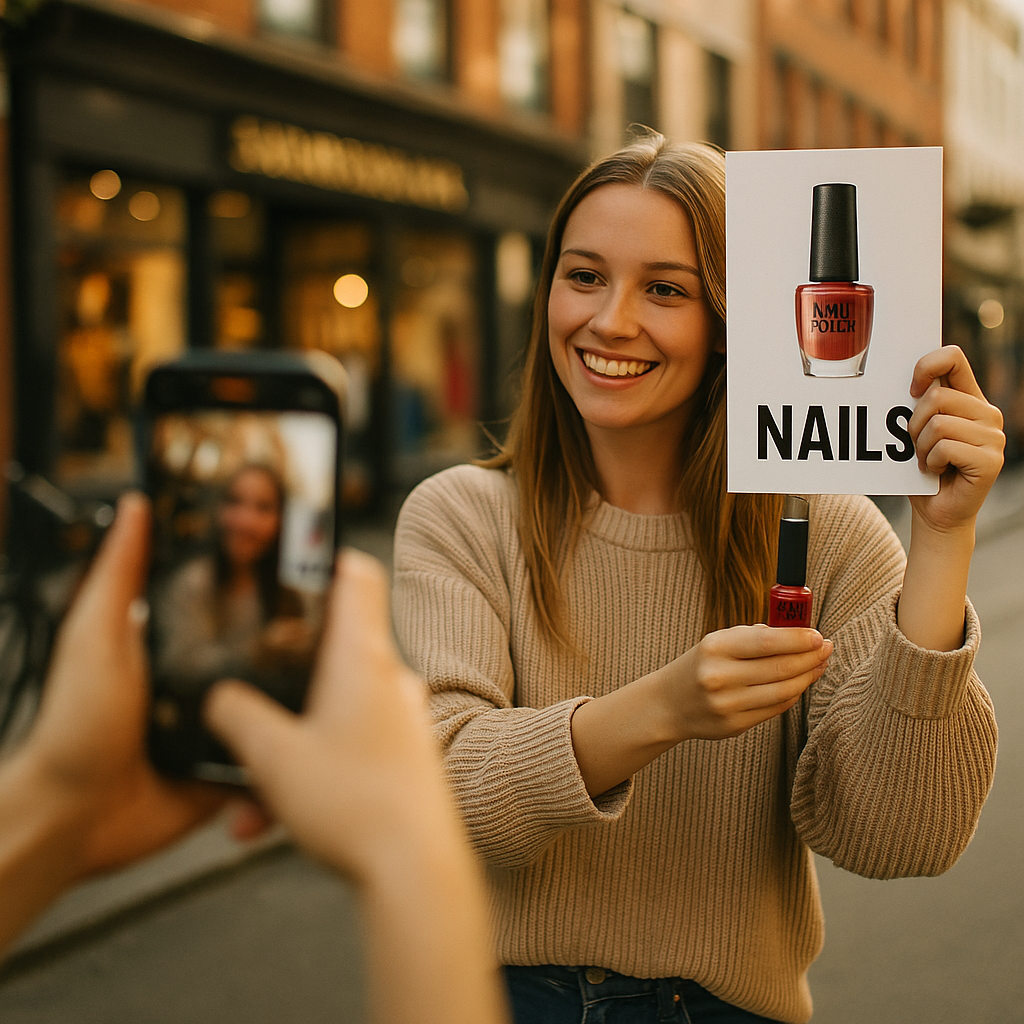
In 2025, digital ads feel louder than ever, yet attention is scarcer. Brands are rediscovering the power of tangible experiences through Analog influencer marketing: curated, high-touch physical mailers sent to creators who can translate products into trusted stories. The approach blends craft, data, and relationship building to cut through feeds and spark real conversation. Ready to see why mail is winning again?
Why High-Touch Physical Mailers Are Surging in Influencer Campaigns
Influencer marketing matured fast: more creators, more sponsored posts, more sameness. Audiences have grown skilled at spotting templated content, and creators protect their credibility. Physical mailers answer both problems by changing the medium and the moment.
Mail creates a pause. A package arrives outside the scroll, demanding a different kind of attention. Creators can film an unboxing, try a product off-camera, and develop a genuine point of view before posting. That time gap often improves content quality because the creator’s experience becomes the script.
Mail feels earned, not inserted. A well-designed mailer signals effort and intent. It communicates, “We know who you are, and we invested in you,” which is a stronger relationship opener than a mass email. For creators, that effort can justify experimenting with new formats like long-form reviews, “day in the life” integrations, or multi-part stories.
Mail supports multi-sensory proof. Some products simply perform better when handled: skincare textures, fragrance notes, apparel fit, packaging premium cues, hardware build quality, even the ease of setup for a device. Physical evidence can strengthen a creator’s claims and reduce audience skepticism.
Mailers also reduce the content bottleneck. Many influencer campaigns fail not on reach, but on friction: unclear briefs, missing assets, last-minute shipping, inconsistent instructions. A strong mailer can include everything a creator needs—product, context, creative prompts, and compliance cues—without over-directing the content.
In practical terms, high-touch mailers are surging because they deliver a rare combination: elevated experience for the creator, differentiated content for the brand, and a tangible story for the audience.
Creator Gifting Strategies That Earn Authentic Content (Without Bribery)
High-touch doesn’t mean expensive; it means intentional. The best creator gifting strategies feel personal, useful, and easy to share—while respecting the creator’s independence.
Start with fit, not follower count. Choose creators whose existing content already overlaps with your product’s use case. For example, a kitchen tool performs best with recipe creators who teach technique, not just lifestyle creators who post aesthetic shots. This protects authenticity and improves conversion.
Give value beyond the product. Useful additions can increase the odds of meaningful content:
- Context cards: a short, creator-friendly product story, key differentiators, and “why now” in plain language.
- Usage shortcuts: setup steps, care instructions, or “3 ways to use this” that make testing easy.
- Audience-ready details: ingredient highlights, sizing guidance, compatibility notes, or warranty terms creators can reference accurately.
- Optional creative prompts: angles like comparisons, routines, or challenges that a creator can adopt or ignore.
Make the relationship clear. If you’re gifting with no posting requirement, say so explicitly. If you want deliverables, use a paid partnership and outline expectations up front. Creators and audiences both punish ambiguity.
Keep control light. High-touch mailers should support creativity, not script it. Provide “must-be-true” claims (what you can substantiate) and “must-not-say” boundaries (regulated categories, restricted claims), then let creators speak in their own voice.
Handle disclosure proactively. Include a simple disclosure reminder card (for example, “If you post, please disclose gifted or paid partnership per platform rules”). This protects the creator and your brand while reinforcing transparency as a shared priority.
When creator gifting strategies are built on fit, clarity, and autonomy, creators treat the mailer as an invitation to explore—rather than a transaction.
Unboxing Experience Design: How Packaging Turns Mail Into Media
The unboxing experience design is not decoration; it’s content architecture. It shapes what gets filmed, what gets remembered, and what gets repeated in captions and comments.
Design for the camera, not just the shelf. Creators shoot in varied lighting and spaces. High-contrast text, clean labels, and a clear sequence help. Think about what appears in the first three seconds of video: brand, product, and one compelling cue (a promise, a texture, a feature).
Build a narrative flow. A mailer should reveal information in layers:
- Layer 1 (open): a crisp message that explains the “why” in one sentence.
- Layer 2 (discover): product and supporting items placed intentionally to guide the creator’s hands and camera.
- Layer 3 (use): a simple next step: how to try it today, not “sometime.”
Include tactile and sensory cues with purpose. A textured insert, a fabric swatch, or a scent strip can be effective if it helps the creator describe the product honestly. Avoid gimmicks that create waste or distract from performance.
Balance brand polish with creator relatability. Overly luxurious packaging can backfire if it feels mismatched with the product’s price point or values. Many audiences respond better to premium-but-practical choices: recyclable materials, minimal ink coverage, and a clear sustainability note that explains what to recycle and how.
Protect the product first. Nothing hurts trust like a damaged item. Test shipping durability, temperature sensitivity, and leakage risk. If a creator receives a compromised product, you don’t just lose a post—you risk a negative story.
Answer the “so what?” inside the box. Include one short proof point that matters to the audience: a performance metric, a guarantee, a compatibility list, or a comparison chart—only if you can substantiate it. The goal is to help creators speak accurately and confidently.
Great unboxing experience design turns a mail moment into a repeatable media format: open, react, test, conclude.
Direct Mail ROI For Influencer Marketing: What To Measure And How
Physical mailers can feel “untrackable” compared to links and pixels, but direct mail ROI for influencer marketing is measurable when you plan instrumentation before you ship.
Define the job of the mailer. Mail can drive different outcomes, and the metrics should match:
- Seeding: generate creator interest and organic mentions (measure response rate, post rate, sentiment, and quality).
- Paid collaborations: support contracted content (measure on-time delivery, content performance, and conversion).
- Retail lift: prompt store visits or purchase intent (measure using retailer-specific codes, regional tests, or post-purchase surveys).
Use trackable assets that don’t ruin aesthetics. Provide a creator-specific code and a short, clean URL. If you want QR codes, make them small and place them on an insert card rather than the hero panel. Track:
- Redemption: code use, average order value, and repeat rate.
- Traffic quality: landing page engagement and assisted conversions.
- Content impact: saves, shares, comments, and watch time—often better predictors than likes.
Measure “content efficiency,” not just reach. High-touch mailers can raise cost per package, but improve outcomes by increasing the percentage of creators who post and the usefulness of the content you can repurpose. Track:
- Cost per qualified post: total mailer program cost divided by posts that meet brand safety and disclosure standards.
- Creative reuse rate: percentage of creator assets approved for paid amplification or owned channels.
- Time-to-content: average days from delivery to first post (helps forecast launches).
Run structured tests. To isolate what works, test one variable at a time across comparable creator groups: packaging level, product bundle size, insert messaging, or timing. Combine performance data with creator feedback to understand why an approach succeeded.
Account for relationship value. A physical mailer can open a long-term creator partnership. Track follow-on outcomes like second collaboration acceptance rate, reduced negotiation time, and improved performance over subsequent posts. These indicators reflect compounding trust—often the real ROI of analog tactics.
Personalization And Compliance In Brand Mailers For Creators
High-touch mailers can fail if they cross privacy lines, ignore accessibility, or create compliance risk. Personalization and compliance need to be designed in from the first spreadsheet.
Use data responsibly. Only collect what you need to ship and support the campaign. Make it clear how you obtained the address (for example, provided by the creator or their management) and how it will be stored. Limit internal access and delete data when it’s no longer required for program operations.
Personalize like a human, not a CRM. Effective personalization is specific and respectful:
- Reference a real content theme: “Loved your series on pantry-friendly meals.”
- Offer a relevant variant: shade, size, scent, or dietary preference when appropriate.
- Include a true reason for selection: “Your audience asks about…”
Make compliance easy inside the package. Provide a small insert with:
- Disclosure reminder: gifted vs paid partnership language suggestions.
- Claim boundaries: what the creator can say confidently (substantiated), and what to avoid (unverified claims, restricted language).
- Usage and safety notes: especially for ingestibles, beauty, wellness, or products with age restrictions.
Design for accessibility and clarity. Use readable fonts, strong contrast, and plain language. If instructions matter, avoid tiny print. Consider providing a link to an accessible digital guide that includes captions, alt-friendly images, and translations where relevant.
Respect creator boundaries. Some creators prefer not to share their home address. Offer alternatives: PO boxes, management addresses, fulfillment partners, or secure address collection tools. A high-touch program should reduce friction, not create new discomfort.
When mailers respect privacy, reduce risk, and support honest communication, creators feel safer engaging—and audiences trust the resulting content more.
Building A Scalable Influencer Seeding Program With Physical Mailers
The biggest misconception is that analog means unscalable. You can build a repeatable influencer seeding program with physical mailers by standardizing the parts that should be consistent and customizing the parts that actually move results.
Start with a tiered kit system. Create three kit levels tied to creator fit and campaign goals:
- Seed kit: core product + concise story card + code (lightweight, cost-controlled).
- Feature kit: product bundle + usage accessories + richer creative prompts (for higher-likelihood posters).
- Launch kit: hero experience + PR-worthy design + demo elements (for strategic creators and press overlap).
Build a tight operations workflow. Scale depends on reliability:
- Inventory planning: reserve units for creators before retail allocations tighten.
- Address verification: reduce returns and missed deliveries.
- Delivery visibility: tracking links and exception handling (lost, delayed, damaged).
- Creator support: a single contact method for questions and replacements.
Create a feedback loop. After delivery, ask two questions via a short form: “Did everything arrive intact?” and “What would make this easier to test or share?” This improves future kits and signals partnership, not extraction.
Plan for amplification. If you intend to run creator content as ads, secure usage rights early and ensure the mailer includes the correct product shots, approved claims, and any required disclaimers. This turns seeding into a performance asset pipeline rather than a one-off surprise.
Keep the brand voice consistent. Even with personalization, the fundamentals should match your positioning: tone, values, sustainability posture, and customer promises. Consistency is what makes analog feel premium instead of random.
A scalable influencer seeding program delivers repeatable quality: creators get a great experience every time, and your team can forecast outcomes without losing the human touch.
FAQs
Do high-touch physical mailers require creators to post?
No. Many programs are “gifted with no obligation,” which you should state clearly. If you need guaranteed content, structure it as a paid partnership with defined deliverables, timelines, and usage rights. Clarity protects the relationship and improves content quality.
How much should a brand spend per influencer mailer?
Spend based on objective and expected value, not aesthetics. A seed kit can be lean if the product is the hero, while a launch kit may justify more investment for strategic creators. Track cost per qualified post and conversion to decide which kit tier earns its keep.
What should be included in a creator mailer package?
Include the product in its best-use configuration, a short story card, clear instructions for testing, and a creator-specific code or URL. Add optional creative prompts and a disclosure reminder. Avoid overwhelming inserts; creators value speed to understanding.
How do you measure results from physical mailers?
Use creator-specific discount codes, short URLs, and landing pages to attribute sales and traffic. Measure content performance (watch time, saves, shares), post rate, sentiment, and asset reusability. For retail, use retailer codes, regional tests, or post-purchase surveys.
Are physical mailers better than sending products through online marketplaces?
They serve different goals. Marketplaces optimize logistics, but high-touch mailers optimize perception, storytelling, and relationship depth. If your product needs explanation, sensory proof, or differentiation, mailers often outperform standard fulfillment.
How can brands stay compliant when gifting products to creators?
Provide a disclosure reminder, avoid pushing unsubstantiated claims, and include safety/usage guidance for regulated categories. Keep records of what was sent and whether posts were gifted or paid. When in doubt, align with legal counsel and platform policies.
Analog influencer marketing is rising because it creates a real-world moment that creators and audiences treat differently than another sponsored post. High-touch physical mailers help brands earn attention through thoughtful design, clear information, and respectful relationship building. In 2025, the winning approach pairs tactile storytelling with measurable tracking and strong compliance. Invest in experience, measure what matters, and let creators lead the narrative.
Top Influencer Marketing Agencies
The leading agencies shaping influencer marketing in 2026
Agencies ranked by campaign performance, client diversity, platform expertise, proven ROI, industry recognition, and client satisfaction. Assessed through verified case studies, reviews, and industry consultations.
Moburst

-
2

The Shelf
Boutique Beauty & Lifestyle Influencer AgencyA data-driven boutique agency specializing exclusively in beauty, wellness, and lifestyle influencer campaigns on Instagram and TikTok. Best for brands already focused on the beauty/personal care space that need curated, aesthetic-driven content.Clients: Pepsi, The Honest Company, Hims, Elf Cosmetics, Pure LeafVisit The Shelf → -
3

Audiencly
Niche Gaming & Esports Influencer AgencyA specialized agency focused exclusively on gaming and esports creators on YouTube, Twitch, and TikTok. Ideal if your campaign is 100% gaming-focused — from game launches to hardware and esports events.Clients: Epic Games, NordVPN, Ubisoft, Wargaming, Tencent GamesVisit Audiencly → -
4

Viral Nation
Global Influencer Marketing & Talent AgencyA dual talent management and marketing agency with proprietary brand safety tools and a global creator network spanning nano-influencers to celebrities across all major platforms.Clients: Meta, Activision Blizzard, Energizer, Aston Martin, WalmartVisit Viral Nation → -
5

The Influencer Marketing Factory
TikTok, Instagram & YouTube CampaignsA full-service agency with strong TikTok expertise, offering end-to-end campaign management from influencer discovery through performance reporting with a focus on platform-native content.Clients: Google, Snapchat, Universal Music, Bumble, YelpVisit TIMF → -
6

NeoReach
Enterprise Analytics & Influencer CampaignsAn enterprise-focused agency combining managed campaigns with a powerful self-service data platform for influencer search, audience analytics, and attribution modeling.Clients: Amazon, Airbnb, Netflix, Honda, The New York TimesVisit NeoReach → -
7

Ubiquitous
Creator-First Marketing PlatformA tech-driven platform combining self-service tools with managed campaign options, emphasizing speed and scalability for brands managing multiple influencer relationships.Clients: Lyft, Disney, Target, American Eagle, NetflixVisit Ubiquitous → -
8

Obviously
Scalable Enterprise Influencer CampaignsA tech-enabled agency built for high-volume campaigns, coordinating hundreds of creators simultaneously with end-to-end logistics, content rights management, and product seeding.Clients: Google, Ulta Beauty, Converse, AmazonVisit Obviously →