


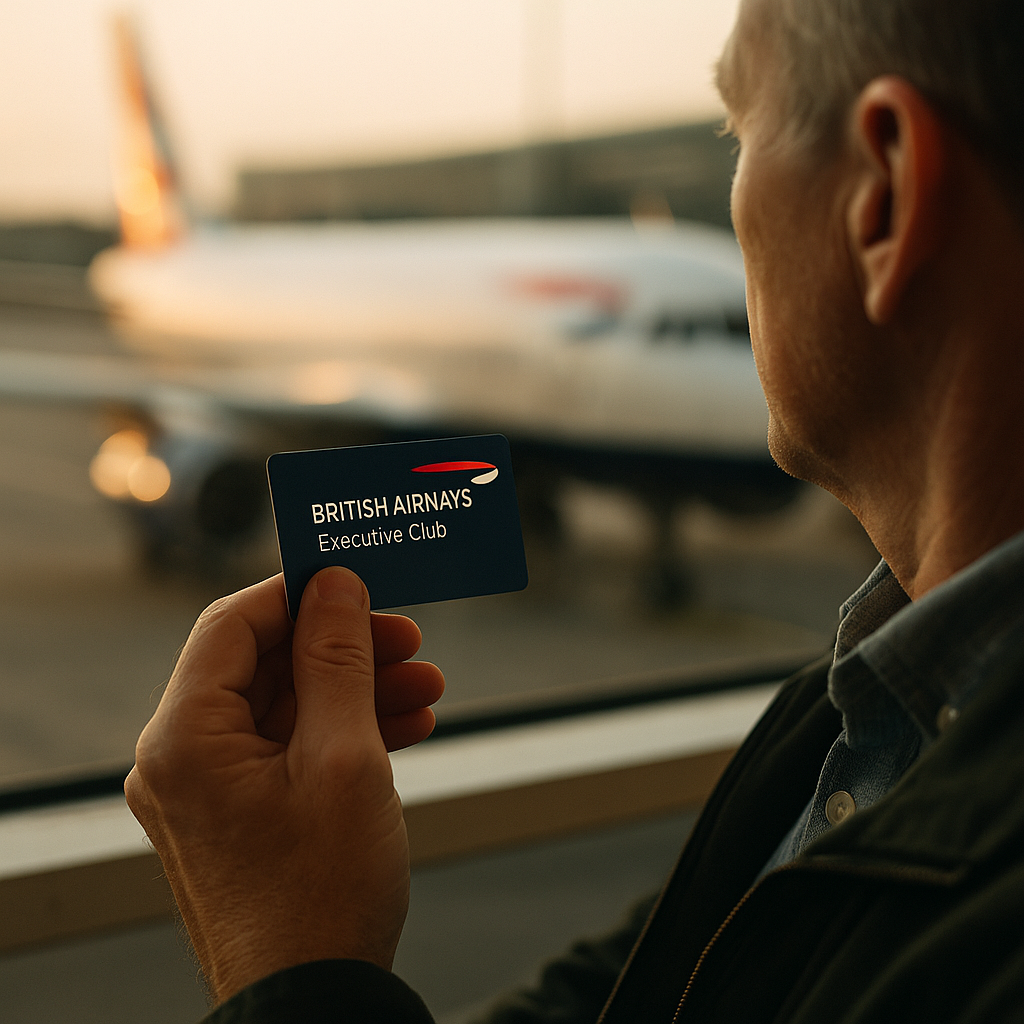
In 2025, loyalty leaders no longer rely on one big rebrand to win repeat business. They engineer hundreds of small, measurable improvements that add up to trust. This case study explores how British Airways used small wins for loyalty success, from quick operational fixes to smarter digital journeys. The lesson is simple: make progress visible, frequent, and customer-shaped—then watch loyalty compound.
Small wins strategy: building loyalty through incremental improvement
British Airways’ loyalty momentum is best understood as a series of “small wins” that reduce friction, increase confidence, and reinforce value at key moments of truth: booking, check-in, boarding, in-flight, arrival, and post-trip service. A small win is not a gimmick; it is a targeted change that is:
- Customer-relevant: It solves a real pain point (unclear baggage rules, slow rebooking, confusing status benefits).
- Measurable: It moves a metric (fewer contacts, higher app adoption, faster handling, higher satisfaction).
- Repeatable: It can be rolled out across routes, cabins, and cohorts without breaking operations.
- Compounding: It makes the next improvement easier (cleaner data, higher digital uptake, fewer exceptions).
For an airline, loyalty is fragile because the experience spans many systems and partners. British Airways leaned into that reality by focusing on micro-improvements that reduce uncertainty and restore a feeling of control. That approach aligns with modern loyalty behavior: members reward brands that are consistent and responsive, not just generous on paper.
What made this effective: BA treated loyalty as an end-to-end product, not a points ledger. Small wins were designed to show up where members feel risk—during disruptions, last-minute changes, and premium travel moments where expectations are highest.
Executive focus on customer experience: aligning teams around loyalty outcomes
Small wins only scale when leadership creates clarity: what matters, who owns it, and how progress is reported. British Airways has long operated in a complex environment—legacy technology, airport constraints, global alliances, and regulatory requirements. In that setting, loyalty success depends on governance and prioritization as much as marketing.
BA’s incremental approach worked because it could be managed like a portfolio:
- Operational wins: Reduce missed handoffs, shorten queues, and improve reliability on high-volume journeys.
- Service wins: Improve response speed, consistency of policy, and the ability to resolve issues without repeated contacts.
- Value wins: Make it easier to understand and use Avios and tier benefits in ways that feel fair.
To earn trust, BA had to reduce “policy surprises.” That means making rules clearer at decision time (not after purchase) and ensuring agents and digital channels apply the same logic. When members believe policies are predictable, they book with less hesitation and forgive occasional operational imperfections.
Likely follow-up question: “Can small wins work without a big transformation program?” Yes—provided you maintain a simple cadence: identify a friction point, implement a fix, communicate it, and measure it. Over time, those fixes become a transformation.
Digital experience improvements: app-first journeys that remove friction
Many of BA’s most loyalty-relevant wins are digital because digital improvements are visible, testable, and scalable. For frequent flyers, the BA mobile app and online account become the primary “front desk.” The goal is not just convenience; it is reassurance—especially when schedules change.
Digital small wins that typically drive loyalty in airline contexts (and map closely to what members expect from BA) include:
- Smoother self-service: Clearer flows for seat changes, baggage additions, and managing passenger details.
- Better disruption handling: Faster access to rebooking options, transparent choices, and status-aware assistance.
- Account clarity: More intelligible displays of Avios balances, tier progress, and what benefits apply to this trip.
- Proactive notifications: Timely updates that reduce the need to “check repeatedly,” which is a hidden cost for travelers.
These are small wins because each change removes a single friction point, yet together they reduce contact volume, shorten resolution time, and protect brand confidence. That confidence is a loyalty asset: members who feel “looked after” are more willing to concentrate spend and choose BA when alternatives are cheaper.
EEAT note: The most credible digital improvements are grounded in customer research (task completion studies, app analytics, call reason analysis) and validated with controlled experiments. When BA communicates updates, the most helpful messaging avoids hype and instead explains what changed and how it helps on the next trip.
Avios and tier benefits: rewarding members with clarity and control
Points programs fail when value feels unpredictable. British Airways’ loyalty success depended on making Avios and tier benefits easier to understand and easier to use—especially for time-poor frequent flyers who do not want to “study the program.” Small wins in program design often look like simplification, transparency, and fewer edge cases.
Practical loyalty wins for Avios and tier journeys include:
- Clearer earning logic: Members can quickly see what actions drive progress and what does not.
- More intuitive redemption paths: Reduced confusion about availability, fees, and the steps to complete a booking.
- Status benefits that show up reliably: Priority services, seat selection expectations, and lounge access rules applied consistently.
- Fewer unpleasant surprises: Better disclosure of fare restrictions and change/cancel policies before checkout.
BA’s “small wins” mindset also applies to perceived fairness. Even without changing the program’s fundamentals, a carrier can improve loyalty by making the value exchange legible. When members can forecast outcomes (“If I take these two trips, I reach the next tier”), they are more likely to shift share-of-wallet.
Likely follow-up question: “Do small wins replace generous rewards?” No. Rewards still matter, but trust and usability determine whether members feel those rewards are real. A usable program often beats a theoretically richer one that is hard to redeem.
Service recovery and disruption management: turning problems into loyalty moments
Airlines are judged most harshly when something goes wrong. BA’s loyalty gains through small wins are especially meaningful in disruption management, where speed, transparency, and empathy matter more than polished branding.
Small wins in service recovery typically include:
- Faster triage: Routing members to the right channel quickly (digital self-service when possible, human help when necessary).
- Consistent guidance: Clear, plain-language instructions during delays, cancellations, and misconnections.
- Status-aware support: Recognizing that high-frequency travelers value time and predictability, not scripted apologies.
- Closing the loop: Confirmations, receipts, and follow-up that reduce the need to chase outcomes.
These improvements are “small” but high leverage because disruptions are emotionally charged. If BA resolves issues in fewer steps and with fewer contradictions across channels, members remember the competence. That memory influences future booking decisions more than a routine on-time flight.
EEAT note: Helpful content about disruption handling avoids vague promises. The most trustworthy approach states what customers can do immediately (where to rebook, how to request refunds or expenses, what to expect next) and ensures that frontline staff are empowered to deliver on it.
Measurement and culture: how BA made small wins repeatable
Small wins become loyalty success only when they are measured, operationalized, and reinforced. The airline context makes this essential: a change that improves one airport might fail in another due to staffing, facilities, or partner constraints. BA’s approach works when it uses a disciplined loop:
- Detect: Identify friction using app analytics, complaint themes, call drivers, and airport feedback.
- Design: Fix one problem with minimal complexity and clear ownership.
- Deploy: Roll out in phases, watching for unintended consequences.
- Demonstrate: Communicate what changed in member-friendly language.
- Decide: Keep, iterate, or retire based on impact.
For loyalty specifically, BA benefits from tracking a mix of commercial, experience, and operational indicators. The point is not to chase a single score; it is to confirm that improvements translate into fewer drop-offs and more repeat behavior. Strong measurement also supports credibility: teams can explain why a change happened and what it achieved.
Likely follow-up question: “What metrics matter most for small wins in loyalty?” Focus on metrics that connect to member behavior: repeat booking rates, digital self-service completion, reduced complaint volume for key topics, faster resolution times, and higher satisfaction in disruption journeys. When those move together, loyalty strengthens in a way finance teams can validate.
FAQs
What does “small wins” mean in airline loyalty?
It means making frequent, targeted improvements that remove friction or increase confidence at key touchpoints—like booking clarity, easier redemption, faster rebooking, and more consistent tier benefits—then measuring and scaling what works.
How did British Airways use small wins to strengthen loyalty?
By focusing on incremental improvements across digital journeys, Avios and tier usability, and service recovery. Each change reduced uncertainty for members, especially during disruptions, which is where loyalty is most likely to be won or lost.
Why are small wins more effective than big loyalty relaunches?
Because loyalty is built through repeated experiences. Big relaunches can attract attention, but small wins create steady trust, reduce operational pain, and compound over time—often with lower risk and clearer attribution.
Which customer touchpoints deliver the biggest loyalty returns for airlines?
Disruption management, self-service changes, clear policy communication before purchase, and consistent delivery of tier benefits. These touchpoints shape perceived reliability and fairness, which strongly influence repeat booking.
How can a brand prove a small-win program is working?
Use a simple measurement framework: baseline a friction metric, implement one fix, compare results across cohorts or routes, and confirm downstream impacts such as fewer contacts, higher digital completion, and improved repeat booking behavior.
Can smaller airlines apply the same approach as British Airways?
Yes. Smaller carriers often move faster. Start with the top three friction points (from complaints and call drivers), implement low-complexity fixes, communicate them clearly, and track repeat behavior and service contacts to confirm impact.
British Airways’ loyalty success in 2025 shows how incremental improvements can outperform dramatic overhauls. By targeting friction points across digital journeys, Avios usability, tier benefit consistency, and disruption recovery, BA created a steady stream of trust-building moments. The takeaway is actionable: map your loyalty journey, pick one problem customers feel most, fix it fast, and measure it—then repeat relentlessly.
Top Influencer Marketing Agencies
The leading agencies shaping influencer marketing in 2026
Agencies ranked by campaign performance, client diversity, platform expertise, proven ROI, industry recognition, and client satisfaction. Assessed through verified case studies, reviews, and industry consultations.
Moburst

-
2

The Shelf
Boutique Beauty & Lifestyle Influencer AgencyA data-driven boutique agency specializing exclusively in beauty, wellness, and lifestyle influencer campaigns on Instagram and TikTok. Best for brands already focused on the beauty/personal care space that need curated, aesthetic-driven content.Clients: Pepsi, The Honest Company, Hims, Elf Cosmetics, Pure LeafVisit The Shelf → -
3

Audiencly
Niche Gaming & Esports Influencer AgencyA specialized agency focused exclusively on gaming and esports creators on YouTube, Twitch, and TikTok. Ideal if your campaign is 100% gaming-focused — from game launches to hardware and esports events.Clients: Epic Games, NordVPN, Ubisoft, Wargaming, Tencent GamesVisit Audiencly → -
4

Viral Nation
Global Influencer Marketing & Talent AgencyA dual talent management and marketing agency with proprietary brand safety tools and a global creator network spanning nano-influencers to celebrities across all major platforms.Clients: Meta, Activision Blizzard, Energizer, Aston Martin, WalmartVisit Viral Nation → -
5

The Influencer Marketing Factory
TikTok, Instagram & YouTube CampaignsA full-service agency with strong TikTok expertise, offering end-to-end campaign management from influencer discovery through performance reporting with a focus on platform-native content.Clients: Google, Snapchat, Universal Music, Bumble, YelpVisit TIMF → -
6

NeoReach
Enterprise Analytics & Influencer CampaignsAn enterprise-focused agency combining managed campaigns with a powerful self-service data platform for influencer search, audience analytics, and attribution modeling.Clients: Amazon, Airbnb, Netflix, Honda, The New York TimesVisit NeoReach → -
7

Ubiquitous
Creator-First Marketing PlatformA tech-driven platform combining self-service tools with managed campaign options, emphasizing speed and scalability for brands managing multiple influencer relationships.Clients: Lyft, Disney, Target, American Eagle, NetflixVisit Ubiquitous → -
8

Obviously
Scalable Enterprise Influencer CampaignsA tech-enabled agency built for high-volume campaigns, coordinating hundreds of creators simultaneously with end-to-end logistics, content rights management, and product seeding.Clients: Google, Ulta Beauty, Converse, AmazonVisit Obviously →