


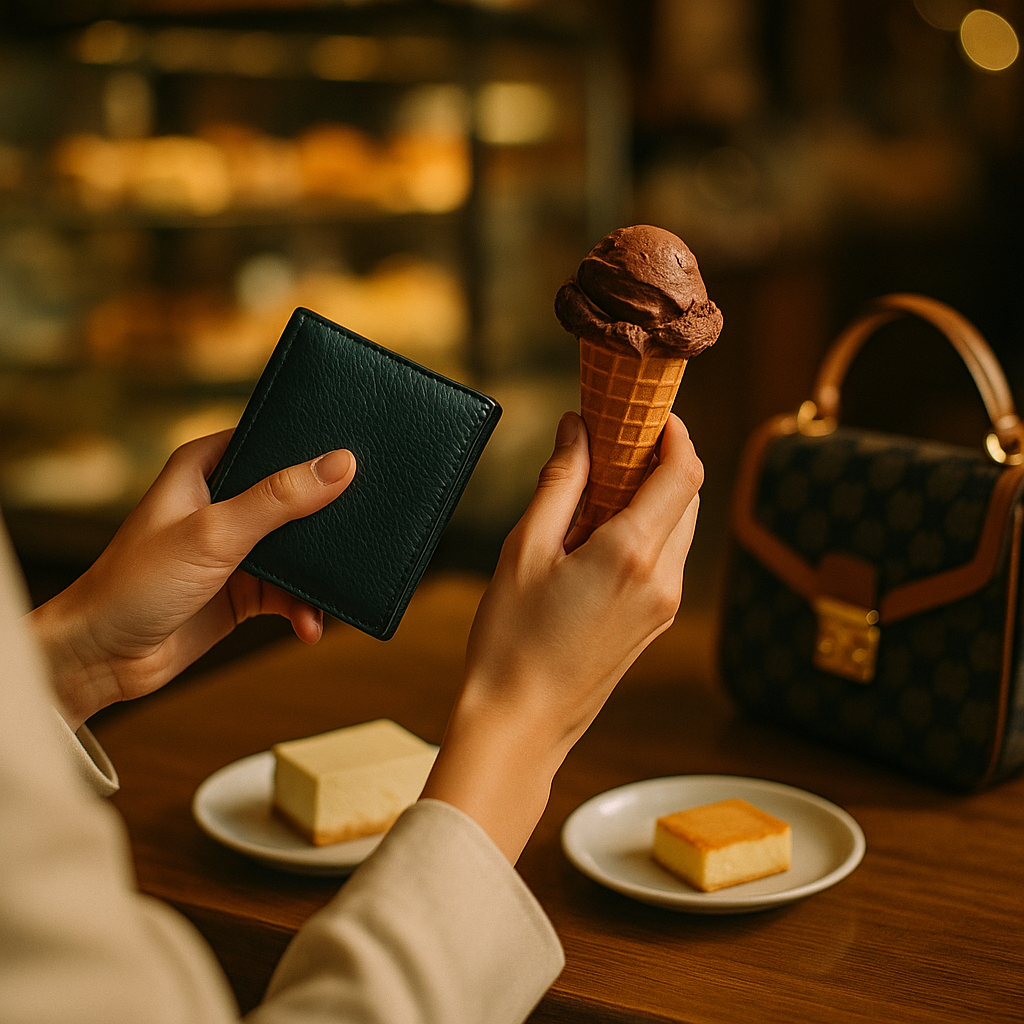
In 2025, consumers keep spending, but they spend differently. The Future of “Treatonomics” and the Small Luxury Consumer Shift reflects a mindset where people skip big-ticket indulgences and choose smaller, emotionally satisfying upgrades instead. From premium coffee to “mini” beauty splurges, these purchases feel rational and restorative. What happens when this habit becomes the new baseline?
Treatonomics trend: why small luxuries feel essential
Treatonomics describes a pattern: consumers trade down on major categories (like travel, electronics, or furniture) while trading up on modest indulgences that deliver immediate mood and identity benefits. In 2025, that “little reward” behavior isn’t a quirky side effect of uncertainty; it’s a coping strategy and a budgeting tactic.
Three forces make small luxuries feel essential rather than optional:
- Compressed joy cycles: People seek faster feedback. A $9 specialty drink, a new lip tint, or a limited-edition snack delivers instant gratification without long-term financial exposure.
- Control and predictability: When big expenses feel volatile—interest rates, rents, insurance—small treats become manageable “yes” decisions.
- Identity maintenance: Consumers still want to feel stylish, health-conscious, or discerning. Small luxuries allow self-expression at a lower price point.
Readers often ask, “Is this just impulse buying?” Not exactly. Treat purchases often follow a personal rule set: “I’ll skip the $2,000 upgrade, but I’ll buy the $20 upgrade that improves my daily routine.” The choice can be deliberate, budget-aware, and still emotional.
Small luxury consumer shift: who is buying and what they value
The small luxury consumer shift is broad, but motivations vary by life stage and financial reality. In 2025, the common thread is value—defined as personal impact, not just price.
What today’s small-luxury buyer values most:
- Noticeable quality: Better ingredients, better craftsmanship, better performance. If the difference isn’t felt quickly, the premium feels unjustified.
- Emotional return on spend: A treat should reduce friction, elevate mood, or create a small ritual that makes the day feel more intentional.
- Practical indulgence: Consumers justify “nice” purchases when they also solve a problem: stress relief, time savings, confidence, social connection.
- Trust: Clear labeling, consistent reviews, and transparent sourcing matter more when consumers are selectively paying premiums.
Who is driving the shift? It’s not limited to one generation. Professionals use treats as “micro-recovery” between work demands. Parents buy small upgrades that feel like self-care without derailing household budgets. Younger consumers often treat small luxuries as a way to access premium brands without committing to high-ticket categories.
What’s changing is how people evaluate premium: fewer buyers pay extra for status alone. They pay for a better experience, fewer compromises, and products that align with personal standards.
Affordable indulgence marketing: how brands can win without gimmicks
Affordable indulgence marketing works when it respects the buyer’s intelligence. Consumers in 2025 can spot inflated “premium” claims, vague wellness promises, and fake scarcity. Brands earn repeat purchases by pairing aspiration with proof.
Strategies that perform in a treatonomics-driven market:
- Make the upgrade specific: Replace “luxury” with measurable benefits: improved durability, better materials, richer flavor, longer wear, gentler formulation.
- Design for rituals: Treats often attach to routines—morning coffee, post-gym skincare, Friday dessert, Sunday reset. Packaging, instructions, and product formats should support those moments.
- Offer entry points: Minis, trial sizes, discovery bundles, and refillable systems reduce risk. The goal is to let consumers “try premium” without regret.
- Build credible differentiation: Certifications, lab testing, ingredient sourcing, and clear manufacturing standards help justify the price.
- Reduce buyer anxiety: Transparent returns, subscription pause options, and clear shipping timelines protect the “treat” feeling from turning into friction.
Many readers want to know: “Does discounting help?” Occasional promotions can bring trial, but constant discounting undermines the treat narrative and trains consumers to wait. A better approach is to add value—bundles, loyalty perks, early access, or limited seasonal variants—without eroding price integrity.
Premiumization in everyday purchases: categories rising fastest
Premiumization in everyday purchases is the economic story behind treatonomics: consumers selectively pay more for items they buy frequently because the perceived benefit compounds over time. The “per-use” logic makes small luxuries feel rational.
Everyday categories where premiumization is most visible:
- Food and beverage: Specialty coffee, functional drinks, premium snacks, and “better-for-you” desserts. Consumers pay for taste, ingredients, and the experience of a small break.
- Beauty and personal care: Travel sizes, targeted serums, fragrance mists, and dermatologist-backed basics. Trust and efficacy drive the premium.
- Fitness and recovery: Studio-class drop-ins, protein upgrades, electrolyte blends, and at-home recovery tools. The justification is performance and consistency.
- Home comfort: Elevated candles, bedding upgrades, small décor statements, and smart lighting. These purchases improve daily environment without major renovation costs.
- Digital micro-luxuries: Paid creator content, niche subscriptions, and add-ons that reduce cognitive load. Convenience becomes indulgence.
Consumers also ask: “Is premiumization inflation in disguise?” Sometimes higher prices reflect higher input costs, but premiumization implies consumers can identify a benefit worth paying for. If quality doesn’t track with price, premiumization collapses into distrust—especially in categories like supplements and skincare, where claims must be substantiated.
Brands that win here treat proof as part of the product: clear before-and-after expectations, ingredient concentrations where appropriate, sourcing details, and honest limitations. In a treat economy, overstating results is costly because disappointment kills repeat behavior.
Emotional spending behavior: how to serve needs ethically and sustainably
Emotional spending behavior is not inherently reckless. In 2025, many consumers use small luxuries to regulate stress, maintain motivation, and create moments of control. The ethical line appears when brands exploit anxiety, shame, or misinformation to trigger purchases.
How to address emotional drivers without manipulation:
- Be precise about outcomes: If a product supports relaxation, explain how (scent profile, routine guidance) and avoid medicalized claims unless properly substantiated.
- Encourage mindful cadence: Promote “treat schedules” (weekly, monthly) and replenishment reminders based on actual usage, not artificial urgency.
- Support financial transparency: Clear unit pricing, subscription controls, and no hidden fees protect trust.
- Design waste out: Refills, concentrated formulas, and recyclable packaging align with consumer values and reduce guilt associated with indulgence.
- Center inclusion: Small luxuries should feel accessible across skin tones, dietary needs, and lifestyles—especially when consumers use treats to feel seen.
From an EEAT perspective, the most trustworthy brands and retailers document what they do: third-party testing when relevant, supplier standards, allergen transparency, and customer support that resolves issues quickly. Expertise shows up in the details—ingredient explanations, care instructions, and clear comparisons that help the buyer choose the right option.
For consumers, the healthiest approach is to define “treat rules” that protect long-term goals: set a monthly cap, choose upgrades with high repeat utility, and avoid buying when the primary emotion is panic. Treatonomics works best when it’s intentional.
Consumer spending patterns 2025: what comes next for treatonomics
Consumer spending patterns 2025 suggest treatonomics will persist, but it will mature. The market is moving from novelty treats toward “everyday premium standards.” Consumers will still seek small joys, yet they will become more selective and less tolerant of vague premium positioning.
Key shifts likely to define the next phase:
- From logo to legitimacy: Brand equity still matters, but proof, ingredients, and performance matter more for repeat purchases.
- From quantity to curation: Buyers will consolidate: fewer items, better items. Expect “one great moisturizer” instead of a drawer of experiments.
- From impulse to planned indulgence: Wishlists, timed drops, and subscriptions with flexible controls will replace spur-of-the-moment splurges.
- From generic premium to personalized premium: Custom bundles, diagnostic quizzes with transparent logic, and tailored replenishment will win—if they respect privacy and avoid dark patterns.
- From single purchase to relationship: Loyalty programs will shift from points to perks: early access, refills, repairs, and education that helps customers get more from what they buy.
If you’re building a business, the strategic question becomes: “Which small luxury will consumers defend in their budget?” The answer is the one that reliably improves daily life, feels honest, and stays consistent. If you’re a consumer, the practical question is: “Which small upgrades give me the most relief or usefulness per dollar?” Treatonomics is a tool; it can serve you or drain you, depending on how it’s used.
FAQs
What is treatonomics in simple terms?
Treatonomics is the habit of cutting back on big purchases while spending on small, enjoyable upgrades that feel emotionally rewarding and financially manageable.
How is the small luxury consumer shift different from traditional luxury shopping?
Traditional luxury often centers on status and high-ticket items. The small luxury shift focuses on accessible premium experiences—higher quality, better rituals, and personal value—without major financial commitment.
Which products count as “small luxuries” in 2025?
Common examples include specialty coffee, premium snacks, mini fragrances, targeted skincare, small home comfort upgrades (candles, linens), boutique fitness drop-ins, and paid digital subscriptions that improve convenience or enjoyment.
Is treatonomics a sign of financial stress?
Sometimes, but not always. Many consumers use small luxuries as controlled indulgences within a budget. It can reflect uncertainty, but it can also reflect smarter prioritization and per-use value thinking.
How can brands price small luxuries without losing trust?
Brands protect trust by explaining what makes the product better, offering entry sizes, providing transparent sourcing or testing where relevant, and avoiding constant discounting that undermines the premium claim.
How can consumers enjoy small luxuries without overspending?
Set a monthly “treat” budget, choose upgrades with daily usefulness, avoid shopping when emotions are extreme, and favor quality over accumulation. A planned indulgence delivers more satisfaction than frequent impulse buys.
In 2025, treatonomics is less about frivolous splurges and more about controlled, high-impact choices. Consumers are redefining luxury as small, repeatable experiences that improve daily life without triggering long-term regret. Brands that win will prove quality, respect budgets, and design products around real routines. The takeaway: curate your treats—and make every premium upgrade earn its place.
Top Influencer Marketing Agencies
The leading agencies shaping influencer marketing in 2026
Agencies ranked by campaign performance, client diversity, platform expertise, proven ROI, industry recognition, and client satisfaction. Assessed through verified case studies, reviews, and industry consultations.
Moburst

-
2

The Shelf
Boutique Beauty & Lifestyle Influencer AgencyA data-driven boutique agency specializing exclusively in beauty, wellness, and lifestyle influencer campaigns on Instagram and TikTok. Best for brands already focused on the beauty/personal care space that need curated, aesthetic-driven content.Clients: Pepsi, The Honest Company, Hims, Elf Cosmetics, Pure LeafVisit The Shelf → -
3

Audiencly
Niche Gaming & Esports Influencer AgencyA specialized agency focused exclusively on gaming and esports creators on YouTube, Twitch, and TikTok. Ideal if your campaign is 100% gaming-focused — from game launches to hardware and esports events.Clients: Epic Games, NordVPN, Ubisoft, Wargaming, Tencent GamesVisit Audiencly → -
4

Viral Nation
Global Influencer Marketing & Talent AgencyA dual talent management and marketing agency with proprietary brand safety tools and a global creator network spanning nano-influencers to celebrities across all major platforms.Clients: Meta, Activision Blizzard, Energizer, Aston Martin, WalmartVisit Viral Nation → -
5

The Influencer Marketing Factory
TikTok, Instagram & YouTube CampaignsA full-service agency with strong TikTok expertise, offering end-to-end campaign management from influencer discovery through performance reporting with a focus on platform-native content.Clients: Google, Snapchat, Universal Music, Bumble, YelpVisit TIMF → -
6

NeoReach
Enterprise Analytics & Influencer CampaignsAn enterprise-focused agency combining managed campaigns with a powerful self-service data platform for influencer search, audience analytics, and attribution modeling.Clients: Amazon, Airbnb, Netflix, Honda, The New York TimesVisit NeoReach → -
7

Ubiquitous
Creator-First Marketing PlatformA tech-driven platform combining self-service tools with managed campaign options, emphasizing speed and scalability for brands managing multiple influencer relationships.Clients: Lyft, Disney, Target, American Eagle, NetflixVisit Ubiquitous → -
8

Obviously
Scalable Enterprise Influencer CampaignsA tech-enabled agency built for high-volume campaigns, coordinating hundreds of creators simultaneously with end-to-end logistics, content rights management, and product seeding.Clients: Google, Ulta Beauty, Converse, AmazonVisit Obviously →