


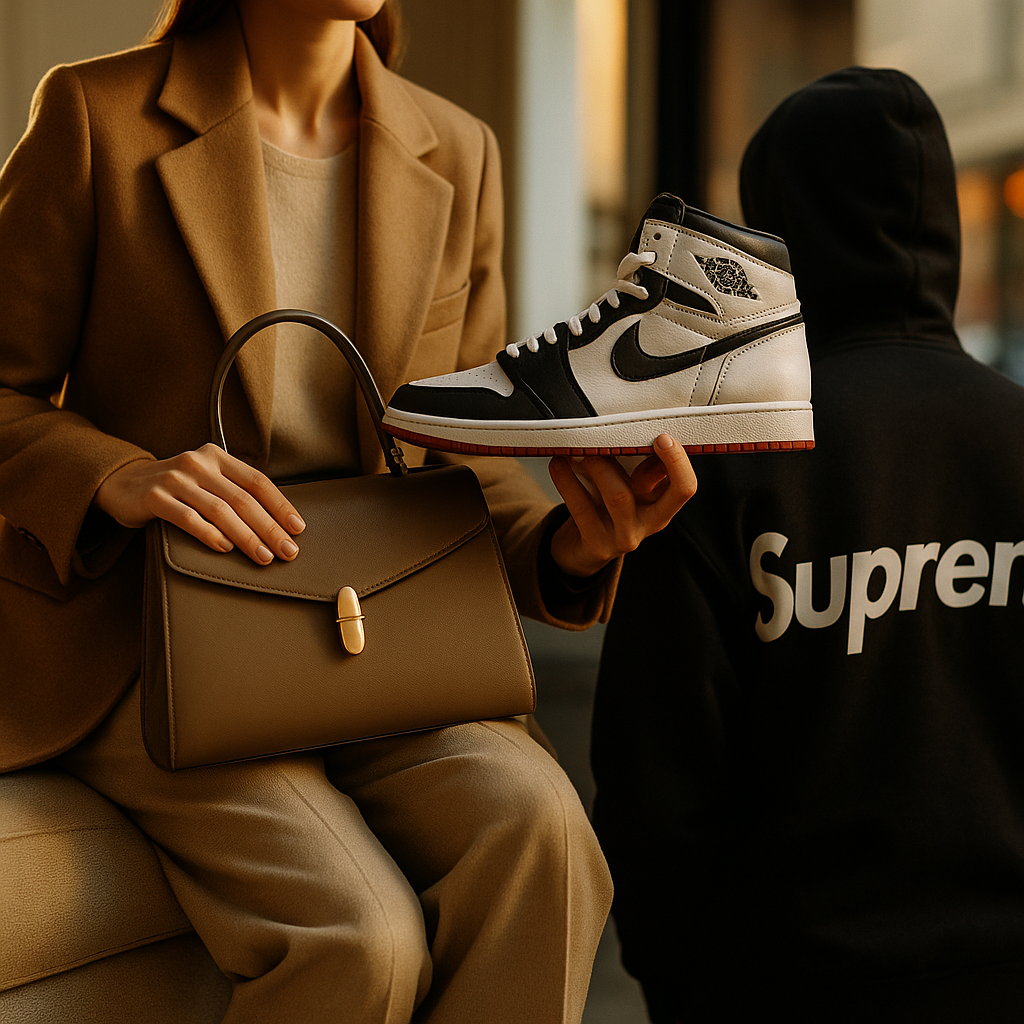
The Rise of “Quiet Luxury” Messaging and the Decline of Hype is reshaping how premium brands earn attention in 2025. Instead of chasing viral moments, leaders are rebuilding desire through restraint, craft, and credibility. Consumers want products that signal taste without shouting, and they punish empty spectacle. What’s driving this shift, and how can marketers adapt without losing momentum?
Quiet luxury messaging: what it is and why it’s winning
Quiet luxury messaging is a brand approach that emphasizes discretion, craftsmanship, and long-term value over conspicuous logos or trend-chasing theatrics. It sells confidence rather than clout. The messaging typically highlights materials, provenance, fit, function, repairability, and service. The aesthetic is refined; the language is calm; the brand presence is deliberate.
It’s winning because consumer attention is more skeptical and more expensive than it used to be. People still want aspiration, but they want it to feel earned. They also want fewer decisions, fewer regrets, and fewer “gotcha” moments after purchase. Quiet luxury answers those needs by making the product and the proof do the work.
In practical terms, you see it in:
- Lower-volume storytelling that replaces hype drops with product education.
- Subtle signifiers (shape, stitching, hardware, silhouette) instead of large logos.
- Transparent standards on sourcing, quality control, and aftercare.
- Consistency across touchpoints, from store design to packaging to customer support.
Consumers often arrive with a follow-up question: “Is quiet luxury just minimalism?” Not quite. Minimalism is a style; quiet luxury is a positioning strategy. A brand can be colorful and still communicate quietly if it anchors on craft, specificity, and restraint in claims.
Decline of hype culture: why “louder” marketing is losing power
The decline of hype culture isn’t a sudden collapse; it’s a slow loss of effectiveness. Hype worked best when social feeds felt novel, influencer recommendations felt personal, and scarcity felt credible. In 2025, many audiences view manufactured urgency as a tactic, not a privilege. When every launch is “limited,” none of them are.
Several forces push hype downward:
- Attention fatigue: constant urgency trains consumers to ignore urgency.
- Trust erosion: aggressive claims, undisclosed partnerships, and inconsistent quality reduce belief.
- Value sensitivity: when prices rise, people demand substance and durability, not noise.
- Algorithmic volatility: reach spikes are harder to repeat; the hype playbook feels less dependable.
Hype also carries operational risk. If you promise a cultural moment and deliver a mediocre product, the backlash is faster and more visible. Quiet luxury reduces that gap between promise and reality by promising less and delivering more.
A common follow-up question is, “Does this mean hype is dead?” No. Hype still works for entertainment-driven categories and for brands that can reliably deliver novelty. The change is that hype has become a tactic, not a foundation. Brands that build their entire identity on being “the moment” struggle when the moment moves on.
Luxury brand strategy 2025: the new rules of prestige
Luxury brand strategy 2025 is increasingly built on proof, not proclamation. Prestige now comes from quality signals that hold up under scrutiny: construction, customer care, traceability, and brand behavior. In other words, the brand has to deserve its positioning every day, not just during campaigns.
To align with this environment, leading teams make five shifts:
- From “must-have” to “worth it”: messaging focuses on longevity, comfort, versatility, and cost-per-wear.
- From celebrity-first to product-first: ambassadors can help, but the product story must stand alone.
- From launch spikes to lifecycle marketing: content supports ownership, care, repair, and styling.
- From broad aspiration to specific identity: brands speak to informed tastes, not to everyone.
- From opacity to selective transparency: not oversharing, but providing credible evidence of standards.
Consumers also ask, “How do I tell if a brand’s ‘quiet’ claim is real?” Look for specificity. Real quiet luxury doesn’t rely on vague phrases like “premium” or “elevated.” It names the material, the method, the maker, the tolerance, the warranty, and the service policy. It shows the inside of the garment, not just the outside of the lifestyle.
Another defining rule: restraint in discounting. Quiet luxury brands protect their long-term trust by avoiding constant promotions that train customers to wait. When discounts appear, they are purposeful, limited, and explained without drama.
Brand storytelling without hype: how to create desire through restraint
Brand storytelling without hype doesn’t mean bland storytelling. It means building desire by making the audience feel informed, capable, and confident. The goal is not to overwhelm the buyer with superlatives; it’s to help them make a decision they won’t regret.
Use these storytelling structures:
- The craft narrative: materials, construction, testing, and finishing, explained clearly.
- The use-case narrative: where it fits in real life, across seasons and settings.
- The provenance narrative: origin, workshops, supply chain standards, and ethical safeguards.
- The service narrative: repairs, care guides, spare parts, alterations, and support response times.
Then deliver that story in formats that reward attention:
- Short product explainers that show details up close, with captions that name specifics.
- Owner-focused content like maintenance routines, styling guidance, and storage tips.
- Behind-the-scenes documentation that demonstrates process without turning it into spectacle.
- Founder or maker Q&As that answer tough questions directly (durability, returns, defects).
A likely follow-up: “How do we keep campaigns exciting if we’re not doing hype?” You create excitement through new knowledge and new utility. Teach customers what makes a fabric perform, how to evaluate fit, why a finishing detail matters, and how the item improves over time. When people learn, they share, and that sharing is more durable than pure trend.
Quiet luxury also benefits from consistent language. Replace inflated claims with measurable ones. For example, instead of “the ultimate,” use “reinforced stress points,” “fully lined,” “colorfast dye process,” “replaceable hardware,” or “complimentary alterations within policy.” The reader leaves with concrete reasons to trust you.
Consumer trust and authenticity: building credibility with EEAT
Consumer trust and authenticity sit at the center of this shift, and Google’s EEAT expectations align with what buyers already demand: experience, expertise, authoritativeness, and trustworthiness. Quiet luxury messaging succeeds when it demonstrates these qualities through the content and the business practices behind it.
Apply EEAT in ways that shoppers can verify:
- Experience: publish real ownership guidance (care, repairs, wear testing insights). Include what you learned from returns and improvements.
- Expertise: cite qualified voices internally (head of product, quality lead, textile specialist) and make their credentials clear.
- Authoritativeness: earn third-party validation where it matters (reputable retailers, recognized certifications, credible press) and link claims to evidence.
- Trustworthiness: display warranty terms, shipping timelines, full pricing clarity, and straightforward return policies. Avoid hidden fees and ambiguous promises.
Be careful with sustainability claims. In 2025, audiences scrutinize vague language. If you say “responsible,” define it. If you mention certifications, name them accurately and ensure they apply to the product, not just a small portion of the supply chain. If you can’t verify a claim, don’t publish it.
Another key trust lever is quality accountability. Quiet luxury brands handle defects without defensiveness, make repairs easy, and treat service as part of the product. That operational behavior becomes marketing because customers document it. In an era of skeptical attention, service stories convert better than slogans.
Marketing tactics for quiet luxury: channels, creative, and measurement
Marketing tactics for quiet luxury aim for high-intent discovery, not mass spectacle. The creative is clean but not sterile; the channels are chosen for context; the metrics prioritize profitable loyalty over noisy reach.
Channel and creative recommendations:
- Search and shopping content: invest in product pages that answer real questions (fit notes, size guidance, material behavior, care, warranty). This captures high-intent traffic.
- Email and clienteling: send fewer messages with more value: restock alerts, care tips, alteration reminders, and private appointments.
- Selective creators: partner with experts and tastemakers who can explain details, not just model the item. Require clear disclosure and keep scripts natural.
- In-store and appointment experiences: train staff to educate, not pressure. Offer tailoring, repairs, and product clinics.
- Editorial-grade social: post less often but with stronger detail shots, material explanations, and consistent lighting that communicates quality.
Measurement needs to match the strategy. If you evaluate quiet luxury with hype metrics, you’ll sabotage it. Focus on:
- Return rate by product and reasons for return (fit, expectation gap, quality issues).
- Repeat purchase rate and time-to-second-purchase.
- Warranty and repair utilization (a sign of trust and long-term ownership).
- Full-price sell-through and reduced reliance on promotions.
- Customer support satisfaction tied to resolution speed and fairness.
A follow-up question brands ask: “Will we lose younger consumers if we stop being loud?” Not if you replace loudness with clarity and standards. Many younger buyers are highly informed and quick to detect manipulation. They respond to brands that respect their intelligence, provide proof, and create products that fit real lives.
FAQs
What is quiet luxury messaging in simple terms?
It’s a way of communicating premium value through craftsmanship, detail, and service rather than logos, shock tactics, or constant “limited drop” urgency.
Is quiet luxury only for fashion brands?
No. It works in beauty, hospitality, home goods, automotive, tech accessories, and even professional services. Any category can use restraint, specificity, and proof to signal quality.
How do you market quiet luxury on social media without going viral?
Prioritize high-clarity content: close-up details, fit demonstrations, material education, care routines, and honest Q&As. Consistency and credibility can outperform sporadic virality over time.
What are common mistakes brands make when trying to adopt quiet luxury?
Common mistakes include swapping to minimal visuals without improving product quality, using vague “premium” language, overpricing without justification, and cutting customer service to protect margins.
Does the decline of hype mean brands should stop doing launches?
No. Launches still matter, but they should be supported by product depth, availability transparency, and lifecycle support. Treat launches as the start of ownership, not the peak of attention.
How can a smaller brand compete with established luxury players using quiet luxury?
Win with specificity and service: publish detailed product standards, offer repairs or alterations, document your process, and build a reputation for consistency. Quiet luxury rewards brands that deliver proof, not just polish.
Quiet luxury is rising because it aligns with how people evaluate premium purchases in 2025: they want evidence, not noise, and they reward brands that respect their attention. Hype hasn’t vanished, but it no longer guarantees trust or longevity. The takeaway is practical: improve the product, prove the standards, and tell a calm, specific story that holds up after the sale.
Top Influencer Marketing Agencies
The leading agencies shaping influencer marketing in 2026
Agencies ranked by campaign performance, client diversity, platform expertise, proven ROI, industry recognition, and client satisfaction. Assessed through verified case studies, reviews, and industry consultations.
Moburst

-
2

The Shelf
Boutique Beauty & Lifestyle Influencer AgencyA data-driven boutique agency specializing exclusively in beauty, wellness, and lifestyle influencer campaigns on Instagram and TikTok. Best for brands already focused on the beauty/personal care space that need curated, aesthetic-driven content.Clients: Pepsi, The Honest Company, Hims, Elf Cosmetics, Pure LeafVisit The Shelf → -
3

Audiencly
Niche Gaming & Esports Influencer AgencyA specialized agency focused exclusively on gaming and esports creators on YouTube, Twitch, and TikTok. Ideal if your campaign is 100% gaming-focused — from game launches to hardware and esports events.Clients: Epic Games, NordVPN, Ubisoft, Wargaming, Tencent GamesVisit Audiencly → -
4

Viral Nation
Global Influencer Marketing & Talent AgencyA dual talent management and marketing agency with proprietary brand safety tools and a global creator network spanning nano-influencers to celebrities across all major platforms.Clients: Meta, Activision Blizzard, Energizer, Aston Martin, WalmartVisit Viral Nation → -
5

The Influencer Marketing Factory
TikTok, Instagram & YouTube CampaignsA full-service agency with strong TikTok expertise, offering end-to-end campaign management from influencer discovery through performance reporting with a focus on platform-native content.Clients: Google, Snapchat, Universal Music, Bumble, YelpVisit TIMF → -
6

NeoReach
Enterprise Analytics & Influencer CampaignsAn enterprise-focused agency combining managed campaigns with a powerful self-service data platform for influencer search, audience analytics, and attribution modeling.Clients: Amazon, Airbnb, Netflix, Honda, The New York TimesVisit NeoReach → -
7

Ubiquitous
Creator-First Marketing PlatformA tech-driven platform combining self-service tools with managed campaign options, emphasizing speed and scalability for brands managing multiple influencer relationships.Clients: Lyft, Disney, Target, American Eagle, NetflixVisit Ubiquitous → -
8

Obviously
Scalable Enterprise Influencer CampaignsA tech-enabled agency built for high-volume campaigns, coordinating hundreds of creators simultaneously with end-to-end logistics, content rights management, and product seeding.Clients: Google, Ulta Beauty, Converse, AmazonVisit Obviously →