


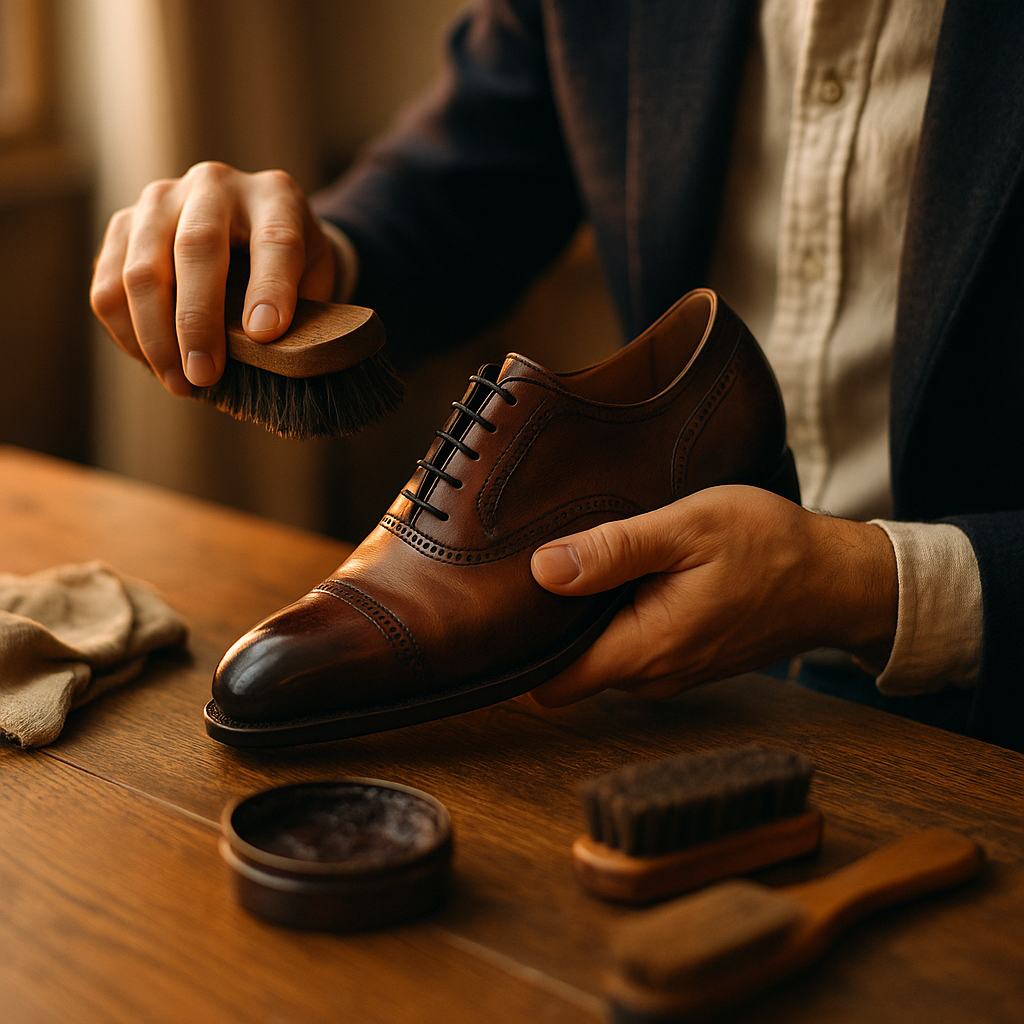
The psychology of friction in luxury design explains why premium brands often make things feel slightly harder—heavier doors, deliberate packaging, slower rituals—and why customers love it. Friction isn’t a mistake; it’s a tool that signals care, scarcity, and status while shaping how value is perceived. In 2025, designers use calibrated resistance to create meaning, not inconvenience—so where is the line between elegance and annoyance?
Perceived Value: Why Effort Increases Luxury Worth
Luxury is not just a price point; it’s a perception built from cues. One of the most powerful cues is effort. When an interaction requires small, intentional effort—twisting a cap with resistance, lifting a weighty box, stepping into a quiet boutique—people infer that the product is valuable. This follows a simple psychological rule: when something feels costly (in time, attention, or physical effort), it seems less disposable.
Design friction also changes how customers explain their own choices. If a purchase demands a bit more patience, the customer is more likely to justify it as “worth it,” reinforcing satisfaction. The key is calibration: friction must feel purposeful, not punitive.
What “harder is better” actually means: not making customers struggle, but making them participate. Participation turns a transaction into a moment—an experience that can be remembered, repeated, and retold.
Practical examples of value-signaling friction:
- Physical resistance: a watch crown that turns with precise tension, communicating engineering quality.
- Temporal pacing: a controlled unboxing sequence that slows the reveal and builds anticipation.
- Access rituals: appointments, waitlists, or concierge steps that imply selectivity when used ethically.
Readers often ask: “Doesn’t premium mean effortless?” Premium means reassuring. Sometimes reassurance comes from ease; other times it comes from proof—tangible signals that care and craft exist.
User Experience Friction: Designing Resistance Without Annoyance
In user experience, friction is usually framed as a problem. In luxury, friction can be a feature—if it protects the customer’s sense of control and dignity. The difference is whether the friction feels like craft or bureaucracy.
Luxury-friendly friction follows three rules:
- It is legible: the customer understands why it exists (“This clasp secures the bracelet safely”).
- It is finite: the customer can complete it quickly once learned (a two-step closure, not ten screens).
- It is rewarding: the effort pays back with sensory pleasure, clarity, or assurance.
Designers can reduce annoyance by placing friction where customers already expect ritual, and removing it where customers expect speed. For example, in-store personalization can be slow and ceremonial; checkout and aftercare support should be fast and precise.
A useful litmus test: if friction makes a customer feel “I’m being taken seriously,” it helps. If it makes them feel “I’m being tested,” it harms.
Follow-up question: “How do you know you’ve crossed the line?” Watch for repeated errors, abandoned flows, and customer service contacts about basic tasks. In luxury, complaints often arrive as silence—people simply disengage. Build measurement into the experience: track task completion time, returns linked to usability, and qualitative feedback from high-intent customers.
Sensory Cues: Weight, Texture, and Sound as Luxury Signals
Luxury is multi-sensory. Friction becomes persuasive when it shows up as physical cues that imply durability and precision. People use weight, texture, and sound as shortcuts to judge quality because these cues are hard to fake consistently at scale.
How sensory friction works:
- Weight: Heavier components can signal solidity. A substantial lid, a metal switch, or a dense jar suggests investment in materials.
- Texture: Micro-resistance—matte coatings, knurled metal, embossed leather—creates grip and a feeling of control.
- Sound: The soft thud of a car door or the crisp click of a latch communicates tolerances and engineering.
These signals are psychological, but they’re not imaginary. They often correlate with real engineering decisions: tighter tolerances, better dampers, stronger hinges, thicker walls, or improved acoustics. This matters for EEAT: the experience should reflect genuine product integrity, not just marketing theater.
Answering the obvious concern: “Is adding weight wasteful?” It can be. Ethical luxury in 2025 avoids needless mass and instead uses smart heft: strategic weight where it improves function (stability, balance, durability) and lighter construction where it reduces environmental impact. The goal is not heaviness; it is confidence.
Ritual and Scarcity: How Luxury Brands Use Deliberate Steps
Ritual is friction with meaning. Many luxury experiences add steps that slow the customer down: an associate presents options, a fragrance is sprayed on a card, a box is tied, authentication is explained. These actions create a narrative: “This is special, and you’re the kind of person who deserves special treatment.”
Why rituals work:
- They create anticipation: delayed gratification can heighten pleasure when the payoff arrives.
- They signal scarcity: if care takes time, the product feels less mass-produced.
- They reinforce identity: the customer experiences membership in a taste culture.
Scarcity-based friction must be handled carefully. In 2025, consumers are quicker to detect manipulation. A waitlist can feel premium when supply is genuinely limited or craftsmanship is time-intensive. It feels cynical when it is artificial, inconsistent, or used to pressure rushed decisions.
Make scarcity credible: explain what causes the wait (hand-finishing, limited materials, quality checks), offer transparent timelines, and provide alternatives without shaming the customer. Luxury is built on trust; distrust is the most expensive friction of all.
Trust and Authenticity: Ethical Friction in High-End Experiences
Friction becomes luxury only when it is anchored in authenticity. Customers accept extra steps when those steps protect quality, privacy, safety, or provenance. They reject extra steps when they feel like dark patterns or status games.
Ethical friction strengthens trust in several ways:
- Provenance checks: authentication, traceability, and serial verification can add steps that reassure buyers of legitimacy.
- Privacy protection: careful onboarding and preference capture, done with consent, can feel premium rather than intrusive.
- Aftercare systems: registration for repairs and maintenance adds effort but increases long-term value.
EEAT requires brands to align experience design with real expertise and reliable operations. That means: staff training that matches the product’s complexity, clear policies for repairs and returns, and documentation that supports claims (materials, origin, craftsmanship methods). In luxury, “harder” should often mean “more thorough.”
Common follow-up: “Can friction improve digital luxury too?” Yes, when it enhances security, personalization, and storytelling. Examples include verified appointments with a specialist, deliberate product configuration steps that teach the buyer, and concierge chat that replaces endless menus. Avoid friction that feels like form-filling or gatekeeping without benefit.
Conversion and Loyalty: When Friction Increases Commitment and Reduces Returns
Luxury buyers tend to be intentional. Thoughtful friction can increase commitment by reducing impulsive purchases that later become returns. It can also improve loyalty by making customers feel supported, not rushed.
Where friction helps business outcomes:
- Pre-purchase clarity: guided selection steps (fit, sizing, use case) reduce mismatch and returns.
- Configuration rituals: monogramming, made-to-order choices, or consultations increase emotional ownership.
- Post-purchase care: onboarding to maintenance, warranty, and service builds long-term relationship value.
However, any friction in payment, shipping, and support can damage conversion quickly. Luxury customers expect speed where stakes are low and deliberation where stakes are high. A strong strategy separates meaningful friction (identity, craft, assurance) from operational friction (delays, unclear policies, hard-to-reach service).
How to implement this in practice: map the journey and label each friction point as either “value-creating” or “value-leaking.” Keep the first category, refine it for elegance, and eliminate the second category aggressively.
FAQs: The Psychology of Friction in Luxury Design
What is “friction” in luxury design?
Friction is any intentional resistance in an experience—extra steps, physical tension, slower pacing, or rituals—that shapes perception. In luxury, well-designed friction signals craft, care, and exclusivity rather than inconvenience.
Why does a harder experience feel more premium?
Small, purposeful effort increases perceived value because people infer that quality and scarcity require investment. Sensory cues like weight, tactile resistance, and precise sound also act as quality shortcuts in the brain.
How can brands add friction without hurting user experience?
Make friction legible, finite, and rewarding. Add ritual where customers expect meaning (presentation, customization, authentication) and remove friction where customers expect speed (checkout, shipping updates, support access).
Is friction the same as exclusivity or gatekeeping?
No. Exclusivity can be a result, but ethical friction serves the customer—protecting quality, privacy, or provenance. Gatekeeping adds obstacles mainly to control access or pressure behavior and often erodes trust.
Does luxury friction work in digital products and services?
Yes, when it improves assurance and personalization. Examples include concierge-led selection, verified appointments, secure authentication, and guided configuration. Avoid unnecessary forms, confusing navigation, or hidden requirements.
How do you measure whether friction is helping?
Track completion times, drop-off rates, returns tied to usability, and the reasons customers contact support. Pair metrics with qualitative feedback from high-intent customers to confirm that friction feels intentional and valuable.
Can friction be sustainable and still feel luxurious?
Yes. Use “smart heft” and durable materials where they improve function, and reduce waste in packaging and components. In 2025, sustainability strengthens luxury credibility when it is visible in design choices and aftercare.
Conclusion: Luxury design wins when it treats friction as a precision tool. The right resistance—sensory, ritual, and operational—makes quality feel real, protects trust, and deepens commitment. The wrong friction feels like confusion or control and pushes customers away. Build experiences where effort creates meaning, then remove everything that doesn’t. In 2025, harder is better only when it is clearly worth it.
Top Influencer Marketing Agencies
The leading agencies shaping influencer marketing in 2026
Agencies ranked by campaign performance, client diversity, platform expertise, proven ROI, industry recognition, and client satisfaction. Assessed through verified case studies, reviews, and industry consultations.
Moburst

-
2

The Shelf
Boutique Beauty & Lifestyle Influencer AgencyA data-driven boutique agency specializing exclusively in beauty, wellness, and lifestyle influencer campaigns on Instagram and TikTok. Best for brands already focused on the beauty/personal care space that need curated, aesthetic-driven content.Clients: Pepsi, The Honest Company, Hims, Elf Cosmetics, Pure LeafVisit The Shelf → -
3

Audiencly
Niche Gaming & Esports Influencer AgencyA specialized agency focused exclusively on gaming and esports creators on YouTube, Twitch, and TikTok. Ideal if your campaign is 100% gaming-focused — from game launches to hardware and esports events.Clients: Epic Games, NordVPN, Ubisoft, Wargaming, Tencent GamesVisit Audiencly → -
4

Viral Nation
Global Influencer Marketing & Talent AgencyA dual talent management and marketing agency with proprietary brand safety tools and a global creator network spanning nano-influencers to celebrities across all major platforms.Clients: Meta, Activision Blizzard, Energizer, Aston Martin, WalmartVisit Viral Nation → -
5

The Influencer Marketing Factory
TikTok, Instagram & YouTube CampaignsA full-service agency with strong TikTok expertise, offering end-to-end campaign management from influencer discovery through performance reporting with a focus on platform-native content.Clients: Google, Snapchat, Universal Music, Bumble, YelpVisit TIMF → -
6

NeoReach
Enterprise Analytics & Influencer CampaignsAn enterprise-focused agency combining managed campaigns with a powerful self-service data platform for influencer search, audience analytics, and attribution modeling.Clients: Amazon, Airbnb, Netflix, Honda, The New York TimesVisit NeoReach → -
7

Ubiquitous
Creator-First Marketing PlatformA tech-driven platform combining self-service tools with managed campaign options, emphasizing speed and scalability for brands managing multiple influencer relationships.Clients: Lyft, Disney, Target, American Eagle, NetflixVisit Ubiquitous → -
8

Obviously
Scalable Enterprise Influencer CampaignsA tech-enabled agency built for high-volume campaigns, coordinating hundreds of creators simultaneously with end-to-end logistics, content rights management, and product seeding.Clients: Google, Ulta Beauty, Converse, AmazonVisit Obviously →