


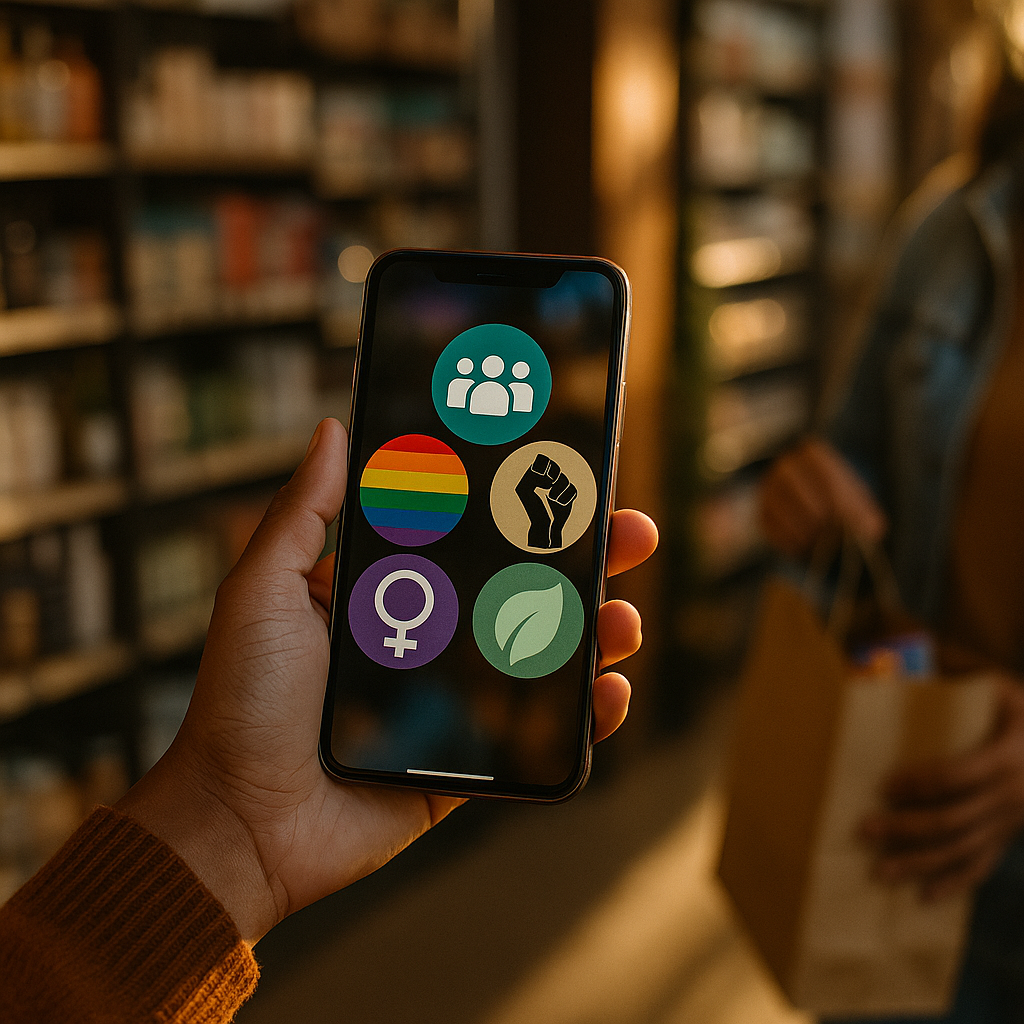
The Neo Collectivism Trend is reshaping how people discover, trust, and buy products in 2025. Instead of shopping alone, consumers increasingly purchase in bundled groups: friends split multipacks, communities organize bulk orders, and creators coordinate “buy together” drops. This shift isn’t just about saving money; it’s about belonging, transparency, and shared decision-making. So what’s driving it, and how can brands respond without feeling forced?
The Neo Collectivism Trend: why group identity now drives purchases
Neo collectivism describes a modern form of group-oriented behavior that blends community belonging with digital coordination. Consumers still value individuality, but they increasingly validate choices through group consensus: group chats, private communities, neighborhood forums, and creator-led circles. In practice, that means people shop with others “in mind,” and often “with others” in the same cart.
Several forces explain why this is accelerating in 2025:
- Economic pressure and value engineering: Households are actively comparing price-per-unit, shipping thresholds, and subscription alternatives. Bundling purchases with others is a direct response.
- Trust migration from institutions to networks: Many shoppers trust recommendations from peers and micro-communities more than ads. Group buying makes that trust actionable.
- Coordination is frictionless: Shared carts, digital wallets, and instant messaging make splitting costs and organizing deliveries simple.
- Social proof is immediate: “We’re all buying this” matters. It reduces perceived risk, especially for new brands, high-ticket items, and wellness categories.
If you’re wondering whether this is just “bulk buying” with a new label, the difference is intent. Neo collectivism is less about stocking up and more about shared selection, shared confidence, and shared benefit.
Bundled group buying: what it is, and the formats consumers prefer
Bundled group buying occurs when multiple consumers coordinate a single purchase, or purchase together under one deal structure, to unlock savings, exclusives, convenience, or credibility. The “bundle” can be physical (multipacks) or commercial (tiered discounts, shipping thresholds, perks, or access).
In 2025, the most common formats include:
- Split multipacks: Friends split household basics, beauty refills, supplements, and pet supplies to lower per-unit cost.
- Community bulk orders: Neighborhood groups or workplace teams place a monthly order to meet minimums and reduce delivery fees.
- Creator-coordinated bundles: A creator curates a bundle and a community buys in one window, often with a limited edition or donation component.
- “Buy together” add-on carts: A shopper shares a link and others add items before checkout, unlocking a shared discount or free shipping.
- Group subscriptions: Families, roommates, or teams share a recurring delivery and split payment.
Consumers choose these formats based on three questions they quickly answer: Will we save? Will this reduce hassle? Will we feel confident about the choice? If your offer doesn’t clearly improve at least one of those, it won’t spread organically through groups.
Many brands also ask: “Will group buying cannibalize full-price sales?” It can, but it can also increase total volume, lower acquisition costs through peer sharing, and improve retention by embedding the brand inside routines and communities. The key is structuring bundles so they reward coordination without training customers to only buy at deep discounts.
Community commerce: where group decisions happen and how trust is built
Community commerce is the ecosystem that powers bundled buying. It’s not limited to a single platform. It’s the sum of the places where people compare notes, share links, and negotiate preferences before purchasing.
In 2025, group purchase decisions typically form in:
- Private messaging: Group chats and DMs are where the real persuasion happens: screenshots, quick polls, and “should we add this?”
- Micro-communities: Interest-based groups (fitness, parenting, skincare, local food) create trusted defaults and shared standards.
- Creator communities: Creators don’t just promote; they moderate feedback loops, explain tradeoffs, and answer objections.
- Workplace and campus networks: High-density social environments make coordination fast and repeatable.
Trust in community commerce is earned through specificity. Groups want to know what’s in the product, how it performs, who it’s for, and what to expect after purchase. Brands that provide clear, verifiable details make it easier for a “group champion” to advocate on their behalf.
To align with Google’s helpful content expectations and EEAT principles, prioritize:
- Transparent claims: Avoid vague superlatives. Provide measurable details (ingredients, sourcing, dimensions, warranties, safety standards, compatibility).
- Real-world guidance: Include usage tips, maintenance, and common mistakes so groups feel confident recommending it.
- Clear policies: Spell out shipping, returns, bundle substitutions, and what happens if one person in the group cancels.
- Support access: Offer fast, human customer support for group orders because coordination failures feel worse when multiple people are involved.
If you want communities to self-organize around your product, design your product pages and checkout to be shareable and “explainable.” The easier it is to summarize your value in one message, the more likely groups will act.
Shared value and savings: the psychology behind coordinated purchasing
Shared value and savings is the emotional engine of neo collectivism. Price matters, but the deeper motivator is that consumers feel smarter and safer when decisions are distributed. People like splitting responsibility: “If we all picked it, it’s less likely to be a mistake.”
Key psychological drivers include:
- Risk reduction: When products are complex (tech accessories, wellness routines, premium skincare), group validation lowers hesitation.
- Fairness and reciprocity: Bundles make it easy to take turns: “I organized this one; you organize the next.”
- Collective optimization: Groups compare price-per-use, durability, and long-term cost. This rewards brands with strong fundamentals, not just flashy branding.
- Status via curation: The person who finds the best bundle earns social credit. Brands can enable that with clean bundle logic and easy sharing.
Consumers also prefer flexibility. A rigid bundle that forces unwanted items can backfire in a group setting because it creates conflict. The most successful bundles balance structure (a clear deal) with choice (swap options, sizes, flavors, or colors).
Another common follow-up question is whether sustainability influences group buying. Often, yes. Consolidated shipping, fewer delivery trips, and reduced packaging can be meaningful benefits. But consumers expect proof, not promises. If you claim eco-benefits, quantify them carefully and avoid overreaching statements.
Group purchase incentives: how brands can design bundles without eroding margins
Group purchase incentives work best when they encourage coordination while protecting perceived value. The goal is not “cheap,” but “better together.”
Practical bundle strategies that fit 2025 buying behavior:
- Tiered group discounts: Offer modest savings that increase with group size (for example, 2 people, 3 people, 5 people). Keep the increments small enough to avoid a race to the bottom.
- Free shipping unlocked by pooled carts: This is often more margin-friendly than percentage discounts and feels immediately valuable.
- Bundle-building with guardrails: Let groups choose from a curated set (same category, compatible items) to prevent confusion and returns.
- Value-add perks: Add extended warranty, priority support, samples, or early access instead of deeper discounts.
- Referral plus bundle stacking rules: Make the rules simple and visible to prevent frustration and support tickets.
Operational details determine whether group buying becomes a growth lever or a support headache. Plan for:
- Split payments: If you can’t support split tender natively, offer a simple workaround (individual invoices, pay links, or a host-pays model with reimbursements).
- Partial fulfillment: Decide what happens if one item is out of stock. Can customers swap? Do you ship partial? Do you delay the whole bundle?
- Returns in group context: Allow individual returns without requiring the whole bundle to be returned. Make this explicit.
To strengthen EEAT, brands should document bundle terms in plain language and provide examples. Consumers in groups will test your logic, and confusion spreads fast through chat threads.
Ethical personalization and privacy: keeping group commerce credible
Ethical personalization and privacy are central to neo collectivism because group buying creates more data trails: shared links, collaborative carts, and multiple purchasers tied to one order. Consumers want convenience, but they also want control and dignity.
How to protect trust while still personalizing:
- Minimize data collection: Collect only what you need to fulfill the order, manage the bundle, and provide support.
- Explain why you ask: If you request birthdays, health goals, or sizing data, state the purpose and make it optional where possible.
- Group-safe communications: Avoid sending sensitive information (like health-related product details) in ways that might be visible to the group organizer.
- Consent-based sharing: If you show who joined a bundle, allow opt-outs and display-name controls.
- Security basics done well: Strong account protections and clear fraud prevention steps matter more in group flows because one compromised organizer account affects multiple buyers.
Consumers will forgive a brand for not having the most advanced group features. They won’t forgive feeling tricked or exposed. In 2025, credibility is a performance metric: it determines whether your bundles get shared again.
FAQs about neo collectivism and bundled group buying
What is neo collectivism in consumer behavior?
Neo collectivism is a shift where consumers rely more on communities, peers, and coordinated networks to choose and buy products. It blends modern individuality with group validation, shared decision-making, and collective purchasing power.
How is bundled group buying different from traditional bulk buying?
Bulk buying focuses on quantity and stocking up. Bundled group buying focuses on coordination and shared benefits: pooled shipping, split payments, group discounts, and confidence built through group consensus.
Which industries benefit most from group buying in 2025?
High-repeat categories like household essentials and personal care, plus trust-sensitive categories like wellness and beauty, often perform well. Higher-ticket categories can also benefit when bundles reduce risk through warranties, trials, or curated kits.
Will group discounts hurt brand margins?
Not necessarily. Margin-friendly incentives include free shipping thresholds, value-add perks, tiered discounts with small increments, and curated bundles that increase average order value while lowering customer acquisition costs through sharing.
How can a brand make group orders easy without complex tech?
Start with clear bundle options, shareable product pages, transparent terms, and a “host” checkout flow. Add pay links or individual invoices if split payments aren’t available. Make returns and substitutions simple and well documented.
What are the biggest risks in community commerce?
The main risks are trust erosion from unclear claims, confusing bundle terms, privacy missteps, and support failures when coordination breaks down. Brands mitigate these with transparency, consent-based data practices, and fast, human customer service.
How do consumers decide what to buy as a group?
They typically optimize around shared value: cost per use, reliability, and ease of coordination. Social proof matters, but groups also want concrete details they can verify and summarize quickly to others.
Can small brands compete against big retailers in group buying?
Yes. Small brands can win with sharper product education, flexible bundles, community-first support, and unique value-adds such as personalization, limited drops, or expert guidance that communities trust and share.
Is group buying compatible with sustainability goals?
It can be, especially through consolidated shipping and reduced packaging. However, consumers expect accurate, specific sustainability statements. Brands should quantify impacts carefully and avoid overstated claims.
Neo collectivism is not a temporary shopping hack; it is a durable behavior pattern in 2025 that turns purchasing into a shared activity. Consumers buy in bundled groups to save, reduce risk, and strengthen community identity. Brands that win make bundles flexible, policies clear, and trust easy to transfer between friends. Build for coordination, protect privacy, and your customers will market together.
Top Influencer Marketing Agencies
The leading agencies shaping influencer marketing in 2026
Agencies ranked by campaign performance, client diversity, platform expertise, proven ROI, industry recognition, and client satisfaction. Assessed through verified case studies, reviews, and industry consultations.
Moburst

-
2

The Shelf
Boutique Beauty & Lifestyle Influencer AgencyA data-driven boutique agency specializing exclusively in beauty, wellness, and lifestyle influencer campaigns on Instagram and TikTok. Best for brands already focused on the beauty/personal care space that need curated, aesthetic-driven content.Clients: Pepsi, The Honest Company, Hims, Elf Cosmetics, Pure LeafVisit The Shelf → -
3

Audiencly
Niche Gaming & Esports Influencer AgencyA specialized agency focused exclusively on gaming and esports creators on YouTube, Twitch, and TikTok. Ideal if your campaign is 100% gaming-focused — from game launches to hardware and esports events.Clients: Epic Games, NordVPN, Ubisoft, Wargaming, Tencent GamesVisit Audiencly → -
4

Viral Nation
Global Influencer Marketing & Talent AgencyA dual talent management and marketing agency with proprietary brand safety tools and a global creator network spanning nano-influencers to celebrities across all major platforms.Clients: Meta, Activision Blizzard, Energizer, Aston Martin, WalmartVisit Viral Nation → -
5

The Influencer Marketing Factory
TikTok, Instagram & YouTube CampaignsA full-service agency with strong TikTok expertise, offering end-to-end campaign management from influencer discovery through performance reporting with a focus on platform-native content.Clients: Google, Snapchat, Universal Music, Bumble, YelpVisit TIMF → -
6

NeoReach
Enterprise Analytics & Influencer CampaignsAn enterprise-focused agency combining managed campaigns with a powerful self-service data platform for influencer search, audience analytics, and attribution modeling.Clients: Amazon, Airbnb, Netflix, Honda, The New York TimesVisit NeoReach → -
7

Ubiquitous
Creator-First Marketing PlatformA tech-driven platform combining self-service tools with managed campaign options, emphasizing speed and scalability for brands managing multiple influencer relationships.Clients: Lyft, Disney, Target, American Eagle, NetflixVisit Ubiquitous → -
8

Obviously
Scalable Enterprise Influencer CampaignsA tech-enabled agency built for high-volume campaigns, coordinating hundreds of creators simultaneously with end-to-end logistics, content rights management, and product seeding.Clients: Google, Ulta Beauty, Converse, AmazonVisit Obviously →