


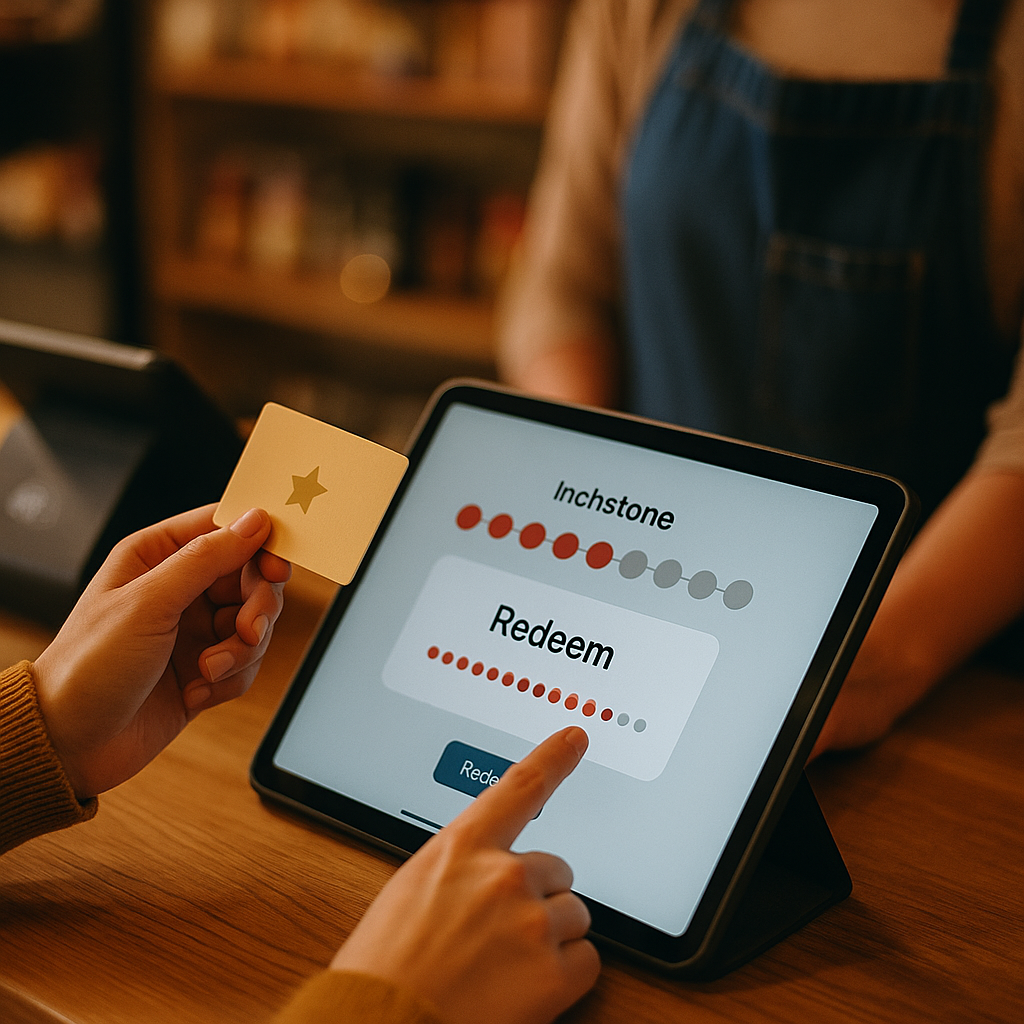
Customers in 2025 expect rewards to feel immediate, personal, and easy to earn. Yet many programs still rely on slow, milestone-based structures that delay value and weaken motivation. Moving from Milestone Loyalty to Inchstone Rewards for Instant Gratification helps brands deliver frequent wins, reinforce desired behaviors, and reduce churn. The shift is simple in concept but powerful in impact—are you ready to redesign loyalty for momentum?
Instant gratification rewards: Why milestone loyalty is losing its pull
Milestone loyalty programs focus on big thresholds: “Spend $500, get $20,” or “Make 10 purchases, earn a free item.” They work best when customers have high purchase frequency, stable budgets, and patience. In 2025, many shoppers don’t. They compare options quickly, switch brands easily, and expect value with minimal friction.
What’s changing in customer psychology: motivation drops when the reward feels far away. If customers can’t clearly see their next win, progress becomes abstract. Inchstone rewards—small, frequent, behavior-linked perks—keep the brain engaged through steady reinforcement. Customers don’t just “join a program”; they feel it working week to week.
What’s changing in competition: more brands now offer some form of loyalty, so a program that pays out only after a long journey blends into the background. Incremental rewards help you stand out by creating regular “proof of value.”
What’s changing in economics: consumers are more selective about where they spend. Programs that offer immediate utility (shipping upgrades, small discounts, surprise-and-delight bonuses, early access) can win share of wallet without requiring deep discounting.
Follow-up you might be asking: “Won’t more frequent rewards cost more?” Not if you structure rewards around margin-friendly benefits (experiential perks, partner offers, non-monetary status, low-cost add-ons) and target them based on predicted uplift.
Micro-rewards loyalty program: Defining “inchstones” and how they work
Inchstone rewards break the loyalty journey into small, meaningful steps. Instead of waiting for a major milestone, customers earn recognition and benefits frequently—sometimes after a single action.
Inchstones are not random giveaways. They are intentionally designed reinforcements tied to actions that predict long-term value. Good inchstones create a loop: action → reward → increased engagement → more action.
Common inchstone reward types:
- Behavioral bonuses: points multipliers for trying a new category, using a feature, or purchasing during a targeted window.
- Progress perks: small benefits unlocked at 20%, 40%, 60% toward a larger goal, so the journey never feels invisible.
- Instant utilities: expedited shipping, free returns, priority support, or extended trials.
- Surprise-and-delight: randomized “you just earned” perks that reinforce engagement without training customers to wait only for discounts.
- Partner rewards: low-cost, high-perceived-value benefits via complementary brands.
How inchstones differ from “points inflation”: inchstones don’t require dumping more points into the system. They restructure when value is delivered and why customers feel progress. The best programs keep a balanced economy: frequent small wins plus occasional larger aspirational rewards.
Follow-up: “Does this only work for retail?” No. Inchstones fit subscriptions (reward retention behaviors), marketplaces (reward trust-building actions), financial services (reward healthy habits), and B2B (reward product adoption milestones and referrals).
Customer engagement strategy: Designing inchstones that change behavior
To build an inchstone model that actually improves outcomes, start with the behaviors that correlate with retention and lifetime value. Then design rewards that reinforce those behaviors without eroding margin.
Step 1: Map the “value path.” Identify the actions that predict a loyal customer. Examples include second purchase, app install, profile completion, subscription renewal, repeat category purchases, referrals, or adopting key product features.
Step 2: Break the path into steps customers can feel. Each step should be achievable within a short time frame for your typical customer. If the average purchase cycle is 30 days, design inchstones that can occur inside that cycle (education, engagement, add-on actions) so customers don’t go quiet between purchases.
Step 3: Match reward intensity to business value. High-value actions justify stronger incentives. Low-value actions should earn recognition, not costly discounts. A helpful rule: reward the behaviors that customers wouldn’t do without a nudge, not the ones they already do automatically.
Step 4: Use clear messaging at the moment of effort. Instant gratification only works when customers understand what they earned and why. Confirmation screens, receipts, push notifications, and account dashboards should explain the reward in plain language and show the next step.
Step 5: Guard against “gaming.” Inchstones can be exploited if rules are loose. Set eligibility windows, limit repeats, use fraud detection for referrals, and require verified actions (e.g., completed purchases, validated reviews).
Follow-up: “Should inchstones replace tiers?” Not necessarily. Many of the strongest programs combine both: tiers for long-term status and inchstones for momentum. The key is to avoid making tiers the only place where customers feel rewarded.
Personalized loyalty rewards: Using data responsibly to deliver relevance
Inchstone rewards become dramatically more effective when they are personalized. Relevance increases redemption, reduces waste, and improves customer trust—when done transparently.
What to personalize:
- Reward type: some customers prefer discounts; others value convenience (shipping, service) or exclusivity (early access).
- Trigger: deliver an inchstone after a behavior your model predicts will increase retention for that specific segment.
- Timing: match delivery to decision moments—checkout, post-purchase, renewal window, or reactivation risk.
- Difficulty: keep steps achievable. A low-frequency buyer needs different inchstones than a weekly shopper.
Responsible data practices (EEAT-friendly): state what you collect, why you collect it, and how customers can control it. Make opting out easy without punishing the customer experience. Prioritize first-party data (purchase history, stated preferences) and avoid overly invasive inference.
Build trust through transparency: when customers receive a reward, tell them the logic in human terms: “You earned this for trying a new category,” or “Thanks for renewing—here’s a perk to make next month easier.” Clear explanations reduce the sense of manipulation and strengthen brand credibility.
Follow-up: “Do we need AI?” Not to start. Rules-based personalization can work well. AI becomes valuable when you want to optimize reward cost versus incremental lift across many segments and channels.
Loyalty program ROI: Measuring what changes when rewards become immediate
Switching from milestones to inchstones changes the metrics that matter. If you only track total redemptions or points liability, you may miss the real performance improvements.
Core ROI metrics to track:
- Activation rate: percentage of members who earn or redeem a reward in their first 7–30 days.
- Time-to-first-reward: the shorter this is, the more “real” your program feels.
- Repeat purchase rate and purchase frequency: compare members exposed to inchstones vs. control groups.
- Incremental revenue and margin: measure lift after accounting for reward cost and cannibalization.
- Retention / churn: especially for subscriptions and apps—do inchstones reduce drop-off after onboarding?
- Customer lifetime value (CLV): track changes by cohort to avoid misleading short-term spikes.
- Engagement signals: app opens, email clicks, feature adoption, referral completion, review quality.
How to prove lift with confidence: run A/B tests or holdout groups. Inchstone programs often raise engagement, which can inflate vanity metrics. Testing shows whether the program is generating incremental profit or just moving behavior around.
Manage the loyalty economy: immediate rewards can increase liability if not controlled. Set budgets at the segment level, cap certain bonuses, and use dynamic offers that adjust based on performance and inventory realities.
Follow-up: “What’s a realistic rollout timeline?” Many teams can pilot inchstones in one journey (onboarding, second purchase, renewal) within a quarter, then expand once measurement and guardrails are solid.
Omnichannel loyalty experience: Implementing inchstones without creating chaos
Inchstone rewards fail when customers can’t see them, use them, or understand them across channels. Implementation should focus on clarity, consistency, and low friction.
Build a simple reward architecture: define a small set of repeatable inchstone patterns (welcome perk, progress perk, behavior bonus, surprise perk). Keep names and rules consistent so customers learn how the system works.
Make rewards visible everywhere: customers should see earned perks in-app, on the website, in email, and at checkout. Your POS and customer support team should also recognize rewards instantly to avoid trust-eroding disputes.
Design the “next best action” interface: after a customer earns an inchstone, show the next step in one sentence. Example: “You unlocked free shipping today. Next: add a saved payment method to earn a bonus.” Momentum requires direction.
Prepare operations and support: instant gratification creates immediate expectations. Train agents, document policies, and empower frontline teams to resolve reward issues fast. A slow dispute process cancels the psychological benefit of instant rewards.
Keep accessibility and inclusivity in mind: avoid rewards that require unrealistic spending, complex apps, or narrow eligibility. Inchstones should make loyalty feel easier, not more exclusive by accident.
Follow-up: “How do we avoid training customers to wait for deals?” Use a mix: convenience perks, status recognition, content access, partner value, and occasional targeted discounts. Position discounts as rewards for specific behaviors, not default pricing.
FAQs
What is the difference between milestone loyalty and inchstone rewards?
Milestone loyalty delivers value after customers reach larger thresholds (spend or frequency). Inchstone rewards deliver smaller, more frequent benefits tied to meaningful actions, creating faster feedback and stronger ongoing engagement.
Will inchstone rewards reduce profitability?
Not if you design rewards around margin-friendly benefits and measure incremental lift. Frequent rewards can be low-cost (service perks, early access, partner offers) and targeted to behaviors that increase retention and purchase frequency.
Which businesses benefit most from inchstone rewards?
Any business with drop-off between key moments benefits—retail with long purchase cycles, subscriptions with renewal risk, apps needing onboarding completion, and B2B products that require feature adoption for retention.
How do you choose the right inchstones?
Start with behaviors that predict long-term value (second purchase, renewal, category expansion, referrals). Break them into achievable steps, then match reward strength to the business value and customer effort.
Do inchstone rewards require a mobile app?
No. They work via email, SMS, web accounts, and in-store receipts. Apps help with real-time visibility and notifications, but the core requirement is clear communication and easy redemption.
How do you prevent customers from gaming micro-rewards?
Use verification rules, limit repeat bonuses, apply eligibility windows, monitor referral fraud, and test for unintended incentives. Reward validated outcomes, not easily faked activity.
How soon should customers receive their first reward?
As soon as possible without distorting economics. Many programs aim for a first “win” within the first interaction or first week—such as a welcome perk, a progress boost, or a utility benefit that reduces friction immediately.
Milestone programs can still create aspiration, but in 2025 they rarely deliver the momentum customers expect. Inchstone rewards shift loyalty from delayed gratification to frequent, meaningful progress that reinforces the behaviors your business needs most. Design small wins that feel personal, measure incremental lift with testing, and keep redemption friction low across channels. The takeaway: make loyalty tangible early and often, and customers will keep choosing you.
Top Influencer Marketing Agencies
The leading agencies shaping influencer marketing in 2026
Agencies ranked by campaign performance, client diversity, platform expertise, proven ROI, industry recognition, and client satisfaction. Assessed through verified case studies, reviews, and industry consultations.
Moburst

-
2

The Shelf
Boutique Beauty & Lifestyle Influencer AgencyA data-driven boutique agency specializing exclusively in beauty, wellness, and lifestyle influencer campaigns on Instagram and TikTok. Best for brands already focused on the beauty/personal care space that need curated, aesthetic-driven content.Clients: Pepsi, The Honest Company, Hims, Elf Cosmetics, Pure LeafVisit The Shelf → -
3

Audiencly
Niche Gaming & Esports Influencer AgencyA specialized agency focused exclusively on gaming and esports creators on YouTube, Twitch, and TikTok. Ideal if your campaign is 100% gaming-focused — from game launches to hardware and esports events.Clients: Epic Games, NordVPN, Ubisoft, Wargaming, Tencent GamesVisit Audiencly → -
4

Viral Nation
Global Influencer Marketing & Talent AgencyA dual talent management and marketing agency with proprietary brand safety tools and a global creator network spanning nano-influencers to celebrities across all major platforms.Clients: Meta, Activision Blizzard, Energizer, Aston Martin, WalmartVisit Viral Nation → -
5

The Influencer Marketing Factory
TikTok, Instagram & YouTube CampaignsA full-service agency with strong TikTok expertise, offering end-to-end campaign management from influencer discovery through performance reporting with a focus on platform-native content.Clients: Google, Snapchat, Universal Music, Bumble, YelpVisit TIMF → -
6

NeoReach
Enterprise Analytics & Influencer CampaignsAn enterprise-focused agency combining managed campaigns with a powerful self-service data platform for influencer search, audience analytics, and attribution modeling.Clients: Amazon, Airbnb, Netflix, Honda, The New York TimesVisit NeoReach → -
7

Ubiquitous
Creator-First Marketing PlatformA tech-driven platform combining self-service tools with managed campaign options, emphasizing speed and scalability for brands managing multiple influencer relationships.Clients: Lyft, Disney, Target, American Eagle, NetflixVisit Ubiquitous → -
8

Obviously
Scalable Enterprise Influencer CampaignsA tech-enabled agency built for high-volume campaigns, coordinating hundreds of creators simultaneously with end-to-end logistics, content rights management, and product seeding.Clients: Google, Ulta Beauty, Converse, AmazonVisit Obviously →