


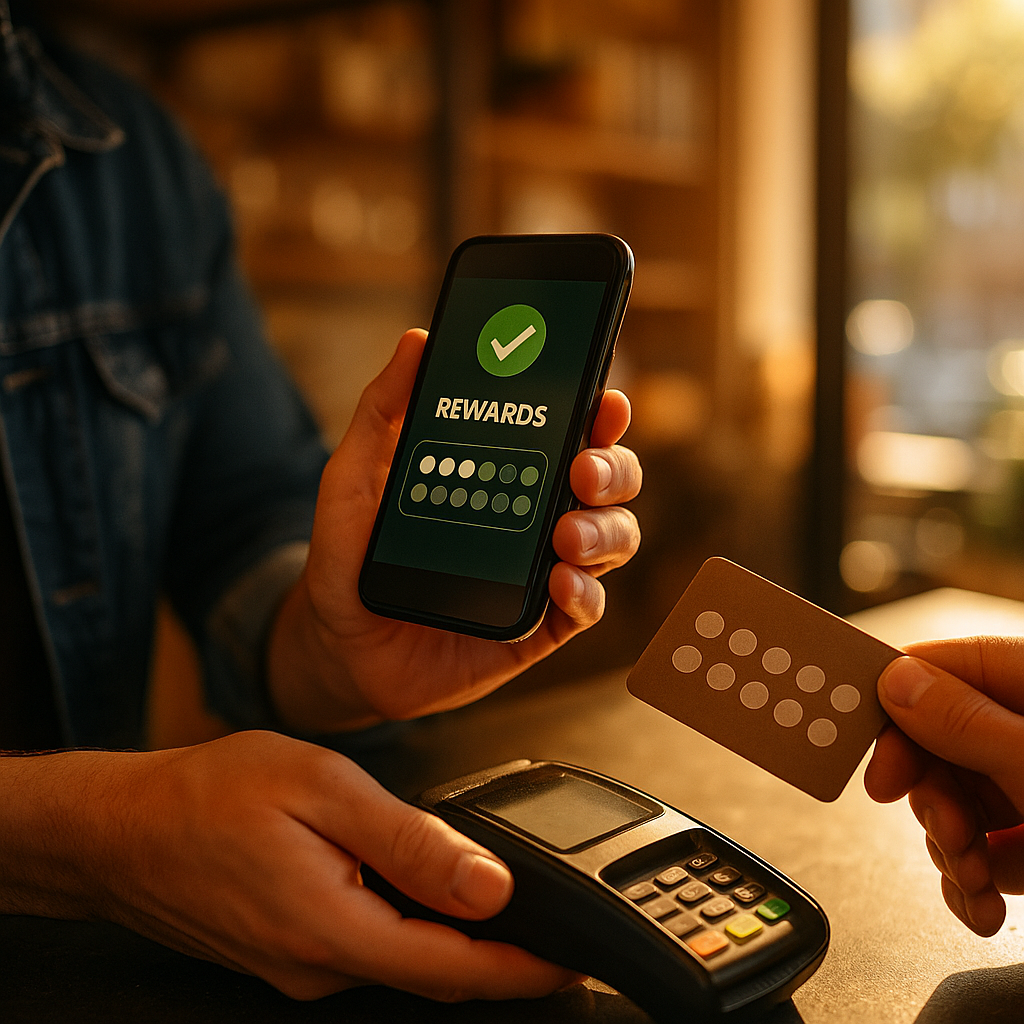
Customers no longer want to wait months to feel valued. In 2025, the smartest brands are shifting from delayed perks to faster, more frequent reinforcement. Moving from Milestone Loyalty to Inchstone Rewards for Instant Gratification reframes loyalty as a steady stream of small wins that build habit, trust, and lifetime value. If your program feels like a treadmill, inchstones can make it feel like progress—starting today.
Why instant rewards matter in modern customer loyalty programs
Traditional loyalty programs rely on “big moments”: earn enough points, reach a tier, unlock a reward. That approach can work for frequent buyers, but it often fails everyone else—especially new customers who haven’t yet formed a routine. Inchstone rewards solve a basic motivation problem: people act when the payoff feels near, clear, and achievable.
In 2025, attention is expensive and switching is easy. Customers compare your experience not just to competitors, but to the best digital experiences they use daily. When a loyalty program delays gratification, it creates friction: “I’ll care later.” Inchstones remove that friction by turning loyalty into micro-progress.
What changes with inchstones:
- Time-to-reward shrinks from weeks to minutes or days.
- Effort feels lighter because milestones are broken into visible steps.
- Engagement becomes continuous rather than tied to a few large redemptions.
- Perceived fairness improves because more customers benefit, not only power users.
This doesn’t mean abandoning meaningful milestones. It means redesigning the journey so customers feel momentum early and often—then staying for the bigger rewards because they already trust the program.
Inchstone rewards strategy: replacing milestones with micro-achievements
An inchstone is a small, deliberate reward tied to a specific behavior that predicts long-term value. Unlike random discounts, inchstones are structured: they teach customers what “good” looks like and reinforce it quickly. The goal is not to give away margin; it’s to make the next best action obvious and rewarding.
Start by mapping your loyalty journey from first purchase to repeat purchase to advocacy. Then identify the behaviors that increase retention and profit. Common high-impact behaviors include:
- Completing an account profile (better personalization and support)
- Opting into SMS or app notifications (lower-cost retention channel)
- Making a second purchase within a set window (strong retention signal)
- Trying a high-satisfaction category or bundle (higher repeat probability)
- Submitting a review with photos (higher conversion and trust)
- Referring a friend who completes a purchase (compounding growth)
Design each inchstone with three rules:
- Immediate: deliver the benefit right away or within 24 hours.
- Understandable: customers should grasp “do X, get Y” instantly.
- Aligned: reward only actions that reduce churn, raise AOV, or boost advocacy.
Examples of inchstones that feel valuable without eroding price: early access to a drop, free expedited shipping on the next order, a small “thank you” credit that expires soon, bonus points for the next purchase (not the current one), a surprise upgrade, or members-only support priority. These are often cheaper than blanket discounts because they are targeted and time-bound.
If you already run tiers, keep them—but use inchstones to help customers climb. Instead of “You’re 900 points away,” show “One more purchase unlocks free shipping.” That’s not semantics; it’s a behavioral nudge.
Behavioral psychology for instant gratification in loyalty
Inchstones work because they align with how people evaluate effort and reward. You don’t need gimmicks—you need reinforcement that feels earned and timely.
Key principles to apply:
- Progress visibility: customers stay engaged when they can see measurable movement. Display progress bars, next-step prompts, and “almost there” messaging that is accurate and specific.
- Variable delight, fixed fairness: keep the rules consistent, but occasionally add a surprise perk after a qualifying action. Customers love spontaneity; they hate inconsistency.
- Loss aversion (used responsibly): limited-time boosters can increase action, but avoid manipulative countdowns. Be transparent: “Use your $5 thank-you credit in 14 days.”
- Identity reinforcement: frame rewards as recognition, not bribery. “You’re an insider” drives more loyalty than “Here’s a coupon.”
- Endowed progress: give new members a small head start (for example, “You start with 10% progress to your first perk”). It reduces the perceived distance to success.
Answering the common follow-up: “Won’t customers expect constant rewards?” Not if you pace them intelligently. Inchstones are not perpetual discounts; they are structured reinforcement for specific actions. Over time, you can shift the value mix from monetary benefits to experiential benefits (access, service, community) while maintaining the same engagement.
Customer retention and engagement metrics to track for inchstone programs
To follow Google’s EEAT expectations for helpful, trustworthy content, treat inchstones as a measurable system—not a creative campaign. Define success before you launch and instrument the data so you can prove impact.
Track these core metrics:
- Time-to-second-purchase: a leading indicator of retention for many businesses.
- Repeat purchase rate and purchase frequency: measure changes by cohort (before vs after).
- Redemption rate by reward type: tells you what customers value and what is confusing.
- Incremental lift: compare exposed vs unexposed customers to estimate true impact.
- Contribution margin per member: ensure rewards do not trade profit for vanity engagement.
- Churn rate and reactivation rate: inchstones can also bring dormant customers back.
- Net revenue retention (where applicable): especially for subscriptions and memberships.
Instrument the journey: tag each inchstone trigger (event), reward issuance, and redemption. Then create a simple dashboard that shows: trigger volume, issuance rate, redemption, and downstream purchases within a defined attribution window.
What good looks like: faster time-to-repeat, higher engagement among mid-frequency customers, and stable or improved margin. If redemption climbs but profit falls, narrow eligibility, lower reward cost, or redirect rewards toward future behavior (next order) rather than present behavior (current order).
Another likely question: “Should we show points or hide them?” Show progress, not complexity. If points help customers understand value, keep them. If they confuse customers, switch to clear perks and steps (e.g., “Complete 2 actions to unlock free shipping”). Clarity beats tradition.
Implementation blueprint: loyalty program design, tech stack, and governance
Moving to inchstones requires more than new reward ideas. It requires operational discipline so the experience stays consistent across channels and doesn’t overwhelm your team.
1) Define your reward economics
Set a monthly or per-order “reward cost ceiling” tied to margin. Then allocate that budget across inchstones based on predicted impact. Protect profitability by preferring rewards that:
- Drive the next purchase rather than discount the current one
- Have low hard cost (priority support, early access, bonus points)
- Are targeted (only to customers who need a nudge)
2) Build an inchstone ladder (3–7 steps)
Avoid launching 20 triggers at once. Start with a small ladder that matches your customer lifecycle, such as: join → complete profile → second purchase → review → referral. Each step should have a clear “why it matters” for the customer.
3) Choose the right tooling
You need event tracking, segmentation, and omnichannel delivery. Typically, that means:
- A loyalty platform or built-in loyalty module that supports rule-based rewards
- Customer data capabilities (CDP or strong CRM segmentation) to target rewards
- Messaging tools (email, SMS, in-app) to deliver instant gratification
- Analytics with cohorting and experimentation support
4) Make it omnichannel by design
If you run retail and ecommerce, unify member identity (phone/email) and ensure rewards work everywhere. Nothing damages trust like earning a perk in-app that can’t be redeemed in-store.
5) Add governance to protect trust
Document reward rules, eligibility, and expiration. Train support teams and give them clear escalation paths. Create a simple policy for goodwill adjustments so frontline teams can fix edge cases without breaking the program.
6) Test, then scale
Run controlled pilots: one audience gets inchstones, one stays on milestones. Test one variable at a time (reward value, timing, messaging). Scale only what improves retention and margin, not just clicks.
Personalization and ethical incentives: building trust while increasing conversions
Instant gratification becomes powerful when it feels personal and fair. It becomes risky when it feels manipulative or invasive. The best inchstone programs grow because customers trust them.
Personalize with restraint: use first-party data customers expect you to use—purchase history, stated preferences, engagement signals. Personalization should answer, “What will help this customer succeed next?” not “How can we squeeze a conversion?”
Practical personalization ideas:
- Offer category-specific inchstones based on what the customer already buys
- Use “next best action” prompts: refill reminders, replenishment perks, how-to content
- Tailor the reward format: free shipping for online shoppers, in-store perks for retail-first members
Keep incentives ethical and compliant:
- Be transparent: clearly state how to earn and redeem.
- Respect consent: don’t lock core value behind invasive permissions.
- Avoid dark patterns: no fake urgency, no hidden exclusions.
- Protect privacy: minimize data collection and secure what you store.
Handle the common concern: “Will inchstones cheapen the brand?” Not if you design rewards around status, access, and service—benefits that feel premium and reinforce brand identity. Luxury and premium brands can use inchstones as micro-recognition: concierge chat, complimentary gift wrap, early viewing, or limited invitations—high perceived value, controlled cost.
FAQs about inchstone rewards and milestone loyalty
-
What is the difference between milestone loyalty and inchstone rewards?
Milestone loyalty focuses on large rewards after significant accumulation (points, spend, visits). Inchstone rewards break the journey into smaller steps and deliver benefits quickly after key actions, creating more frequent reinforcement and faster perceived value.
-
Do inchstone rewards replace tiers and VIP levels?
They don’t have to. Many brands keep tiers for long-term status while adding inchstones to improve early engagement and help customers progress. The combination often increases participation without removing aspirational benefits.
-
What are the best first inchstones to launch?
Start with inchstones tied to proven retention behaviors: joining the program, completing a profile, making a second purchase within a defined window, leaving a review, and referring a friend. Keep the ladder short and easy to understand.
-
Will instant rewards reduce profit because customers expect discounts?
Not if you structure rewards around future behavior and low-cost, high-perceived-value perks. Use targeted eligibility, time limits, and experiential benefits (access, service) to protect margin while improving retention.
-
How do I measure whether inchstones are working?
Track time-to-second-purchase, repeat purchase rate, redemption by reward type, incremental lift via testing, and contribution margin per member. Evaluate by cohorts to see whether inchstones improve retention without inflating reward costs.
-
How quickly should customers receive an inchstone reward?
Ideally instantly or within 24 hours. The closer the reward is to the action, the stronger the learning loop. If fulfillment requires time (e.g., shipping), confirm the reward immediately and deliver the benefit as soon as possible.
Milestone programs still have a place, but they often delay value too long for today’s expectations. Inchstone rewards create faster feedback loops, clearer progress, and more consistent engagement without relying on constant discounting. Build a small ladder of meaningful micro-rewards, track incremental impact, and refine with disciplined testing. The takeaway: reward the next best action quickly, and loyalty becomes a habit.
Top Influencer Marketing Agencies
The leading agencies shaping influencer marketing in 2026
Agencies ranked by campaign performance, client diversity, platform expertise, proven ROI, industry recognition, and client satisfaction. Assessed through verified case studies, reviews, and industry consultations.
Moburst

-
2

The Shelf
Boutique Beauty & Lifestyle Influencer AgencyA data-driven boutique agency specializing exclusively in beauty, wellness, and lifestyle influencer campaigns on Instagram and TikTok. Best for brands already focused on the beauty/personal care space that need curated, aesthetic-driven content.Clients: Pepsi, The Honest Company, Hims, Elf Cosmetics, Pure LeafVisit The Shelf → -
3

Audiencly
Niche Gaming & Esports Influencer AgencyA specialized agency focused exclusively on gaming and esports creators on YouTube, Twitch, and TikTok. Ideal if your campaign is 100% gaming-focused — from game launches to hardware and esports events.Clients: Epic Games, NordVPN, Ubisoft, Wargaming, Tencent GamesVisit Audiencly → -
4

Viral Nation
Global Influencer Marketing & Talent AgencyA dual talent management and marketing agency with proprietary brand safety tools and a global creator network spanning nano-influencers to celebrities across all major platforms.Clients: Meta, Activision Blizzard, Energizer, Aston Martin, WalmartVisit Viral Nation → -
5

The Influencer Marketing Factory
TikTok, Instagram & YouTube CampaignsA full-service agency with strong TikTok expertise, offering end-to-end campaign management from influencer discovery through performance reporting with a focus on platform-native content.Clients: Google, Snapchat, Universal Music, Bumble, YelpVisit TIMF → -
6

NeoReach
Enterprise Analytics & Influencer CampaignsAn enterprise-focused agency combining managed campaigns with a powerful self-service data platform for influencer search, audience analytics, and attribution modeling.Clients: Amazon, Airbnb, Netflix, Honda, The New York TimesVisit NeoReach → -
7

Ubiquitous
Creator-First Marketing PlatformA tech-driven platform combining self-service tools with managed campaign options, emphasizing speed and scalability for brands managing multiple influencer relationships.Clients: Lyft, Disney, Target, American Eagle, NetflixVisit Ubiquitous → -
8

Obviously
Scalable Enterprise Influencer CampaignsA tech-enabled agency built for high-volume campaigns, coordinating hundreds of creators simultaneously with end-to-end logistics, content rights management, and product seeding.Clients: Google, Ulta Beauty, Converse, AmazonVisit Obviously →