


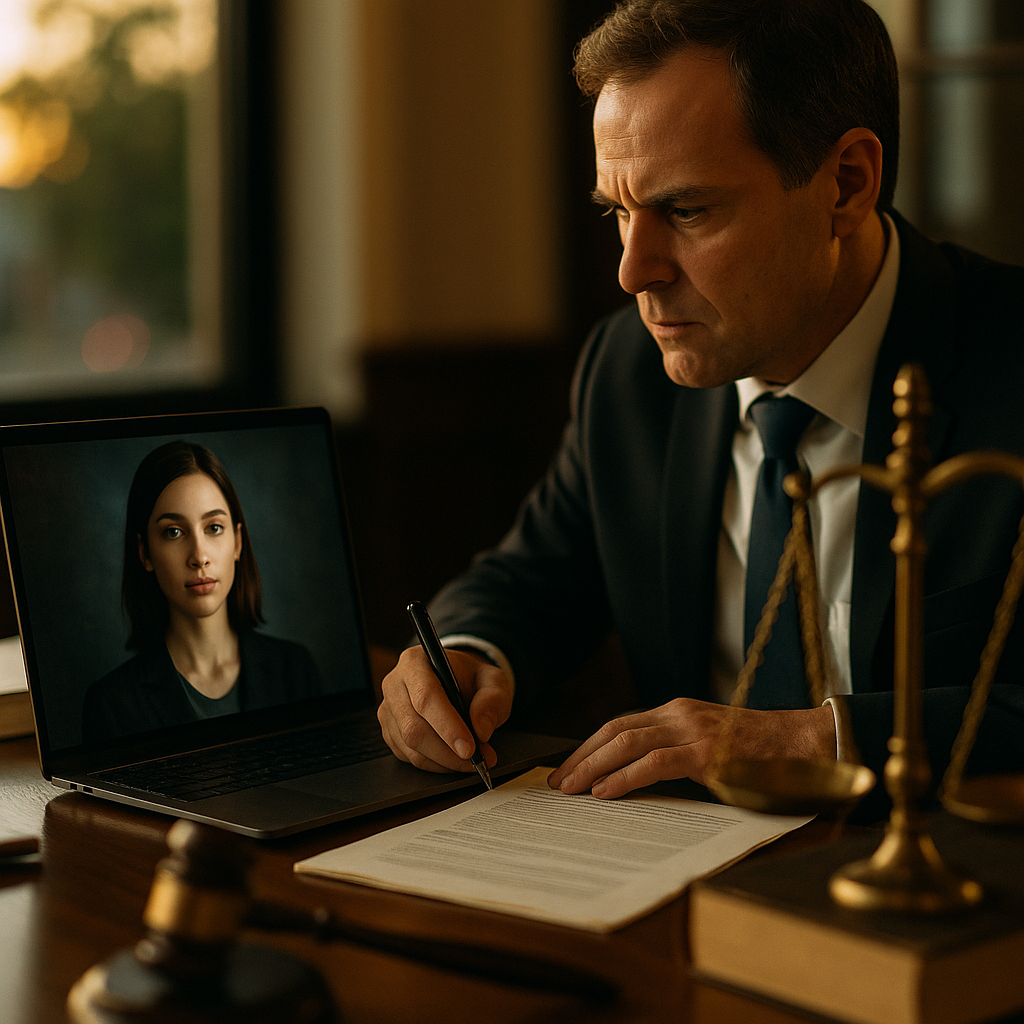
Brands in 2025 increasingly use generative tools to revive logos, mascots, and packaging from earlier eras. Yet the legal landscape is complex: the past rarely sits in the public domain as neatly as marketers hope. This guide to Legal Considerations for Using AI to Resurrect Historical Brand Symbols explains the key rights, risks, and practical steps to clear and deploy heritage assets responsibly—before a nostalgic campaign becomes a dispute.
Trademark clearance for AI-recreated brand symbols
When you resurrect a historical symbol, your first question should be: who owns the trademark rights today? Even if a logo looks “old,” trademark rights can survive for decades through continuous use, renewed registrations, or residual goodwill.
Start with a modern clearance search. Do not rely on an assumption that a symbol is abandoned. Conduct searches across:
- National and regional trademark registries where you plan to sell or advertise
- Common-law sources (web, trade press, marketplaces) for unregistered use
- Corporate records and brand acquisitions (heritage marks are often sold)
- Industry-specific registries (e.g., alcohol, pharma, sports leagues)
Assess “likelihood of confusion,” not just identical matches. AI often outputs “close but not exact” designs. That can be more dangerous than a direct copy because it may look like a deliberate imitation. Evaluate similarity in appearance, sound (if a slogan is revived), meaning, and commercial impression, plus overlap in goods/services and channels.
Consider dilution and fame. If the original symbol was iconic, owners may claim dilution even without direct confusion. This matters when resurrecting famous mascots, emblems, or trade dress.
Answer a common follow-up: “If we change it 30%, are we safe?” There is no percentage rule. Courts and trademark offices evaluate consumer perception. A small feature—color blocking, silhouette, typography—can still trigger a problem if it drives recognition.
Copyright ownership and derivative works in historical designs
Trademarks protect source identifiers; copyright can protect original artistic expression in logos, illustrations, characters, and packaging artwork. When AI “restores” or “reimagines” an old symbol, you may be creating a derivative work, which generally requires permission from the copyright owner unless an exception applies.
Identify the chain of title. Many legacy symbols were created by agencies, freelancers, or studios. Ownership may sit with:
- The brand (if rights were assigned correctly)
- An agency (if a contract reserved rights)
- The creator’s estate (if rights were never transferred)
- A successor entity after mergers, bankruptcies, or asset sales
Do not confuse “publicly visible” with “free to use.” Vintage ads, museum displays, and archived packaging are often still protected.
Plan for AI-specific risks. If your workflow uses AI to generate outputs based on scans or photos of legacy packaging, your output may be argued to be substantially similar to protected artwork. Even if the AI produces something “new,” it can still be infringing if it reproduces protected elements.
Document your creative process. Maintain:
- Source materials and permissions
- Prompts, model settings, and iteration history
- Human edits and design rationale
- Internal review notes on what was intentionally avoided
This evidence supports good-faith creation and helps counsel assess risk quickly.
Right of publicity and personality rights for revived mascots
Historical brand symbols often involve people: founders, spokescharacters, athletes, voice talent, or stylized depictions inspired by real individuals. In many places, right of publicity (and related personality rights) can restrict commercial use of someone’s name, likeness, voice, or other identifiable attributes—sometimes extending after death.
Key questions to resolve before launch:
- Is the “symbol” tied to a real person (even loosely) that consumers can identify?
- Are you cloning a voice or facial performance using AI?
- Do contracts from prior campaigns include reuse rights, renewals, or limitations?
- Will the revived character imply endorsement or sponsorship?
Practical guidance: If the campaign benefits from recognizability, it also increases legal exposure. Secure releases and licenses where needed, and consider creating a clearly fictionalized redesign that avoids identifiable traits (voiceprint, signature gestures, or specific facial geometry).
Answer a common follow-up: “What if the person is long gone?” That can still be risky. Post-mortem rights vary by jurisdiction, and heirs or estates can be active enforcers—especially when AI makes “new performances” possible.
Consumer protection and false endorsement risks with heritage branding
Reviving historical symbols can create credibility fast—and that creates obligations. In 2025, regulators and consumers expect accuracy about what is being offered, who is behind it, and what claims are being made.
Avoid misleading impressions about continuity. If a brand, recipe, or product line is not truly “back,” do not imply it is the same as the historical version. Watch for risk areas such as:
- “Original formula” or “classic recipe” statements without substantiation
- Packaging that suggests the same manufacturer when ownership changed
- Badges that imply certification, awards, or historic endorsements
- Claims about “since [date]” that conflict with corporate history
Watch out for false endorsement. A revived mascot or signature look can imply a partnership with a legacy company, a sports club, a museum, or a celebrity estate. Ensure your marketing avoids confusion about affiliation.
Disclose AI use when it materially affects interpretation. If you recreate a “vintage ad” featuring a realistic spokesperson who never participated, consider a clear disclosure. This helps reduce deception risk and supports trust, especially when the creative intentionally mimics archival media.
Answer a common follow-up: “Will a disclaimer fix it?” Disclaimers help, but they do not cure a misleading overall impression. Place them clearly, use plain language, and align visuals and claims with reality.
AI training data, licensing, and vendor contracts for brand revival
Legal risk often comes from the inputs and the contracts, not only the final artwork. If you use third-party tools or agencies, treat the project like any other IP-heavy production—only with more moving parts.
Confirm rights to source materials. If you train or fine-tune a model on archived labels, posters, or mascot illustrations, you may need permission. Even if you do not train, uploading protected images to certain services can breach terms or create confidentiality issues.
Vet your AI vendors. In procurement and statements of work, require clarity on:
- Whether your prompts, uploads, and outputs are used to train vendor models
- Confidentiality and data retention periods
- Indemnities for IP claims and the scope of coverage
- Warranties about lawful training data or risk-mitigation practices
- Ability to generate an audit trail (logs, timestamps, model versions)
Define ownership of outputs. Contracts should specify who owns the deliverables, whether the vendor can reuse them, and whether you receive exclusive rights. If exclusivity is critical (for a flagship symbol), negotiate it explicitly.
Implement an internal review gate. Create a checklist for legal, brand, and compliance review before any revived symbol appears in paid media, packaging, app icons, or storefront signage. Include screenshot capture of the final deployment context—many disputes turn on “how it looked in the ad,” not just the standalone artwork.
Risk management, documentation, and global rollout strategy
Heritage revivals rarely stay local. A symbol that is clear in one market may be blocked in another due to earlier registrations, local cultural sensitivities, or different standards for confusion and deception.
Build a jurisdiction-first plan. Prioritize clearance in the countries where you will:
- Sell products or ship direct-to-consumer
- Run paid ads or influencer campaigns
- Host e-commerce pages in local language or currency
- Manufacture, label, or distribute
Create a “rights dossier” for the revived symbol. To follow EEAT best practices, maintain a living record that supports your decisions:
- Trademark search results and counsel notes
- Copyright chain-of-title documents and assignments
- Talent releases or estate licenses (if applicable)
- Vendor terms, data handling, and indemnities
- Design iterations showing independent creation and intentional changes
- Marketing substantiation for claims (e.g., “original,” “classic,” “heritage”)
Have an escalation plan. Decide in advance who responds to cease-and-desist letters, platform takedowns, or customs holds. Prepare alternative creative files to swap quickly if a marketplace listing or ad account is paused.
Answer a common follow-up: “Can we insure this?” In many cases, yes—IP infringement coverage or media liability insurance may help. Coverage varies, so align your policy with the specific revival campaign, the territories, and the media channels.
FAQs about resurrecting historical brand symbols with AI
Is a historical logo automatically in the public domain?
No. Trademark rights can continue as long as the mark is used and maintained. Copyright can also apply to the artwork. Treat “historical” as a creative descriptor, not a legal status.
If we redraw the symbol by hand after using AI as inspiration, is it safer?
It can reduce risk, but it is not a guarantee. If the final design is substantially similar to protected elements or still likely to cause confusion, it can still infringe. Keep process documentation and run a proper clearance review.
Do we need permission to use old packaging in AI prompts or training?
Often, yes—especially for training or fine-tuning. Even uploading images to a third-party tool can create contractual and confidentiality issues. Get legal review of both the source rights and the tool’s terms.
What legal checks should happen before we launch a nostalgia campaign?
At minimum: trademark clearance in launch markets, copyright ownership review, publicity/endorsement analysis for any human likeness or voice, consumer protection review for “original” claims, and vendor contract review for AI tools and agencies.
Can we register the revived symbol as our trademark?
Possibly, if it is distinctive and not confusingly similar to existing marks. Registration strategy should align with your actual use and include key classes and territories. If the symbol is close to a legacy mark, expect objections or opposition.
Should we disclose that the symbol was generated with AI?
Disclosure is not always legally required, but it can be wise if AI use affects how consumers interpret authenticity, endorsements, or historical context. Transparent labeling can also reduce reputational risk.
Reviving heritage visuals can build trust quickly, but the law rewards precision, not nostalgia. Treat AI outputs like any other high-value IP asset: clear trademarks, confirm copyright ownership, respect publicity rights, and avoid marketing that implies endorsements or continuity you cannot prove. In 2025, the safest brands pair creative ambition with disciplined documentation and strong vendor terms—so the comeback story stays yours.
Top Influencer Marketing Agencies
The leading agencies shaping influencer marketing in 2026
Agencies ranked by campaign performance, client diversity, platform expertise, proven ROI, industry recognition, and client satisfaction. Assessed through verified case studies, reviews, and industry consultations.
Moburst

-
2

The Shelf
Boutique Beauty & Lifestyle Influencer AgencyA data-driven boutique agency specializing exclusively in beauty, wellness, and lifestyle influencer campaigns on Instagram and TikTok. Best for brands already focused on the beauty/personal care space that need curated, aesthetic-driven content.Clients: Pepsi, The Honest Company, Hims, Elf Cosmetics, Pure LeafVisit The Shelf → -
3

Audiencly
Niche Gaming & Esports Influencer AgencyA specialized agency focused exclusively on gaming and esports creators on YouTube, Twitch, and TikTok. Ideal if your campaign is 100% gaming-focused — from game launches to hardware and esports events.Clients: Epic Games, NordVPN, Ubisoft, Wargaming, Tencent GamesVisit Audiencly → -
4

Viral Nation
Global Influencer Marketing & Talent AgencyA dual talent management and marketing agency with proprietary brand safety tools and a global creator network spanning nano-influencers to celebrities across all major platforms.Clients: Meta, Activision Blizzard, Energizer, Aston Martin, WalmartVisit Viral Nation → -
5

The Influencer Marketing Factory
TikTok, Instagram & YouTube CampaignsA full-service agency with strong TikTok expertise, offering end-to-end campaign management from influencer discovery through performance reporting with a focus on platform-native content.Clients: Google, Snapchat, Universal Music, Bumble, YelpVisit TIMF → -
6

NeoReach
Enterprise Analytics & Influencer CampaignsAn enterprise-focused agency combining managed campaigns with a powerful self-service data platform for influencer search, audience analytics, and attribution modeling.Clients: Amazon, Airbnb, Netflix, Honda, The New York TimesVisit NeoReach → -
7

Ubiquitous
Creator-First Marketing PlatformA tech-driven platform combining self-service tools with managed campaign options, emphasizing speed and scalability for brands managing multiple influencer relationships.Clients: Lyft, Disney, Target, American Eagle, NetflixVisit Ubiquitous → -
8

Obviously
Scalable Enterprise Influencer CampaignsA tech-enabled agency built for high-volume campaigns, coordinating hundreds of creators simultaneously with end-to-end logistics, content rights management, and product seeding.Clients: Google, Ulta Beauty, Converse, AmazonVisit Obviously →