


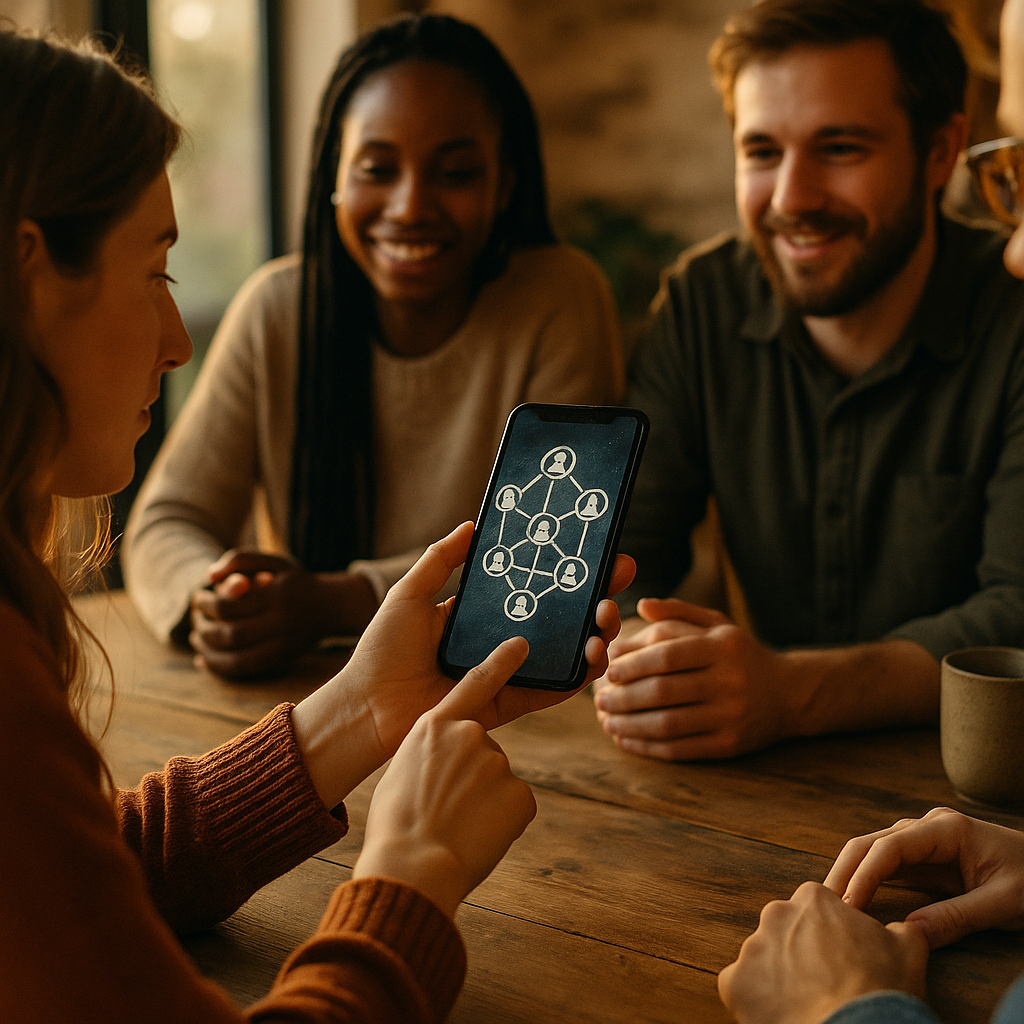
The rise of slow social reflects a shift in how people want to connect online in 2025: fewer feeds, fewer notifications, and more intentional participation. As algorithmic timelines accelerate, many users choose spaces that reward patience, context, and care. This movement isn’t nostalgia; it’s a practical response to overload, mistrust, and burnout. What happens when communities add friction on purpose?
Why “slow social media” is gaining momentum
Fast social platforms optimize for frequency and reach. That design can be useful for broadcasting updates, but it also creates predictable side effects: shallow engagement, rage-bait dynamics, and an endless pressure to perform. In 2025, more people are choosing slower environments because they want outcomes that fast feeds struggle to deliver: trust, learning, and durable relationships.
Slow social media is less about being anti-technology and more about aligning online life with human limits. Instead of prioritizing speed, these spaces prioritize:
- Context over virality: longer posts, threaded discussions, and references that allow readers to verify claims.
- Continuity over novelty: communities where the same names appear over time, building reputations and shared history.
- Quality signals over engagement metrics: moderation standards, curated membership, and norms that discourage dunking and pile-ons.
Readers often ask if this trend is just a reaction to “doomscrolling.” That’s part of it, but not the whole story. Slow social also responds to practical needs: professionals want reliable peer advice, creators want sustainable audiences, and hobbyists want spaces where questions don’t vanish in minutes. In short, slow social works when the goal is belonging and utility, not raw attention.
How “high friction communities” improve trust and signal
“Friction” sounds negative until you consider what it replaces. Zero-friction platforms make it easy to join, post, and react instantly—which also makes it easy to spam, harass, impersonate expertise, and spread misinformation. High friction communities add intentional steps that filter behavior and increase accountability.
Common friction mechanisms include:
- Applications or onboarding: a short intro, agreeing to norms, or answering questions that clarify intent.
- Posting limits: waiting periods, slow modes, or minimum reading time before commenting.
- Identity and reputation signals: verified credentials for expert channels, consistent handles, or contribution histories that matter.
- Topic boundaries: clear scope that reduces endless arguments and keeps discussions useful.
- Moderation that explains decisions: transparent rules and consistent enforcement to reduce “mystery bans” and distrust.
High friction doesn’t mean gatekeeping for status. Done well, it protects a community’s shared resource: attention. It also makes advice more reliable because members have incentives to be accurate. If your name and history carry weight, you think twice before making claims you can’t support.
If you’re wondering whether friction reduces growth, the answer depends on what you mean by growth. High friction can reduce sign-ups, but it often increases retention, meaningful contribution, and member satisfaction. Communities that measure success by outcomes—solved problems, friendships formed, projects shipped—often choose friction deliberately.
Building “intentional online communities” that last
Many online spaces fail because they start with tools instead of purpose. The most resilient intentional online communities begin with a clear promise: what members can expect, what’s expected of them, and what the community will not do. That clarity is a form of friction that prevents mismatch and resentment.
To build a lasting community in 2025, focus on these foundations:
- Define the job-to-be-done: Is this a peer support group, a professional guild, a learning cohort, or a local mutual-aid network? Each needs different rules.
- Write norms for the real failures: address self-promotion, pile-ons, medical or financial advice, harassment, and off-topic debate with concrete examples.
- Design for introductions: require a first post template (who you are, what you’re here for, what you can offer). This improves matching and reduces drive-by posting.
- Create paths for contribution: not everyone wants to post. Provide ways to help: tagging resources, welcoming newcomers, summarizing threads, or maintaining FAQs.
- Plan moderation as operations: moderation is not a vibe; it’s a system. Assign roles, escalation steps, documentation, and response times.
Readers often ask how to keep communities from becoming echo chambers. Intentional communities can avoid that by scoping rather than silencing: encourage disagreement inside the topic boundaries, require citations for factual claims, and separate “debate channels” from “support channels” so vulnerable conversations don’t get derailed.
Another practical question: what’s the right size? Many slow communities thrive in the hundreds or low thousands because names stay recognizable. If you want to scale beyond that, use structure: subgroups, cohorts, or chapters with local moderators and shared standards.
“Community moderation strategies” for slow, healthy conversation
Slow social works when the environment rewards thoughtful posting. That requires moderation strategies that are predictable and fair, not reactive. In 2025, members expect communities to address safety, misinformation, and harassment without turning moderation into arbitrary control.
Effective community moderation strategies typically include:
- Tiered enforcement: friendly nudge, formal warning, temporary mute, removal. Document each step to avoid inconsistency.
- Reasoned removals: when content is removed, explain which rule applied and what a better version would look like.
- Slow-mode tools: enable time gaps during heated threads. Slowing replies reduces escalation and encourages reading before reacting.
- Source standards: for factual or health-related claims, require links to credible sources and discourage screenshots without context.
- Anti-spam and self-promo policies: allow promotion only after contribution thresholds, or confine it to a dedicated channel with clear limits.
- Moderator visibility: publish moderation logs or periodic reports (without doxxing) to build trust and show consistency.
Moderation also needs emotional realism. Volunteers burn out when they police tone all day. Reduce that load by designing the environment: use posting templates, enforce topical boundaries, and set clear expectations about response times. Slow communities should not promise instant support; they should promise reliable support.
For expert-led spaces, establish credential rules. For example, medical, legal, or financial advice should come with disclaimers and, ideally, verified professional roles for those channels. This improves EEAT: readers can see why a claim deserves trust, and moderators can intervene when advice crosses ethical lines.
“Digital well-being” benefits and trade-offs for members and creators
Slow social and high friction models often improve digital well-being because they change what participation feels like. Instead of chasing constant hits of novelty, members engage with fewer, deeper conversations. Many people report that this reduces anxiety and helps them sustain healthier boundaries with their devices.
Key benefits include:
- Less performative pressure: when likes and follower counts matter less, people share more honestly and ask better questions.
- More learning per minute: curated discussions, searchable archives, and recurring topics reduce repetitive noise.
- Stronger identity safety: consistent norms and real enforcement lower the odds of harassment and dogpiling.
- Better creator sustainability: creators can serve a smaller audience more deeply through memberships, cohorts, or community products.
There are real trade-offs. High friction can exclude people who lack time, confidence, or familiarity with community norms. It can also reduce serendipity and discovery. Communities should address these downsides directly by offering:
- Accessible onboarding: plain-language rules, examples of “good posts,” and a welcome sequence that teaches norms.
- Multiple participation modes: reading-only membership, anonymous question boxes, office hours, or periodic open events.
- Clear privacy expectations: explain what is public, what is searchable, and how data is handled.
If you’re evaluating whether slow social is right for you, ask: Do you want visibility or value? Fast platforms can amplify quickly, but slow communities compound benefits over time. If your goal is skill-building, support, or professional credibility, slow often wins.
Choosing “private social networks” and platforms without losing openness
Many slow communities live inside private social networks: forums, member platforms, group chats with strong moderation, or invitation-based networks. Privacy can raise trust, but it also raises governance questions: Who owns the space? What happens if the platform changes terms? How do new members discover you?
To make smart platform choices in 2025, evaluate:
- Search and archives: can members find past answers, and can you export data if needed?
- Access control: roles, permissions, paid tiers, and the ability to quarantine sensitive channels.
- Moderation tooling: slow mode, reporting, audit logs, keyword filters, and ban evasion controls.
- Portability: clear export options reduce risk and demonstrate respect for members’ contributions.
- Discovery strategy: keep a public “front porch” (newsletter, blog, or landing page) that explains the mission and how to join.
A common follow-up is how to balance privacy with public good. One effective pattern is to separate spaces: keep the community private for candid discussion, but publish sanitized summaries, resource lists, or monthly digests publicly. This preserves openness and improves credibility while protecting members.
For organizations, governance matters as much as tooling. Publish a code of conduct, clarify who moderates and why, and set an appeals process. These steps strengthen trust and reduce the risk of founder-centric rule changes that can fracture a community.
FAQs
What is slow social, in practical terms?
Slow social is an approach to online connection that prioritizes thoughtful participation over constant posting. It often uses slower timelines, longer-form discussion, strong norms, and fewer algorithmic incentives so members can read, reflect, and contribute with intention.
What are high friction online communities?
High friction communities add intentional steps—like onboarding, posting limits, and clear moderation—to reduce spam, harassment, and low-effort engagement. The goal is higher trust and better conversation, not exclusivity for its own sake.
Do high friction communities hurt growth?
They can reduce rapid sign-ups, but they often improve retention and contribution quality. If your success metric is meaningful outcomes (learning, support, collaboration), friction can increase long-term growth through stronger member loyalty.
How do you prevent slow communities from becoming echo chambers?
Use topic boundaries, evidence standards for factual claims, and channels designed for structured debate. Encourage disagreement that stays respectful and on-topic, and protect support-focused spaces from adversarial arguing.
What moderation policies matter most for slow social spaces?
Clear rules with examples, transparent enforcement, anti-harassment standards, and tools like slow mode and tiered warnings. Consistency builds trust; ambiguity creates conflict and moderator burnout.
Are private social networks safer?
They can be, because access controls and stronger norms reduce drive-by abuse. Safety still depends on governance: moderation capacity, clear reporting processes, data handling practices, and an appeals path for disputes.
How can creators make slow communities financially sustainable?
Offer paid memberships, cohorts, workshops, or premium channels that deliver clear value. Sustainability improves when you define outcomes, set boundaries, and avoid promising always-on access.
What’s the best first step to start a slow community?
Write a one-paragraph mission that states who it’s for, what members do there, and what’s out of scope. Then design onboarding and moderation around that mission before you choose tools.
Conclusion
Slow social and high friction communities are rising in 2025 because they solve problems fast feeds don’t: trust, continuity, and useful conversation. By adding intentional barriers—onboarding, norms, and consistent moderation—these spaces protect attention and make participation feel human again. The takeaway is simple: optimize for outcomes, not volume, and you’ll build a community people return to.
Top Influencer Marketing Agencies
The leading agencies shaping influencer marketing in 2026
Agencies ranked by campaign performance, client diversity, platform expertise, proven ROI, industry recognition, and client satisfaction. Assessed through verified case studies, reviews, and industry consultations.
Moburst

-
2

The Shelf
Boutique Beauty & Lifestyle Influencer AgencyA data-driven boutique agency specializing exclusively in beauty, wellness, and lifestyle influencer campaigns on Instagram and TikTok. Best for brands already focused on the beauty/personal care space that need curated, aesthetic-driven content.Clients: Pepsi, The Honest Company, Hims, Elf Cosmetics, Pure LeafVisit The Shelf → -
3

Audiencly
Niche Gaming & Esports Influencer AgencyA specialized agency focused exclusively on gaming and esports creators on YouTube, Twitch, and TikTok. Ideal if your campaign is 100% gaming-focused — from game launches to hardware and esports events.Clients: Epic Games, NordVPN, Ubisoft, Wargaming, Tencent GamesVisit Audiencly → -
4

Viral Nation
Global Influencer Marketing & Talent AgencyA dual talent management and marketing agency with proprietary brand safety tools and a global creator network spanning nano-influencers to celebrities across all major platforms.Clients: Meta, Activision Blizzard, Energizer, Aston Martin, WalmartVisit Viral Nation → -
5

The Influencer Marketing Factory
TikTok, Instagram & YouTube CampaignsA full-service agency with strong TikTok expertise, offering end-to-end campaign management from influencer discovery through performance reporting with a focus on platform-native content.Clients: Google, Snapchat, Universal Music, Bumble, YelpVisit TIMF → -
6

NeoReach
Enterprise Analytics & Influencer CampaignsAn enterprise-focused agency combining managed campaigns with a powerful self-service data platform for influencer search, audience analytics, and attribution modeling.Clients: Amazon, Airbnb, Netflix, Honda, The New York TimesVisit NeoReach → -
7

Ubiquitous
Creator-First Marketing PlatformA tech-driven platform combining self-service tools with managed campaign options, emphasizing speed and scalability for brands managing multiple influencer relationships.Clients: Lyft, Disney, Target, American Eagle, NetflixVisit Ubiquitous → -
8

Obviously
Scalable Enterprise Influencer CampaignsA tech-enabled agency built for high-volume campaigns, coordinating hundreds of creators simultaneously with end-to-end logistics, content rights management, and product seeding.Clients: Google, Ulta Beauty, Converse, AmazonVisit Obviously →