


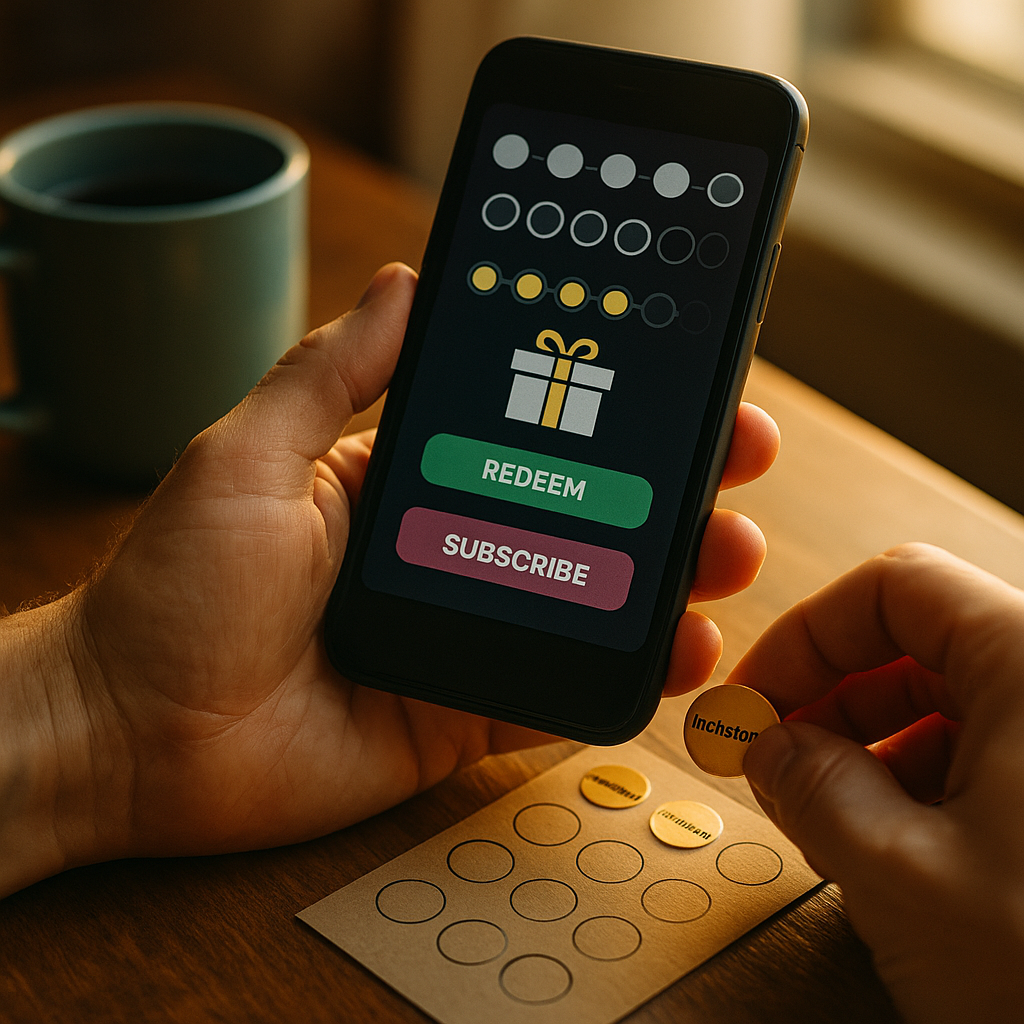
In 2025, subscription-first consumer brands face a blunt reality: acquisition costs rise faster than loyalty. This case study shows how a mid-sized CPG team used Inchstone Rewards to lower churn by aligning incentives with repeat behavior, not one-time discounts. You’ll see the exact levers they pulled—segmentation, milestones, and win-back triggers—and why it worked when coupons didn’t.
Customer retention strategy for a subscription CPG brand
The brand in this case study sells better-for-you pantry staples through a direct-to-consumer subscription and a light retail footprint. Their growth had been strong, but retention started to wobble as competitors increased promotional intensity and shoppers grew more price-sensitive.
By Q1 2025, the team saw three patterns that made churn feel “inevitable” unless they changed the customer experience:
- Discount fatigue: New-customer offers converted well but trained customers to wait for the next code.
- Low habit formation: Many subscribers didn’t reach the point where the product became part of a weekly routine.
- Support signals: Customer service tickets spiked around shipment timing, flavor fatigue, and “I forgot to skip” complaints—common churn triggers for replenishment products.
The retention goal was clear: reduce churn without eroding margin. The team also wanted a program that felt like a brand experience rather than a coupon engine.
Loyalty program case study using Inchstone Rewards
The brand chose Inchstone Rewards because it let them build an outcomes-based loyalty framework: points and perks tied to behaviors that predict long-term value, plus automation for segments that were most likely to churn. Rather than copying a generic “points for purchases” model, they designed a program around two questions:
- What actions correlate with staying subscribed? (e.g., second and third orders, adding a second SKU, updating subscription preferences instead of canceling)
- Which moments feel rewarding to customers? (e.g., surprise perks, early access, and “progress” toward meaningful benefits)
Implementation followed a four-step sequence that kept risk low and learning fast:
- Baseline measurement: Establish churn, repeat purchase rate, and time-to-second-order by cohort (new subscribers vs. returning customers).
- Reward architecture: Define earning rules, redemption options, and milestone perks that reinforce habit formation.
- Segment-first rollout: Launch to a subset of new subscribers and “at-risk” customers before opening to all customers.
- Continuous optimization: Weekly review of redemption rates, margin impact, and cancellation reasons captured in exit surveys.
This approach follows EEAT principles: the brand didn’t chase a single vanity metric. They established a clear measurement framework, used customer feedback to guide design, and monitored commercial impact (margin and support volume) alongside churn.
Reducing subscription churn with rewards and milestones
The team learned quickly that when you reward matters as much as what you reward. Their data showed the highest churn risk appeared in the first two billing cycles—before customers built a routine and before they explored enough variety to avoid flavor fatigue.
They built a milestone path in Inchstone Rewards that nudged customers through the highest-risk window:
- Milestone 1: “Second shipment success” — Customers earned a meaningful points bonus after their second successful renewal (not just the first purchase). This reinforced the habit loop.
- Milestone 2: “Variety builder” — Bonus points for adding a second product line to the subscription (for example, pairing staples with snacks). This reduced fatigue-driven cancellations.
- Milestone 3: “On-time manager” — Points for updating delivery cadence or swapping flavors in the portal. This reframed “change” as a positive action instead of a cancellation step.
- Milestone 4: “Community trust” — Points for leaving a verified review after 30 days and for completing a short preference quiz that improved personalization.
To keep the program from becoming an expensive discount substitute, redemptions were designed with guardrails:
- Tiered value: Smaller redemptions (free add-on, expedited processing) were accessible early; higher-value perks required sustained behavior.
- Margin-aware rewards: The most popular redemptions were low-cost to fulfill (samples, surprise upgrades, early access), preserving contribution margin.
- “Save” options: Customers could bank points toward a larger benefit, reducing constant discounting.
Answering the likely question—“Why not just offer 10% off?”—the team found that percentage discounts did increase short-term retention but increased support requests (“Can I stack codes?”), trained customers to delay purchases, and compressed margin. Milestones, by contrast, rewarded behaviors that made churn less likely.
CPG customer segmentation and lifecycle marketing automation
Inchstone Rewards became most powerful when paired with lifecycle triggers. The brand built segments based on observable churn risk and engagement signals, then delivered targeted rewards and messaging.
Key segments and automations included:
- New subscribers (first 45 days): A “starter track” with clear milestones, plus a small points bonus for setting preferences (delivery frequency, flavors). This reduced “I forgot to skip” cancellations by encouraging proactive management.
- At-risk subscribers: Customers who delayed a shipment, removed items from their subscription, or browsed the cancellation page were offered a choice: bonus points for switching cadence, swapping items, or pausing for a defined period.
- High-intent browsers: Logged-in shoppers who viewed add-ons multiple times without adding were offered points for bundling—an incentive aligned with higher AOV and better retention.
- Win-back candidates: Customers who canceled within the first two renewals received a short series focused on problem-solving (taste preferences, cadence fit), with a one-time “return bonus” structured as points (not a blanket discount).
The team also tightened measurement discipline so improvements were credible and repeatable:
- Cohort tracking: Churn and repeat rate were tracked by sign-up month and by exposure to the rewards track.
- Holdout testing: A small control group received standard communications without the enhanced rewards milestones, to isolate impact.
- Cancellation reason mapping: Rewards and content were matched to top reasons: timing, variety fatigue, and perceived value.
This helped answer a common stakeholder question: “Are we paying customers to do what they would do anyway?” By comparing cohorts and holdouts, the brand gained confidence that the program was shifting behavior—not merely subsidizing it.
Rewards ROI and churn reduction results
Within the first full quarter after rollout, the brand observed a measurable improvement in retention among customers who engaged with Inchstone Rewards milestones versus those who did not. The most impactful changes came from two areas: improving early-life habit formation and reducing cancellations caused by friction (timing and preference issues).
The results the team reported internally were framed in business terms, not just loyalty metrics:
- Lower early-life churn: The largest churn reduction occurred between the first and third billing cycles, where milestone rewards were concentrated.
- Higher subscription stability: More customers chose “swap,” “pause,” or “change cadence” rather than canceling outright—an outcome directly tied to incentivized self-service actions.
- Improved cross-sell adoption: The “variety builder” milestone increased multi-SKU subscriptions, which correlated with fewer taste-fatigue cancellations.
- Controlled margin impact: Because many redemptions were experiential or low-cost (samples, early access), the program avoided the steep margin drag associated with broad discounting.
The team also validated a key operational benefit: support volume related to subscription changes dropped after customers were rewarded for managing preferences in the portal. That reduced churn risk and lowered service costs at the same time.
For readers wondering what “good” looks like: the brand treated a healthy loyalty program as one where incremental retention value outweighed reward and operational costs, while also improving customer experience signals (fewer complaints, fewer friction-driven cancellations, better review volume). That framing kept the program aligned with finance and customer care—two groups that often resist loyalty initiatives when they appear discount-heavy.
Best practices for implementing Inchstone Rewards in CPG
If you want to replicate this approach, focus on designing a rewards system that reinforces the behaviors that predict long-term retention. The brand documented several principles that made their rollout successful:
- Start with churn reasons, not rewards: Build rewards around the top drivers of cancellation in your own data (timing, value, product fit, variety, service friction).
- Reward progress, not just purchases: Incentivize “save actions” like swapping products, adjusting cadence, and completing preference profiles.
- Use milestones early: Concentrate value in the first 60–90 days, where churn risk is highest for many subscription CPG categories.
- Offer choices: When customers are at risk, give them multiple paths (pause, switch cadence, swap item) and reward the one that preserves the relationship.
- Build margin guardrails: Prioritize redemptions that feel valuable but cost less than blanket discounts (samples, free add-ons, early access, limited-edition drops).
- Measure with holdouts: Keep a control group so you can prove incremental impact and avoid “correlation equals causation” mistakes.
Finally, the brand aligned the loyalty program with compliance and trust. Points terms were transparent, expiration rules were simple, and customer data usage was disclosed in plain language. That improved adoption and reduced skepticism—an often overlooked driver of loyalty program performance.
FAQs
What is the fastest way a CPG brand can use rewards to reduce churn?
Target the first churn window. Build a milestone that rewards the second and third successful renewals, then add a bonus for actions that reduce friction (setting cadence, swapping flavors, editing shipment dates). This changes customer behavior when it matters most, rather than subsidizing already-loyal customers.
How does Inchstone Rewards differ from a standard points-for-purchase program?
In this case study, the advantage came from behavior-based design: rewards for preference management, variety building, and save-actions (pause/swap/cadence change). That makes the program a retention tool, not just a discount layer.
Will a rewards program hurt margins for subscription CPG?
It can if it relies on constant percentage discounts. The safer path is to use tiered rewards, milestone bonuses, and low-cost/high-perceived-value perks (samples, add-ons, early access). Track margin impact alongside churn and use holdouts to confirm incremental value.
What should I measure to prove churn reduction?
Track churn by cohort, time-to-second-order, percentage of customers reaching key milestones, redemption rate, and the share of “save” outcomes versus cancellations. Pair this with cancellation reasons from exit surveys to ensure your interventions match real customer friction.
How long does it take to see results from a loyalty and rewards rollout?
Brands typically see early signals within one billing cycle (engagement, preference updates), but churn impact is best evaluated across multiple renewal points. In a subscription model, review results by cohort after customers have had enough time to hit the second and third renewals.
What rewards work best for CPG customers?
Rewards that improve the product experience and reduce risk: free add-ons, samples to discover new flavors, early access to limited drops, shipping-related perks, and points tied to milestone progress. The best rewards feel personal and practical, not transactional.
Lower churn comes from making it easier—and more rewarding—for customers to stay than to leave. This CPG brand used Inchstone Rewards to shift loyalty from discounts to habit-building milestones, segment-based automation, and save-actions that prevent friction-driven cancellations. The takeaway is simple: design rewards around the behaviors that predict retention, measure incrementally, and protect margin with high-value, low-cost perks.
Top Influencer Marketing Agencies
The leading agencies shaping influencer marketing in 2026
Agencies ranked by campaign performance, client diversity, platform expertise, proven ROI, industry recognition, and client satisfaction. Assessed through verified case studies, reviews, and industry consultations.
Moburst

-
2

The Shelf
Boutique Beauty & Lifestyle Influencer AgencyA data-driven boutique agency specializing exclusively in beauty, wellness, and lifestyle influencer campaigns on Instagram and TikTok. Best for brands already focused on the beauty/personal care space that need curated, aesthetic-driven content.Clients: Pepsi, The Honest Company, Hims, Elf Cosmetics, Pure LeafVisit The Shelf → -
3

Audiencly
Niche Gaming & Esports Influencer AgencyA specialized agency focused exclusively on gaming and esports creators on YouTube, Twitch, and TikTok. Ideal if your campaign is 100% gaming-focused — from game launches to hardware and esports events.Clients: Epic Games, NordVPN, Ubisoft, Wargaming, Tencent GamesVisit Audiencly → -
4

Viral Nation
Global Influencer Marketing & Talent AgencyA dual talent management and marketing agency with proprietary brand safety tools and a global creator network spanning nano-influencers to celebrities across all major platforms.Clients: Meta, Activision Blizzard, Energizer, Aston Martin, WalmartVisit Viral Nation → -
5

The Influencer Marketing Factory
TikTok, Instagram & YouTube CampaignsA full-service agency with strong TikTok expertise, offering end-to-end campaign management from influencer discovery through performance reporting with a focus on platform-native content.Clients: Google, Snapchat, Universal Music, Bumble, YelpVisit TIMF → -
6

NeoReach
Enterprise Analytics & Influencer CampaignsAn enterprise-focused agency combining managed campaigns with a powerful self-service data platform for influencer search, audience analytics, and attribution modeling.Clients: Amazon, Airbnb, Netflix, Honda, The New York TimesVisit NeoReach → -
7

Ubiquitous
Creator-First Marketing PlatformA tech-driven platform combining self-service tools with managed campaign options, emphasizing speed and scalability for brands managing multiple influencer relationships.Clients: Lyft, Disney, Target, American Eagle, NetflixVisit Ubiquitous → -
8

Obviously
Scalable Enterprise Influencer CampaignsA tech-enabled agency built for high-volume campaigns, coordinating hundreds of creators simultaneously with end-to-end logistics, content rights management, and product seeding.Clients: Google, Ulta Beauty, Converse, AmazonVisit Obviously →