


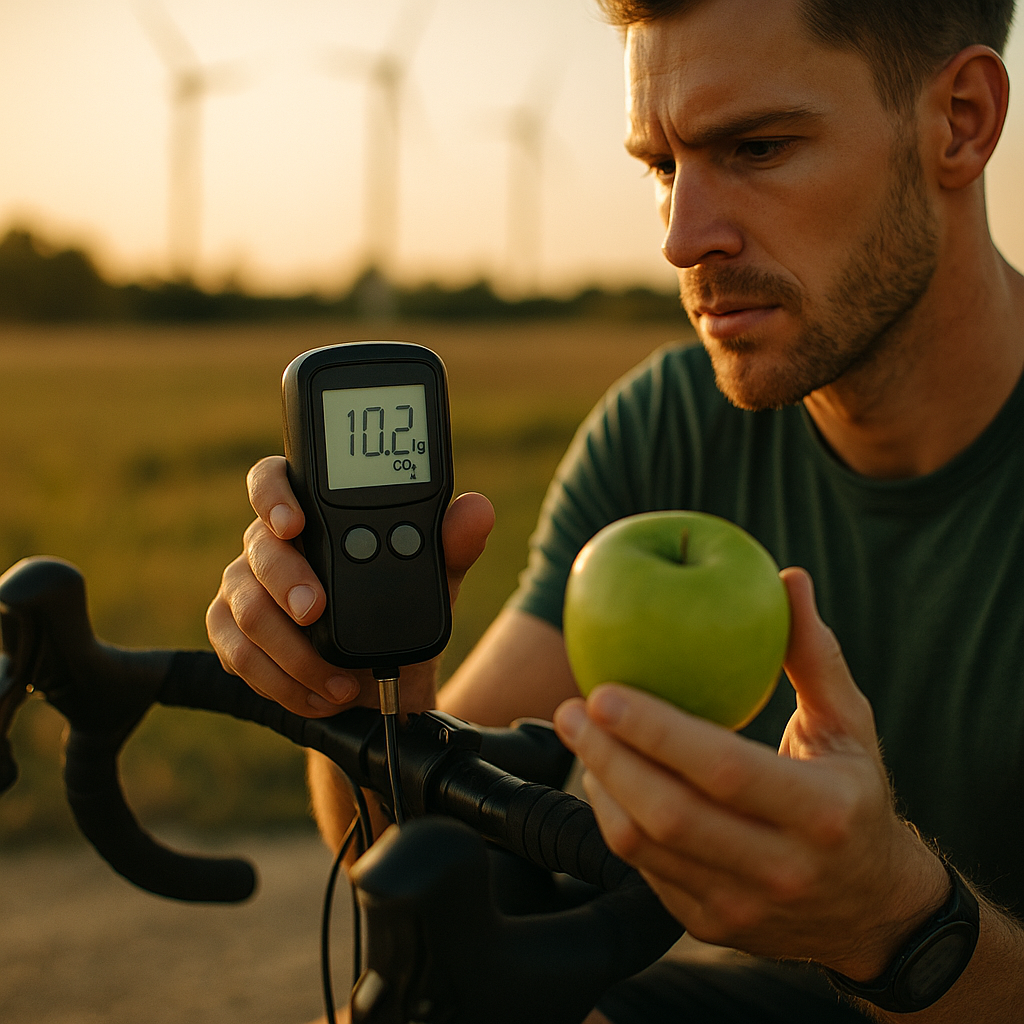
Eco doping awareness is rising fast in 2025 as shoppers, regulators, and investors scrutinize environmental claims with new intensity. What once passed as “eco-friendly” now triggers skepticism, audits, and backlash. This shift matters because misleading sustainability messaging harms trust and slows real climate progress. The brands that win will prove impact, not polish slogans—so what does credible action look like now?
Eco doping awareness: why scrutiny is accelerating
Eco doping describes the practice of exaggerating, cherry-picking, or disguising environmental impacts to appear greener than reality. The term gained traction alongside growing public fatigue with vague “planet-positive” messaging and a wave of enforcement aimed at cleaning up the sustainability marketplace. In 2025, eco doping awareness is no longer limited to activists and niche watchdogs; it shapes mainstream purchasing decisions, procurement requirements, and brand risk assessments.
Several forces explain the acceleration:
- Better-informed buyers: Consumers can quickly cross-check claims against third-party sources, product reviews, and investigative reporting. Employees also push for integrity, and talent increasingly considers sustainability credibility in employer choices.
- Procurement is tightening: Large buyers ask suppliers for verifiable data, not marketing copy. Sustainability questionnaires, supplier codes, and audit clauses increasingly demand evidence such as life-cycle assessments (LCAs), certifications, and emissions inventories.
- Investor pressure: Lenders and shareholders want comparable, decision-useful disclosures. When claims look inflated, firms face higher due diligence costs, a discount on valuation, or exclusion from mandates.
- Regulatory momentum: Authorities are focusing on deceptive claims, especially those that are broad, unqualified, or unsubstantiated. This raises legal exposure for companies that previously relied on ambiguity.
Readers often ask, “Is eco doping just a new name for greenwashing?” It overlaps, but the concept emphasizes performance enhancement optics—using selective metrics, misleading baselines, or obscure offsets to create the impression of improvement. The result is the same: confusion, distrust, and slower adoption of genuinely lower-impact products.
Greenwashing vs eco doping: the line buyers and regulators draw
Basic greenwashing often shows up as generic language (“eco,” “green,” “sustainable”) without proof. Eco doping tends to look more sophisticated: a company may present data, but in a way that misleads. In 2025, the line is drawn by two questions: Is the claim specific? and Is it substantiated and representative?
Common patterns that trigger eco doping concerns include:
- Selective scope: Highlighting a minor improvement while ignoring the main footprint drivers (for example, packaging tweaks while product use-phase dominates emissions).
- Misleading comparisons: “50% less plastic” without stating the baseline, time period, or whether functionality changed (smaller product, fewer servings, lower durability).
- Unqualified “carbon neutral” claims: Relying heavily on offsets without clearly stating reduction efforts, offset quality, and boundaries. Buyers increasingly view offsets as a last-mile tool, not the core strategy.
- Imagery and implied claims: Nature visuals, green color palettes, and “clean” language that suggest environmental benefits without measurable backing.
- Certificate confusion: Using self-made seals or unrelated certifications to imply product-wide sustainability.
If you’re wondering what “safe” looks like, aim for claims that are narrow, measurable, and tied to a recognized method. For example: “Packaging contains 80% post-consumer recycled content verified by a third-party audit,” is far more defensible than “environmentally friendly packaging.”
Another frequent question is, “Can a company be accused of eco doping even if it made real improvements?” Yes. Real progress does not protect you if the communication is misleading. The compliance and reputational risk comes from the claim, not the intent.
Sustainability claims compliance: what changes in 2025
In 2025, sustainability claims compliance is becoming a core marketing and legal function rather than a “nice-to-have.” The practical shift is that claims are treated like product performance statements: they must be accurate, evidence-based, and understandable to the average buyer.
To align with best practices, build a claims governance system that answers four questions before anything goes public:
- What exactly are we claiming? Define the claim in plain language and specify the product, geography, and time period.
- What is the evidence? Keep a traceable file: testing protocols, LCA reports, certification documents, supplier declarations, and calculation workpapers.
- Is the claim balanced? Disclose material limitations. If a benefit applies only to one life-cycle stage or a subset of SKUs, say so.
- Can we maintain it? Ensure ongoing controls—supplier changes, formulation changes, or manufacturing shifts can invalidate past claims.
Brands also need tighter coordination between marketing, sustainability, procurement, and legal teams. A common failure mode is when sustainability staff know the nuance, but marketing simplifies it into a sweeping statement. A better approach is to create pre-approved claim templates, a centralized evidence library, and a sign-off workflow.
Buyers will also ask for proof that extends beyond your own boundaries. If you claim “responsibly sourced,” expect follow-ups about supplier audits, traceability, and grievance mechanisms. If you claim “low carbon,” expect questions about Scope 3 categories and whether your numbers are product-level or company-level.
Third-party verification and life-cycle assessment: proving impact beyond marketing
Moving beyond basic greenwashing requires showing your work. Third-party verification and life-cycle assessment are the two most powerful tools for building credibility—when used correctly.
Life-cycle assessment (LCA) measures environmental impacts across a product’s life: raw materials, manufacturing, transport, use, and end-of-life. In 2025, LCAs are increasingly expected for product claims that involve “reduced emissions,” “lower impact,” or comparative statements. To use LCA responsibly:
- Choose an appropriate method: Use recognized standards and document assumptions. The methodology matters as much as the result.
- Avoid cherry-picking: If you present a single metric (like carbon), ensure it is not hiding worse outcomes elsewhere (like water or toxicity) when those are material.
- Use functional units: Compare like-for-like (per wash, per km, per serving) rather than per product if the product’s function differs.
- Update when conditions change: Energy mix, supplier inputs, and logistics patterns shift. Stale LCAs can mislead.
Third-party verification helps ensure claims are not self-referential. The strongest approach is independent assurance that checks data quality, boundaries, and calculations. If you use certifications, be transparent about what they cover and what they do not. If you use supplier attestations, add audit rights and spot checks to reduce fraud risk.
Readers often ask, “Do we need a full LCA for every product?” Not always. You can start with a screening LCA to identify hotspots, then do deeper assessments for high-volume SKUs or high-risk claims. The key is not perfection; it is honesty, representativeness, and continuous improvement backed by evidence.
Transparent sustainability reporting: how to communicate without overclaiming
Transparent sustainability reporting is not just a corporate report; it is a communication strategy that makes your claims easier to trust. In 2025, stakeholders expect consistency between product claims, corporate disclosures, and operational reality. If your packaging says “recyclable,” but your report admits low real-world recyclability rates in key markets, that mismatch can trigger accusations of eco doping.
To communicate credibly:
- Use specific, plain statements: Replace broad claims with measurable ones. Say “contains 80% recycled aluminum” rather than “eco aluminum.”
- State boundaries clearly: Identify whether numbers are global, regional, or site-specific; whether they cover all brands or only a subset.
- Explain trade-offs: If a change reduces carbon but increases cost or another impact, acknowledge it and explain mitigation plans.
- Separate reductions from offsets: Report gross emissions, reduction actions, and any offsets distinctly. Avoid implying offsets equal decarbonization.
- Provide access to evidence: Link to methodology summaries, assurance statements, and definitions so readers can evaluate the claim.
Many brands worry that nuance will weaken marketing. In practice, nuance builds trust and reduces risk. The goal is not to sound perfect; it is to sound accurate. Customers accept “we are not there yet” when you show a clear plan, interim milestones, and progress tracking.
Another practical step: train customer-facing teams. Sales, support, and social media staff often repeat sustainability claims. Give them a short, approved set of talking points and “do not say” phrases to prevent accidental overclaiming.
Brand trust and sustainable supply chains: building credibility through operations
Brand trust now depends on sustainable supply chains because most impacts sit upstream and downstream—outside direct operations. In 2025, credibility comes from operational discipline: traceability, supplier engagement, and measurable improvements at hotspots.
Actions that materially reduce eco doping risk while improving real outcomes include:
- Hotspot-driven roadmaps: Identify the top drivers of emissions and other impacts (materials, energy, transport, use phase) and prioritize interventions there.
- Supplier data quality upgrades: Move from estimates to primary data for high-impact inputs. Require documentation, define data standards, and implement verification checks.
- Procurement incentives: Tie supplier scorecards and contract renewals to validated improvements, not just policy statements.
- Traceability and chain-of-custody: Where relevant (fiber, palm, minerals, food), invest in systems that can substantiate origin and compliance claims.
- Design for circularity with proof: If you claim “recyclable” or “circular,” support it with take-back infrastructure, accepted materials lists, and real collection outcomes where possible.
Companies also ask, “How do we balance speed and rigor?” Use a tiered approach: rapid screening to identify high-risk claims, deeper verification for flagship products and high-revenue lines, and continuous improvement cycles. Publish what you know, clarify what you are still measuring, and set deadlines for closing gaps.
Finally, remember that credibility is cumulative. One inflated claim can undermine years of genuine work. Treat sustainability communications as a long-term asset, maintained with the same care as product safety or financial reporting.
FAQs: eco doping, greenwashing, and credible sustainability claims
-
What is eco doping in simple terms?
Eco doping is making environmental performance look better than it is by using vague language, selective metrics, misleading comparisons, or heavy reliance on offsets—creating an inflated impression of sustainability.
-
How can consumers spot eco doping quickly?
Look for broad terms without numbers, missing baselines (“less,” “reduced” without “compared to what”), unclear boundaries (which products or regions), and “carbon neutral” claims that do not explain reductions and offset details.
-
Is “carbon neutral” always greenwashing?
No, but it is high-risk. Credible claims separate actual emissions reductions from offsets, define scopes and boundaries, disclose offset types and verification, and avoid implying offsets equal permanent decarbonization.
-
Do we need third-party certification to make sustainability claims?
Not always, but you do need strong evidence. Third-party certification or assurance can significantly increase credibility and reduce legal and reputational risk, especially for comparative or high-impact claims.
-
What evidence is strongest for product-level environmental claims?
A well-documented LCA (or screening LCA for early stages), verified supplier data for key inputs, independent testing where relevant (recycled content, recyclability), and third-party assurance for calculations and reporting.
-
How should a company correct a sustainability claim that may be misleading?
Pause the claim, assess the evidence, revise language to be specific and bounded, publish a clear correction where it appeared, and strengthen internal review processes to prevent recurrence.
Eco doping awareness is reshaping sustainability marketing in 2025 by rewarding brands that can prove what they say. Moving beyond basic greenwashing requires specific claims, solid evidence, and transparent reporting that explains boundaries and trade-offs. Invest in verification, LCAs, and supply-chain improvements, then communicate with precision. The takeaway is simple: credibility comes from measurable outcomes, not greener words.
Top Influencer Marketing Agencies
The leading agencies shaping influencer marketing in 2026
Agencies ranked by campaign performance, client diversity, platform expertise, proven ROI, industry recognition, and client satisfaction. Assessed through verified case studies, reviews, and industry consultations.
Moburst

-
2

The Shelf
Boutique Beauty & Lifestyle Influencer AgencyA data-driven boutique agency specializing exclusively in beauty, wellness, and lifestyle influencer campaigns on Instagram and TikTok. Best for brands already focused on the beauty/personal care space that need curated, aesthetic-driven content.Clients: Pepsi, The Honest Company, Hims, Elf Cosmetics, Pure LeafVisit The Shelf → -
3

Audiencly
Niche Gaming & Esports Influencer AgencyA specialized agency focused exclusively on gaming and esports creators on YouTube, Twitch, and TikTok. Ideal if your campaign is 100% gaming-focused — from game launches to hardware and esports events.Clients: Epic Games, NordVPN, Ubisoft, Wargaming, Tencent GamesVisit Audiencly → -
4

Viral Nation
Global Influencer Marketing & Talent AgencyA dual talent management and marketing agency with proprietary brand safety tools and a global creator network spanning nano-influencers to celebrities across all major platforms.Clients: Meta, Activision Blizzard, Energizer, Aston Martin, WalmartVisit Viral Nation → -
5

The Influencer Marketing Factory
TikTok, Instagram & YouTube CampaignsA full-service agency with strong TikTok expertise, offering end-to-end campaign management from influencer discovery through performance reporting with a focus on platform-native content.Clients: Google, Snapchat, Universal Music, Bumble, YelpVisit TIMF → -
6

NeoReach
Enterprise Analytics & Influencer CampaignsAn enterprise-focused agency combining managed campaigns with a powerful self-service data platform for influencer search, audience analytics, and attribution modeling.Clients: Amazon, Airbnb, Netflix, Honda, The New York TimesVisit NeoReach → -
7

Ubiquitous
Creator-First Marketing PlatformA tech-driven platform combining self-service tools with managed campaign options, emphasizing speed and scalability for brands managing multiple influencer relationships.Clients: Lyft, Disney, Target, American Eagle, NetflixVisit Ubiquitous → -
8

Obviously
Scalable Enterprise Influencer CampaignsA tech-enabled agency built for high-volume campaigns, coordinating hundreds of creators simultaneously with end-to-end logistics, content rights management, and product seeding.Clients: Google, Ulta Beauty, Converse, AmazonVisit Obviously →