


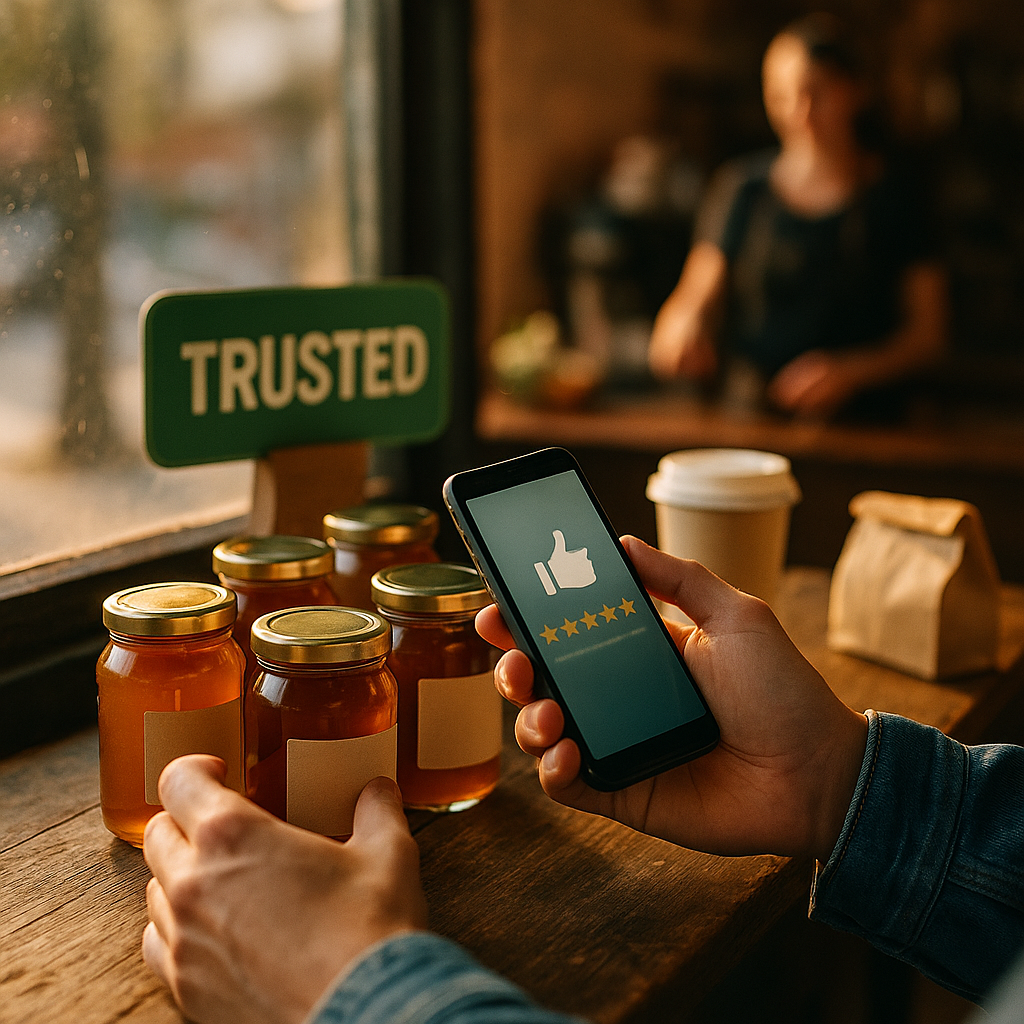
In 2026, shoppers are moving past novelty and asking a harder question: what actually matters in my life? Meaning first consumerism describes this shift from trend chasing to value-driven buying, where usefulness, ethics, identity, and longevity outweigh hype. Brands that still rely on artificial scarcity and buzz now face a tougher audience. Why is this change accelerating so quickly?
Consumer behavior trends are shifting from impulse to intention
The biggest change in consumer markets is not that people have stopped buying. It is that they have become more selective about why they buy. Across retail, wellness, tech, fashion, food, and digital products, consumers increasingly want purchases to support a practical need, a personal value, or a long-term goal.
This is a major departure from the hype-cycle era, when brands could drive demand through exclusivity, celebrity endorsement, viral launches, or fear of missing out. Those tactics still work in short bursts, but they fade faster because buyers are more informed and more skeptical. They compare reviews, investigate supply chains, question pricing, and ask whether a product will still matter after the initial excitement disappears.
Several forces are driving this shift:
- Economic pressure: Higher living costs make people less tolerant of wasteful spending.
- Information access: Shoppers can verify claims quickly and spot empty branding.
- Digital fatigue: Constant promotion has reduced the emotional power of manufactured buzz.
- Values alignment: Consumers want brands to reflect their beliefs without performative messaging.
- Longevity mindset: Buyers increasingly prefer durable value over disposable novelty.
In practice, meaning-first buying does not always mean buying less. It often means buying more carefully. A consumer may still spend a premium, but only if the product delivers on quality, emotional relevance, transparency, or real-world utility. That is the key distinction: attention no longer guarantees trust, and trust no longer follows hype by default.
Brand trust now matters more than hype marketing
The decline of hype cycles does not mean branding is less important. It means branding must now be backed by substance. Consumers still respond to strong storytelling, sharp design, and cultural relevance, but those factors must connect to a credible product experience.
Brand trust has become the central asset. A company earns it by consistently doing a few things well:
- Making clear promises and meeting them
- Showing product proof rather than relying on vague claims
- Explaining sourcing, pricing, or process when consumers ask
- Maintaining quality over time instead of front-loading launch excitement
- Responding honestly to criticism instead of hiding behind marketing language
This is where EEAT principles matter. Helpful content in 2026 needs real expertise, visible experience, sound judgment, and trustworthiness. For brands, that means product pages, blog content, social messaging, and customer support all need to align. If a company says it cares about sustainability, customer wellbeing, or product excellence, there should be evidence across the entire customer journey.
Consumers have become skilled at spotting the gap between narrative and reality. A product promoted as premium but made poorly will lose momentum quickly. A brand that speaks about community while ignoring customer complaints will struggle to retain loyalty. On the other hand, even a less flashy company can grow steadily if it proves reliable and relevant.
The practical takeaway is simple: hype may win the first click, but trust wins repeat purchases, referrals, and long-term brand equity.
Sustainable shopping habits support meaning-driven purchases
One of the clearest signs of meaning-first consumerism is the way sustainability has evolved. Consumers are no longer satisfied with broad eco-friendly labels. They want specifics. They ask what materials are used, how long the product lasts, whether packaging is excessive, and whether repair, reuse, or refill options exist.
This does not mean every buyer conducts a deep audit before purchasing. It means sustainability now influences perception of value. Waste feels outdated. Planned obsolescence feels manipulative. Overproduction feels irresponsible. Products that demonstrate durability and thoughtful design increasingly carry stronger emotional and practical appeal.
Importantly, sustainable shopping habits are no longer limited to niche audiences. They are becoming part of mainstream decision-making, especially when sustainability overlaps with personal benefit. For example:
- A durable garment feels like a smarter investment
- A refill system reduces long-term cost and waste
- A repairable device extends usefulness and lowers frustration
- A transparent ingredient list creates confidence in health and safety
Brands that succeed in this environment avoid exaggeration. They explain trade-offs, set realistic expectations, and communicate progress honestly. That honesty often matters more than perfection. Consumers understand that few companies are flawless. What they reject is empty environmental language disconnected from measurable action.
Meaning-first consumerism rewards brands that define value broadly. Price still matters, but so do lifespan, usability, ethics, and after-purchase experience. A cheap item that fails quickly often feels more expensive in the end. Consumers know this, and their behavior increasingly reflects it.
Digital culture fatigue is weakening short-term hype cycles
Hype cycles thrived in the age of algorithmic acceleration. A product could surge because of social repetition, creator endorsements, countdowns, waitlists, and limited drops. The formula was simple: generate urgency, dominate feeds, and convert emotion before skepticism catches up.
That formula still exists, but it is losing power because audiences have adapted. Consumers now recognize the mechanics behind urgency campaigns. They know when scarcity is staged. They know when influencer enthusiasm is transactional. They know when a viral moment has little connection to product quality.
Digital culture fatigue plays a major role here. Many consumers feel overwhelmed by constant launches, nonstop recommendations, and the pressure to keep up. As a result, they are less likely to trust products just because those products are everywhere. Visibility alone can now trigger doubt rather than desire.
Brands should pay attention to what replaces hype when it fades:
- Depth over noise: People want more useful information before buying.
- Community validation over virality: Real customer feedback carries more weight than forced buzz.
- Slower consideration: Consumers often revisit, compare, and research before committing.
- Post-purchase reputation: Reviews and retention matter more than launch-day excitement.
This does not mean speed is irrelevant. It means momentum without substance is fragile. The brands that perform best now tend to treat discovery as the start of a relationship, not the finish line. They support the buying decision with education, clarity, and evidence, then reinforce satisfaction through product delivery and customer experience.
When marketers understand this shift, they stop asking how to manufacture a moment and start asking how to build durable relevance.
Purpose-driven brands are winning with authenticity and proof
Purpose-driven brands have an advantage in a meaning-first economy, but only when purpose is operational, not decorative. Consumers respond to brands that clearly stand for something and can demonstrate how that belief shapes products, policies, and behavior.
Authenticity in 2026 is not about sounding informal or adopting social language. It is about coherence. Does the company’s message match its actions? Does leadership communicate clearly? Do customer experiences reinforce the brand promise? Are claims about ethics, wellness, inclusion, or sustainability reflected in measurable decisions?
The strongest brands do a few things consistently:
- They solve a real problem. Their purpose connects to a specific customer need.
- They explain their choices. They tell consumers why the product is made a certain way.
- They show evidence. They use product testing, customer outcomes, certifications, or transparent sourcing details.
- They avoid moral overreach. They do not pretend every purchase changes the world.
- They build belonging. They create communities rooted in shared values, not just shared aesthetics.
This approach strengthens both acquisition and retention. Consumers who find meaning in a brand relationship are more likely to stay loyal, recommend the product, and forgive minor mistakes when the company responds responsibly. That is a more resilient growth model than repeated spikes of attention followed by churn.
For businesses, the lesson is direct: purpose should sharpen the value proposition, not distract from it. If the product is weak, purpose messaging will not save it. If the product is strong and the mission is credible, meaning-first consumers will notice.
Customer loyalty strategies now depend on long-term value
As hype cycles lose reliability, companies need a different framework for growth. The most effective customer loyalty strategies are built on long-term value creation rather than repeated urgency tactics. That means every part of the business must contribute to meaning, from product design to retention marketing.
Brands can adapt in practical ways:
- Invest in product quality: The product must justify repeat purchase on its own merits.
- Improve educational content: Explain benefits, limitations, and ideal use cases clearly.
- Use customer feedback visibly: Show how reviews and complaints shape improvements.
- Reward loyalty thoughtfully: Offer benefits that enhance experience, not just discounts.
- Create service confidence: Fast support, easy returns, and honest policies reduce buyer hesitation.
- Measure retention and satisfaction: Do not treat launch metrics as the full story.
Many companies ask whether meaning-first consumerism applies only to premium or mission-led brands. It does not. Mass-market brands can succeed too if they are reliable, transparent, and respectful of the customer’s intelligence. Meaning is not always philosophical. Sometimes it is simple: saving time, reducing friction, improving health, or lasting longer than expected.
The brands most at risk are those built entirely on performance theater. If they cannot convert attention into usefulness or identity resonance, they become replaceable. In contrast, brands that deliver consistent value become easier to trust and harder to abandon.
That is why the decline of hype cycles should not be seen as bad news. It is a correction that rewards better products, clearer communication, and stronger customer relationships. In the long run, that creates healthier markets and more durable growth.
FAQs about meaning first consumerism
What is meaning first consumerism?
Meaning first consumerism is a buying mindset where consumers prioritize usefulness, values, quality, trust, and personal relevance over novelty or social buzz. People still want appealing products, but they increasingly expect those products to serve a clear purpose and justify their cost.
Why are hype cycles becoming less effective?
Hype cycles are weakening because consumers are more informed, more price-conscious, and more skeptical of artificial urgency. Digital fatigue also reduces the influence of nonstop promotion, making trust and product proof more important than viral visibility alone.
Does this trend affect only younger consumers?
No. While digitally fluent audiences helped accelerate the shift, meaning-first behavior now appears across age groups. Different consumers define meaning differently, but many now want purchases to feel intentional, worthwhile, and aligned with their real needs.
How can brands respond to meaning first consumerism?
Brands should improve product quality, communicate clearly, support claims with evidence, and build trust across the customer journey. Strong retention, transparent policies, and honest messaging are often more effective than repeated short-term hype campaigns.
Is meaning first consumerism the same as ethical consumerism?
Not exactly. Ethical consumerism focuses mainly on moral and social considerations, while meaning-first consumerism is broader. It includes ethics, but also practicality, emotional relevance, identity, durability, and overall value.
Can premium brands still use exclusivity?
Yes, but exclusivity must feel earned. If scarcity reflects craftsmanship, limited supply, or true differentiation, it can still support demand. If it feels manufactured only to trigger urgency, consumers are less likely to respond positively.
In 2026, the decline of hype cycles reflects a smarter, more selective market. Consumers still want excitement, but they increasingly expect products to deliver substance, clarity, and lasting value. Brands that lead with trust, proof, and relevance will adapt well. The clear takeaway is simple: build meaning into the experience, and attention will turn into loyalty.
Top Influencer Marketing Agencies
The leading agencies shaping influencer marketing in 2026
Agencies ranked by campaign performance, client diversity, platform expertise, proven ROI, industry recognition, and client satisfaction. Assessed through verified case studies, reviews, and industry consultations.
Moburst

-
2

The Shelf
Boutique Beauty & Lifestyle Influencer AgencyA data-driven boutique agency specializing exclusively in beauty, wellness, and lifestyle influencer campaigns on Instagram and TikTok. Best for brands already focused on the beauty/personal care space that need curated, aesthetic-driven content.Clients: Pepsi, The Honest Company, Hims, Elf Cosmetics, Pure LeafVisit The Shelf → -
3

Audiencly
Niche Gaming & Esports Influencer AgencyA specialized agency focused exclusively on gaming and esports creators on YouTube, Twitch, and TikTok. Ideal if your campaign is 100% gaming-focused — from game launches to hardware and esports events.Clients: Epic Games, NordVPN, Ubisoft, Wargaming, Tencent GamesVisit Audiencly → -
4

Viral Nation
Global Influencer Marketing & Talent AgencyA dual talent management and marketing agency with proprietary brand safety tools and a global creator network spanning nano-influencers to celebrities across all major platforms.Clients: Meta, Activision Blizzard, Energizer, Aston Martin, WalmartVisit Viral Nation → -
5

The Influencer Marketing Factory
TikTok, Instagram & YouTube CampaignsA full-service agency with strong TikTok expertise, offering end-to-end campaign management from influencer discovery through performance reporting with a focus on platform-native content.Clients: Google, Snapchat, Universal Music, Bumble, YelpVisit TIMF → -
6

NeoReach
Enterprise Analytics & Influencer CampaignsAn enterprise-focused agency combining managed campaigns with a powerful self-service data platform for influencer search, audience analytics, and attribution modeling.Clients: Amazon, Airbnb, Netflix, Honda, The New York TimesVisit NeoReach → -
7

Ubiquitous
Creator-First Marketing PlatformA tech-driven platform combining self-service tools with managed campaign options, emphasizing speed and scalability for brands managing multiple influencer relationships.Clients: Lyft, Disney, Target, American Eagle, NetflixVisit Ubiquitous → -
8

Obviously
Scalable Enterprise Influencer CampaignsA tech-enabled agency built for high-volume campaigns, coordinating hundreds of creators simultaneously with end-to-end logistics, content rights management, and product seeding.Clients: Google, Ulta Beauty, Converse, AmazonVisit Obviously →