


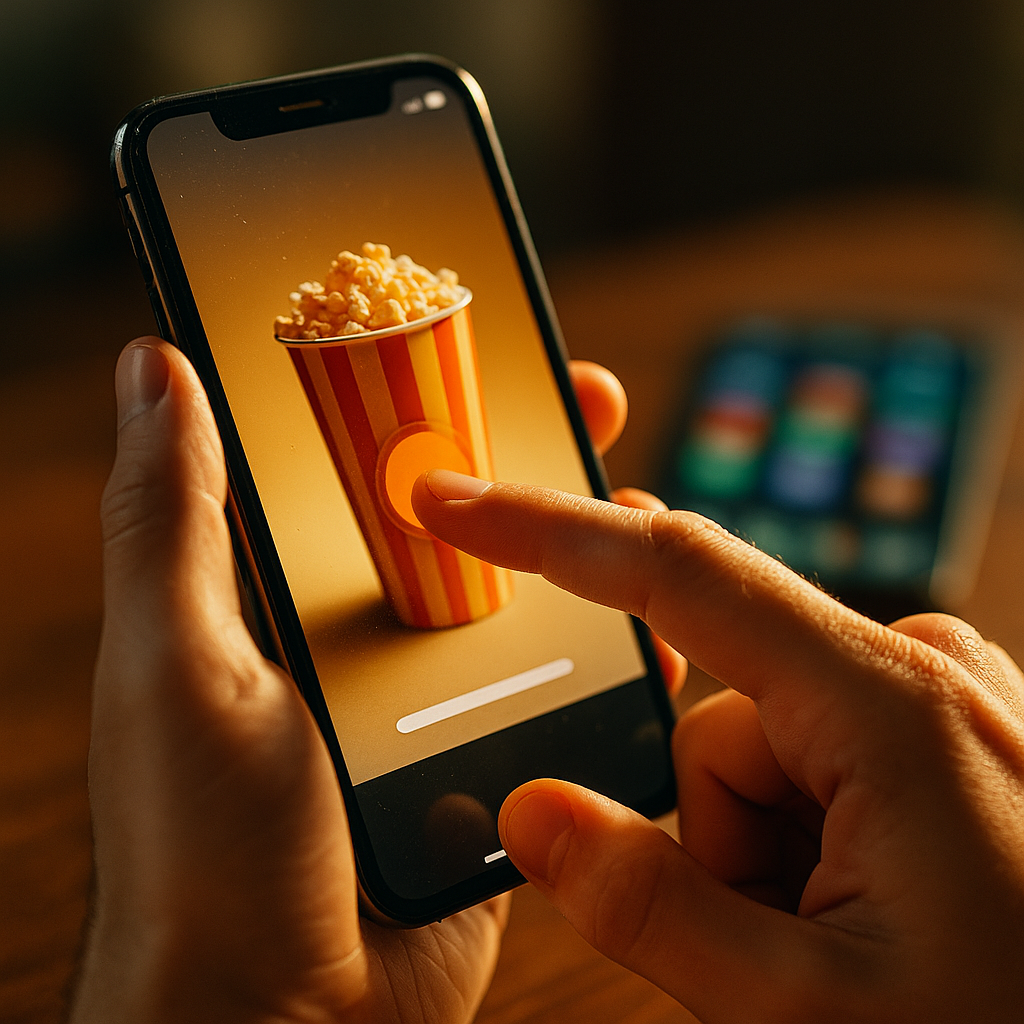
Designing for haptic storytelling in mobile ads gives brands a new way to guide attention, spark emotion, and improve recall without adding visual clutter. In 2026, users expect ad experiences to feel intuitive, responsive, and relevant. Thoughtful vibration patterns can turn passive viewing into embodied interaction, but only when strategy, craft, and user comfort work together. What makes haptics persuasive instead of distracting?
Why mobile ad engagement changes when touch joins the story
Haptics add a physical layer to communication. On mobile, that matters because screens are small, attention is fragmented, and users process information quickly. A well-timed vibration can reinforce a key scene, confirm an action, or create anticipation before a reveal. Instead of competing with visuals and sound, touch supports them.
For advertisers, the advantage is not novelty alone. Haptic design can improve mobile ad engagement by making interactions easier to understand. A soft pulse can signal that a product is ready to explore. A quick double tap sensation can emphasize urgency in a limited-time offer. A gradual rhythmic pattern can mirror movement in a game, fitness, travel, or automotive ad.
From a user experience perspective, touch works best when it serves a clear purpose:
- Attention guidance: direct focus to a moment that matters
- Action confirmation: reassure users after a swipe, tap, or selection
- Emotional reinforcement: support suspense, delight, momentum, or calm
- Memory support: make branded moments easier to remember through multisensory cues
Brands often ask whether haptics are worth the effort if many users keep phones on silent or disable vibration. The answer depends on the role of touch in the creative. Haptics should enhance the ad, not carry it. If the message still works without vibration, then users who can receive haptics get a richer experience while everyone else still gets a coherent one. That is good design and aligns with helpful-content principles: build for real users in real conditions.
Building sensory marketing into the ad concept from the start
The strongest haptic ads are not retrofitted. They are planned as part of the original concept. That means creative, media, UX, and engineering teams should define the tactile role early in the process. If the ad storyboard already includes turning points, transitions, or micro-interactions, those become natural candidates for touch cues.
Sensory marketing on mobile succeeds when every sensation maps to narrative meaning. Ask simple but important questions:
- What should the user feel at each key moment?
- Does a vibration clarify the experience or just add noise?
- Is the tactile cue consistent with the brand personality?
- Will the haptic pattern support accessibility and comfort?
Consider a few practical examples. A food delivery ad could use a subtle pulse when a fresh order leaves the restaurant, creating a sense of movement and anticipation. A fintech ad might pair a clean, single confirmation pulse with successful account setup to reinforce trust and completion. A gaming ad could use stronger, but brief, impact cues during gameplay highlights to communicate action without overwhelming the user.
It is also important to distinguish between decorative haptics and functional haptics. Decorative haptics try to impress. Functional haptics improve comprehension and emotional flow. In mobile advertising, functional use usually performs better over time because it respects the user’s attention and device context.
Creative teams should write a tactile script alongside the visual and audio script. This can include intensity, duration, cadence, trigger moment, and objective. Once documented, haptics become measurable and testable rather than subjective add-ons.
Best practices for interactive ad design with haptic feedback
Effective interactive ad design depends on restraint. Mobile users notice vibration immediately, so small choices matter. Strong haptic storytelling follows a few practical rules.
- Match intensity to the moment. A product reveal may need a light pulse, while a game collision may support a sharper response. Excessive intensity feels intrusive and can reduce favorability.
- Keep patterns short. Most ad interactions are brief. Compact tactile cues feel intentional. Long vibration sequences often feel like system alerts rather than brand storytelling.
- Synchronize precisely. If the haptic cue lags behind animation or sound, the experience feels broken. Timing is central to persuasion.
- Use contrast sparingly. A calm sequence followed by one distinct pulse can be more effective than constant vibration throughout the ad.
- Respect platform conventions. iOS and Android handle haptics differently. Design for native expectations so the ad feels natural on each device.
- Provide user control when possible. If the ad experience is expandable or interactive, let users opt into richer tactile feedback rather than forcing it.
Advertisers should also think about environment. A user commuting, multitasking, or browsing late at night may respond differently than someone gaming at home. Context shapes tolerance. That is why haptic frequency should stay low unless the ad format specifically invites deeper interaction.
Another best practice is to connect haptics to outcomes the user already values. For example, if the ad asks the user to drag a slider to customize a product, each step can produce a tiny texture-like pulse that reinforces control. This makes the interaction easier to interpret and more satisfying to complete. The tactile cue becomes feedback, not interruption.
Finally, keep brand fit in mind. Luxury brands may benefit from restrained, elegant tactile accents. Sports, entertainment, and gaming brands can often support more energetic patterns. The sensation should feel like the brand in physical form.
Using mobile UX design to protect comfort, accessibility, and trust
Haptic storytelling only works when it respects the user. In mobile UX design, trust is built through consent, clarity, and comfort. An ad that vibrates aggressively, unexpectedly, or repeatedly can feel invasive. That reaction undermines both performance and brand credibility.
Start with accessibility. Not every user perceives haptics the same way, and some may find them distracting or uncomfortable. Others may rely on touch as a valuable reinforcement when audio is off or visual attention is split. For that reason, haptics should never be the sole way to communicate essential information. Pair tactile cues with visible prompts, animation, or text.
Key accessibility and trust principles include:
- Do not make haptics mandatory for understanding the ad’s core message
- Avoid repetitive or startling patterns that can trigger annoyance or confusion
- Honor device and app settings related to vibration and reduced sensory stimulation
- Design fallback experiences for devices with limited haptic capabilities
- Test with diverse users across age groups, device types, and usage contexts
Privacy and transparency also matter. While haptics do not inherently collect personal data, the interactive systems behind them often connect to event tracking. Be clear about what is measured, especially when evaluating engagement, completion, or interaction depth. EEAT-oriented content and products both benefit from transparency because users and stakeholders can trust what is happening and why.
Brands that take comfort seriously usually see better long-term results. A respectful sensory experience can feel polished and premium. A careless one feels manipulative. The difference often comes down to whether the tactile cue solves a user need or merely serves a brand impulse.
How ad creative testing should measure haptic performance
Good haptic design is measurable. Ad creative testing should compare versions with and without tactile feedback, but that is only the starting point. To understand whether haptics actually improve outcomes, marketers need to test timing, intensity, frequency, and narrative placement.
Useful metrics include:
- Interaction rate: whether users tap, swipe, hold, or explore more often
- Completion rate: whether users finish the ad experience
- Attention quality: dwell time, engaged view patterns, and drop-off moments
- Brand lift: recall, favorability, and message comprehension
- Post-click behavior: landing page engagement, installs, or conversion quality
Qualitative testing matters just as much. Ask users what they noticed, what they felt, and whether the touch feedback helped them understand the story. A high interaction rate means little if users describe the sensation as random or irritating. Combining behavioral data with direct feedback creates a more reliable picture of performance.
Testing should also reflect technical realities. Different devices produce different haptic qualities. Some offer nuanced vibration engines, while others support only basic buzzing. Engineers and QA teams should review the ad on a representative device set, including older hardware where possible. This protects experience consistency and prevents overdesigning for premium devices alone.
When teams report results, they should connect haptic decisions to business outcomes. For example, a lighter confirmation pulse may increase form completion because it reassures users at a critical step. A heavy action pattern in a retail ad may raise early drop-off if it feels too forceful. Insights like these help brands move beyond novelty and build repeatable best practices.
In 2026, the most useful test framework is iterative rather than one-time. Haptic performance improves when teams learn from each launch, refine tactile libraries, and document what works by category, audience, and placement.
Future-facing multisensory advertising strategies for 2026
Multisensory advertising is becoming more sophisticated as mobile platforms support richer feedback and consumers expect more intuitive digital experiences. Haptics are part of that shift, but they are most effective when orchestrated with motion, sound, copy, and interaction design.
Looking ahead in 2026, several patterns are shaping strong haptic storytelling strategies:
- Moment-based storytelling: fewer but more meaningful tactile cues tied to high-value scenes
- Utility-led interaction: haptics used to improve understanding, not just increase sensation
- Adaptive experiences: creatives optimized for device capability and user settings
- Cross-functional production: tighter collaboration among strategists, designers, media teams, and developers
- Brand-specific haptic systems: repeatable tactile signatures that build recognition over time
A brand-specific haptic system is especially promising. Just as brands use color, typography, and sonic identity, they can develop a tactile identity: a small set of patterns that represent reassurance, excitement, discovery, or success. Used consistently across ads and product touchpoints, these patterns can support recognition and memory.
Still, discipline remains essential. More sensation does not mean more impact. The best haptic ads feel natural enough that users understand the story better without thinking about the technology behind it. That balance is where physical sensation becomes persuasive communication.
For marketers, the core opportunity is simple: use touch to make mobile advertising clearer, more human, and more memorable. If the sensation strengthens meaning, respects the user, and supports measurable outcomes, haptic storytelling becomes a strategic advantage rather than a gimmick.
FAQs about haptic advertising
What is haptic storytelling in mobile ads?
Haptic storytelling is the use of vibration or tactile feedback to support the narrative and interaction flow of a mobile ad. It helps guide attention, reinforce actions, and add emotional texture to key moments.
Do haptics improve ad performance?
They can, when used thoughtfully. Haptics may improve engagement, recall, and interaction clarity, but results depend on timing, intensity, brand fit, and device support. Testing is necessary to confirm impact.
Are haptic ads intrusive?
They can be if they are too strong, too frequent, or poorly timed. The best haptic ads use brief, purposeful cues that enhance the experience without overwhelming the user.
How do you make haptic mobile ads accessible?
Do not rely on haptics alone to communicate important information. Pair them with visual or textual cues, respect device settings, avoid startling patterns, and test with diverse users and devices.
What types of brands benefit most from haptic storytelling?
Gaming, entertainment, retail, travel, automotive, food delivery, fitness, and fintech can all benefit. Any brand with interactive moments, emotional pacing, or action-based storytelling can use haptics effectively.
How should teams test haptic creative?
Run A/B tests with and without haptics, then compare different intensities, timing, and cue frequency. Review both quantitative metrics and user feedback to understand whether the tactile design improves the experience.
Do all smartphones support the same haptic quality?
No. Haptic engines vary by device and platform. That is why teams should build fallback experiences and QA the ad across a broad mix of smartphones.
Can haptics become part of brand identity?
Yes. Brands can create consistent tactile patterns that represent actions or emotions, similar to visual and sonic branding. Over time, these patterns can improve recognition and reinforce memory.
Designing haptic mobile ads in 2026 means using touch with purpose, precision, and respect. The most effective campaigns treat vibration as part of the story, not a gimmick layered on top. When brands align tactile cues with narrative, accessibility, and testing, they create ads that feel clearer, more memorable, and more human. The takeaway is simple: make every sensation meaningful.
Top Influencer Marketing Agencies
The leading agencies shaping influencer marketing in 2026
Agencies ranked by campaign performance, client diversity, platform expertise, proven ROI, industry recognition, and client satisfaction. Assessed through verified case studies, reviews, and industry consultations.
Moburst

-
2

The Shelf
Boutique Beauty & Lifestyle Influencer AgencyA data-driven boutique agency specializing exclusively in beauty, wellness, and lifestyle influencer campaigns on Instagram and TikTok. Best for brands already focused on the beauty/personal care space that need curated, aesthetic-driven content.Clients: Pepsi, The Honest Company, Hims, Elf Cosmetics, Pure LeafVisit The Shelf → -
3

Audiencly
Niche Gaming & Esports Influencer AgencyA specialized agency focused exclusively on gaming and esports creators on YouTube, Twitch, and TikTok. Ideal if your campaign is 100% gaming-focused — from game launches to hardware and esports events.Clients: Epic Games, NordVPN, Ubisoft, Wargaming, Tencent GamesVisit Audiencly → -
4

Viral Nation
Global Influencer Marketing & Talent AgencyA dual talent management and marketing agency with proprietary brand safety tools and a global creator network spanning nano-influencers to celebrities across all major platforms.Clients: Meta, Activision Blizzard, Energizer, Aston Martin, WalmartVisit Viral Nation → -
5

The Influencer Marketing Factory
TikTok, Instagram & YouTube CampaignsA full-service agency with strong TikTok expertise, offering end-to-end campaign management from influencer discovery through performance reporting with a focus on platform-native content.Clients: Google, Snapchat, Universal Music, Bumble, YelpVisit TIMF → -
6

NeoReach
Enterprise Analytics & Influencer CampaignsAn enterprise-focused agency combining managed campaigns with a powerful self-service data platform for influencer search, audience analytics, and attribution modeling.Clients: Amazon, Airbnb, Netflix, Honda, The New York TimesVisit NeoReach → -
7

Ubiquitous
Creator-First Marketing PlatformA tech-driven platform combining self-service tools with managed campaign options, emphasizing speed and scalability for brands managing multiple influencer relationships.Clients: Lyft, Disney, Target, American Eagle, NetflixVisit Ubiquitous → -
8

Obviously
Scalable Enterprise Influencer CampaignsA tech-enabled agency built for high-volume campaigns, coordinating hundreds of creators simultaneously with end-to-end logistics, content rights management, and product seeding.Clients: Google, Ulta Beauty, Converse, AmazonVisit Obviously →