


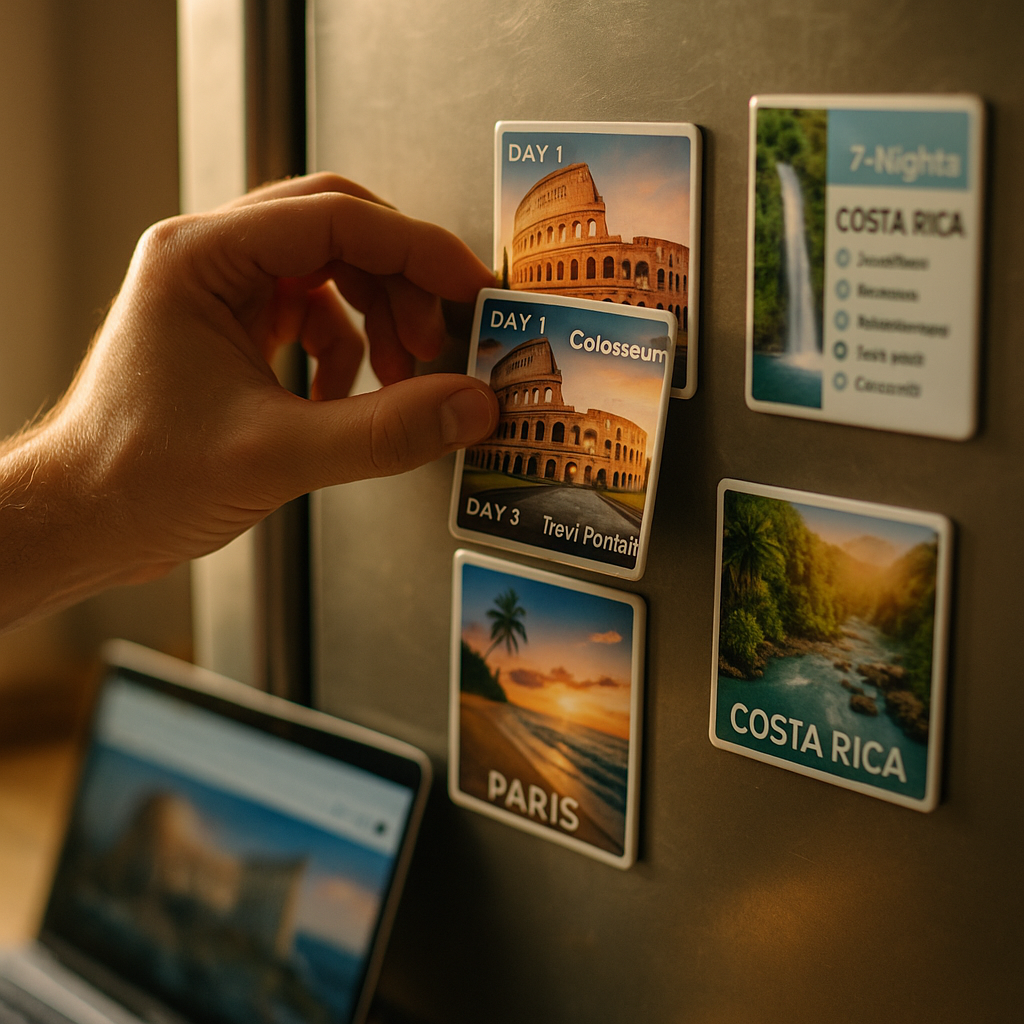
In 2026, travel brands compete in crowded search results, rising ad costs, and fragmented customer journeys. This case study shows how AI itinerary lead magnets helped one travel company attract qualified leads, improve conversion rates, and scale revenue without relying only on discounts. The strategy combined search intent, personalization, and automation in a way many brands can adapt. Here’s how it worked.
Travel lead generation strategy: the brand’s growth challenge
A mid-sized online travel brand specializing in multi-city leisure trips faced a common problem: traffic was growing, but lead quality was inconsistent. The company had invested in destination pages, paid social campaigns, and email promotions. While these channels produced visits, too many users browsed and left without requesting a quote, subscribing, or booking.
The marketing team noticed three friction points. First, generic downloadable guides no longer stood out. A broad “Top Things to Do in Italy” PDF generated sign-ups, but many contacts were early-stage researchers with low purchase intent. Second, paid acquisition costs kept rising, which made top-of-funnel growth harder to sustain. Third, the sales team needed better context about what each lead actually wanted.
Instead of offering another static content asset, the brand built a personalized lead magnet: an AI-powered itinerary generator. Users could enter trip length, preferred pace, budget range, travel style, and interests such as food, family activities, beaches, or history. In return, they received a custom itinerary by email.
This approach solved multiple problems at once. It increased the perceived value of the lead magnet, captured richer first-party data, and aligned the offer with strong commercial intent. Someone requesting a 10-day honeymoon itinerary in Greece is much closer to booking than someone downloading a generic travel checklist.
From an EEAT perspective, the team also grounded the experience in real expertise. The AI engine was trained on the brand’s internal destination knowledge, supplier relationships, historic booking patterns, and editorial travel content reviewed by human specialists. That mattered because users expect travel recommendations to be accurate, practical, and trustworthy.
AI personalization in travel marketing: building the itinerary lead magnet
The lead magnet was designed around one simple promise: get a useful, tailored trip plan in minutes. But behind that promise sat a structured system. The brand did not rely on a general-purpose chatbot alone. It created a controlled workflow that balanced personalization with travel accuracy.
The experience began with a short interactive form. It asked for destination, travel dates or season, number of travelers, accommodation preference, estimated budget, and trip goals. To reduce abandonment, the form was split into steps and showed progress. Users saw that they were not filling out a long questionnaire without a clear reward.
After submission, the AI generated an itinerary draft that included:
- Day-by-day trip suggestions based on trip length and pace
- Estimated budget ranges for lodging, transport, and activities
- Practical notes such as transfer times or ideal neighborhood choices
- Recommended add-ons like tours, airport transfers, or travel insurance
- A next-step CTA to speak with a travel advisor or request a custom quote
The most effective decision was combining AI output with human-reviewed templates. For major destinations, the brand’s content team created approved framework itineraries and local guidance notes. The AI then adapted those building blocks based on user inputs. This reduced hallucinations, kept recommendations commercially relevant, and protected brand credibility.
Compliance and transparency were also built in. The brand explained that the itinerary was AI-assisted and refined using destination expertise and internal travel data. It avoided promising exact prices when inventory fluctuated and instead displayed realistic ranges. That transparency improved trust and lowered customer frustration later in the funnel.
To support SEO, the team did not hide the tool on a generic landing page. It created optimized destination-specific pages around high-intent searches like “7-day Japan itinerary,” “family trip to Portugal itinerary,” and “custom honeymoon itinerary.” Each page explained what the tool delivered, featured sample outputs, and answered common trip-planning questions. This helped the lead magnet rank for intent-driven searches instead of depending entirely on paid traffic.
Conversion rate optimization for travel websites: launch, testing, and UX decisions
The brand launched the itinerary lead magnet in phases. It started with five destinations that already converted well through organic search and email. This was a smart move. By beginning with proven markets, the team could measure incremental lift more clearly and avoid spreading resources too thin.
Early testing focused on conversion friction. The first version asked too many questions before showing value. Drop-off increased on mobile. In response, the team shortened the initial form to only essential inputs and moved optional preferences to a second step. Conversion rates improved because users reached the payoff faster.
Several UX changes had an outsized impact:
- Preview snippets before email capture showed users that the output would be genuinely personalized
- Mobile-first design made the experience easy to complete during short browsing sessions
- Trust signals such as expert-reviewed itineraries and customer ratings reduced hesitation
- Clear privacy messaging reassured users about how their data would be used
- Fast load times prevented abandonment on interactive pages
The team also tested call-to-action language. “Generate My Itinerary” outperformed more passive copy like “Download Guide” because it emphasized customization and immediacy. Likewise, “Plan My Trip” attracted users closer to purchase, while broader educational language brought in lower-intent leads.
One important lesson involved email delivery. Sending the itinerary as a downloadable attachment created friction and lower engagement. Embedding the itinerary in the email body with a clear CTA to refine the trip or talk to an advisor performed better. The takeaway was practical: users wanted instant value, not another file to open later.
The sales team received each lead with structured data attached. That meant advisors could follow up with context, such as “You requested a 12-day cultural itinerary for Spain with a mid-range budget and boutique hotel preference.” This improved both speed to lead and the quality of conversations, making conversion optimization a cross-functional effort rather than a landing-page exercise alone.
First-party data in tourism: what the brand learned from lead behavior
One of the biggest benefits of the AI itinerary lead magnet was data quality. Traditional travel lead forms often collect little more than an email address and destination interest. This tool captured detailed preference signals voluntarily, because users understood they would get a better output in return.
That first-party data shaped both marketing and product decisions. The team learned which destinations attracted luxury travelers versus budget-conscious planners, which trip lengths correlated with high booking value, and which seasonal searches signaled future demand. Instead of guessing user intent, the brand could segment campaigns with more precision.
For example, users who requested itineraries with “food,” “wine,” and “slow travel” preferences received different nurture emails from users planning family-friendly beach trips. Messaging, imagery, and offers changed accordingly. Open rates and click-through rates rose because the brand no longer sent the same broad campaign to everyone.
The itinerary data also uncovered content gaps. The team noticed strong demand for niche combinations such as rail-based Europe trips, multigenerational itineraries, and eco-conscious travel plans. These insights informed new SEO pages, blog content, and supplier partnerships.
From an EEAT standpoint, this matters because helpful content starts with understanding what users truly need. The brand did not create pages based only on search volume. It used real audience signals to answer real trip-planning questions. That made the content more useful and more likely to convert.
The company also set clear governance around data handling. It collected only information necessary for personalization, explained retention policies, and gave users control over follow-up communications. In a privacy-conscious market, this was not optional. Responsible data use strengthened trust and supported long-term brand value.
SEO for travel brands: organic growth and measurable results
Within months, the itinerary lead magnet became more than a conversion tool. It evolved into an SEO asset. Destination-specific pages targeted high-intent keywords where users wanted practical planning help, not just inspiration. This aligned with how search behavior works in 2026: people increasingly expect personalized, actionable answers.
The brand’s content strategy supported the tool with related pages answering follow-up questions such as ideal trip length, budget expectations, best areas to stay, and seasonal trade-offs. Internal linking connected informational pages to itinerary pages, and itinerary pages linked naturally to booking and consultation flows. This created a smoother path from search to lead to sale.
Although exact results vary by brand, this case showed clear performance gains across the funnel. The company tracked impact using a strict measurement framework that compared itinerary leads against standard content downloads and generic newsletter sign-ups.
Key outcomes included:
- Higher organic conversion rates on destination pages featuring the itinerary tool
- Improved lead quality because users self-identified budget, timing, and trip type
- Lower cost per qualified lead compared with several paid acquisition campaigns
- Better advisor efficiency due to richer lead context and more relevant follow-ups
- Increased booking intent from users who engaged with itinerary refinement emails
Just as important, the strategy created compounding value. A paid campaign ends when the budget stops. An optimized itinerary page can keep attracting qualified organic traffic, collecting first-party data, and supporting retargeting and email flows over time.
The team avoided a common SEO mistake by not publishing thin, nearly identical itinerary pages at scale. Each destination page included real expertise, sample routes, local advice, FAQs, and clear expectations about what users would receive. This made the pages more helpful and more defensible in search.
For brands asking whether AI-generated assets can support EEAT, this case offers a practical answer: yes, if AI is guided by expert inputs, transparent workflows, and editorial standards. Search visibility improved not because the content was automated, but because it was genuinely useful.
Travel marketing automation: how to replicate this model responsibly
Not every travel company needs a complex AI build on day one. The stronger approach is to start with one high-intent use case and one clear business goal. This brand succeeded because it tied the lead magnet to a measurable commercial outcome: more qualified trip-planning leads.
If you want to replicate the model, follow a disciplined rollout:
- Choose destinations with proven demand and enough internal expertise to support accurate itineraries
- Define the minimum useful input set so the form feels easy, not invasive
- Use approved content frameworks to guide AI outputs and protect quality
- Create SEO landing pages around specific itinerary intents and traveler segments
- Integrate CRM tagging so sales or support teams can act on preference data
- Measure down-funnel outcomes, not just form fills
- Be transparent about AI assistance, pricing estimates, and data usage
Brands should also plan for edge cases. What happens if users request inaccessible routes, unrealistic budgets, or destinations with changing entry conditions? The best systems set guardrails and offer human escalation when needed. In travel, trust is fragile. One poor recommendation can damage both conversion rates and reputation.
This case demonstrates a broader lesson for travel marketing in 2026. AI works best when it enhances expert-led customer experiences rather than replacing them. Travelers do not simply want content. They want confidence, relevance, and momentum toward a decision. A strong itinerary lead magnet delivers all three.
FAQs about AI itinerary lead magnets for travel brands
What is an AI itinerary lead magnet?
An AI itinerary lead magnet is a personalized trip-planning tool that gives users a custom itinerary in exchange for contact details and preference data. It is more valuable than a generic travel guide because it matches the traveler’s destination, budget, timing, and interests.
Why do AI itinerary lead magnets work better than standard downloadable guides?
They align more closely with booking intent. A user who requests a personalized itinerary is usually further along in the decision process than someone downloading a broad destination guide. The brand also collects richer first-party data, which improves lead scoring and follow-up.
Can AI-generated itineraries support Google’s helpful content and EEAT expectations?
Yes, if the outputs are grounded in real expertise, reviewed with clear guardrails, and published transparently. AI should support expert content creation, not replace destination knowledge, fact-checking, or user-first design.
What data should a travel brand collect in an itinerary form?
Start with destination, trip length, budget range, traveler type, and travel interests. Add optional questions only if they improve personalization meaningfully. Too many required fields can reduce conversion rates.
How should brands measure success?
Track qualified leads, conversion rate, cost per qualified lead, email engagement, consultation bookings, and eventual revenue or booking value. Do not judge performance by form fills alone.
Are AI itinerary lead magnets only useful for large travel brands?
No. Smaller brands can start with a limited set of destinations and template-based personalization. The key is to focus on accuracy, UX, and strong alignment between the lead magnet and the brand’s actual offers.
What are the biggest risks?
The main risks are inaccurate recommendations, weak privacy practices, thin SEO pages, and poor integration with sales or CRM systems. Without quality control and follow-up processes, the lead magnet may attract interest but fail to generate revenue.
This case study shows that AI itinerary lead magnets can scale travel growth when they solve a real user problem and connect directly to business outcomes. The winning formula is clear: combine destination expertise, search intent, strong UX, and responsible automation. Travel brands that treat personalization as a trust-building tool, not a gimmick, can generate better leads and convert demand more efficiently.
Top Influencer Marketing Agencies
The leading agencies shaping influencer marketing in 2026
Agencies ranked by campaign performance, client diversity, platform expertise, proven ROI, industry recognition, and client satisfaction. Assessed through verified case studies, reviews, and industry consultations.
Moburst

-
2

The Shelf
Boutique Beauty & Lifestyle Influencer AgencyA data-driven boutique agency specializing exclusively in beauty, wellness, and lifestyle influencer campaigns on Instagram and TikTok. Best for brands already focused on the beauty/personal care space that need curated, aesthetic-driven content.Clients: Pepsi, The Honest Company, Hims, Elf Cosmetics, Pure LeafVisit The Shelf → -
3

Audiencly
Niche Gaming & Esports Influencer AgencyA specialized agency focused exclusively on gaming and esports creators on YouTube, Twitch, and TikTok. Ideal if your campaign is 100% gaming-focused — from game launches to hardware and esports events.Clients: Epic Games, NordVPN, Ubisoft, Wargaming, Tencent GamesVisit Audiencly → -
4

Viral Nation
Global Influencer Marketing & Talent AgencyA dual talent management and marketing agency with proprietary brand safety tools and a global creator network spanning nano-influencers to celebrities across all major platforms.Clients: Meta, Activision Blizzard, Energizer, Aston Martin, WalmartVisit Viral Nation → -
5

The Influencer Marketing Factory
TikTok, Instagram & YouTube CampaignsA full-service agency with strong TikTok expertise, offering end-to-end campaign management from influencer discovery through performance reporting with a focus on platform-native content.Clients: Google, Snapchat, Universal Music, Bumble, YelpVisit TIMF → -
6

NeoReach
Enterprise Analytics & Influencer CampaignsAn enterprise-focused agency combining managed campaigns with a powerful self-service data platform for influencer search, audience analytics, and attribution modeling.Clients: Amazon, Airbnb, Netflix, Honda, The New York TimesVisit NeoReach → -
7

Ubiquitous
Creator-First Marketing PlatformA tech-driven platform combining self-service tools with managed campaign options, emphasizing speed and scalability for brands managing multiple influencer relationships.Clients: Lyft, Disney, Target, American Eagle, NetflixVisit Ubiquitous → -
8

Obviously
Scalable Enterprise Influencer CampaignsA tech-enabled agency built for high-volume campaigns, coordinating hundreds of creators simultaneously with end-to-end logistics, content rights management, and product seeding.Clients: Google, Ulta Beauty, Converse, AmazonVisit Obviously →