


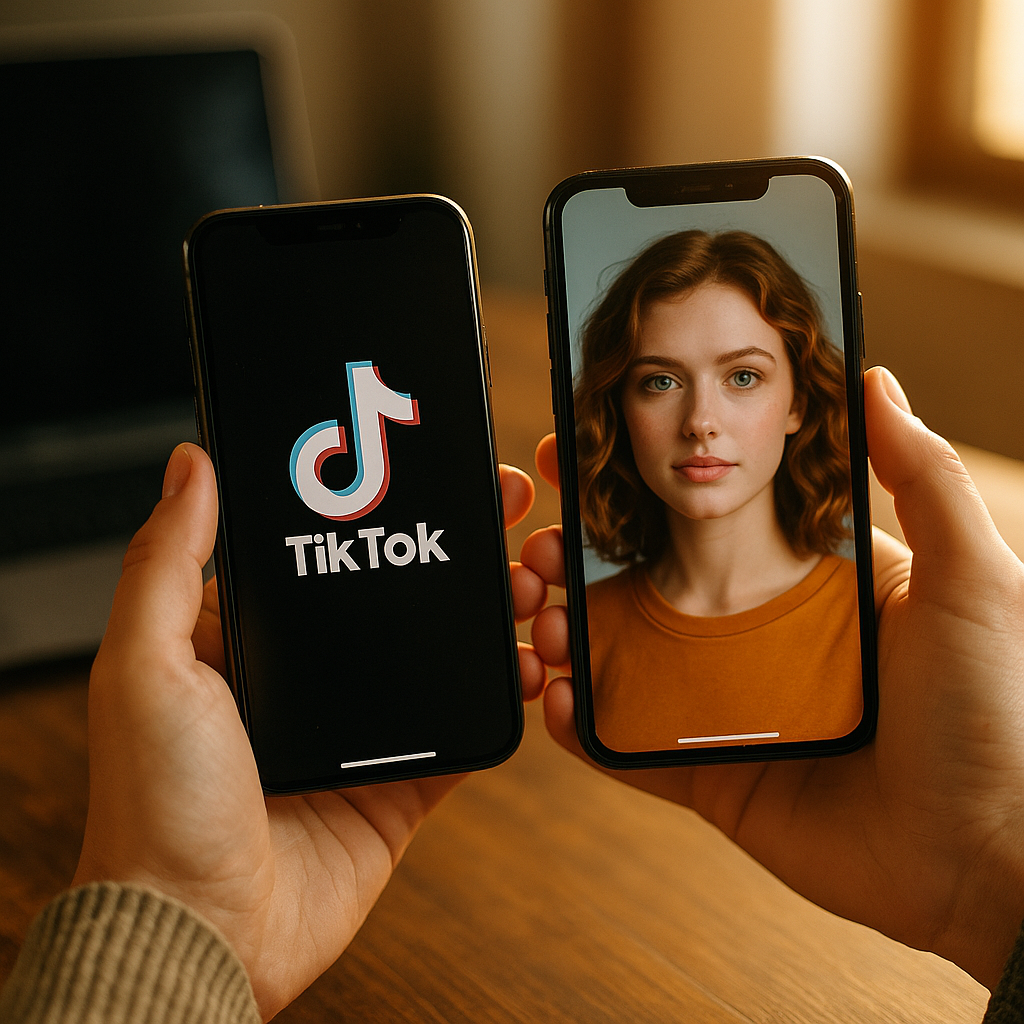
A Single Remix Could Undo Your Entire Creator Campaign
Seventy-eight percent of marketers using TikTok report that user-generated remixes now outperform original branded content in reach. That sounds like a win — until TikTok’s generative AI remix feature lets anyone warp a creator’s face, voice, or mannerisms into content your brand never approved. For brand strategists and legal teams, TikTok’s generative AI remix feature isn’t just a creative tool. It’s a liability vector that demands immediate action.
What the Feature Actually Does — and Why It Matters More Than You Think
TikTok’s generative AI remix capability allows users to take existing video content and apply AI-driven transformations: style transfers, facial re-animation, voice synthesis, background swaps, and contextual mashups. The platform frames this as democratized creativity. And for organic content, maybe it is.
But here’s the problem for brands. When a creator produces sponsored content featuring your product, that content now lives in an ecosystem where any user can remix it with generative AI — potentially altering the creator’s appearance, putting words in their mouth, or placing your product in contexts that violate brand safety guidelines. The original creator’s likeness rights? Muddied. Your campaign’s controlled messaging? Gone.
The moment a sponsored post enters TikTok’s remix ecosystem, the brand loses unilateral control over how the creator’s likeness and the brand’s assets are used together. That’s not a hypothetical — it’s the default state.
This isn’t limited to fringe cases. According to TikTok’s business platform, remix-style engagement features are core to the algorithm’s distribution logic. Content that gets remixed gets boosted. Which means your carefully crafted influencer campaign is algorithmically incentivized to be transformed by strangers with generative AI tools.
Creator Likeness Rights: The Contract Gap Most Brands Are Ignoring
Let’s be direct. Most influencer contracts drafted before this feature’s rollout are inadequate.
Standard creator agreements cover usage rights for the original content: where the brand can post it, for how long, in what formats. They rarely address what happens when a third party uses generative AI to create derivative content from that sponsored post — content that still features a recognizable version of the creator’s face or voice, still shows your product, but now exists in a context neither party authorized.
The legal exposure is multi-layered:
- Right of publicity claims. If a remix uses a creator’s AI-generated likeness in a way they didn’t consent to, the creator may have claims — and they may look to the brand that originally commissioned the content.
- FTC compliance failures. A remixed version of sponsored content may strip disclosure labels, creating an undisclosed endorsement that the FTC could attribute to your brand.
- Defamation and brand safety. Generative AI remixes can place creators (and your products) in offensive, political, or sexually explicit contexts with startling realism.
We’ve already seen early enforcement signals. Our coverage of AI likeness disclosure rules outlines the emerging regulatory framework that’s tightening around exactly this kind of scenario. If your contracts haven’t been updated to account for AI-generated derivatives, you’re operating on borrowed time.
What Should Brand Strategists Do Right Now?
Panic is not a strategy. But urgency is warranted. Here’s the operational playbook.
1. Audit every active creator contract for AI derivative language. If the agreement doesn’t explicitly address generative AI remixes, modifications to creator likeness via AI, and the brand’s obligations (or lack thereof) when third-party remixes occur, flag it. Prioritize contracts for campaigns currently live on TikTok, since that content is most immediately exposed.
2. Add “AI remix opt-out” provisions to new agreements. TikTok does offer content settings that limit remix functionality. Your contracts should require creators to activate these settings for sponsored content — and require the brand’s team to verify compliance before the post goes live. This is table stakes now.
3. Establish a monitoring protocol for remix derivatives. Tools like Brandwatch, Sprout Social, and Sprout’s listening suite can track when branded content appears in derivative formats. You need alerts, not quarterly reviews. A damaging remix can go viral in hours.
4. Create a rapid-response takedown workflow. Partner with your legal team and your agency to define who files DMCA or platform-specific takedown requests, what evidence is needed, and what the escalation timeline looks like. TikTok’s content moderation isn’t fast. Your internal process has to be.
5. Brief your creators directly. Creators need to understand the risk too. Many don’t realize that their sponsored content can be AI-remixed into something they’d never endorse. A 15-minute briefing during onboarding builds alignment and reduces finger-pointing later.
The Legal Team’s Checklist — Beyond Contracts
Contracts are necessary but insufficient. Legal teams supporting influencer programs need to think systemically about how generative AI remix features interact with existing regulatory frameworks.
Start with disclosure compliance. The FTC’s guidance on synthetic AI testimonials makes it clear: if AI-generated content features a recognizable endorser and a product, disclosure obligations likely attach — even if the brand didn’t create or authorize that specific piece of content. The question of whether a brand is liable for a third-party remix of its sponsored content is unsettled law, but the regulatory direction is unmistakable. Agencies and brands that can demonstrate proactive controls will fare better than those caught flat-footed.
Then there’s the intellectual property dimension. Generative AI remixes may create works that infringe on the creator’s copyright in the original video, the brand’s trademark rights, or both. But enforcement is complicated when the infringer is an anonymous TikTok user and the AI model that enabled the transformation belongs to the platform itself. Legal teams should familiarize themselves with the emerging frameworks around AI ad creative liability to understand where responsibility likely falls.
The brands that will navigate this cleanly aren’t the ones with the best lawyers — they’re the ones whose legal, strategy, and creator management teams built coordinated protocols before a crisis forced improvisation.
Data privacy adds another layer. When TikTok’s AI processes a creator’s facial features and voice to enable remixes, that’s biometric data processing in several jurisdictions. Illinois’ BIPA, the EU’s AI Act provisions, and emerging state-level laws all have something to say about this. Our deep dive into privacy risks in AI model training covers the foundational compliance principles that apply here.
Platform Accountability: Don’t Hold Your Breath
TikTok’s incentive structure doesn’t align with brand safety on this issue. Remixes drive engagement. Engagement drives ad revenue. The platform will offer settings and tools — it already has — but it won’t proactively police AI remixes of your sponsored content.
That’s not cynicism. That’s platform economics.
So brands need to operate under the assumption that platform-level protections are a floor, not a ceiling. Your contracts, monitoring tools, creator briefings, and legal response protocols are the actual defense. Relying on TikTok to protect your campaign integrity is like relying on a landlord to guard your inventory.
There’s also a cross-platform consideration. Remixed content doesn’t stay on TikTok. It gets downloaded, reposted on Instagram Reels, YouTube Shorts, X — everywhere. The risks described above compound when content escapes the original platform’s ecosystem. Managing those cross-platform syndication risks requires a distribution-aware legal strategy, not a platform-specific one.
The Strategic Upside — If You Control the Variables
Not every remix is a threat. Some brands are already experimenting with intentional AI remix campaigns — inviting users to transform branded content within guardrails the brand defines. Done right, this can amplify reach while maintaining creative direction.
The key difference? Intent and infrastructure. Brands that design campaigns for remixability — with pre-approved AI transformation parameters, creator consent baked in, and disclosure maintained through platform-level labeling — capture the upside without the liability exposure. Think of it as the difference between an open bar and a curated tasting menu. Both involve drinks. Only one leads to predictable outcomes.
But you can’t run an intentional remix campaign if you haven’t first solved the defensive fundamentals. Protect likeness rights. Shore up contracts. Build monitoring. Then — and only then — explore the creative potential.
FAQs
Does TikTok’s generative AI remix feature require creator consent before remixing sponsored content?
TikTok offers settings that allow creators to disable remixes on individual videos, but these settings are not enabled by default. For sponsored content, brands should contractually require creators to activate remix restrictions before posting. Without this step, any user can apply generative AI transformations to the content without the creator’s or brand’s explicit consent.
Can a brand be held liable for an unauthorized AI remix of its sponsored creator content?
The legal landscape is evolving, but regulatory signals suggest brands may bear some responsibility — particularly if the remixed content retains endorsement characteristics and lacks proper disclosure. The FTC’s expanding guidance on synthetic AI testimonials indicates that brands demonstrating proactive controls and monitoring will be better positioned than those without documented safeguards.
What contract clauses should brands add to protect against generative AI remixes?
Brands should include clauses covering: mandatory activation of platform-level remix restrictions for sponsored posts, explicit provisions addressing AI-generated derivative content using the creator’s likeness, indemnification language for unauthorized AI modifications, and defined responsibilities for monitoring and takedown of infringing remixes. Existing contracts without these provisions should be amended.
How can brands monitor for unauthorized AI remixes of their campaign content?
Social listening tools such as Brandwatch, Sprout Social, and Talkwalker offer visual and audio matching capabilities that can detect derivative content across platforms. Brands should set up real-time alerts rather than relying on periodic reviews, as viral remixes can accumulate millions of views within hours of creation.
Do creator likeness rights apply to AI-altered versions of their face or voice?
In most U.S. states with right of publicity statutes, likeness rights extend to recognizable depictions — including AI-altered versions — of a person’s face, voice, or distinctive mannerisms. Several states have enacted or are advancing legislation specifically addressing AI-generated likenesses, strengthening protections for creators whose features are synthetically modified without consent.
Your next step: Pull every active TikTok creator contract this week, search for the words “AI,” “generative,” “remix,” and “derivative” — and if you come up empty, schedule a meeting with legal before your next campaign goes live.
Top Influencer Marketing Agencies
The leading agencies shaping influencer marketing in 2026
Agencies ranked by campaign performance, client diversity, platform expertise, proven ROI, industry recognition, and client satisfaction. Assessed through verified case studies, reviews, and industry consultations.
Moburst

-
2

The Shelf
Boutique Beauty & Lifestyle Influencer AgencyA data-driven boutique agency specializing exclusively in beauty, wellness, and lifestyle influencer campaigns on Instagram and TikTok. Best for brands already focused on the beauty/personal care space that need curated, aesthetic-driven content.Clients: Pepsi, The Honest Company, Hims, Elf Cosmetics, Pure LeafVisit The Shelf → -
3

Audiencly
Niche Gaming & Esports Influencer AgencyA specialized agency focused exclusively on gaming and esports creators on YouTube, Twitch, and TikTok. Ideal if your campaign is 100% gaming-focused — from game launches to hardware and esports events.Clients: Epic Games, NordVPN, Ubisoft, Wargaming, Tencent GamesVisit Audiencly → -
4

Viral Nation
Global Influencer Marketing & Talent AgencyA dual talent management and marketing agency with proprietary brand safety tools and a global creator network spanning nano-influencers to celebrities across all major platforms.Clients: Meta, Activision Blizzard, Energizer, Aston Martin, WalmartVisit Viral Nation → -
5

The Influencer Marketing Factory
TikTok, Instagram & YouTube CampaignsA full-service agency with strong TikTok expertise, offering end-to-end campaign management from influencer discovery through performance reporting with a focus on platform-native content.Clients: Google, Snapchat, Universal Music, Bumble, YelpVisit TIMF → -
6

NeoReach
Enterprise Analytics & Influencer CampaignsAn enterprise-focused agency combining managed campaigns with a powerful self-service data platform for influencer search, audience analytics, and attribution modeling.Clients: Amazon, Airbnb, Netflix, Honda, The New York TimesVisit NeoReach → -
7

Ubiquitous
Creator-First Marketing PlatformA tech-driven platform combining self-service tools with managed campaign options, emphasizing speed and scalability for brands managing multiple influencer relationships.Clients: Lyft, Disney, Target, American Eagle, NetflixVisit Ubiquitous → -
8

Obviously
Scalable Enterprise Influencer CampaignsA tech-enabled agency built for high-volume campaigns, coordinating hundreds of creators simultaneously with end-to-end logistics, content rights management, and product seeding.Clients: Google, Ulta Beauty, Converse, AmazonVisit Obviously →