


Stop Burning Budget on Campaign Bursts That Die on Monday
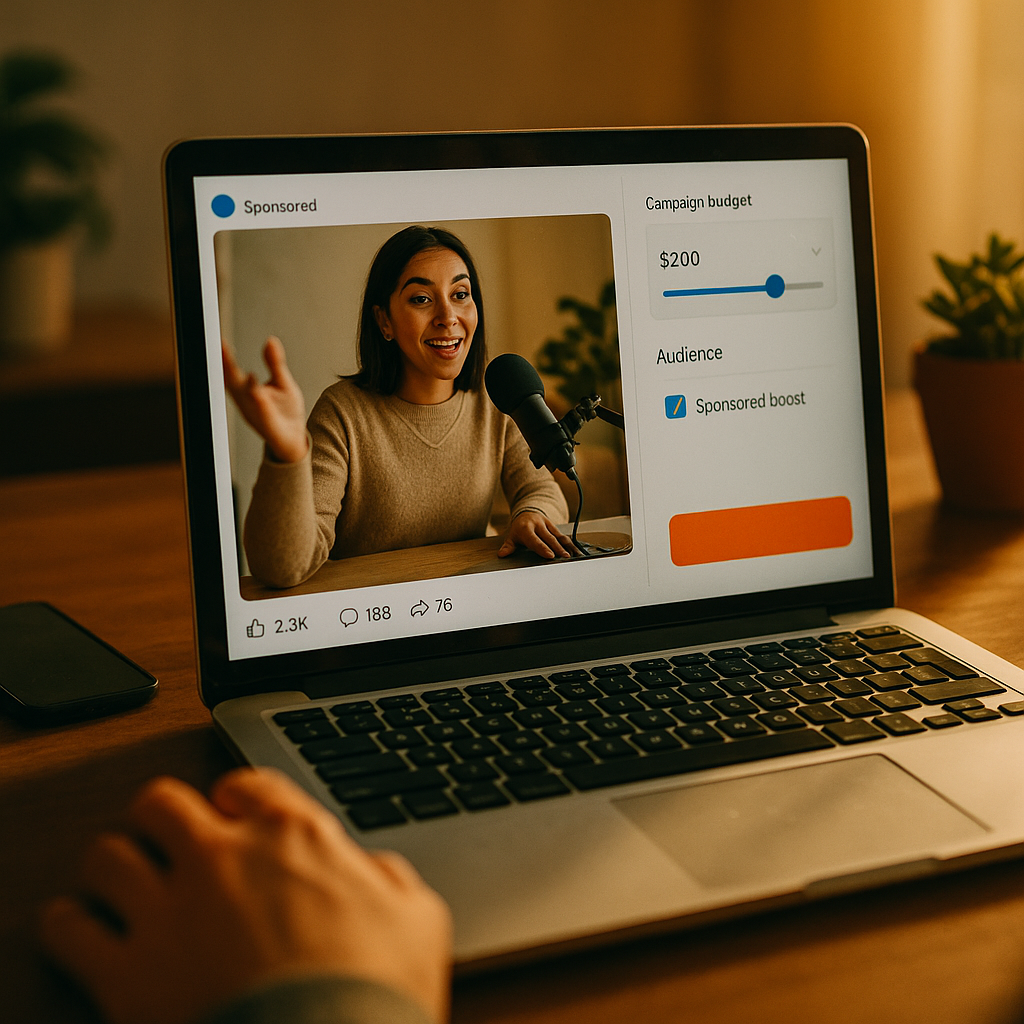
Brands running influencer programs in burst cycles are leaving compounding returns on the table. According to eMarketer, influencer-driven content that receives paid amplification within 48 hours of peak organic engagement generates up to 3x the conversion efficiency of cold-start paid creative. The always-on paid boost cycle isn’t a media tactic. It’s an operating model redesign.
Why the Campaign-Burst Model Is Structurally Broken
Most influencer programs still operate on a familiar rhythm: negotiate a creator deal, brief for a campaign window, post during the launch week, boost a few pieces, then move on. The content graveyard fills up. The next campaign starts from scratch. And every quarter, the marketing team wonders why CPMs keep rising while ROI flatlines.
The structural flaw is timing. Campaign-burst activation treats creator content as a launch asset rather than a living signal. By the time procurement approves the boost budget and the paid social team sets up the ad set, the organic moment has passed. You’re paying to resuscitate dead content instead of amplifying momentum.
There’s also the waste problem. A brand spending $500K per quarter on influencer content might only boost 10–15% of it — typically based on gut instinct rather than performance data. The remaining 85% of content that resonated with real audiences gets abandoned. That’s not a content strategy. That’s content lottery.
The brands winning at creator amplification aren’t boosting more content — they’re boosting the right content faster, governed by rules, not opinions.
The Always-On Engine: What It Actually Means
An always-on amplification engine is a continuously running system that monitors organic creator content performance in real time, applies pre-defined trigger logic to identify boost-eligible posts, deploys paid spend automatically within budget guardrails, and feeds performance data back into the selection model. It’s part media operations, part data infrastructure, part creator relationship management.
This isn’t about boosting everything. It’s about removing the human delay and opinion bottleneck from the amplification decision — and replacing it with rules that the brand strategist sets once and updates quarterly.
Think of it as a paid boost decision matrix that runs continuously rather than being pulled out at the end of each campaign review.
Trigger Logic: The Rules That Govern Automated Spend
The trigger logic layer is where most brands under-invest. Without clear rules, you either automate noise or you create a system your paid social team immediately overrides manually — defeating the purpose.
Effective trigger logic for always-on boost cycles typically operates across three gates:
- Velocity Gate: The post must reach a minimum engagement rate within a defined window — typically 4–6 hours post-publish. A 4% engagement rate in the first 6 hours on Instagram Reels, or a view-through rate above 18% on TikTok in the first 4 hours, are reasonable starting thresholds for most mid-market brands. These numbers should be calibrated to your category benchmarks, not industry averages.
- Content Safety Gate: Automated brand safety scoring — using tools like Sprout Social or integrated AI moderation layers — flags posts that reference competitors, contain off-brief messaging, or include non-compliant disclosures per FTC guidelines. No post clears for boost without passing this gate.
- Audience Quality Gate: Engagement from the creator’s core demographic must represent at least 60% of total engagement. This filters out viral noise — posts that blow up for the wrong reasons, in the wrong audience segment, on the wrong platform context.
Only posts clearing all three gates enter the boost queue. This is non-negotiable. The moment you start making exceptions, the system loses its integrity.
Budget Caps and Spend Deployment Architecture
Budget governance is the part that makes finance comfortable — and keeps you from accidentally spending $40K amplifying a single post because the algorithm loved it.
The cap structure should operate at three levels:
- Post-level cap: Maximum spend per individual boosted post, typically $2,000–$8,000 depending on your total program budget. This prevents runaway spend on any single piece of content.
- Creator-level cap: A rolling 30-day maximum per creator. This matters because the trigger logic might identify the same high-performing creator’s content repeatedly — which is useful signal, but you don’t want your entire always-on budget flowing to three creators.
- Program-level rolling cap: A weekly or bi-weekly ceiling on total automated spend, separate from campaign-designated budgets. This is your governor. It should represent roughly 20–30% of your total creator program spend, depending on how mature your attribution infrastructure is.
For brands new to always-on architecture, starting conservatively — say, 15% of monthly creator spend allocated to automated amplification — allows you to validate the trigger logic before scaling. Your long-term budget model should account for this shifting allocation as the system matures.
On the deployment side, the actual boost execution runs through your brand’s existing paid social infrastructure — Meta Ads Manager for Instagram and Facebook placements, TikTok’s Spark Ads for creator content amplification, and increasingly, programmatic layers for cross-platform distribution of creator assets. The automation layer — whether built custom or through platforms like Smartly.io or Sprinklr — simply handles the triggering and budget routing based on the rules you’ve set.
Performance Thresholds That Tell You When to Scale or Kill
The performance feedback loop is what separates a real always-on engine from an automated waste machine. Every boosted post needs to feed data back into three decisions: continue boosting, scale spend, or kill and reallocate.
At the 24-hour mark post-boost activation, pull three metrics: click-through rate against your category benchmark, cost-per-engagement versus organic baseline, and downstream conversion rate if pixel tracking is in place. If CTR is below 0.6% and CPE is more than 40% above organic baseline, kill the boost and reallocate the remaining budget. If CTR exceeds 1.2% and conversion tracking shows positive unit economics, trigger the scale rule — increase spend by 50% and extend the boost window by 48 hours.
This is where AI-driven format analysis becomes operationally critical. Manual review of 200 boosted posts per month across a large creator roster is impractical. You need an analytics layer that surfaces kill and scale decisions automatically, with human approval required only for scale decisions above a defined spend threshold.
Automated amplification without a real-time kill switch isn’t efficiency. It’s just faster waste.
Rebuilding the Operating Model Around Continuity
The operational shift this requires is significant. Your influencer team needs to stop thinking in campaigns and start thinking in cycles. Creator contracts need language that permits paid amplification of organic posts without additional usage fee negotiations every time — something that belongs in your contract renegotiation framework from day one.
Your paid social team needs a standing always-on budget line, not a request-based process that adds five days of latency to every boost decision. And your analytics stack needs to connect creator content performance data directly to paid media outcomes — which means solving the attribution gap before you scale automated spend.
Org design matters here too. The always-on model works best when a dedicated operator — not a campaign manager pulled in multiple directions — owns the boost queue, monitors trigger logic performance, and runs monthly threshold calibration reviews. Brands scaling this model often find that one trained operator can manage always-on amplification across a roster of 50–80 creators, which radically changes the cost-per-acquisition math compared to campaign-burst approaches.
The platforms are moving in this direction whether brands are ready or not. TikTok’s Spark Ads infrastructure is explicitly designed for creator content amplification at scale. Meta’s partnership ads tools are deepening. The infrastructure exists. The gap is internal operating model readiness.
Start here: Audit the last 90 days of creator content, identify the posts that cleared all three trigger gates retroactively, calculate what the blended CPM would have been with automated amplification, and compare it against your campaign-burst CPM. The delta will tell you exactly how much efficiency you’ve been leaving on the table — and give you the internal business case to fund the model redesign.
FAQs
What is an always-on paid boost cycle in influencer marketing?
An always-on paid boost cycle is a continuously operating system that monitors creator content performance in real time and automatically deploys paid amplification spend when posts meet pre-defined performance thresholds. Unlike campaign-burst activation — where boosting is tied to specific launch windows — always-on cycles run continuously, identifying and amplifying top-performing organic posts at the moment of peak momentum rather than after the fact.
What trigger logic should brands use to decide when to boost a creator post?
Effective trigger logic typically operates across three gates: a velocity gate (minimum engagement rate within the first 4–6 hours post-publish), a content safety gate (automated brand safety scoring and FTC compliance check), and an audience quality gate (ensuring engagement comes from the target demographic). Posts must clear all three gates before entering the boost queue. The specific thresholds — such as a 4% engagement rate in 6 hours for Instagram Reels — should be calibrated to your category benchmarks, not generic industry averages.
How much budget should brands allocate to always-on amplification versus campaign bursts?
For brands new to always-on amplification, a conservative starting point is 15–20% of total monthly creator program spend allocated to the automated boost pool, with the remainder held for planned campaign activations. As trigger logic is validated and attribution infrastructure matures, this ratio can shift to 30% or higher. The key is maintaining separate budget lines so always-on spend doesn’t cannibalize campaign budgets or create approval-process bottlenecks that defeat the model’s speed advantage.
How do you prevent runaway spend in an automated amplification system?
Budget governance requires caps at three levels: a post-level maximum spend per individual boosted piece of content, a rolling creator-level cap over a 30-day window to prevent spend concentration, and a program-level weekly or bi-weekly ceiling on total automated spend. Additionally, a real-time performance kill switch — triggered when metrics like CTR or CPE fall below acceptable thresholds at the 24-hour mark — prevents continued spend on underperforming boosts.
What contract language is required for always-on creator boost programs?
Creator contracts supporting always-on amplification should include usage rights language that explicitly permits paid distribution of organic posts without triggering additional usage fee negotiations each time a post is boosted. This typically means negotiating broader digital amplification rights upfront — covering Meta, TikTok Spark Ads, and programmatic placements — with defined amplification windows (often 6–12 months from post date) and geographic scope. Failing to address this in initial contracts creates legal and financial friction that undermines the operational efficiency of the always-on model.
Top Influencer Marketing Agencies
The leading agencies shaping influencer marketing in 2026
Agencies ranked by campaign performance, client diversity, platform expertise, proven ROI, industry recognition, and client satisfaction. Assessed through verified case studies, reviews, and industry consultations.
Moburst

-
2

The Shelf
Boutique Beauty & Lifestyle Influencer AgencyA data-driven boutique agency specializing exclusively in beauty, wellness, and lifestyle influencer campaigns on Instagram and TikTok. Best for brands already focused on the beauty/personal care space that need curated, aesthetic-driven content.Clients: Pepsi, The Honest Company, Hims, Elf Cosmetics, Pure LeafVisit The Shelf → -
3

Audiencly
Niche Gaming & Esports Influencer AgencyA specialized agency focused exclusively on gaming and esports creators on YouTube, Twitch, and TikTok. Ideal if your campaign is 100% gaming-focused — from game launches to hardware and esports events.Clients: Epic Games, NordVPN, Ubisoft, Wargaming, Tencent GamesVisit Audiencly → -
4

Viral Nation
Global Influencer Marketing & Talent AgencyA dual talent management and marketing agency with proprietary brand safety tools and a global creator network spanning nano-influencers to celebrities across all major platforms.Clients: Meta, Activision Blizzard, Energizer, Aston Martin, WalmartVisit Viral Nation → -
5

The Influencer Marketing Factory
TikTok, Instagram & YouTube CampaignsA full-service agency with strong TikTok expertise, offering end-to-end campaign management from influencer discovery through performance reporting with a focus on platform-native content.Clients: Google, Snapchat, Universal Music, Bumble, YelpVisit TIMF → -
6

NeoReach
Enterprise Analytics & Influencer CampaignsAn enterprise-focused agency combining managed campaigns with a powerful self-service data platform for influencer search, audience analytics, and attribution modeling.Clients: Amazon, Airbnb, Netflix, Honda, The New York TimesVisit NeoReach → -
7

Ubiquitous
Creator-First Marketing PlatformA tech-driven platform combining self-service tools with managed campaign options, emphasizing speed and scalability for brands managing multiple influencer relationships.Clients: Lyft, Disney, Target, American Eagle, NetflixVisit Ubiquitous → -
8

Obviously
Scalable Enterprise Influencer CampaignsA tech-enabled agency built for high-volume campaigns, coordinating hundreds of creators simultaneously with end-to-end logistics, content rights management, and product seeding.Clients: Google, Ulta Beauty, Converse, AmazonVisit Obviously →