


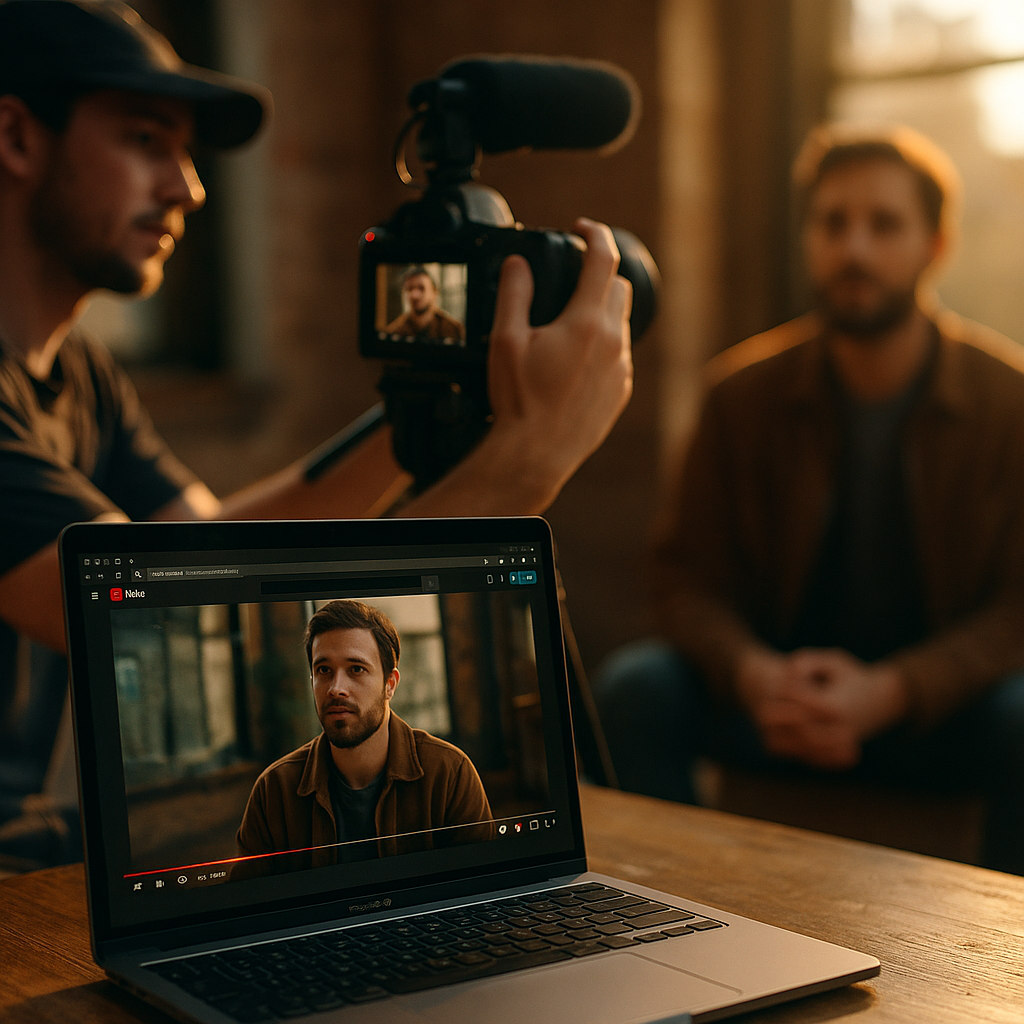
YouTube viewers now watch over 1 billion hours of content daily on TV screens—and brands that still think of the platform as a short-clip dumping ground are leaving serious narrative equity on the table. Documentary-style, episodic YouTube series have become one of the highest-leverage formats in premium brand strategy, and the brands leading this shift aren’t experimenting quietly.
Why Long-Form Episodic YouTube Is Having a Moment
The economics changed. YouTube’s connected TV viewership crossed a threshold where episodic content competes directly with streaming platforms for living room attention. Statista data shows the average YouTube viewing session on TV is significantly longer than on mobile—which means audience intent is fundamentally different. People aren’t scrolling. They’re settling in.
That behavioral shift created a gap. Most brand content was built for thumbs and feeds. Episodic documentary-style content is built for eyes and attention. The brands that recognized this early are now sitting on compounding brand assets—series that get discovered, rewatched, and shared organically months after release.
Episodic YouTube series generate compounding discovery value: each episode feeds algorithmic recommendations for every episode before it, creating a flywheel that one-off brand films cannot replicate.
This also intersects with a creator brief evolution. If you’re already thinking about how to brief YouTube creators for a TV-quality audience, documentary series is the natural endpoint of that strategic direction.
What Coach, Chanel, and Nike Are Actually Doing
These three brands represent three distinct strategic approaches—worth breaking down individually.
Coach leaned into creator-hosted heritage storytelling. Their long-form YouTube productions have used fashion-adjacent creators to document craftsmanship processes—leather tanning, artisan interviews, factory visits—presented as genuine curiosity-driven exploration rather than branded tours. The creator isn’t a spokesperson. They’re a proxy for the viewer’s own discovery instinct. This approach keeps the content feeling editorial while keeping Coach’s core brand codes (craft, legacy, New York grit) front and center.
Chanel operates differently. Their episodic content strategy is more controlled—often creator-adjacent rather than creator-led. They’ve partnered with documentary filmmakers and cultural journalists to produce series around runway preparation, archival fashion history, and the personal stories of artisans within the Chanel ateliers. The production values are deliberately cinematic. The brand maintains tight creative oversight while the “host” figure functions more as a guide than an influencer. It’s brand journalism.
Nike goes wide where Chanel goes deep. Nike has used creator-hosted episodic formats across multiple verticals—sports science, athlete mental health, underdog athlete stories—with hosts who have their own established audiences. The key distinction in Nike’s model is audience portability: the creator brings subscribers into the series, and Nike’s brand values get embedded into the creator’s authentic voice. Nike is also aggressive about cross-platform repurposing, cutting documentary footage into Reels, Shorts, and paid social assets that extend the series’ reach without the full production cost being replicated.
The Brief Is Where Most Brands Get It Wrong
Brands approaching this format for the first time tend to write briefs that treat episodic documentary content like a longer version of an influencer product post. That’s the critical mistake. The brief architecture needs to reflect that you are commissioning a narrative system, not a series of individual deliverables.
A few structural realities that should inform how you brief creators for this format:
- Episode arc ≠ campaign arc. Each episode needs its own beginning, middle, and end. The series arc is separate. Brief both explicitly.
- The host’s voice is load-bearing. Unlike short-form content where brand messaging can steer heavily, documentary formats require the creator’s genuine curiosity and perspective to make the content feel credible. Over-scripting kills the format.
- Brand integration points must be structural, not ornamental. The brand should appear as a natural element of the story—a location, a process, a value—not an inserted segment.
- Pre-production alignment matters more than post-production approval. Build extensive briefing sessions upfront. Retroactive creative control in this format is expensive and produces worse content.
This connects directly to a broader truth about briefing for paid amplification: the assets you’ll want to extract from a documentary series need to be planned at the brief stage, not discovered in the edit.
A Practical Entry-Point Template for Brands
If your brand is entering the episodic documentary format for the first time, here’s a stripped-down brief structure that covers the essentials without over-engineering the creative.
Series Concept Brief (One Page Max)
- Brand narrative thread: One sentence. What is the single brand truth this series will express over 4–6 episodes? (Example: “Coach exists at the intersection of American craftsmanship and cultural grit.”)
- Creator selection rationale: Why does this creator’s existing audience and voice make them the right host? Not their follower count—their perspective.
- Episode premise format: Each episode should follow a consistent structural logic. (Example: “Each episode visits one city, profiles one maker, and ends with the creator’s reflection on what craft means to them personally.”)
- Brand integration parameters: List 2–3 ways the brand naturally enters each episode. Product, place, or philosophy—not all three every time.
- Extractable asset list: Per episode: one 60-second cut, one 15-second cut, three static frames approved for paid use. Brief this upfront.
- Disclosure and compliance requirements: Reference FTC endorsement guidelines explicitly in the brief. Documentary formats are not exempt from disclosure obligations.
- Success metrics per episode: Average view duration (target: above 40%), return viewer rate across episodes, and brand search lift (tracked via Google’s Brand Lift tools).
The brands winning with documentary YouTube series aren’t measuring success by views per episode. They’re tracking series completion rates and brand search lift—metrics that capture the narrative equity being built, not just the traffic.
Platform Mechanics You Cannot Ignore
YouTube’s recommendation algorithm treats episodic content differently when structured correctly. Series playlists, consistent upload cadence, and episode intros that reference the broader series all contribute to algorithmic coherence—the platform signals to new viewers that this is a show, not a one-off. That distinction changes how content gets surfaced in recommendations and on the YouTube TV interface.
Average view duration is still the primary quality signal. For documentary content, 50–60% average view duration is achievable with strong story structure. That’s a benchmark worth putting in your creator agreements. And for brands considering how to amplify creator posts without suppressing organic reach, documentary series offer a structural advantage: their longer watch times generate stronger organic signals before any paid amplification is needed.
Distribution decisions matter too. eMarketer’s connected TV data consistently shows YouTube CTV viewership skewing toward 25–44 demographics—which aligns well with premium brand audiences. If your target customer is in that bracket, YouTube documentary series may have better audience alignment than you’d expect from a platform still associated primarily with Gen Z short-form content.
What This Format Cannot Do (And What Can)
Episodic YouTube series are brand equity and consideration-stage tools. They build preference and memorability. They are not direct-response mechanisms. A six-episode documentary about Nike’s athlete development program will not produce the same immediate conversion signals as a TikTok emotional trigger campaign designed to move product. Know where this format sits in your funnel architecture before you commit the budget.
The brands getting the most value from this format treat it as a content pillar—a reservoir from which shorter assets are extracted and distributed. The series itself builds brand equity. The clips, cuts, and repurposed moments drive measurable performance. Both functions are necessary. Neither replaces the other.
For teams running multi-format production shoots, the briefing discipline required for documentary series also improves your short-form output. The editorial clarity you develop for a 20-minute episode naturally sharpens how you brief creators across TikTok, Reels, and Shorts simultaneously.
The next step is concrete: Identify one brand narrative thread that cannot be told in under 90 seconds, find a creator whose existing content proves they can sustain viewer attention over 10+ minutes, and commission a pilot episode before committing to a full series budget. The pilot will tell you more than any strategy deck.
Frequently Asked Questions
How long should each episode be in a brand documentary series?
For branded documentary content, 12–22 minutes per episode is the functional sweet spot. Long enough to build genuine narrative depth and achieve meaningful average view duration signals, short enough to respect audience attention and allow for natural episode-end calls to action. Episodes under 10 minutes tend to feel like extended ads rather than editorial content, which undermines the format’s core value proposition.
How many episodes should a brand commission for a first series?
Four to six episodes is the recommended entry point. Fewer than four doesn’t establish a series dynamic in the algorithm or the audience’s mind. More than six for a first series creates unnecessary financial risk before you’ve validated audience response. A four-episode pilot run gives you enough data on completion rates, return viewer rates, and brand lift to justify—or restructure—a second season.
What kind of creators work best as hosts for documentary-style brand series?
Creators with an established editorial voice and an audience that already consumes long-form content. Check their existing video analytics: if their audience drops off at the 3-minute mark habitually, they’re not the right host for a 20-minute documentary series regardless of their follower count. Journalism backgrounds, documentary filmmaker experience, and hosts with established interview skills all translate well to this format.
Does FTC disclosure apply to documentary-style branded content?
Yes, without exception. A branded documentary series is a material connection between the creator and the brand, and that relationship must be disclosed clearly at the start of each episode—not buried in the description. The FTC’s endorsement guidelines apply regardless of content format or production style. Some brands have learned this the hard way. Build disclosure language into the creator contract and the episode script structure from day one.
How should brands measure the ROI of a documentary YouTube series?
Primary metrics should include series completion rate (what percentage of viewers who watch episode one return for episode two or beyond), average view duration per episode (target above 40%, with 50–60% indicating strong content quality), and brand search lift measured through Google’s Brand Lift survey tools. Secondary metrics include the performance of short-form assets extracted from the series and any trackable changes in brand consideration scores from existing brand tracking studies.
Top Influencer Marketing Agencies
The leading agencies shaping influencer marketing in 2026
Agencies ranked by campaign performance, client diversity, platform expertise, proven ROI, industry recognition, and client satisfaction. Assessed through verified case studies, reviews, and industry consultations.
Moburst

-
2

The Shelf
Boutique Beauty & Lifestyle Influencer AgencyA data-driven boutique agency specializing exclusively in beauty, wellness, and lifestyle influencer campaigns on Instagram and TikTok. Best for brands already focused on the beauty/personal care space that need curated, aesthetic-driven content.Clients: Pepsi, The Honest Company, Hims, Elf Cosmetics, Pure LeafVisit The Shelf → -
3

Audiencly
Niche Gaming & Esports Influencer AgencyA specialized agency focused exclusively on gaming and esports creators on YouTube, Twitch, and TikTok. Ideal if your campaign is 100% gaming-focused — from game launches to hardware and esports events.Clients: Epic Games, NordVPN, Ubisoft, Wargaming, Tencent GamesVisit Audiencly → -
4

Viral Nation
Global Influencer Marketing & Talent AgencyA dual talent management and marketing agency with proprietary brand safety tools and a global creator network spanning nano-influencers to celebrities across all major platforms.Clients: Meta, Activision Blizzard, Energizer, Aston Martin, WalmartVisit Viral Nation → -
5

The Influencer Marketing Factory
TikTok, Instagram & YouTube CampaignsA full-service agency with strong TikTok expertise, offering end-to-end campaign management from influencer discovery through performance reporting with a focus on platform-native content.Clients: Google, Snapchat, Universal Music, Bumble, YelpVisit TIMF → -
6

NeoReach
Enterprise Analytics & Influencer CampaignsAn enterprise-focused agency combining managed campaigns with a powerful self-service data platform for influencer search, audience analytics, and attribution modeling.Clients: Amazon, Airbnb, Netflix, Honda, The New York TimesVisit NeoReach → -
7

Ubiquitous
Creator-First Marketing PlatformA tech-driven platform combining self-service tools with managed campaign options, emphasizing speed and scalability for brands managing multiple influencer relationships.Clients: Lyft, Disney, Target, American Eagle, NetflixVisit Ubiquitous → -
8

Obviously
Scalable Enterprise Influencer CampaignsA tech-enabled agency built for high-volume campaigns, coordinating hundreds of creators simultaneously with end-to-end logistics, content rights management, and product seeding.Clients: Google, Ulta Beauty, Converse, AmazonVisit Obviously →