


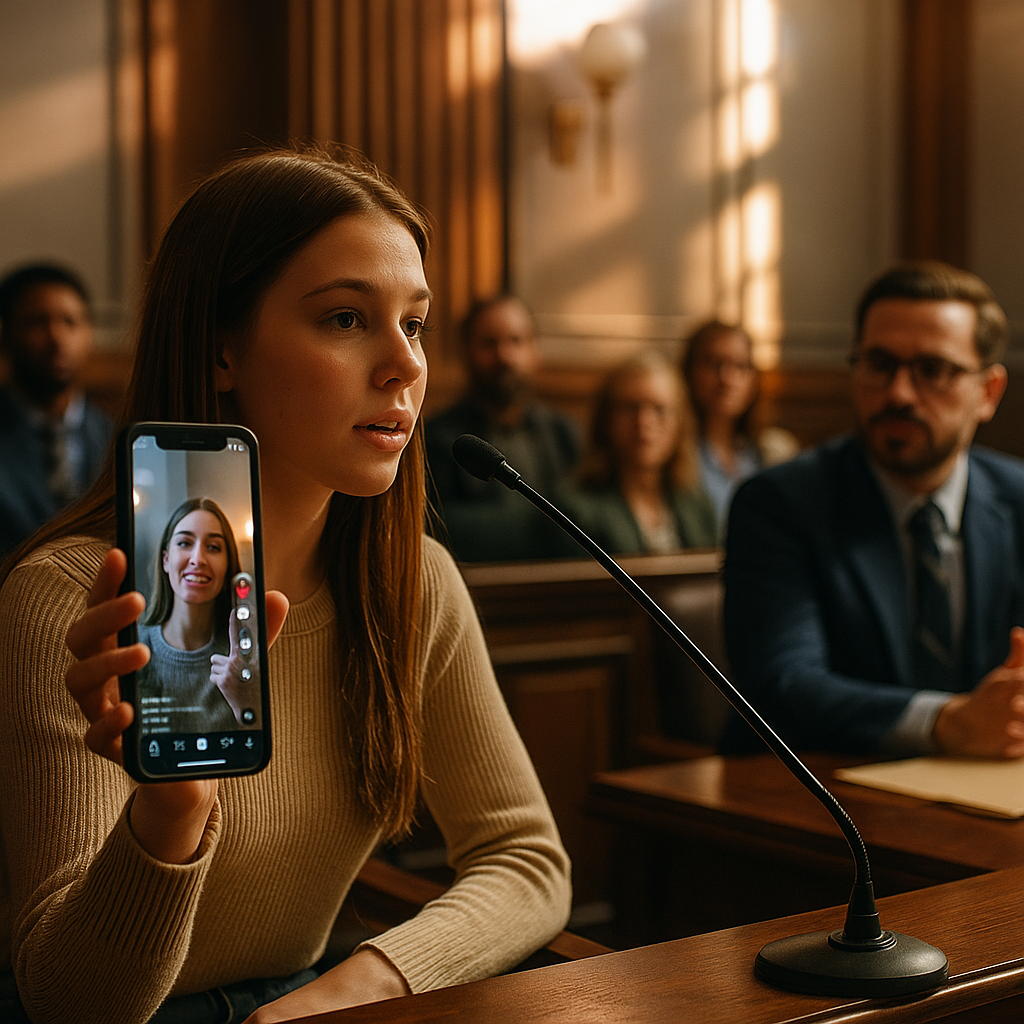
Over 700 consolidated lawsuits. One federal MDL. Three platforms facing bellwether trials that could permanently reshape how advertising liability is assigned in the creator economy. If your brand runs influencer campaigns on Meta, YouTube, or LinkedIn — and especially if any of that content reaches users under 18 — the legal ground beneath your compliance program just shifted.
What the MDL Actually Is (and Why Brands Should Care)
The Social Media Youth Harms MDL, consolidated in the Northern District of California, has been building toward trial for years. The June bellwether cases are the first test of whether Section 230 immunity shields platforms from liability when their algorithmic amplification — not just their hosting function — actively harms minors. That distinction is everything.
For brands, the stakes aren’t about being named defendants. They’re about what discovery and testimony in these cases will surface: internal platform data on minor user identification, algorithmic targeting of youth-adjacent content, and the degree to which advertisers knowingly or unknowingly funded that targeting. If a platform’s own documents show they knew their recommendation engine was pushing branded content to users under 13, and your media buy was part of that inventory, your brand’s name could appear in those depositions.
Section 230 immunity protects platforms from liability for what users post — it does not protect brands from liability for what their paid campaigns reach. That line matters enormously as MDL discovery unfolds.
This isn’t hypothetical legal exposure. It’s a documentation problem. And most brand legal teams are not positioned to defend their campaigns because the records simply don’t exist in a usable form.
The Three Platforms in the Crosshairs — and What’s Different About Each
Meta. The Facebook and Instagram cases center on algorithmic amplification that allegedly directed minors toward harmful content and monetized that engagement through advertising. Meta’s own internal research — already partially surfaced in prior congressional testimony — shows the company had awareness of youth engagement patterns. For brands running Instagram creator campaigns, the relevant question is: do your campaign briefs contain any age-floor specifications, and can you prove those specs were operationally enforced? Review how Meta’s teen safeguards intersect with creator brief requirements before you assume your agency handled it.
YouTube. The YouTube cases raise questions about how the platform’s recommendation algorithm routes content to child-adjacent audiences even when campaigns are not explicitly targeted at minors. A gaming brand, a food brand, a fashion brand — any category with organic youth crossover — faces exposure if their creator content was algorithmically amplified to under-18 viewers through YouTube’s “Up Next” logic. The COPPA implications alone are significant, because YouTube’s ad systems carry explicit obligations around child-directed content that flow upstream to advertisers.
LinkedIn. This one surprises most brand teams. LinkedIn’s inclusion in the MDL relates to its data practices around minor users — specifically, users who misrepresent their age at signup. LinkedIn’s professional audience framing gives brands a false sense of safety. But if your brand runs creator-driven sponsored content on LinkedIn and a subset of those users are under 18 (which they are, statistically), the data handling and targeting documentation requirements are more complex than most B2B marketing teams realize. See our deeper analysis of LinkedIn creator campaign compliance for the specific clauses that matter.
What “Youth-Adjacent” Actually Means for Your Risk Assessment
Legal teams often focus on campaigns explicitly targeting minors. The MDL expands that frame entirely. “Youth-adjacent” content — gaming, music, fashion, sports, food, beauty, lifestyle — generates significant under-18 viewership even when creator demographics skew 18-34. Platforms know this. Their internal data shows it. And the MDL discovery process is extracting that data.
The practical implication: if your brand operates in any category where organic youth crossover exists, you cannot rely on platform-stated audience targeting parameters as your compliance defense. You need your own documentation trail — campaign briefs with explicit age restrictions, creator contracts with audience verification clauses, and media buy records that show where impressions actually landed.
Run a category audit right now. If your product has any legitimate use case for users under 18, or if your creator content depicts themes that index heavily with youth audiences, you are in scope for this risk review regardless of your intended targeting. Reference the creator campaign pre-flight checklist as a starting audit framework — but understand it will need legal review overlays specific to the MDL exposure questions.
The Documentation Gap Most Brand Legal Teams Don’t Know They Have
Here’s the operational reality: influencer campaign documentation is notoriously fragmented. The creative brief lives in a shared drive. The creator contract is signed via DocuSign and filed somewhere in a legal folder. The media buy is in your DSP or agency’s trafficking sheet. Audience delivery reports are in platform dashboards that may or may not export cleanly. And the approval chain — who signed off on what, when, and with what knowledge — is scattered across Slack threads and email chains.
That fragmentation is a legal liability. In discovery, you need to demonstrate a coherent chain of intent, approval, and execution that shows your brand exercised reasonable care around youth exposure. “Our agency handled it” is not a defensible answer if the agency’s contract doesn’t include indemnification clauses covering minor audience exposure.
Fragmented campaign documentation doesn’t just create operational inefficiency — in a litigation context, it creates an inference of negligence. Courts don’t reward disorganization.
Tighten your creator contract clauses now, specifically around audience composition representations, age verification obligations, and indemnification scope. If your current contracts don’t address these elements, they need amendments before your next campaign goes live.
Compliance Documentation: What “Reasonable Care” Looks Like Going Forward
The MDL bellwether outcomes will likely produce guidance — formal or informal — on what courts consider adequate brand-side due diligence in creator campaigns involving platforms with known minor user populations. But you don’t need to wait for a verdict to understand the minimum bar.
Reasonable care in this environment means:
- Campaign briefs that explicitly state age restrictions and content guidelines relative to youth audiences, with version control showing those restrictions were present before campaign launch
- Creator contracts that include representations about audience composition and obligations to disclose if organic audience skews toward under-18 viewership
- Media buy documentation showing platform targeting parameters, with screenshots or exports captured at time of campaign setup — not reconstructed after the fact
- Approval workflows with named sign-offs, timestamps, and documented legal review for any campaign in a youth-adjacent category
- Agency agreements that explicitly allocate responsibility for youth compliance monitoring and include indemnification provisions
The EU’s addictive design crackdown and similar regulatory pressures are moving in the same direction globally. Brands building compliance infrastructure for the MDL exposure are also future-proofing against European regulatory action — the documentation standards are substantially aligned.
Also worth noting: if your campaigns use AI-assisted audience targeting, creator matching, or media buying automation, you have an additional layer of documentation obligation. AI-driven decisions that place branded content in front of minor audiences need human oversight records. Review how AI campaign oversight policies should be structured to create that paper trail.
What to Do Before Your Next Campaign Launches
Don’t wait for the bellwether verdicts. The discovery record being built in these cases is already informing plaintiff attorneys in adjacent actions. Here’s the immediate action sequence:
- Conduct a retroactive documentation audit on all active and recently completed campaigns in youth-adjacent categories. Identify documentation gaps before opposing counsel does.
- Brief your agencies in writing on the MDL exposure and require written confirmation that their campaign execution documentation meets the standards above.
- Review platform targeting settings across all active campaigns and document current configurations. For Meta and YouTube specifically, confirm that teen advertising restrictions and content category exclusions are applied and logged.
- Update your master creator contract templates to include youth audience representation clauses and MDL-informed indemnification language before the next campaign cycle.
- Engage outside counsel with platform liability experience — not just general marketing compliance counsel — to review your documentation framework against the specific legal theories being tested in the bellwether cases.
The FTC’s existing guidance on endorsements and COPPA enforcement remain the regulatory floor. The MDL may raise that floor significantly. Congressional attention on platform liability is also actively shaping legislative proposals that could create new statutory exposure for brands — not just platforms. And if your campaigns touch European users, ICO guidance on age-appropriate design adds another compliance layer your documentation needs to address.
The brands that emerge from this litigation environment with the least exposure will be the ones that treated compliance documentation as a strategic asset — not an afterthought. Start building that asset now.
Frequently Asked Questions
What is the Social Media Youth Harms MDL and why does it matter for brands?
The MDL (Multi-District Litigation) consolidates over 700 lawsuits alleging that Meta, YouTube, LinkedIn, and other platforms knowingly designed addictive systems that harmed minor users. The June bellwether cases will test whether platform algorithmic amplification — not just content hosting — generates liability. For brands, the relevance is indirect but serious: campaign discovery could surface advertiser data, and brands with inadequate youth-protection documentation face reputational and legal exposure.
Does my brand need to be targeting minors directly to face risk from this litigation?
No. “Youth-adjacent” categories — gaming, fashion, beauty, food, music, sports — generate significant under-18 viewership even when campaigns target adults. If your creator content organically reaches minors through platform recommendation algorithms, your documentation trail needs to show you exercised reasonable care, regardless of your targeting intent.
What specific documentation should brand legal teams prepare?
At minimum: campaign briefs with explicit age restriction language (version-controlled and pre-launch), creator contracts with audience composition representations and indemnification clauses, media buy records with platform targeting settings captured at campaign setup, timestamped approval workflows showing legal review, and agency agreements with defined youth compliance responsibilities.
Is LinkedIn really a risk here? It’s a professional platform.
Yes. LinkedIn’s inclusion in the MDL relates to minor users who misrepresent their age at signup — a documented phenomenon on professional platforms. Any brand running sponsored creator content on LinkedIn that could reach under-18 users needs to ensure its data handling and targeting documentation aligns with applicable minor protection standards, not just LinkedIn’s professional audience positioning.
How should brands handle AI-driven campaign decisions in this context?
AI-assisted targeting, creator matching, and media buying automation create an additional documentation obligation. Any AI-driven decision that could result in branded content reaching minor audiences needs a human oversight record — including who reviewed the decision, when, and what parameters governed the AI’s behavior. Without that paper trail, AI automation amplifies rather than reduces your litigation exposure.
What’s the difference between platform liability and brand liability in this MDL?
Platforms are the named defendants — their Section 230 immunity is the central legal question being tested. Brands are not defendants, but they can appear in discovery as parties whose campaigns funded the monetization system at issue. Brand exposure is primarily reputational and potentially regulatory, particularly if documents reveal that a brand’s targeting decisions or campaign content contributed to minor audience exposure in ways that violated platform policies or applicable law.
Top Influencer Marketing Agencies
The leading agencies shaping influencer marketing in 2026
Agencies ranked by campaign performance, client diversity, platform expertise, proven ROI, industry recognition, and client satisfaction. Assessed through verified case studies, reviews, and industry consultations.
Moburst

-
2

The Shelf
Boutique Beauty & Lifestyle Influencer AgencyA data-driven boutique agency specializing exclusively in beauty, wellness, and lifestyle influencer campaigns on Instagram and TikTok. Best for brands already focused on the beauty/personal care space that need curated, aesthetic-driven content.Clients: Pepsi, The Honest Company, Hims, Elf Cosmetics, Pure LeafVisit The Shelf → -
3

Audiencly
Niche Gaming & Esports Influencer AgencyA specialized agency focused exclusively on gaming and esports creators on YouTube, Twitch, and TikTok. Ideal if your campaign is 100% gaming-focused — from game launches to hardware and esports events.Clients: Epic Games, NordVPN, Ubisoft, Wargaming, Tencent GamesVisit Audiencly → -
4

Viral Nation
Global Influencer Marketing & Talent AgencyA dual talent management and marketing agency with proprietary brand safety tools and a global creator network spanning nano-influencers to celebrities across all major platforms.Clients: Meta, Activision Blizzard, Energizer, Aston Martin, WalmartVisit Viral Nation → -
5

The Influencer Marketing Factory
TikTok, Instagram & YouTube CampaignsA full-service agency with strong TikTok expertise, offering end-to-end campaign management from influencer discovery through performance reporting with a focus on platform-native content.Clients: Google, Snapchat, Universal Music, Bumble, YelpVisit TIMF → -
6

NeoReach
Enterprise Analytics & Influencer CampaignsAn enterprise-focused agency combining managed campaigns with a powerful self-service data platform for influencer search, audience analytics, and attribution modeling.Clients: Amazon, Airbnb, Netflix, Honda, The New York TimesVisit NeoReach → -
7

Ubiquitous
Creator-First Marketing PlatformA tech-driven platform combining self-service tools with managed campaign options, emphasizing speed and scalability for brands managing multiple influencer relationships.Clients: Lyft, Disney, Target, American Eagle, NetflixVisit Ubiquitous → -
8

Obviously
Scalable Enterprise Influencer CampaignsA tech-enabled agency built for high-volume campaigns, coordinating hundreds of creators simultaneously with end-to-end logistics, content rights management, and product seeding.Clients: Google, Ulta Beauty, Converse, AmazonVisit Obviously →