


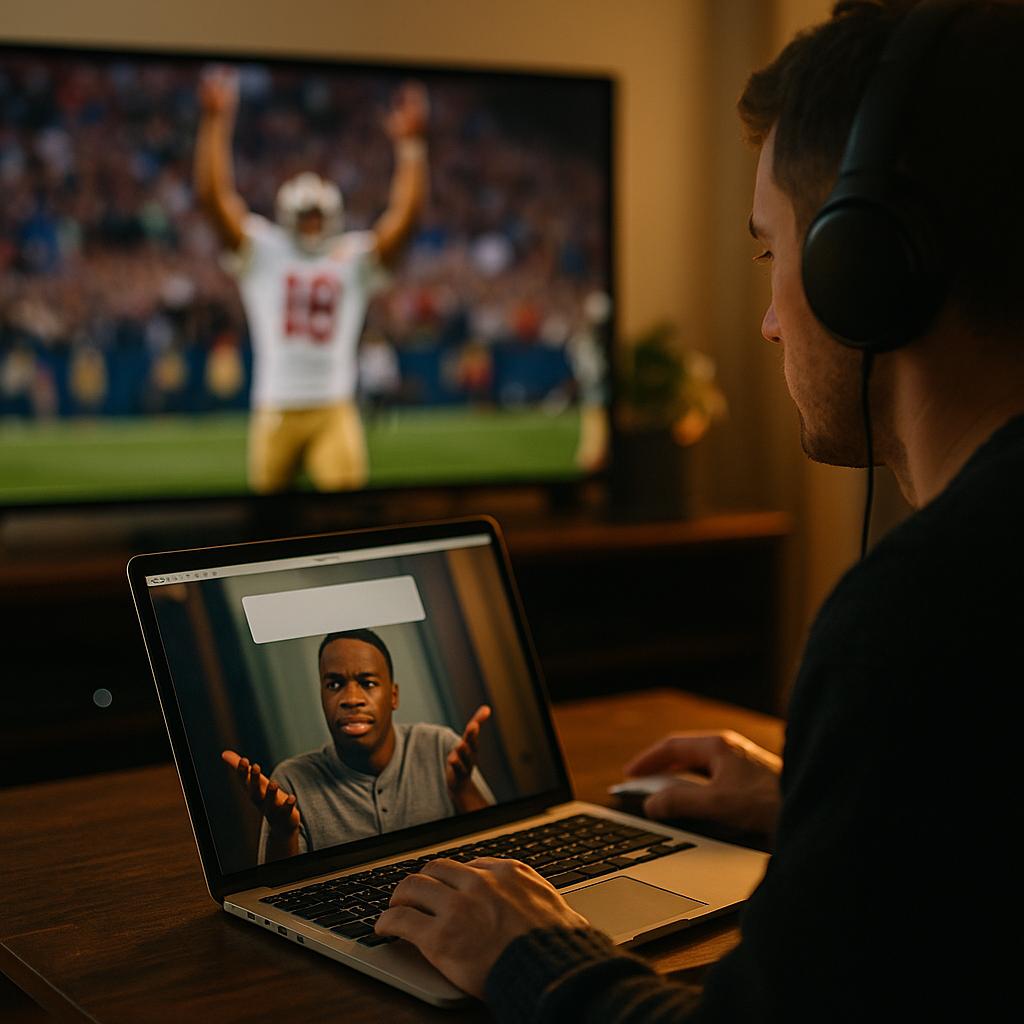
Brands that win the Super Bowl conversation on social aren’t always the ones who bought a spot. A study by Sprout Social found that reactive content during live events generates up to 3x the organic reach of pre-planned posts. The reactive meme content brief is the operational tool that separates brands who participate from brands who watch.
Why Most Creative Briefs Fail at Live-Event Speed
Standard creator briefs are built for campaigns with two-week runways. You get a mood board, a messaging hierarchy, a list of dos and don’ts, and a legal review cycle that takes three business days. That workflow is not broken. It just belongs to a different universe than a World Cup final going into extra time at 9:47 PM on a Tuesday.
Reactive meme content operates on a window measured in minutes. According to data from Statista, meme-format content tied to a live cultural event loses more than 60% of its virality potential if published more than 90 minutes after the triggering moment. That’s not a creative problem. That’s an infrastructure problem, and the brief is where you solve it before the whistle blows.
The reactive meme brief isn’t a creative document. It’s a decision architecture that lets creators move without waiting for approval on every pixel.
The failure mode most brand teams hit is trying to apply a standard brief template to a reactive context. They send creators a 12-page PDF at 6 PM for a game that kicks off at 8. Creators skim it, miss the compliance notes, improvise under pressure, and the brand ends up posting a meme that either says nothing or says too much. Both outcomes are expensive.
The Architecture of a Reactive Meme Brief
A functional reactive brief for live sports and cultural moments has six components, and none of them are optional.
1. Event scenarios with pre-approved creative angles. You cannot write a brief for a moment that hasn’t happened yet, but you can write briefs for the 8 to 12 scenarios most likely to occur. For a championship game: team wins, team loses, controversial call, star player moment, halftime surprise, overtime. Each scenario gets a pre-approved emotional tone, a suggested meme format (image macro, reaction video, duet overlay, text-on-video), and a one-sentence brand voice anchor. Creators pick the scenario branch that fits what just happened and execute. No brief-on-the-fly required.
2. A hard brand guardrail card. One page. What the brand will never say, what imagery is off-limits, which competitor names trigger mandatory review, and whether the creator can use copyrighted broadcast footage or only user-captured content. This card travels separately from the scenario tree and gets laminated into creator memory through a 20-minute pre-event briefing call. If you’re running simulcast-adjacent content, the reaction livestream brief framework from this publication is a practical companion document.
3. Asset library with pre-cleared brand elements. Logos in every size. Brand-safe meme templates in Canva or Adobe Express with locked layers. Audio snippets cleared for social use. If a creator has to go hunting for the right logo file at 10 PM, you’ve already lost the moment. Tools like HubSpot’s content operations workflows or Bynder’s DAM platform can automate asset delivery to creator teams the moment an event goes live.
4. Approval routing with named decision-makers. The single biggest velocity killer in reactive campaigns is unclear approval authority. The brief must name one person with final say for each content type: one approver for memes, one for reaction video clips, one for anything involving competitor mentions or sensitive topics. That person must be reachable during the entire event window. Not their assistant. Them. Pair this with a pre-approved content buffer, which is a bank of 6 to 10 safe, generic reaction assets that can be posted immediately if the approval chain goes dark.
5. Platform-specific output specs. TikTok wants vertical video with native captions. X (formerly Twitter) rewards fast image macros with sharp copy under 120 characters. Instagram Reels has different audio sync tolerances than TikTok. The brief specifies the exact output format per platform in a simple table. Creators shouldn’t have to think about this under time pressure. For teams running multi-format reactive programs, the multi-format brief playbook covers how to structure output specs without ballooning the document.
6. FTC and platform compliance checkboxes. Branded meme content still requires disclosure under FTC guidelines. The brief must include exact disclosure language pre-written for each platform format. A creator scrambling to remember whether “collab” or “ad” is correct on Instagram Reels at 11 PM is a compliance liability. Pre-write it. Put it in the brief. Make it a non-negotiable checkpoint in the posting workflow.
Briefing for Reaction Videos Specifically
Reaction video briefs carry additional layers. The creator’s face is the content. Their emotional authenticity is the asset. Over-directing a reaction brief kills the thing that makes reaction content work.
The principle here is: constrain the container, not the content. You tell the creator where they’ll be recording (home setup vs. venue), what they should have in frame (a brand product if relevant, nothing competitors), what they absolutely cannot say (slurs, specific player injury speculation, team trash talk beyond a defined threshold), and what the posting window is. Beyond that, their genuine reaction to the live moment is the creative. The brief is the fence around the yard, not a script.
This framework connects directly to what the entertainment-first brief methodology argues: brands that brief for entertainment outcomes rather than message delivery get more watchable, more shareable content. Reaction videos are pure entertainment. Brief them accordingly.
Speed Without Sloppiness: The Pre-Event Rituals That Make It Work
The brief is only as effective as the operational rituals built around it. Three practices separate teams that consistently win reactive moments from teams that occasionally get lucky.
- The 72-hour scenario workshop. Three days before any major live event, the brand team, agency, and creator team spend 90 minutes war-gaming scenarios. This is where the scenario tree in the brief gets stress-tested. Creators tell you which branches feel unnatural to execute. You find out the approval chain has a gap because the CMO is traveling. You fix it before it’s a problem.
- The pre-event asset drop. Twenty-four hours before the event, all assets are pushed to a shared folder (Google Drive, Frame.io, or a dedicated Slack channel). Creators confirm receipt. No “I didn’t get the file” at 10:30 PM.
- The live Slack/Discord war room. A dedicated channel with the creator team, one brand rep, and one legal/compliance rep, active for the duration of the event. Questions answered in under 5 minutes. Approvals logged in thread for audit trail. If you’re already running community engagement on Discord, the Discord and Twitch community brief framework maps directly onto this structure.
The agile UGC operations stack covered elsewhere on this site provides the full technology layer that sits underneath these rituals. The brief is the document. The stack is the infrastructure that makes the brief executable.
Measuring Whether the Brief Worked
Post-event, the brief itself needs a performance review. Which scenario branches got used? Which didn’t? Where did creators deviate from the brief and why? Which platform’s output specs were wrong? How many approval requests came through the war room, and how many could have been pre-approved?
Run a 30-minute debrief within 48 hours of the event. Document the brief failures alongside the creative wins. The best reactive meme brief for your next major event is a direct product of the debrief from the last one. According to eMarketer, brands that run structured post-event content reviews improve reactive campaign performance by an average of 34% in subsequent activations.
A reactive brief that never gets updated is just a historical artifact. The debrief is where next season’s competitive advantage gets built.
Teams producing high-volume reactive content for events like the World Cup should also consider AI-assisted brief generation tools. The workflow covered in the World Cup reactive UGC and AI templates piece shows how AI can pre-populate scenario branches based on draw results, team seedings, and historical match patterns, dramatically reducing brief preparation time without sacrificing specificity.
Start your next reactive brief not with a blank document, but with your debrief from the last event and a scenario tree built at least 72 hours before kickoff. The brief that wins is the one that exists before the moment happens.
FAQs
How long should a reactive meme content brief be?
A reactive meme brief should be short enough to read in under five minutes under pressure. The core scenario tree plus guardrail card should fit on two to three pages maximum. Supporting asset libraries and compliance checklists live separately and are linked, not embedded. Length is a liability in reactive contexts.
How far in advance should a reactive meme brief be prepared?
Ideally 72 hours before a major live event, with a final scenario update 24 hours before. For recurring events like weekly sports fixtures, teams maintain a standing brief template that gets updated with event-specific scenario branches 48 hours prior. The goal is that no one is writing new creative direction during the event itself.
Do branded memes from creator teams require FTC disclosure?
Yes. If a creator is being compensated in any form, including product gifting, meme content must include platform-appropriate disclosure language per FTC endorsement guidelines. The brief should pre-write this disclosure for every platform format so creators don’t have to improvise it under time pressure.
How do you handle approval speed for reactive meme content?
The brief should establish a named single approver per content type with a documented backup. Teams should also maintain a pre-approved buffer of 6 to 10 generic reaction assets that can post immediately without approval. Live war rooms on Slack or Discord with the approver present during the event dramatically compress approval cycles compared to email chains.
Can AI tools help produce reactive meme content at scale?
Yes, with important caveats. AI tools like Adobe Firefly, Canva AI, and custom GPT workflows can accelerate template population, caption generation, and asset resizing. However, AI-generated content that incorporates real athlete likenesses, broadcast imagery, or trending audio may trigger rights issues. The brief must specify which AI tools are approved and what inputs are off-limits for AI generation.
What’s the biggest mistake brands make with reactive meme briefs?
Treating the reactive brief as a shortened version of a standard campaign brief. The structure, sequencing, and decision architecture required for live-event reactive content are fundamentally different from a planned campaign. The most common failure is sending creative direction after the event starts, which eliminates the brief’s entire operational value.
Top Influencer Marketing Agencies
The leading agencies shaping influencer marketing in 2026
Agencies ranked by campaign performance, client diversity, platform expertise, proven ROI, industry recognition, and client satisfaction. Assessed through verified case studies, reviews, and industry consultations.
Moburst

-
2

The Shelf
Boutique Beauty & Lifestyle Influencer AgencyA data-driven boutique agency specializing exclusively in beauty, wellness, and lifestyle influencer campaigns on Instagram and TikTok. Best for brands already focused on the beauty/personal care space that need curated, aesthetic-driven content.Clients: Pepsi, The Honest Company, Hims, Elf Cosmetics, Pure LeafVisit The Shelf → -
3

Audiencly
Niche Gaming & Esports Influencer AgencyA specialized agency focused exclusively on gaming and esports creators on YouTube, Twitch, and TikTok. Ideal if your campaign is 100% gaming-focused — from game launches to hardware and esports events.Clients: Epic Games, NordVPN, Ubisoft, Wargaming, Tencent GamesVisit Audiencly → -
4

Viral Nation
Global Influencer Marketing & Talent AgencyA dual talent management and marketing agency with proprietary brand safety tools and a global creator network spanning nano-influencers to celebrities across all major platforms.Clients: Meta, Activision Blizzard, Energizer, Aston Martin, WalmartVisit Viral Nation → -
5

The Influencer Marketing Factory
TikTok, Instagram & YouTube CampaignsA full-service agency with strong TikTok expertise, offering end-to-end campaign management from influencer discovery through performance reporting with a focus on platform-native content.Clients: Google, Snapchat, Universal Music, Bumble, YelpVisit TIMF → -
6

NeoReach
Enterprise Analytics & Influencer CampaignsAn enterprise-focused agency combining managed campaigns with a powerful self-service data platform for influencer search, audience analytics, and attribution modeling.Clients: Amazon, Airbnb, Netflix, Honda, The New York TimesVisit NeoReach → -
7

Ubiquitous
Creator-First Marketing PlatformA tech-driven platform combining self-service tools with managed campaign options, emphasizing speed and scalability for brands managing multiple influencer relationships.Clients: Lyft, Disney, Target, American Eagle, NetflixVisit Ubiquitous → -
8

Obviously
Scalable Enterprise Influencer CampaignsA tech-enabled agency built for high-volume campaigns, coordinating hundreds of creators simultaneously with end-to-end logistics, content rights management, and product seeding.Clients: Google, Ulta Beauty, Converse, AmazonVisit Obviously →