


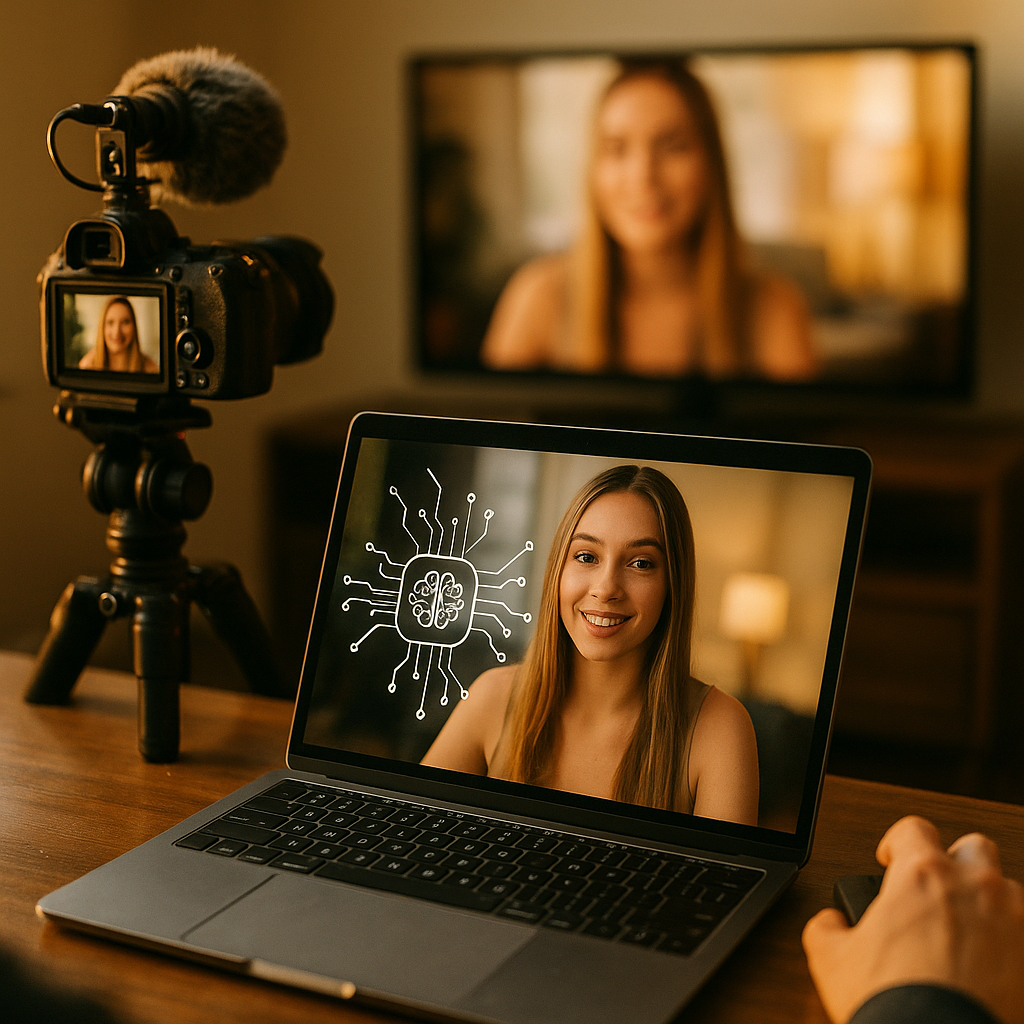
Sixty-eight percent of media buyers say creative inconsistency between influencer content and paid media is their top campaign execution headache. What if the creator post and the TV spot ran in synchronized lockstep, optimized by the same AI buying logic? That’s exactly what AI-powered programmatic creator content distribution makes possible — and leading brands are already operationalizing it.
Why the Creative Silo Is a Budget Leak
For years, influencer marketing and programmatic media buying lived in separate departments with separate toolsets, separate KPIs, and separate agency relationships. The influencer team cut a deal, the content went live on social, and the paid media team ran their own parallel creative through DV360 or The Trade Desk. The result: brand messages that contradicted each other in tone, timing, and audience targeting — sometimes running against the same viewer within minutes.
That disconnect has a real cost. When a creator’s authentic product story doesn’t match the polished 30-second spot a consumer sees during a streaming break, message recall drops. Nielsen data has consistently shown that creative consistency across touchpoints lifts purchase intent. The brands wasting budget aren’t necessarily buying the wrong placements. They’re running the wrong creative coordination strategy.
The fix isn’t a process change. It’s an infrastructure change.
How Programmatic Creator Distribution Actually Works
The core mechanic is straightforward, even if the execution is not. Creator-originated assets — short-form videos, static posts, voiceover clips — are ingested into a dynamic creative optimization (DCO) layer sitting inside or alongside a demand-side platform (DSP). That layer treats influencer content as just another creative format, subject to the same bid logic, audience segmentation, frequency capping, and real-time performance signals as any standard display or video unit.
Platforms like TikTok’s advertising suite already do a version of this natively with Spark Ads and their programmatic API. But the more sophisticated play is cross-platform: using a DSP to serve creator video as pre-roll on connected TV (CTV), display on open web, and mid-roll on streaming — simultaneously with a brand’s traditional TV buy — without manual trafficking for each placement.
The AI component handles three functions that would otherwise require a full trafficking team:
- Asset classification: AI tags creator content by product mention, sentiment, audience fit, and compliance flags before it ever enters the buying queue.
- Real-time bid adjustment: Bidding logic prioritizes creator assets when audience segments show higher affinity for social proof signals versus brand authority messaging.
- Sequencing logic: The system ensures a viewer who just saw a TV spot gets served a creator endorsement next, not a repeat of the same brand asset.
When creator content is treated as a first-class creative asset inside a DSP — not an afterthought appended after the TV buy is locked — brands report 20–35% improvements in sequential message recall, according to early pilot data from mid-market programmatic teams.
The Real-Time TV Sync Problem (and How AI Solves It)
Syncing creator content with live linear TV is the hardest part. ACR (automatic content recognition) technology, embedded in smart TV operating systems from manufacturers like Samsung and LG, can detect when a specific brand spot has aired. That signal can then trigger a retargeting window in a connected DSP, serving a complementary creator asset to that same household across OTT, mobile, or display within minutes.
Companies like Alphonso (now part of LG Ads Solutions) and iSpot.tv have been building ACR infrastructure for exactly this use case. The programmatic layer listens for the TV creative fingerprint, fires the audience match, and lets the AI buying logic decide which creator asset serves that specific viewer segment. No manual trafficking. No 48-hour delay. The creator’s voice extends the TV moment in near real time.
For brands running heavy upfront commitments — automotive, CPG, QSR — this creates a compounding reach and frequency strategy that neither channel could build alone. The TV spot earns attention. The creator follow-up earns trust.
What Your Tech Stack Needs to Support This
Let’s be direct: most brand marketing stacks aren’t ready for this out of the box. Here’s what the infrastructure checklist looks like.
- A rights-cleared creator asset library: Creator content can’t enter a programmatic stack without verified usage rights for paid amplification across specific channels and durations. This is a contract problem before it’s a tech problem. Your influencer contract clauses need to explicitly cover programmatic distribution rights.
- DCO-compatible asset formats: Creator content is typically shot in 9:16. Your DCO layer needs to auto-adapt aspect ratios for CTV (16:9), display (various), and mid-roll formats without degrading quality or cutting off critical visual information.
- A DSP with custom creative API access: The Trade Desk, DV360, and Amazon DSP all support third-party creative APIs. Without API access, creator assets get manually trafficked — which defeats the real-time distribution premise entirely.
- First-party audience data integration: AI-driven bid logic is only as smart as the audience signals it’s optimizing against. Connecting your CRM or CDP to the DSP’s audience segments ensures creator content reaches the right viewers, not just the cheapest inventory.
- Attribution that spans both channels: Standard last-touch models collapse when you’re attributing across linear TV, CTV, and social creator touchpoints. Building an attribution pipeline that handles multi-touch, cross-device signals is non-negotiable for proving ROI.
For brands scaling this across multiple creator partners, standardizing creative specs across the full asset mix — brand and creator alike — is the operational unlock that makes the whole system work efficiently.
Compliance Is the Hidden Bottleneck
Here’s where a lot of brands get tripped up. Creator content that works organically on Instagram carries specific FTC disclosure requirements when it’s amplified programmatically as paid media. The FTC’s endorsement guidelines require clear and conspicuous disclosure regardless of the distribution channel. When a creator’s post becomes a pre-roll ad on CTV, that “paid partnership” label needs to travel with the asset.
AI-assisted content governance tools can automate this check at ingestion. Before any asset enters the programmatic queue, the system verifies disclosure presence, flags missing elements, and routes non-compliant assets back to the influencer team. This isn’t optional risk management — it’s the operational standard required to run creator content at scale across paid inventory. An AI content governance framework built into the distribution workflow prevents a single compliant creator post from becoming a compliance liability the moment it’s amplified.
Who’s Already Running This Playbook
Automotive brands have been among the earliest adopters, specifically because their upfront TV commitments are large enough to justify the ACR infrastructure investment. A major European auto group piloted creator-to-programmatic sequencing during a product launch earlier this year, using TV spot fingerprinting to trigger creator content retargeting on connected TV within a 15-minute window. Reported lift in consideration intent among the retargeted group was 28% above the TV-only control.
QSR brands with high-frequency media plans are also moving fast. The model works particularly well when a brand has a diverse creator roster, because AI segmentation can match creator content by audience demographic, daypart, and platform context — serving a Gen Z creator’s content to streaming viewers in the 18–24 segment while routing a lifestyle creator’s content to the 35–44 CTV household cohort watching the same show.
For brands managing engagement signal attribution across these layered touchpoints, the data payoff is significant. Every served impression generates audience signal data that feeds back into the AI model, improving future creative selection and bid optimization in a reinforcing loop.
The brands winning here aren’t necessarily spending more. They’re using AI distribution logic to make each creator asset work harder across more contexts — turning a single piece of creator content into a multi-touchpoint media asset.
Agencies operating programmatic buying desks are also packaging this as a managed service for mid-market clients who can’t build the infrastructure in-house. If your agency partner isn’t offering creator-to-programmatic integration as a native capability, that’s a gap worth pressing them on.
The broader ecosystem is maturing fast. IAB has been developing standards for creator content within programmatic environments, and DSP platforms are building native creator asset ingestion modules that didn’t exist 18 months ago. This isn’t an emerging experiment — it’s becoming table stakes for brands running significant media budgets alongside active influencer programs.
For performance benchmarking, Sprout Social’s social data infrastructure is increasingly being integrated with DSP audience layers to provide cross-channel signal data — another signal that the creator-to-programmatic workflow is industrializing.
Your Next Move
Audit your current creator contracts for programmatic distribution rights this quarter — most existing agreements are silent on the issue, and retrofitting rights after a campaign launches creates costly delays. Then map which DSP you’re operating and whether its creative API supports third-party asset ingestion. Those two actions alone will surface the specific gaps standing between your current setup and a fully integrated creator distribution stack.
Frequently Asked Questions
What is AI-powered programmatic creator content distribution?
It’s the practice of ingesting creator-originated content (videos, images, audio) into a demand-side platform (DSP) and using AI-driven dynamic creative optimization and bid logic to distribute that content across paid media placements — including CTV, display, and streaming — in real time alongside traditional TV buys.
Do brands need separate rights agreements to use creator content programmatically?
Yes. Creator content used organically on social platforms typically does not include rights for paid programmatic amplification. Brands must secure explicit usage rights covering paid distribution, specific channels, geographic territories, and campaign durations. Existing agreements should be audited and updated to include programmatic distribution clauses before ingesting any creator assets into a DSP.
How does AI sync creator content with live TV spots in real time?
Automatic content recognition (ACR) technology detects when a brand’s TV spot airs on smart TV systems. That signal triggers a retargeting audience in the connected DSP, which then uses AI bid logic to serve a complementary creator asset to that same household across OTT, mobile, or display inventory — typically within minutes of the TV airing.
Which DSPs support creator content ingestion for programmatic distribution?
The Trade Desk, Google’s DV360, and Amazon DSP all support third-party creative API integrations that allow creator assets to enter the programmatic buying queue. TikTok’s advertising platform also offers native programmatic amplification of creator content through Spark Ads and its API for managed accounts.
What attribution model works best for creator-to-programmatic campaigns?
Last-touch attribution models are inadequate for campaigns spanning linear TV, CTV, and social creator placements. A multi-touch attribution model with cross-device identity resolution is required. AI-powered attribution pipelines that ingest signals from multiple platforms and apply data-driven credit allocation provide the most accurate picture of how creator content is contributing to conversion across the full media mix.
How does compliance work when creator content is amplified as paid media?
FTC endorsement guidelines require clear and conspicuous disclosure on paid amplification of creator content, regardless of the distribution channel. When creator posts are served as pre-roll or display ads, the disclosure must accompany the asset. AI content governance tools can automate compliance checks at the asset ingestion stage, flagging non-compliant content before it enters the programmatic queue.
Top Influencer Marketing Agencies
The leading agencies shaping influencer marketing in 2026
Agencies ranked by campaign performance, client diversity, platform expertise, proven ROI, industry recognition, and client satisfaction. Assessed through verified case studies, reviews, and industry consultations.
Moburst

-
2

The Shelf
Boutique Beauty & Lifestyle Influencer AgencyA data-driven boutique agency specializing exclusively in beauty, wellness, and lifestyle influencer campaigns on Instagram and TikTok. Best for brands already focused on the beauty/personal care space that need curated, aesthetic-driven content.Clients: Pepsi, The Honest Company, Hims, Elf Cosmetics, Pure LeafVisit The Shelf → -
3

Audiencly
Niche Gaming & Esports Influencer AgencyA specialized agency focused exclusively on gaming and esports creators on YouTube, Twitch, and TikTok. Ideal if your campaign is 100% gaming-focused — from game launches to hardware and esports events.Clients: Epic Games, NordVPN, Ubisoft, Wargaming, Tencent GamesVisit Audiencly → -
4

Viral Nation
Global Influencer Marketing & Talent AgencyA dual talent management and marketing agency with proprietary brand safety tools and a global creator network spanning nano-influencers to celebrities across all major platforms.Clients: Meta, Activision Blizzard, Energizer, Aston Martin, WalmartVisit Viral Nation → -
5

The Influencer Marketing Factory
TikTok, Instagram & YouTube CampaignsA full-service agency with strong TikTok expertise, offering end-to-end campaign management from influencer discovery through performance reporting with a focus on platform-native content.Clients: Google, Snapchat, Universal Music, Bumble, YelpVisit TIMF → -
6

NeoReach
Enterprise Analytics & Influencer CampaignsAn enterprise-focused agency combining managed campaigns with a powerful self-service data platform for influencer search, audience analytics, and attribution modeling.Clients: Amazon, Airbnb, Netflix, Honda, The New York TimesVisit NeoReach → -
7

Ubiquitous
Creator-First Marketing PlatformA tech-driven platform combining self-service tools with managed campaign options, emphasizing speed and scalability for brands managing multiple influencer relationships.Clients: Lyft, Disney, Target, American Eagle, NetflixVisit Ubiquitous → -
8

Obviously
Scalable Enterprise Influencer CampaignsA tech-enabled agency built for high-volume campaigns, coordinating hundreds of creators simultaneously with end-to-end logistics, content rights management, and product seeding.Clients: Google, Ulta Beauty, Converse, AmazonVisit Obviously →