


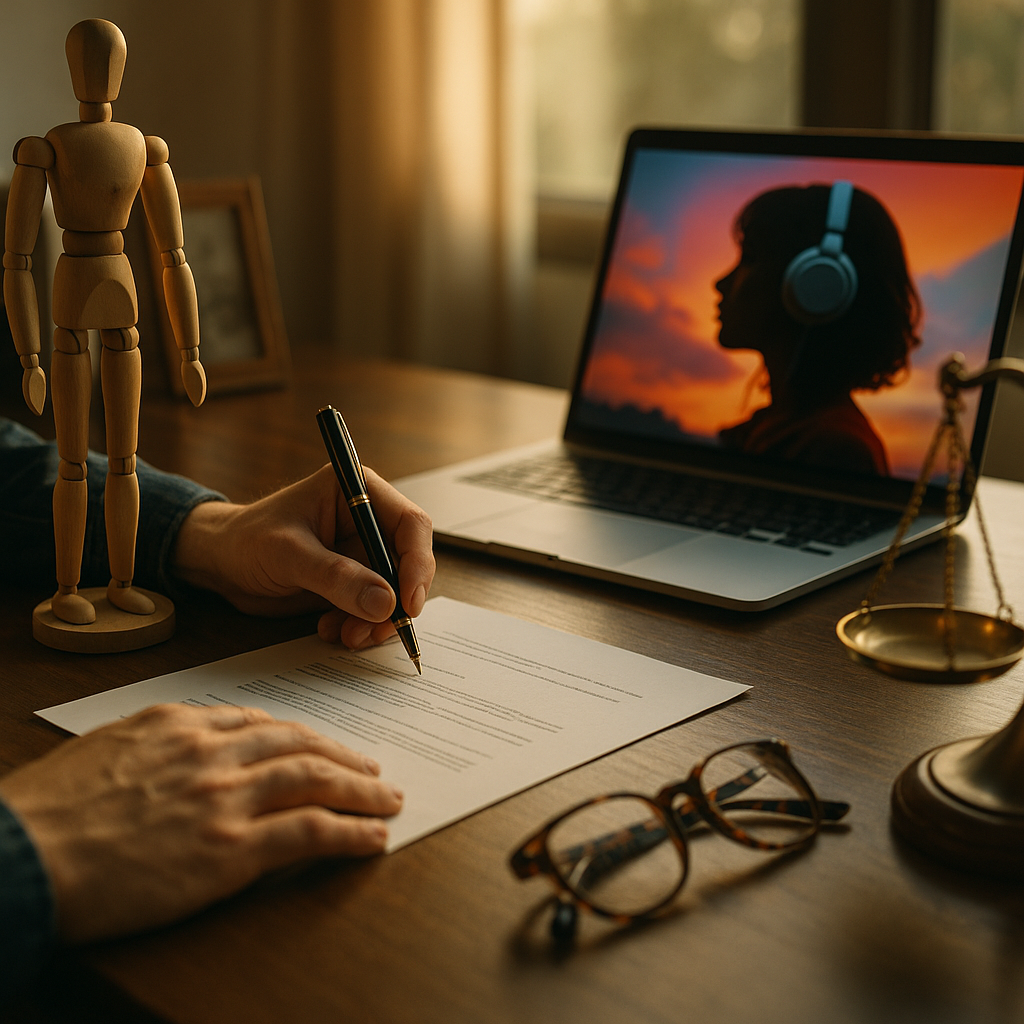
Platform AI remix features are rewriting sponsored content after it goes live, and most brand legal teams have no clause covering it. That is the brand liability gap, and it is quietly exposing marketing departments to FTC violations, IP disputes, and reputational damage they never approved.
The Problem No One Budgeted For
When a creator publishes a sponsored post, the approval chain is well-worn: brief, draft, legal review, compliance sign-off, publish. But that chain stops at publication. What happens after is increasingly outside anyone’s control.
TikTok’s AI-powered remix tools, including Symphony Creative Studio and its auto-dubbing and video stitching features, can algorithmically alter the pacing, voiceover, on-screen text, and even the visual framing of a published video. Instagram’s generative editing suite, built into Reels, can extend backgrounds, replace elements, and apply AI-generated filters that change how a product looks on screen. Neither platform requires brand approval before applying these transformations to content that carries a sponsored label.
The legal exposure here is not theoretical. A product that looks one shade in the approved creative could display differently after an AI color-grade filter is applied. A health claim that was carefully worded to stay within FTC guidelines could be truncated or repositioned by an algorithmic caption rewrite. The brand’s name is still attached. The sponsored disclosure is still there. But the content is no longer what legal approved.
Platform AI tools do not pause for brand approval workflows. Once a post is live, generative features can alter its appearance, audio, and messaging in ways that create FTC disclosure gaps, IP conflicts, and compliance failures the original review never anticipated.
Where the Liability Actually Lives
Start with the platform terms of service, because that is where most brands discover they have already signed away more than they realized. Both Meta’s business terms and TikTok’s advertiser policies grant the platform broad rights to modify, adapt, and distribute content uploaded to their services. Creators who post branded content have typically agreed to these same terms. The brand, however, is almost never a named party in that agreement.
That gap creates a three-way liability problem: the brand approved content it no longer fully controls, the creator technically consented to platform modifications on behalf of work the brand paid for, and the platform bears minimal responsibility because the TOS said so before anyone hit publish.
From a practical standpoint, this means that if a platform’s AI remixes a sponsored post and the result contains a misleading claim, the FTC will look at who benefited commercially from the content, not who technically edited it. That party is usually the brand.
What the FTC Framework Actually Requires
The FTC’s updated guidance on AI-generated and AI-modified content makes clear that material connections must be disclosed regardless of how the content was subsequently altered. If an AI remix moves a “#ad” disclosure out of the visible frame, or if auto-dubbing introduces audio that contradicts the original voiceover, the brand is holding the compliance risk.
For brands managing shoppable and commerce-linked posts, this is especially acute. A remixed Reels video that links to a product page but whose AI-edited visuals no longer accurately represent the product creates both an FTC disclosure problem and a potential consumer protection issue under state law.
Legal teams should review the FTC AI disclosure checklist as a baseline, but they cannot stop there. The checklist addresses what brands disclose. The remix problem is about what happens to that disclosure after the brand has no further editorial control.
Closing the Gap in Creator Contracts
The most immediate lever brands have is contractual. And most current creator agreements simply were not written for this scenario.
A robust AI remix provision should do several things. It should require the creator to opt out of platform-native AI editing features for any sponsored content during the campaign flight period. It should specify that the creator notify the brand within 24 hours if the platform applies any AI modification to a sponsored post that the creator cannot reverse. It should grant the brand the right to request takedown of AI-modified content that no longer reflects approved messaging. And it should clarify which party bears liability if a platform-modified version of the content generates a regulatory complaint.
The specific AI remix clauses brands need in creator contracts are more detailed than a single paragraph, but the principle is simple: if the platform can change it, the contract needs to say who is responsible when it does.
One practical addition that legal teams often overlook: require creators to archive the original approved version of every sponsored post in a format outside the platform. A screenshot is not sufficient. Platforms like Frame.io or a simple cloud storage share with timestamped access logs gives both parties a defensible record of what was approved versus what the AI subsequently modified.
Platform-Specific Risk Profiles
Not all platforms carry equal remix risk. Understanding the operational differences matters for how legal teams prioritize their review cycles.
- TikTok: Symphony’s auto-dubbing feature is the highest-risk tool for regulated categories. Pharmaceutical, financial, and food and beverage brands face the greatest exposure because auto-dubbed audio can introduce unscripted language that was never reviewed. TikTok’s data and content modification transparency remains limited for brands operating at scale.
- Instagram/Meta: Background extension and object removal in Reels are the primary risk vectors. A product placed in an approved setting can be visually relocated by AI into a context that contradicts brand guidelines or introduces demographic targeting implications. For brands operating under EU DSA algorithmic transparency requirements, this also creates a regulatory reporting obligation.
- YouTube: Auto-dubbing and AI thumbnail generation are the key concerns. The platform’s AI content label requirements apply to creator-initiated modifications, but not necessarily to platform-applied ones, which creates a disclosure gap for branded content.
Building an Internal Review Protocol
Contracts address liability after the fact. Protocols prevent the problem from compounding before anyone notices.
Marketing legal teams should establish a post-publication monitoring window, typically 72 hours after a sponsored post goes live, during which a member of the campaign operations team checks whether the platform has applied any AI modifications. This is manual work today, though some brand safety vendors are beginning to build automated flagging for content drift in live posts.
A broader AI governance framework for marketing should codify this monitoring step alongside the campaign approval workflow, not as an afterthought. If a modification is detected, the protocol should define escalation paths: does the creator pull the content, does the brand issue a correction, or does legal contact the platform directly?
The answer depends on the severity of the modification and the regulatory context of the campaign. A cosmetic filter change on a lifestyle post carries different risk than an AI-modified audio track on a financial services creator video.
Post-publication monitoring is not optional for high-stakes campaigns. A 72-hour review window after a sponsored post goes live is the minimum standard legal teams should build into campaign operations, not leave to the creator.
For brands operating across regulated verticals, the agentic AI governance frameworks being adopted at the CMO level are increasingly relevant here. They provide a structural model for assigning AI-related accountability that marketing legal teams can adapt to the specific problem of post-publication platform modifications.
The concrete next step: audit your three most recent influencer campaigns for AI remix exposure. Pull the platform terms of service sections covering content modification, cross-reference them against your current creator contract language, and identify the specific clauses that need to be added before your next campaign brief goes out.
FAQs
Who is legally responsible if a platform’s AI remix changes a sponsored creator post in a way that violates FTC guidelines?
In most cases, the brand bears primary responsibility. The FTC’s framework focuses on who materially benefits from the sponsored content, not who made the final edit. If the AI-modified post still carries a commercial association with the brand, the brand is the liable party, regardless of whether it approved the modification.
Can brands require creators to opt out of platform AI editing features for sponsored content?
Yes, and this is increasingly common in well-drafted influencer agreements. Brands can contractually require creators to disable or opt out of platform-native AI editing tools, such as TikTok’s Symphony auto-dubbing or Instagram’s generative Reels editing, for the duration of a campaign flight. Whether the platform makes opting out technically straightforward is a separate issue, but the contractual obligation can and should be explicit.
Does the EU’s Digital Services Act (DSA) create additional obligations for brands when AI remix features alter sponsored content?
Yes. Under the DSA, brands operating in EU markets may have obligations related to algorithmic transparency and the accuracy of commercial communications. If a platform’s AI significantly alters a sponsored post, and the brand is aware, failing to correct the record or request removal could create regulatory exposure beyond FTC-style guidelines, particularly for very large online platforms subject to DSA audit requirements.
What contract language should brands add to address AI remix liability?
At minimum, creator contracts should include: a clause requiring opt-out from platform AI editing for sponsored posts, a notification obligation if the platform applies an unrequested modification, a brand right to request content removal if AI changes misrepresent approved messaging, and a liability allocation clause specifying which party bears regulatory risk for platform-initiated content changes. Reviewing existing AI remix contract provisions is the recommended starting point for legal teams drafting these additions.
How quickly should brands act if they discover a sponsored post has been AI-remixed by the platform?
The 72-hour window after publication is the critical monitoring period. If a modification is detected, the response timeline depends on severity: a minor visual filter may require documentation only, while an audio or text change that introduces an unreviewed claim should trigger immediate escalation to legal and a takedown or correction request within the same business day.
Top Influencer Marketing Agencies
The leading agencies shaping influencer marketing in 2026
Agencies ranked by campaign performance, client diversity, platform expertise, proven ROI, industry recognition, and client satisfaction. Assessed through verified case studies, reviews, and industry consultations.
Moburst

-
2

The Shelf
Boutique Beauty & Lifestyle Influencer AgencyA data-driven boutique agency specializing exclusively in beauty, wellness, and lifestyle influencer campaigns on Instagram and TikTok. Best for brands already focused on the beauty/personal care space that need curated, aesthetic-driven content.Clients: Pepsi, The Honest Company, Hims, Elf Cosmetics, Pure LeafVisit The Shelf → -
3

Audiencly
Niche Gaming & Esports Influencer AgencyA specialized agency focused exclusively on gaming and esports creators on YouTube, Twitch, and TikTok. Ideal if your campaign is 100% gaming-focused — from game launches to hardware and esports events.Clients: Epic Games, NordVPN, Ubisoft, Wargaming, Tencent GamesVisit Audiencly → -
4

Viral Nation
Global Influencer Marketing & Talent AgencyA dual talent management and marketing agency with proprietary brand safety tools and a global creator network spanning nano-influencers to celebrities across all major platforms.Clients: Meta, Activision Blizzard, Energizer, Aston Martin, WalmartVisit Viral Nation → -
5

The Influencer Marketing Factory
TikTok, Instagram & YouTube CampaignsA full-service agency with strong TikTok expertise, offering end-to-end campaign management from influencer discovery through performance reporting with a focus on platform-native content.Clients: Google, Snapchat, Universal Music, Bumble, YelpVisit TIMF → -
6

NeoReach
Enterprise Analytics & Influencer CampaignsAn enterprise-focused agency combining managed campaigns with a powerful self-service data platform for influencer search, audience analytics, and attribution modeling.Clients: Amazon, Airbnb, Netflix, Honda, The New York TimesVisit NeoReach → -
7

Ubiquitous
Creator-First Marketing PlatformA tech-driven platform combining self-service tools with managed campaign options, emphasizing speed and scalability for brands managing multiple influencer relationships.Clients: Lyft, Disney, Target, American Eagle, NetflixVisit Ubiquitous → -
8

Obviously
Scalable Enterprise Influencer CampaignsA tech-enabled agency built for high-volume campaigns, coordinating hundreds of creators simultaneously with end-to-end logistics, content rights management, and product seeding.Clients: Google, Ulta Beauty, Converse, AmazonVisit Obviously →