


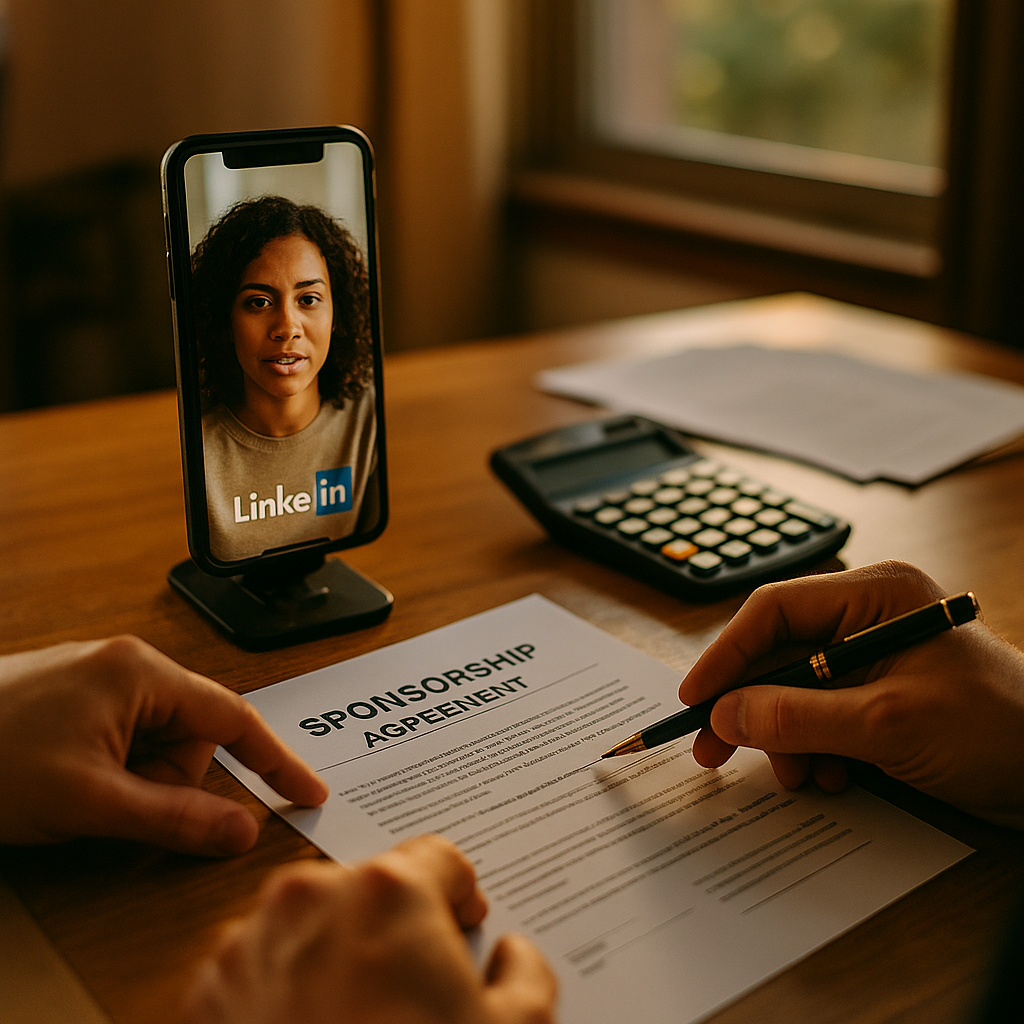
LinkedIn Just Changed the B2B Sponsorship Equation
What happens to your sponsored content rate card when a LinkedIn creator’s best content moves behind a paywall? That’s not a hypothetical. LinkedIn’s rollout of paid creator subscriptions and premium Experiences features is actively restructuring the economics of B2B influencer partnerships, and most brand teams haven’t updated their contracts to reflect it.
For brands running LinkedIn-based influencer programs, the platform shift creates both leverage and liability. Understanding which side of that equation you’re on depends entirely on how quickly you audit your current agreements.
What LinkedIn’s Monetization Features Actually Include
The rollout covers two distinct product layers. First, paid newsletter and content subscriptions, where creators gate premium posts, long-form analysis, and exclusive content behind monthly fees paid directly by their professional audience. Second, Experiences, a feature enabling creators to monetize virtual events, workshops, and cohort-based sessions hosted on or linked from LinkedIn.
These aren’t minor feature updates. They represent LinkedIn’s clearest signal yet that it intends to compete with Substack, Patreon, and Maven for high-value professional creator loyalty. LinkedIn’s business platform has been steadily evolving its creator tools, and subscription monetization is the logical next step after the newsletter and thought leader ad formats that preceded it.
For context: LinkedIn surpassed one billion members, with engagement from senior decision-makers running at rates that dwarf most B2B paid media alternatives. When creators with CFO and CMO audiences can now earn directly from those audiences, the negotiation dynamic with brands changes fundamentally.
A creator who generates $8,000 per month in subscription revenue from 400 paying subscribers no longer needs a brand deal priced at $3,000 to keep publishing. That changes their floor price, their exclusivity appetite, and their willingness to compromise on content control.
How Subscription Tiers Fracture Your Audience Reach
This is the operational problem brand teams need to model before budgeting Q3 and Q4 campaigns. When a creator splits their content output between free and gated tiers, the audience a brand pays to reach through a sponsored post is no longer the same audience seeing that creator’s best, most trusted content.
Consider a creator with 60,000 followers on LinkedIn. Pre-subscriptions, a sponsored post rides the full organic wave of that following. Post-subscriptions, the creator’s high-signal analysis, detailed case studies, and premium newsletters go to 800 paying subscribers. The free feed fills with lighter content. Where does a brand’s sponsored post sit? Almost certainly in the free tier, alongside lower-engagement content.
This isn’t unique to LinkedIn. The same bifurcation happened with Substack creators who kept their most valuable writing paywalled while sponsors got placement in free issues. Smart brands who work with Substack creators have already built tiered placement premiums into their contracts, paying higher rates for co-branded content distributed to paid subscriber lists. LinkedIn partnerships will need the same structural update.
Brands running LinkedIn creator whitelisting strategies should revisit whether their whitelisted posts are drawing from a creator’s full audience signal or only from free-tier followers. The ad targeting implications matter more than most buying teams currently appreciate.
Renegotiating Partnership Structures for a Subscription-Era LinkedIn
Three contract clauses need immediate attention.
Content tier placement guarantees. Specify in writing whether sponsored content will be distributed to free followers only, paid subscribers only, or both. If a creator has 1,200 paying subscribers who are all senior procurement leads and your SaaS brand needs exactly that audience, you should be paying a premium for access to that list, not assuming it comes standard with a generic sponsorship fee.
Subscriber list co-marketing rights. LinkedIn’s Experiences feature opens up co-branded virtual event possibilities. A B2B brand sponsoring a creator’s paid workshop sits in a completely different conversion environment than a static LinkedIn post. That inventory deserves its own line item in your partnership agreement, not a bundled discount.
Exclusivity scoping. Creators earning subscription revenue from a specific professional niche (say, supply chain executives) now have economic reasons to protect that audience relationship more carefully. Category exclusivity clauses that previously cost little to secure now carry real value to the creator, meaning they’ll price them higher. Get ahead of this renegotiation before renewals.
For teams managing B2B creator targeting strategy at scale, these aren’t one-off adjustments. They’re structural changes to how you evaluate creator inventory going forward.
Pricing Benchmarks Are About to Shift
LinkedIn sponsored content has historically been underpriced relative to the audience quality it delivers. A post reaching 40,000 senior marketing professionals on LinkedIn commands less than what a mid-tier Instagram lifestyle creator charges for a Reel reaching a far less commercially qualified audience. That imbalance is correcting.
Subscription monetization accelerates this correction by giving creators a direct signal of what their audience will pay. A creator whose subscribers are paying $15 per month for access to their analysis knows their audience values their expertise. That data point lands on the negotiating table the next time a brand opens a partnership conversation.
According to data tracked by eMarketer, B2B influencer marketing budgets are growing faster than B2C equivalents as a share of total influencer spend. LinkedIn creator monetization will accelerate rate increases that were already underway, particularly for creators in finance, technology, and professional services verticals.
Brands that locked in annual creator retainers before this rollout have a short window to extract value from pre-subscription pricing. New entrants negotiating fresh deals in the next two quarters should model 20-40% rate increases for top-tier LinkedIn creators as a planning assumption, not a worst case.
The Compliance and Disclosure Layer Brands Can’t Skip
Paid subscriptions introduce a compliance wrinkle that deserves attention. When a creator’s sponsored post appears in a paid newsletter distributed to subscribers who’ve paid for exclusive content, the disclosure context changes. Subscribers may reasonably expect that paywalled content is free from commercial influence. The FTC’s endorsement guidelines require clear disclosure regardless of content tier, but brand legal teams should confirm their disclosure language explicitly covers paywalled distribution formats.
This isn’t hypothetical litigation risk. It’s the kind of compliance gap that generates regulatory attention when the format scales. Get your disclosure templates updated before your first paid-subscriber sponsored placement goes live.
If your current influencer contract template was written before LinkedIn had subscription tiers, it doesn’t cover the new distribution reality. That’s not a minor gap — it’s an unpriced risk sitting inside every active LinkedIn creator partnership you have.
Building a LinkedIn Creator Tier Matrix for Your Next Planning Cycle
The practical move for brand strategists right now is to segment your existing LinkedIn creator roster by subscription status and subscriber count, and build a tiered value matrix that accounts for three distinct audience pools: free followers, paid subscribers, and Experiences attendees.
Each pool carries different engagement expectations, different compliance requirements, and different rate justifications. Running them through the same CPM or flat-fee model you used before subscriptions launched will leave you either overpaying for free-tier reach or underpaying for premium-subscriber access.
Brands managing roster concentration risk across platforms should treat this as part of a broader creator roster diversification review, not a LinkedIn-specific fix. The same subscription economics emerging on LinkedIn will eventually structure creator monetization on other professional and interest-based platforms.
Tools like Sprout Social and HubSpot are building LinkedIn analytics integrations, but neither currently surfaces creator subscriber tier data in a format that feeds directly into influencer pricing models. For now, direct creator disclosure and manual contract terms are your primary mechanisms. That will change as third-party measurement vendors adapt, but planning cycles starting now can’t wait for the tool ecosystem to catch up.
Start by auditing every active LinkedIn creator agreement for tier placement language. If it doesn’t exist, add it at next renewal. Then model your budget scenarios with explicit assumptions about what percentage of a creator’s output will remain in the free tier versus behind their subscription paywall as their subscriber base grows.
FAQ
Frequently Asked Questions
How do LinkedIn creator subscriptions affect the cost of sponsored content deals?
Creators with established paid subscriber bases have direct evidence of their audience’s commercial value, which strengthens their negotiating position. Brands should expect rate increases of 20-40% for top-tier LinkedIn creators as subscription revenue becomes a meaningful income stream and creators become more selective about commercial partnerships.
Can brands pay to have sponsored content included in a creator’s paid subscriber newsletter?
Yes, but this must be negotiated explicitly in the partnership agreement. Paid-subscriber placement is a distinct and more valuable inventory type than free-feed sponsored posts, and it should be priced and disclosed separately. Both parties need clarity on which audience tier receives the sponsored content before the contract is signed.
Does FTC disclosure apply to sponsored posts inside LinkedIn paid subscriber newsletters?
Yes. FTC endorsement guidelines require clear and conspicuous disclosure of material connections regardless of whether the content appears in a free or paid distribution channel. Brands should ensure their standard disclosure language explicitly covers paywalled newsletter and subscription formats on LinkedIn.
How does LinkedIn’s Experiences feature create new sponsorship inventory for brands?
LinkedIn Experiences allows creators to monetize virtual events, workshops, and cohort sessions. Brands can negotiate co-sponsorship of these events, gaining access to highly engaged professional audiences in an active learning context. This inventory type warrants separate contract treatment and typically commands higher CPE (cost per engagement) than standard post sponsorships.
Should brands update their existing LinkedIn creator contracts now or wait until renewal?
Brands should audit existing agreements immediately for tier placement language and disclosure coverage, then prioritize adding subscription-specific clauses at the earliest renegotiation opportunity. For high-value or high-volume LinkedIn creators, proactively renegotiating before renewal protects against rate shock and closes compliance gaps that currently exist in most pre-subscription-era contract templates.
Top Influencer Marketing Agencies
The leading agencies shaping influencer marketing in 2026
Agencies ranked by campaign performance, client diversity, platform expertise, proven ROI, industry recognition, and client satisfaction. Assessed through verified case studies, reviews, and industry consultations.
Moburst

-
2

The Shelf
Boutique Beauty & Lifestyle Influencer AgencyA data-driven boutique agency specializing exclusively in beauty, wellness, and lifestyle influencer campaigns on Instagram and TikTok. Best for brands already focused on the beauty/personal care space that need curated, aesthetic-driven content.Clients: Pepsi, The Honest Company, Hims, Elf Cosmetics, Pure LeafVisit The Shelf → -
3

Audiencly
Niche Gaming & Esports Influencer AgencyA specialized agency focused exclusively on gaming and esports creators on YouTube, Twitch, and TikTok. Ideal if your campaign is 100% gaming-focused — from game launches to hardware and esports events.Clients: Epic Games, NordVPN, Ubisoft, Wargaming, Tencent GamesVisit Audiencly → -
4

Viral Nation
Global Influencer Marketing & Talent AgencyA dual talent management and marketing agency with proprietary brand safety tools and a global creator network spanning nano-influencers to celebrities across all major platforms.Clients: Meta, Activision Blizzard, Energizer, Aston Martin, WalmartVisit Viral Nation → -
5

The Influencer Marketing Factory
TikTok, Instagram & YouTube CampaignsA full-service agency with strong TikTok expertise, offering end-to-end campaign management from influencer discovery through performance reporting with a focus on platform-native content.Clients: Google, Snapchat, Universal Music, Bumble, YelpVisit TIMF → -
6

NeoReach
Enterprise Analytics & Influencer CampaignsAn enterprise-focused agency combining managed campaigns with a powerful self-service data platform for influencer search, audience analytics, and attribution modeling.Clients: Amazon, Airbnb, Netflix, Honda, The New York TimesVisit NeoReach → -
7

Ubiquitous
Creator-First Marketing PlatformA tech-driven platform combining self-service tools with managed campaign options, emphasizing speed and scalability for brands managing multiple influencer relationships.Clients: Lyft, Disney, Target, American Eagle, NetflixVisit Ubiquitous → -
8

Obviously
Scalable Enterprise Influencer CampaignsA tech-enabled agency built for high-volume campaigns, coordinating hundreds of creators simultaneously with end-to-end logistics, content rights management, and product seeding.Clients: Google, Ulta Beauty, Converse, AmazonVisit Obviously →