


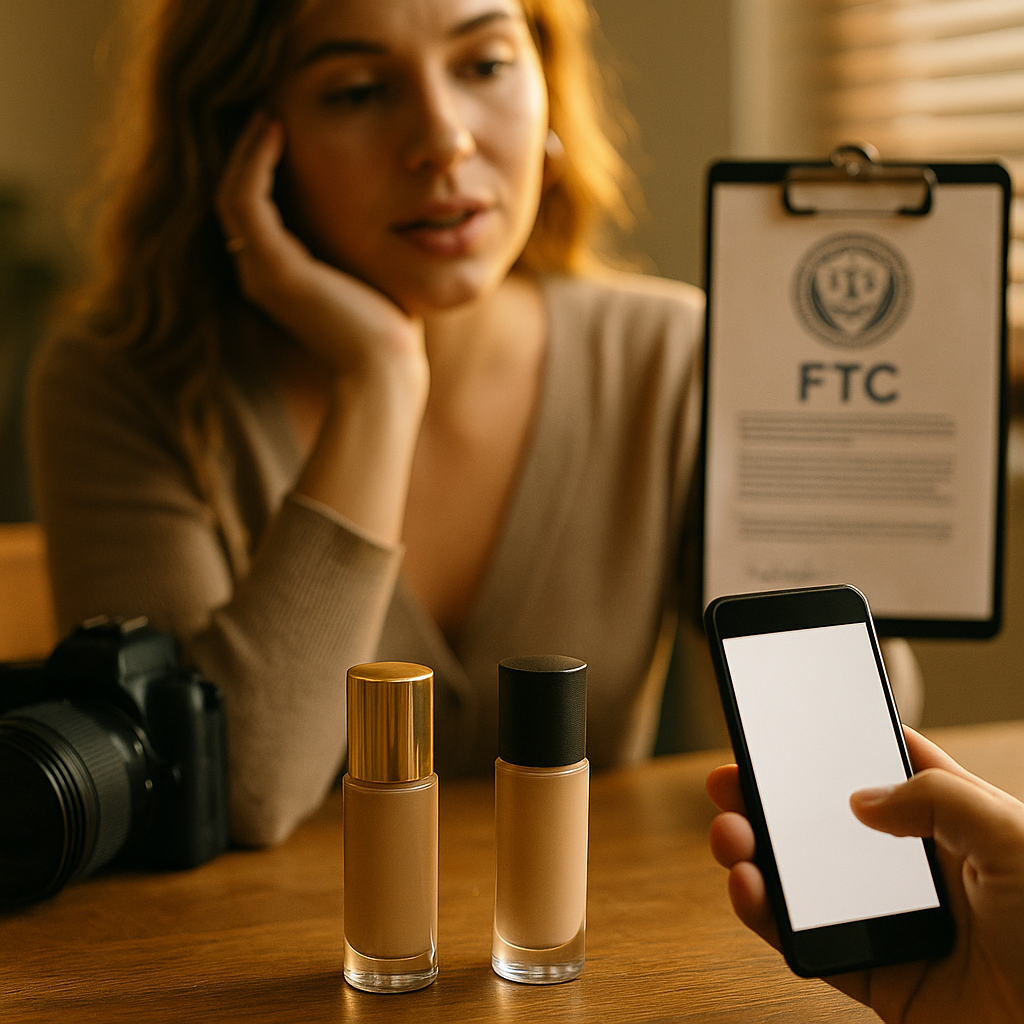
Sixty-two percent of Gen Z shoppers actively search for dupes before buying a premium product. If your brand isn’t structuring creator partnerships around that behavior, a competitor already is.
The Dupe Economy Is Not Going Away
The dupe conversation exploded on TikTok and it has not cooled. Searches for “dupe” on TikTok Shop have grown faster than almost any other shopping-intent query, and the consumer psychology driving it is durable: people want to feel smart about their spending. In saturated categories like skincare, fashion basics, home goods, and supplements, the dupe-fluencer is not a threat to manage. She is a signal to interpret.
The strategic question is not whether creators in your category will recommend alternatives to your products. They will. The question is whether your brand has a contractual and creative framework that turns that behavior into a trust asset rather than a liability.
Brands that build transparency-first agreements with dupe-adjacent creators don’t lose sales. They earn category authority. Consumers remember who taught them how to shop, not just what to buy.
Why Standard Exclusivity Clauses Are the Wrong Tool Here
Most influencer contracts default to some form of competitive exclusivity. In a dupe context, that instinct backfires. A creator who genuinely covers the affordable-versus-premium spectrum loses credibility the moment she goes silent on alternatives. Her audience notices. The sponsored content starts to feel like a sell-out rather than a recommendation.
Blanket exclusivity also creates legal exposure. The FTC’s endorsement guidelines require disclosure of material connections, and courts have increasingly scrutinized language that implies independent recommendation when it doesn’t exist. If a creator’s contract restricts her from mentioning competitors while she presents herself as an objective voice, that’s a compliance problem, not just a PR one.
There’s also a commercial logic problem. If your brand occupies the premium position in a category, the relevant audience already knows cheaper alternatives exist. The creator isn’t revealing a secret. She’s performing honesty. Trying to suppress that performance reads as insecurity. For creator compliance strategy, the right architecture looks nothing like a standard exclusivity clause.
What a Transparency-First Agreement Actually Contains
A transparency-first dupe-fluencer agreement has five structural elements that standard contracts omit.
- Defined comparison parameters. The agreement specifies which product attributes the creator may compare (price, texture, packaging, scent profile) and which are off-limits without brand input (safety claims, clinical trial data, regulatory certifications). This is not suppression. It is scope management. You are not stopping her from saying “this $12 serum feels similar to the $80 version.” You are stopping her from saying “this $12 serum is clinically equivalent.”
- Clear hierarchy of mention. The contract should specify a “featured brand” position for your product. The creator discloses the partnership, leads with your product’s value proposition, and may then reference alternatives as part of her broader editorial. The sequencing matters. First impression architecture shapes perception even when alternatives are named.
- Mutual approval on comparison framing. Any specific comparative language about your product (not the alternative) goes through brand review. This is standard. What’s non-standard is including a turnaround SLA, typically 48 hours, so the creator isn’t held in a production limbo that incentivizes her to soften the comparison rather than wait for approval.
- FTC-compliant disclosure language baked in. Do not leave disclosure language to the creator’s discretion. Provide it. Something like: “This video is sponsored by [Brand]. I also mention products I use independently; those mentions are not paid.” That sentence does the compliance work and actually increases trust. Audiences respond well to a creator who acknowledges the complexity of her sponsorship relationships.
- Performance metrics that reflect trust signals, not just conversions. If you measure a dupe-fluencer partnership purely on direct attributable sales, you will underfund it. The right KPIs include sentiment analysis on brand mentions in comments, share-of-voice on branded versus generic category searches, and repeat audience engagement across posts. These are lagging indicators of the category authority your brand is building.
The Risk of Getting This Wrong
Consider what happened to several prestige skincare brands during the retinol dupe cycle on TikTok. Their response was to brief creators heavily on differentiated clinical claims and avoid any mention of dupes in partnership content. The result: creators quietly dropped those partnerships for ones with less creative friction. The brands lost the conversation entirely to creator-native content that positioned them as the overpriced option.
Contrast that with brands that leaned into the comparison frame. When a creator says “Yes, I use both. Here’s when I reach for the $80 one and here’s when I don’t,” the premium product gets contextualized as a considered choice rather than a status purchase. That reframe is worth more than a product launch announcement. For brands operating in shifting creator economy conditions, this kind of editorial positioning is increasingly how category leaders are built.
Structuring the Creator Roster for This Strategy
Not every creator belongs in a dupe-fluencer partnership. The profile that works is a creator with genuine budget-consciousness as part of her established editorial identity. Not a creator who can be briefed to play that role. Audiences can tell the difference between someone who has always been a value hunter and someone who picked it up for a campaign.
Practically, this means your creator discovery process needs to filter for creators who have organically mentioned dupes or alternatives in their back catalog, ideally including alternatives to your own products. That’s not a red flag. That’s the qualification. For brands rebuilding their roster and platform strategy, this represents a meaningful shift in how you score creator fit.
Micro and mid-tier creators (50K to 500K) tend to outperform mega-influencers in this format. Their audiences are smaller and more trust-dependent. A recommendation from someone with 80,000 followers who has covered dupes organically for two years carries more behavioral weight than a major creator who clearly moved into the space for brand deals.
Also worth noting: niche creator rate compression in categories like beauty and home goods has made this tier more accessible than it was. You can build a diversified roster of authentic dupe-adjacent creators without the budget you’d need for top-tier talent.
The creator who has already recommended a cheaper version of your product to her audience is not your problem. She is your most credible distribution channel. The question is whether your agreement structure can hold that relationship.
Protecting Core Sales Lines Without Sabotaging the Partnership
The genuine tension in this strategy is protecting SKUs that carry significant margin contribution. If a creator partnership directly reduces conversion on a flagship product, the math doesn’t work regardless of trust-building value.
The solution is product segmentation, not content restriction. Position your entry-level or accessible SKUs explicitly within the dupe-fluencer framework. Brief the creator on those products as the comparison anchor. Your premium lines then occupy a different creative brief, carried by different creators, with different distribution. The two creator tiers do not overlap in briefing or in channel targeting.
This segmentation also gives you clean attribution. You can measure whether the dupe-adjacent creator tier is driving trial and awareness for accessible SKUs while your premium partnerships drive consideration and conversion at full price. Social listening tools like Sprout Social, Brandwatch, or Talkwalker can track whether sentiment around your brand is shifting in the “smart choice” direction, which is the goal.
Brands managing upfront creator payment structures should also consider whether a retainer model works better here than a per-post fee. A dupe-fluencer creator is providing ongoing category authority, not a single conversion event. Retainer relationships allow for consistent editorial integration rather than episodic sponsored posts, which sit awkwardly in a content format built on authenticity.
Measuring What Actually Matters
The last mistake brands make is applying standard performance marketing metrics to a strategy designed for trust-building. eMarketer data consistently shows that influencer content driving brand trust and consideration has a longer revenue latency than direct-response formats. If you evaluate a dupe-fluencer partnership at 30 days post-campaign, you will undervalue it. Evaluate at 90 days minimum, including branded search volume trends and category share-of-voice on social.
Also monitor comment sentiment specifically on comparative content. When a creator says “I prefer the premium version for X reason,” what is the audience response? Are they asking follow-up questions about your product? Are they tagging friends? That engagement pattern is qualitative proof of consideration that no UTM link captures. CRM integration can help you connect those qualitative signals back to downstream purchase behavior if your email capture and first-party data infrastructure is set up to track creator-sourced acquisition properly.
Build the dupe-fluencer partnership review into your quarterly creator program audit, not your monthly performance dashboard. This is brand infrastructure, not a campaign. Treat it accordingly.
Your immediate next step: Pull your category’s top 20 dupe-adjacent creators from TikTok and YouTube, filter for those who have organically mentioned your brand (positively or comparatively), and draft a transparency-first brief that leads with your accessible SKU positioning. That brief is the foundation of your entire roster architecture for this strategy.
Frequently Asked Questions
What is a dupe-fluencer partnership?
A dupe-fluencer partnership is a paid creator agreement where the brand explicitly allows or structures the creator’s content to include comparisons between the brand’s products and lower-cost alternatives. Rather than suppressing the comparison, the brand uses it as a trust-building mechanism, positioning its products within a considered-purchase framework that resonates with value-conscious audiences.
Does mentioning dupes in sponsored content violate FTC disclosure rules?
Not if structured correctly. The FTC requires disclosure of any material connection between a creator and a brand. As long as the creator clearly discloses the paid partnership and the contract distinguishes which mentions are sponsored versus independent editorial, mentioning alternatives is legally permissible and can actually strengthen credibility with audiences. Brands should provide standardized disclosure language in the contract rather than leaving it to creator interpretation.
How do I prevent a dupe-fluencer creator from damaging my premium product lines?
Product segmentation is the most effective protection. Brief dupe-adjacent creators specifically on accessible or entry-level SKUs, keeping premium product partnerships in a separate creator tier with different briefing, creative parameters, and audience targeting. Contractual comparison parameters (limiting creators to texture, price, and experience comparisons while restricting clinical or efficacy claims) also protect brand equity without removing creator authenticity.
What metrics should I use to evaluate a dupe-fluencer campaign?
Standard conversion metrics undervalue this format. Evaluate at 90-day intervals using branded search volume growth, share-of-voice in category conversations on social, comment sentiment on comparative content, and repeat audience engagement across posts. First-party CRM data tied to creator-sourced acquisition can connect trust-building signals to downstream purchase behavior over time.
Which creator tier performs best for dupe-fluencer partnerships?
Micro and mid-tier creators in the 50,000 to 500,000 follower range consistently outperform mega-influencers in this format because their audiences are smaller, more trust-dependent, and more likely to act on editorial-style recommendations. The key qualification is an existing organic history of dupe or alternative content in the creator’s back catalog, which signals authentic alignment rather than a campaign-briefed persona.
Top Influencer Marketing Agencies
The leading agencies shaping influencer marketing in 2026
Agencies ranked by campaign performance, client diversity, platform expertise, proven ROI, industry recognition, and client satisfaction. Assessed through verified case studies, reviews, and industry consultations.
Moburst

-
2

The Shelf
Boutique Beauty & Lifestyle Influencer AgencyA data-driven boutique agency specializing exclusively in beauty, wellness, and lifestyle influencer campaigns on Instagram and TikTok. Best for brands already focused on the beauty/personal care space that need curated, aesthetic-driven content.Clients: Pepsi, The Honest Company, Hims, Elf Cosmetics, Pure LeafVisit The Shelf → -
3

Audiencly
Niche Gaming & Esports Influencer AgencyA specialized agency focused exclusively on gaming and esports creators on YouTube, Twitch, and TikTok. Ideal if your campaign is 100% gaming-focused — from game launches to hardware and esports events.Clients: Epic Games, NordVPN, Ubisoft, Wargaming, Tencent GamesVisit Audiencly → -
4

Viral Nation
Global Influencer Marketing & Talent AgencyA dual talent management and marketing agency with proprietary brand safety tools and a global creator network spanning nano-influencers to celebrities across all major platforms.Clients: Meta, Activision Blizzard, Energizer, Aston Martin, WalmartVisit Viral Nation → -
5

The Influencer Marketing Factory
TikTok, Instagram & YouTube CampaignsA full-service agency with strong TikTok expertise, offering end-to-end campaign management from influencer discovery through performance reporting with a focus on platform-native content.Clients: Google, Snapchat, Universal Music, Bumble, YelpVisit TIMF → -
6

NeoReach
Enterprise Analytics & Influencer CampaignsAn enterprise-focused agency combining managed campaigns with a powerful self-service data platform for influencer search, audience analytics, and attribution modeling.Clients: Amazon, Airbnb, Netflix, Honda, The New York TimesVisit NeoReach → -
7

Ubiquitous
Creator-First Marketing PlatformA tech-driven platform combining self-service tools with managed campaign options, emphasizing speed and scalability for brands managing multiple influencer relationships.Clients: Lyft, Disney, Target, American Eagle, NetflixVisit Ubiquitous → -
8

Obviously
Scalable Enterprise Influencer CampaignsA tech-enabled agency built for high-volume campaigns, coordinating hundreds of creators simultaneously with end-to-end logistics, content rights management, and product seeding.Clients: Google, Ulta Beauty, Converse, AmazonVisit Obviously →