


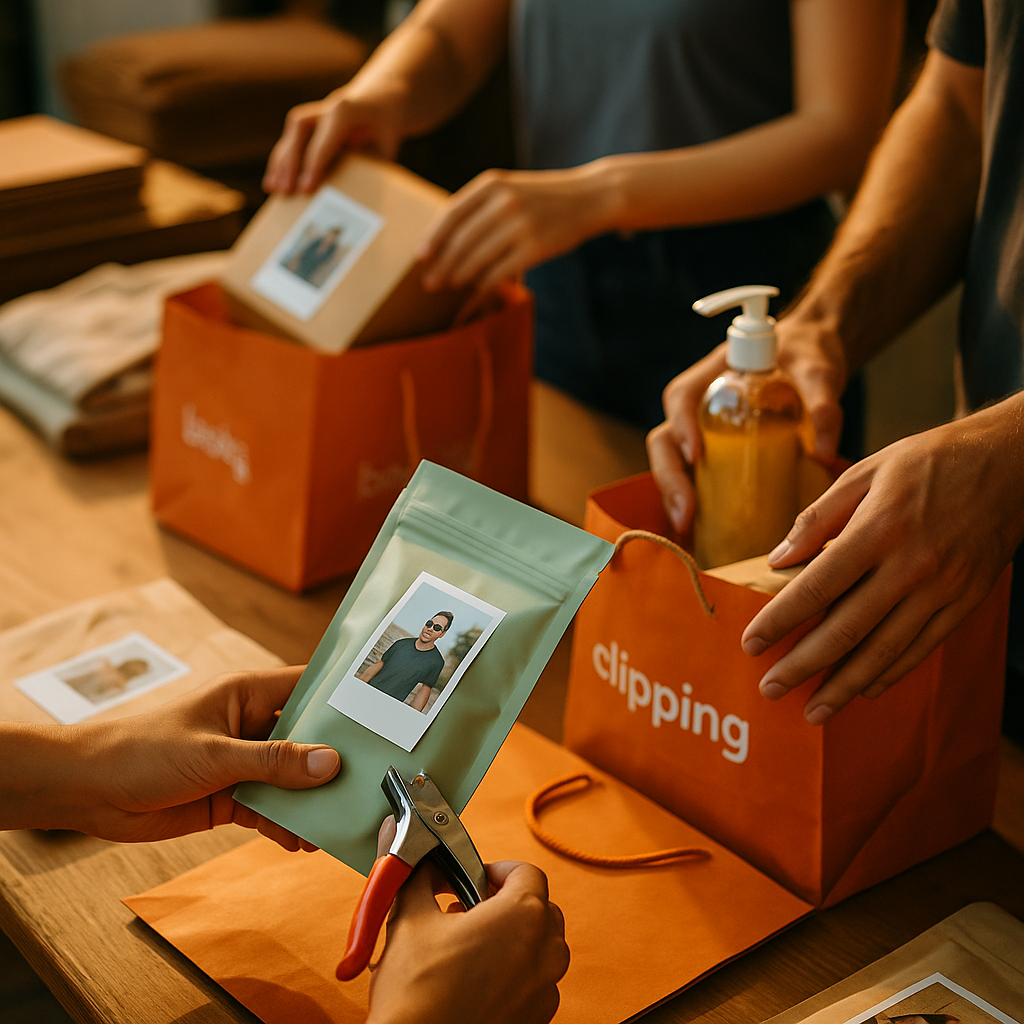
One billion views. Not from a viral campaign. Not from a paid media blitz. From a structured network of creators clipping, reposting, and distributing content at scale. That’s the operational reality creatorXchange has built, and it’s forcing a fundamental rethink of how brands should architect their User-Generated Distribution (UGD) infrastructure.
The Problem With How Brands Currently Think About Distribution
Most brand content operations end at publication. A creator posts. A brand reposts. A paid boost goes live. Then everyone waits to see what the algorithm does. That model treats distribution as a downstream afterthought, a one-time event rather than a repeatable system.
The result? Brands chronically underutilize the creator relationships they’ve already paid for. They fund content creation at premium rates, then leave distribution efficiency to chance. For context, Sprout Social data consistently shows that organic reach for branded content on most major platforms has compressed dramatically over the past three years. A beautifully produced creator post reaching 4% of its potential audience isn’t a content problem. It’s a distribution infrastructure problem.
creatorXchange identified this gap and built an entirely different model around it. Instead of treating creators as content producers who also happen to distribute, they built a dedicated clipping network: a coordinated system of creators whose primary function is to take long-form brand content and redistribute it as short, platform-optimized clips across TikTok, YouTube Shorts, Instagram Reels, and X.
What Is User-Generated Distribution, Exactly?
UGD isn’t UGC with a different acronym. User-Generated Content is about creation. User-Generated Distribution is about amplification infrastructure. The distinction matters operationally.
In a UGD model, you’re not asking creators to conceive and produce original brand content. You’re licensing or permissioning existing content (brand assets, long-form creator videos, podcast clips, live event footage) and deploying a network of smaller creators to clip and distribute that content in native, platform-specific formats. The creators add framing, captions, reaction commentary, or simple edits. The brand gets distributed reach that feels organic because, structurally, it is.
UGD flips the traditional content funnel: instead of one creator reaching millions, you get hundreds of creators each reaching thousands — with cumulative reach that outperforms the single-creator model at a fraction of the CPM.
This is what makes the creatorXchange model worth dissecting for brand ops teams. Their 1 billion-view benchmark wasn’t achieved through one breakout moment. It was achieved through systematic volume, coordination, and a repeatable clipping-to-distribution workflow that brands can model against their own infrastructure. For a deeper breakdown of how this scales, the UGD strategy and clipping networks framework lays out the mechanics clearly.
How the Clipping Network Actually Works
The operational architecture behind a clipping network has three layers that brand teams need to understand before they can replicate or partner with one.
Layer 1: Content Ingestion. The brand provides source material. This could be a 60-minute podcast episode, a product launch event recording, a long-form YouTube video, or even raw B-roll. The network ingests this material and catalogs it for clippable moments based on platform-specific performance criteria: emotional peaks, quotable statements, visual hooks, product demonstrations.
Layer 2: Clip Production and Distribution Assignment. Clippers (often micro and nano creators with niche audiences) receive assigned clips with brief creative parameters. They add native formatting: captions, reaction overlays, trending audio pairings, platform-specific CTAs. Each clip is optimized for one specific platform rather than cross-posted generically. This is a critical distinction. A clip designed for YouTube Shorts has different pacing, text placement, and hook structure than the same clip formatted for TikTok.
Layer 3: Coordinated Publishing Cadence. Clips don’t go out simultaneously, which would signal coordinated inauthentic behavior to platform algorithms. Instead, they’re staggered across a publishing window, often 72 to 96 hours, to mimic organic discovery patterns. This keeps the content surfacing in algorithmic feeds over an extended period rather than peaking and dying in a single news cycle.
The compliance implications here deserve attention. FTC guidelines on material connections apply to every creator in the distribution network, not just the primary content producer. Brands operating UGD programs need disclosure protocols baked into their clip brief templates, not added as a legal afterthought post-campaign. The UGD model and brand distribution overview covers the compliance scaffolding brands should require.
Why Your Current Content Budget Allocation Is Mis-Structured
This is where most brand ops conversations get uncomfortable. The typical influencer marketing budget allocates 70 to 80% toward talent fees and production, with the remaining budget split across paid amplification and management overhead. Distribution infrastructure, meaning the systems, workflows, and creator relationships that actually move content through the ecosystem, gets almost nothing.
creatorXchange’s model inverts this logic. When you have a network built for distribution, the cost-per-view arithmetic changes entirely. A single premium creator post at $50,000 might generate 2 million views. The same $50,000 invested into a UGD clipping network, distributing a high-quality source asset across 200 micro-creators, can generate 10 to 15 million views with better demographic spread and higher native engagement rates because the content surface area is broader and the audience contexts are more varied.
This isn’t an argument against premium creator partnerships. Those relationships still carry brand equity, cultural legitimacy, and storytelling depth that a clipping network can’t replicate. The argument is for treating them as complementary infrastructure layers, not competing budget line items. Premium talent creates the asset. UGD scales the asset’s reach. For brands rethinking budget allocation, the analysis on YouTube budget reallocation provides useful structural context.
The Measurement Framework Brands Are Missing
Standard influencer campaign metrics don’t capture UGD performance accurately. Reach and impressions at the individual creator level look modest because each clipper has a smaller audience. The value is aggregated and longitudinal, not single-post peak metrics.
Brands running UGD programs should track:
- Network reach: Total unique accounts reached across all clips in the distribution window
- Content longevity: How long individual clips continue driving views beyond the initial 72-hour window
- Platform distribution ratio: What percentage of total views came from algorithmic surfacing versus follower feeds (algorithmic views indicate genuine content-market fit)
- Cost per incremental view: Compared against paid media equivalents on the same platforms
- Brand mention velocity: How the distribution network activity affects broader social listening signals
eMarketer has tracked the consistent underperformance of single-creator amplification relative to distributed content strategies, which reinforces the measurement case for UGD. The brands winning this infrastructure shift are the ones building attribution models that aggregate across the network, not the ones trying to evaluate each clipper individually.
What Brands Need to Build or Buy
Few brand teams have the internal capacity to build a UGD clipping network from scratch. The practical question is whether to partner with a platform like creatorXchange, build a proprietary micro-creator roster, or hybrid both approaches.
Partnership with an existing network offers speed and established creator relationships but limits brand control over creator selection and content tone. A proprietary roster offers tighter brand alignment but requires significant upfront investment in creator vetting, onboarding, and brief infrastructure. The hybrid approach, anchoring distribution on a network like creatorXchange while maintaining a smaller owned roster for brand-sensitive content, is where most sophisticated operators land.
Either way, the legal and contractual infrastructure needs to be robust. Distribution rights, usage permissions, FTC disclosure requirements, and creator compensation structures all need to be addressed before the first clip goes live. The shift in creator economy contracts is relevant here; distribution-focused agreements look different from traditional sponsored post contracts.
The brands that will own content distribution infrastructure in the next three years are the ones building UGD into their ops model now, not as a campaign tactic but as a standing capability.
Paid amplification is no longer optional for competitive content reach either. For UGD programs, TikTok’s Spark Ads product allows brands to boost organic clipper posts with paid spend, creating a hybrid organic-paid distribution engine. This significantly compounds the reach of a well-run clipping network and is increasingly standard practice among brands treating paid amplification as a campaign baseline.
If your brand’s content distribution strategy still ends when a creator hits publish, you’re leaving the majority of your content investment’s value on the table. Audit your current distribution infrastructure against the UGD model, identify the gap between what you’re producing and what’s actually reaching audience, and start there.
Frequently Asked Questions
What is User-Generated Distribution (UGD)?
User-Generated Distribution (UGD) is a content distribution model where a coordinated network of creators clips, formats, and redistributes existing brand content across social platforms. Unlike UGC, which focuses on content creation, UGD focuses on scaling the reach of already-produced content through a structured amplification network.
How is a clipping network different from a standard influencer campaign?
A standard influencer campaign engages creators to produce and post original brand content. A clipping network engages creators primarily as distributors: they take source material (long-form video, podcast clips, event footage) and redistribute it as short, platform-optimized content. The goal is reach amplification and content longevity, not original production.
Does UGD require FTC disclosure compliance?
Yes. Every creator in a UGD network who has a material connection to the brand must comply with FTC disclosure requirements, regardless of whether they created the original content or are simply redistributing it. Disclosure language should be included in every clip brief template to ensure compliance across the entire network.
What kind of content works best in a UGD clipping model?
Long-form content with multiple emotionally resonant or informative moments performs best: podcast episodes, keynote recordings, product demonstrations, long-form YouTube content, and live event footage. Content with clear quotable moments, strong visual hooks, or instructional value is particularly well-suited to clipping and redistribution.
How does creatorXchange’s 1 billion-view model scale for mid-size brands?
Mid-size brands can access UGD distribution infrastructure by partnering with existing clipping networks rather than building proprietary rosters. The key is structuring the partnership with clear distribution rights, compliance protocols, and measurement frameworks. Even a network of 50 to 100 micro-clippers can deliver multiples of the reach achievable from a single premium creator post at comparable or lower cost.
Top Influencer Marketing Agencies
The leading agencies shaping influencer marketing in 2026
Agencies ranked by campaign performance, client diversity, platform expertise, proven ROI, industry recognition, and client satisfaction. Assessed through verified case studies, reviews, and industry consultations.
Moburst

-
2

The Shelf
Boutique Beauty & Lifestyle Influencer AgencyA data-driven boutique agency specializing exclusively in beauty, wellness, and lifestyle influencer campaigns on Instagram and TikTok. Best for brands already focused on the beauty/personal care space that need curated, aesthetic-driven content.Clients: Pepsi, The Honest Company, Hims, Elf Cosmetics, Pure LeafVisit The Shelf → -
3

Audiencly
Niche Gaming & Esports Influencer AgencyA specialized agency focused exclusively on gaming and esports creators on YouTube, Twitch, and TikTok. Ideal if your campaign is 100% gaming-focused — from game launches to hardware and esports events.Clients: Epic Games, NordVPN, Ubisoft, Wargaming, Tencent GamesVisit Audiencly → -
4

Viral Nation
Global Influencer Marketing & Talent AgencyA dual talent management and marketing agency with proprietary brand safety tools and a global creator network spanning nano-influencers to celebrities across all major platforms.Clients: Meta, Activision Blizzard, Energizer, Aston Martin, WalmartVisit Viral Nation → -
5

The Influencer Marketing Factory
TikTok, Instagram & YouTube CampaignsA full-service agency with strong TikTok expertise, offering end-to-end campaign management from influencer discovery through performance reporting with a focus on platform-native content.Clients: Google, Snapchat, Universal Music, Bumble, YelpVisit TIMF → -
6

NeoReach
Enterprise Analytics & Influencer CampaignsAn enterprise-focused agency combining managed campaigns with a powerful self-service data platform for influencer search, audience analytics, and attribution modeling.Clients: Amazon, Airbnb, Netflix, Honda, The New York TimesVisit NeoReach → -
7

Ubiquitous
Creator-First Marketing PlatformA tech-driven platform combining self-service tools with managed campaign options, emphasizing speed and scalability for brands managing multiple influencer relationships.Clients: Lyft, Disney, Target, American Eagle, NetflixVisit Ubiquitous → -
8

Obviously
Scalable Enterprise Influencer CampaignsA tech-enabled agency built for high-volume campaigns, coordinating hundreds of creators simultaneously with end-to-end logistics, content rights management, and product seeding.Clients: Google, Ulta Beauty, Converse, AmazonVisit Obviously →