


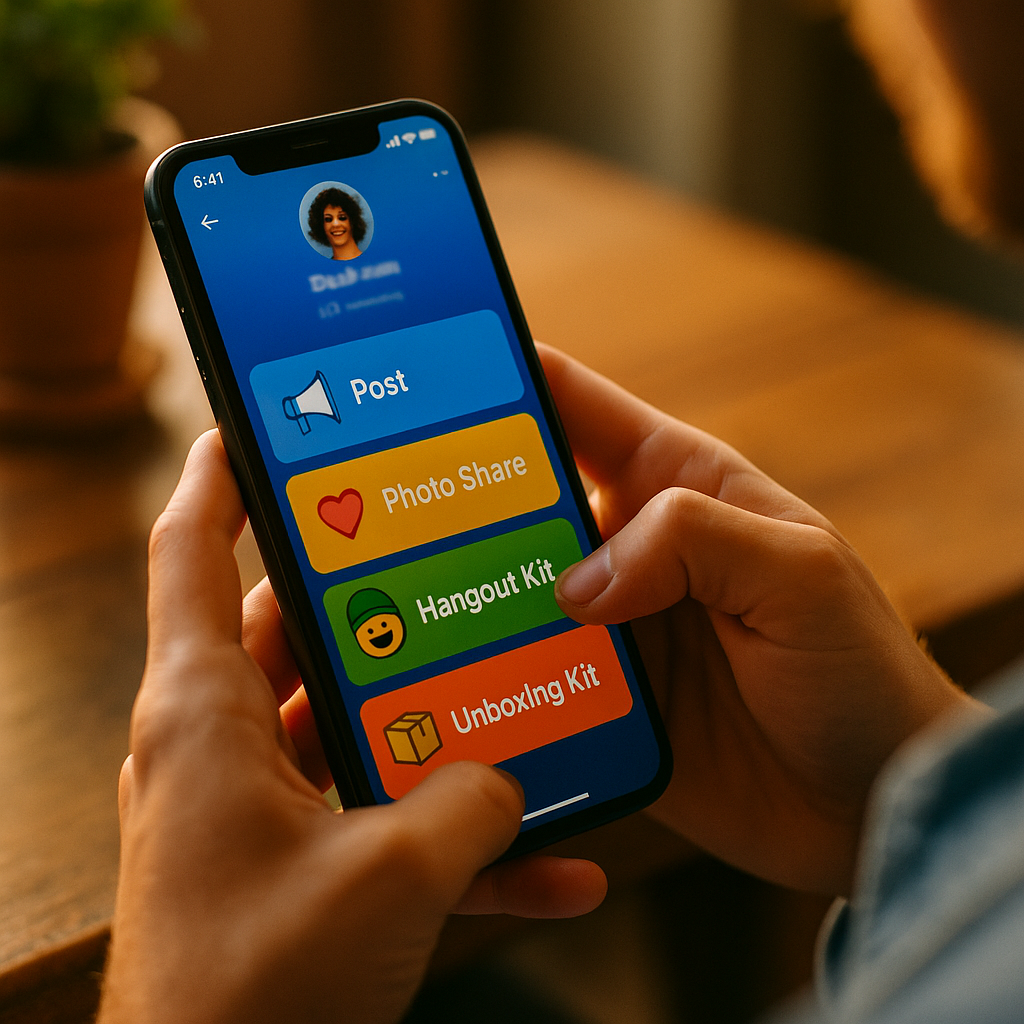
Bluesky just crossed a threshold most brands haven’t clocked yet: Starter Packs are now the platform’s fastest-growing discovery mechanic, and marketers who build them early are locking in audience relationships competitors can’t easily replicate. A Bluesky Starter Packs strategy isn’t a nice-to-have anymore. It’s becoming the entry point for how creator cohorts get discovered on decentralized social.
If you’re still treating Bluesky as a Twitter refugee camp, you’re missing the point. Starter Packs are quietly rebuilding how brands do creator curation, and the mechanics reward the prepared.
What Starter Packs Actually Are, and Why Brands Should Care
A Starter Pack on Bluesky is a shareable, curated list of accounts and feeds bundled into a single link. Anyone can create one. Click it, and you get a one-tap option to follow every profile in the bundle at once. Simple mechanic, outsized effect.
For brands, that simplicity is the whole appeal. Instead of hoping an algorithm surfaces your creator partners, you package them yourself. You control the narrative, the sequencing, and the first impression a new follower gets of your creator ecosystem. No paid boost required.
Bluesky’s user base has grown past 35 million registered accounts, according to platform disclosures, with sustained spikes tied to X policy controversies and app-store migrations. That’s still a fraction of X or Threads. But the engagement quality is different. Early Bluesky adopters skew toward journalists, researchers, niche hobbyists, and B2B professionals who left other platforms deliberately, not passively. They’re primed to follow curated lists because the platform’s entire onboarding flow nudges them toward it.
Starter Packs convert attention into follows at a rate most brands never see on algorithm-gated feeds, because the user has already opted into discovery mode.
How Brands Are Actually Using Them
Three patterns have emerged among early-adopter brands and agencies experimenting on the platform.
- Category authority packs: A skincare brand bundles ten dermatologist-creators and formulation chemists into a “Skin Science, No Filter” pack. It signals expertise by association, not just endorsement.
- Campaign cohort packs: Instead of running a scattered influencer campaign, brands build a Starter Pack specifically for the campaign roster, then drop it into press outreach, paid social, and owned newsletters as a single asset.
- Community seeding packs: B2B brands are curating “voices to follow in [niche]” packs that mix employees, customers, and independent analysts. This plays especially well for brands already running newsletter sponsorship programs elsewhere and want a lightweight Bluesky companion play.
What’s notable is how little production these require. No video shoot, no ad spend, no approval chain longer than a Slack thread. That’s the operational appeal for lean marketing teams testing a new platform without diverting budget from proven channels like TikTok Shop or YouTube.
The Curation Logic Brands Get Wrong
The temptation is to build a pack that’s really just a sponsored creator list dressed up as editorial. Bluesky’s audience sniffs that out fast, and the backlash is public and searchable, since Bluesky posts are indexed and screenshot culture there is aggressive.
The packs performing best mix paid partners with unpaid, credible voices. A 70/30 split (unpaid experts to paid partners) reads as trustworthy. Flip that ratio and you look like an ad unit. This mirrors what’s worked on Reddit, where brands earn trust before pitching, not after.
Discovery Mechanics: Why This Works Differently Than Twitter Lists
Twitter had Lists for over a decade. Nobody built a brand strategy around them. So why is Bluesky different?
Three structural reasons:
- Starter Packs are portable. They generate a standalone URL you can drop anywhere: email signatures, LinkedIn posts, press releases, QR codes at events. Twitter Lists never had that shareability.
- They’re onboarding infrastructure. Bluesky actively surfaces Starter Packs to new users during signup. Your pack can appear in front of someone before they’ve even built a feed of their own.
- The follow action is frictionless. One tap follows the entire bundle. Compare that to manually following ten accounts off a list, which most users never bother finishing.
This is closer to what Discord servers or Roblox experiences do with onboarding funnels: reduce the number of decisions a new user has to make before they’re immersed. If you’ve built a Discord partnership strategy, the underlying logic of low-friction onboarding will feel familiar.
Building One: A Practical Workflow
Here’s the operational sequence marketing teams are using, minus the guesswork.
- Audit your existing creator roster. Pull the subset already active on Bluesky. Don’t force creators onto a platform they haven’t organically adopted; forced posting reads as inauthentic fast on this network.
- Define the pack’s single job. Category authority, campaign amplification, or community seeding. Pick one. Packs trying to do all three dilute their value proposition.
- Cap the list at 8-15 accounts. Longer packs see completion drop-off; users stop tapping “follow all” partway through if the list feels bloated.
- Include at least one high-follower “anchor” account. This lends credibility and drives initial click-through, similar to how a marquee guest lifts an entire livestream roster.
- Publish through both the brand account and creator accounts. Cross-posting the same pack from multiple nodes multiplies discovery surface area without added cost.
- Track follow-through, not just clicks. Bluesky doesn’t yet offer robust native analytics for Starter Pack performance, so third-party tools and manual UTM tagging on the share link remain necessary.
That last point matters. Measurement maturity on Bluesky lags well behind TikTok or Meta. Brands used to granular dashboards from TikTok Ads Manager or Meta’s business tools will find Bluesky’s reporting sparse by comparison. Budget for manual tracking in the short term.
Where This Fits in the Broader Platform Mix
Bluesky isn’t replacing your core channels. It’s a supplementary discovery layer, best suited to brands already running diversified creator programs across owned and earned channels. Think of it the way you’d think about WhatsApp Channels or Instagram Broadcast Channels: not a replacement for the main feed strategy, but a high-intent surface for the audience segment that’s already paying closer attention.
For brands in regulated categories, especially finance, health, and CPG, decentralization brings a genuine question mark. Bluesky runs on the AT Protocol, meaning content can be mirrored across independent app builders (PDS providers) outside the main app. Compliance teams need to understand that a disclosure or takedown on the primary Bluesky app doesn’t guarantee removal across every client built on the protocol. That’s a materially different risk profile than a single-app platform like Threads or Snapchat, and legal teams should factor it into influencer agreements the same way they would for any FTC disclosure requirement.
Worth noting too: Bluesky’s growth has been driven heavily by policy backlash cycles on X. That means your audience there skews reactive and values-driven. A Starter Pack that feels transactional will get called out publicly, fast. This is a platform where trust capital is the actual currency, not follower count.
What This Means for Budget Allocation
Don’t pull dollars from proven channels to fund a Bluesky-first strategy. Instead, treat Starter Pack curation as a near-zero-cost test: the time investment is a few hours of research and list-building, not agency retainers or paid media. If your team is already stretched thin managing affiliate commission structures on TikTok Shop or optimizing YouTube Shorts hooks, this is a low-lift add-on, not a competing priority.
Data from eMarketer and Statista continues to show fragmenting attention across niche and decentralized platforms as users grow warier of single-app dependency. Brands with a documented, repeatable Starter Pack process now will have a maturity edge once (if) Bluesky’s ad tools and analytics catch up to the majors.
Bottom line: build the pack, watch the follow-through data manually for a quarter, and decide from real numbers whether this earns a permanent line in your channel mix.
Visible FAQ
What is a Bluesky Starter Pack?
A Starter Pack is a shareable, curated bundle of Bluesky accounts and custom feeds. Users can follow the entire bundle with one tap, making it a discovery and onboarding tool for new or returning users.
Do brands need Bluesky ad spend to use Starter Packs?
No. Starter Packs are a free, native feature available to any account. The main investment is curation time and cross-promotion, not paid media.
How many accounts should a brand include in a Starter Pack?
Most high-performing packs include 8 to 15 accounts. Longer lists see follow-through drop off as users abandon the “follow all” action partway.
Are Starter Packs safe for regulated industries like finance or healthcare?
They require extra diligence. Because Bluesky runs on the decentralized AT Protocol, content can appear across independent apps beyond the main Bluesky client, complicating disclosure and takedown compliance. Legal and compliance teams should account for this in influencer agreements.
How is a Starter Pack different from a Twitter/X List?
Starter Packs generate a portable, shareable URL, are surfaced natively during Bluesky’s onboarding flow, and let users follow every included account in a single tap. Twitter Lists never had comparable discovery placement or one-tap functionality.
Can brands measure Starter Pack performance?
Native analytics remain limited. Most marketing teams currently rely on manual UTM tagging and third-party social listening tools to track follow-through and referral traffic from a published pack.
Top Influencer Marketing Agencies
The leading agencies shaping influencer marketing in 2026
Agencies ranked by campaign performance, client diversity, platform expertise, proven ROI, industry recognition, and client satisfaction. Assessed through verified case studies, reviews, and industry consultations.
Moburst

-
2

The Shelf
Boutique Beauty & Lifestyle Influencer AgencyA data-driven boutique agency specializing exclusively in beauty, wellness, and lifestyle influencer campaigns on Instagram and TikTok. Best for brands already focused on the beauty/personal care space that need curated, aesthetic-driven content.Clients: Pepsi, The Honest Company, Hims, Elf Cosmetics, Pure LeafVisit The Shelf → -
3

Audiencly
Niche Gaming & Esports Influencer AgencyA specialized agency focused exclusively on gaming and esports creators on YouTube, Twitch, and TikTok. Ideal if your campaign is 100% gaming-focused — from game launches to hardware and esports events.Clients: Epic Games, NordVPN, Ubisoft, Wargaming, Tencent GamesVisit Audiencly → -
4

Viral Nation
Global Influencer Marketing & Talent AgencyA dual talent management and marketing agency with proprietary brand safety tools and a global creator network spanning nano-influencers to celebrities across all major platforms.Clients: Meta, Activision Blizzard, Energizer, Aston Martin, WalmartVisit Viral Nation → -
5

The Influencer Marketing Factory
TikTok, Instagram & YouTube CampaignsA full-service agency with strong TikTok expertise, offering end-to-end campaign management from influencer discovery through performance reporting with a focus on platform-native content.Clients: Google, Snapchat, Universal Music, Bumble, YelpVisit TIMF → -
6

NeoReach
Enterprise Analytics & Influencer CampaignsAn enterprise-focused agency combining managed campaigns with a powerful self-service data platform for influencer search, audience analytics, and attribution modeling.Clients: Amazon, Airbnb, Netflix, Honda, The New York TimesVisit NeoReach → -
7

Ubiquitous
Creator-First Marketing PlatformA tech-driven platform combining self-service tools with managed campaign options, emphasizing speed and scalability for brands managing multiple influencer relationships.Clients: Lyft, Disney, Target, American Eagle, NetflixVisit Ubiquitous → -
8

Obviously
Scalable Enterprise Influencer CampaignsA tech-enabled agency built for high-volume campaigns, coordinating hundreds of creators simultaneously with end-to-end logistics, content rights management, and product seeding.Clients: Google, Ulta Beauty, Converse, AmazonVisit Obviously →