


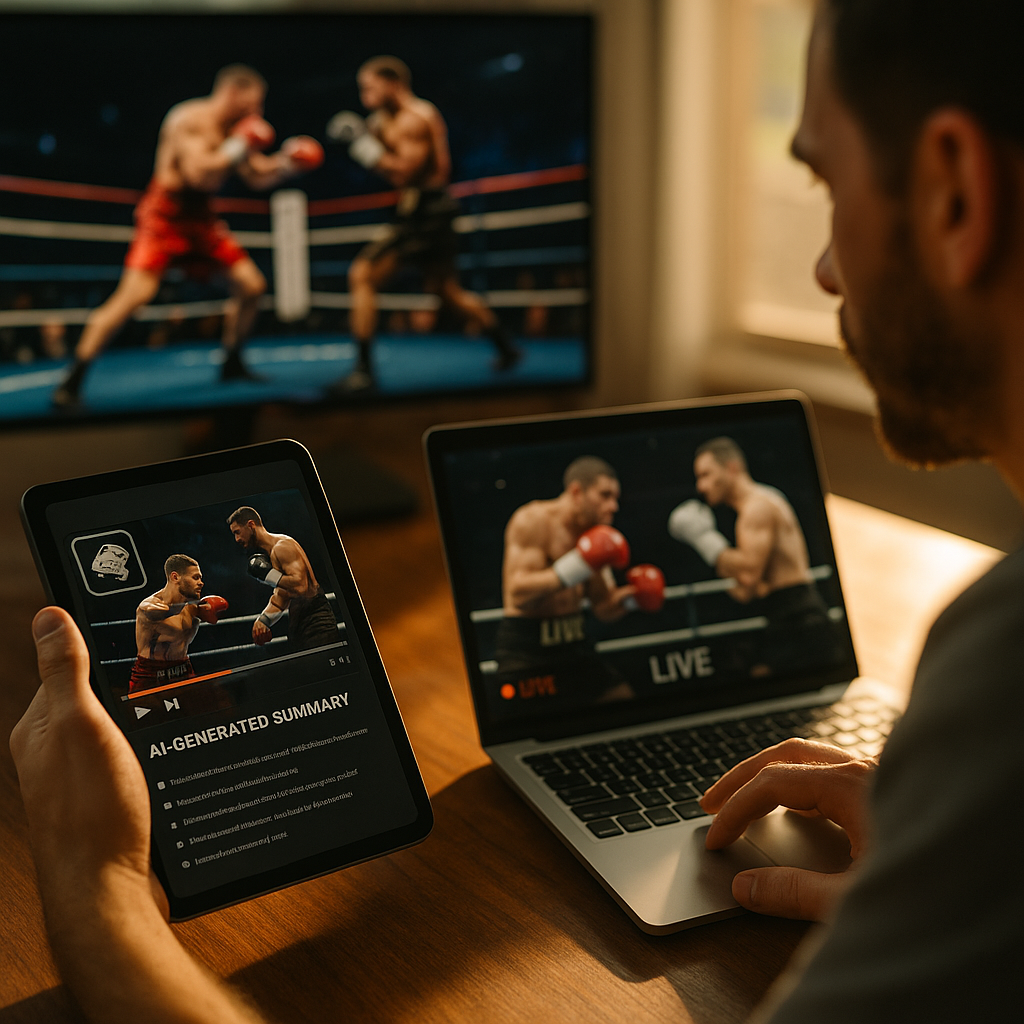
Clipper networks now push out more branded content in a week than most agencies produce in a quarter — and brands are paying pennies per thousand views to make it happen. That math sounds irresistible until you factor in brand safety, contract fine print, and the fact that “views” mean wildly different things depending on the vendor. If you’re evaluating an AI-powered clipper network for budget-capped UGC distribution, the CPM sticker price is the least important number on the table.
This piece breaks down how these platforms actually work, where the pay-per-thousand-view (PPTV) model quietly shifts risk onto brands, and how the major vendors stack up when you strip away the marketing gloss.
What Exactly Is a Clipper Network, and Why Is It Suddenly Everywhere
Clipper networks pay a distributed army of micro-creators and editors — often thousands of them — to cut long-form content (podcasts, livestreams, brand videos) into short clips and post them across TikTok, Instagram Reels, and YouTube Shorts. The clippers get paid based on view volume their clips generate. Brands or rights-holders supply the source footage, set the bounty pool, and let the network’s algorithm handle matching, moderation, and payout.
What’s changed in the last cycle is the “AI-powered” layer. Instead of clippers manually scrubbing hour-long videos for shareable moments, tools now auto-detect high-retention segments, generate captions, suggest hooks, and even flag which clips are likely to hit a virality threshold before they’re posted. Vendors like Klap, OpusClip, and Vadoo AI built reputations as editing assistants; the newer wave — networks like ClipZap, ViralMoment, and Fanfix’s creator-clip arm — layers a marketplace and payout engine on top, turning editing tools into full distribution pipelines.
For brands running influencer programs on tightening budgets, this is appealing for one obvious reason: you’re not paying a flat retainer to a single creator. You’re paying for outcomes, distributed across hundreds of accounts, at a fraction of the CPM you’d get from a managed influencer campaign.
The pitch is performance-only pricing. The reality is that “performance” is usually defined by the vendor’s own view-counting methodology — not by third-party verification.
How Pay-Per-Thousand-View Pricing Actually Works
PPTV rates typically range from $0.10 to $1.50 per thousand views depending on platform, niche, and content exclusivity requirements. That’s a wide band. Gaming and finance content commands higher rates because advertiser demand is thicker; general entertainment clips sit at the low end.
Here’s the part vendors don’t lead with: most networks pool a fixed budget (say $10,000) and distribute it proportionally across all qualifying clips once a minimum view threshold is hit — usually 1,000 to 10,000 views. If clip volume outperforms projections, your effective CPM drops because the same bounty pool gets split more ways. If volume undershoots, you may end up paying premium rates for a handful of clips that barely moved the needle. Either way, the brand rarely controls the outcome once the pool is live.
Some vendors, like Whop-integrated clip programs and certain TikTok Creator Marketplace-adjacent tools, offer capped-spend guarantees: you set a hard ceiling and the algorithm throttles clip promotion once the budget’s exhausted. Others run open pools that can blow past projections if a clip unexpectedly goes viral, leaving finance teams scrambling to true up invoices. Read the contract for how overages are handled before you sign anything — this is the single most common source of billing disputes in this category.
Vendor Comparison: Where the Real Differences Live
- Clip volume vs. clip quality controls: Networks like ClipZap prioritize throughput — hundreds of clippers, loose creative guidelines, fast turnaround. This works for top-of-funnel awareness but creates brand safety exposure since moderation is largely automated and reactive.
- Platform coverage: Most networks concentrate on TikTok and Shorts because those algorithms reward short-form velocity. Fewer vendors have mature Instagram Reels distribution, and almost none cover LinkedIn or long-form YouTube meaningfully.
- Payout transparency: Some platforms expose real-time dashboards showing per-clip view counts and payout accrual. Others batch reporting weekly, which makes it hard to catch inflated or bot-driven view spikes before you’ve already paid out.
- AI moderation depth: The better vendors run multi-pass moderation — AI flagging plus human review for anything touching regulated categories (finance, health, alcohol). Cheaper networks rely almost entirely on automated filters, which miss context-dependent violations.
- Exclusivity and usage rights: Some contracts grant the network perpetual rights to repost your source content across its clipper pool indefinitely. Always negotiate a usage window and get raw footage licensing terms in writing.
None of this is a knock on the model itself. Used well, clipper networks are a legitimately efficient way to seed volume around a campaign moment — a product launch, an earnings call, a festival activation. The risk is treating them like a set-and-forget budget line instead of a channel that needs the same oversight you’d apply to programmatic media buying.
Where the Budget-Capped Promise Breaks Down
“Budget-capped” is doing a lot of marketing work in vendor pitches. In practice, caps apply to your spend commitment, not necessarily to the content that gets produced or the brand exposure that results. A clipper can post your source footage, generate views, and trigger payout obligations even after your stated budget cap — if the contract’s overage clause is vague, or if the platform’s cap only applies to new clip submissions rather than continued distribution of already-live clips.
This matters more once you’re running multiple concurrent campaigns. Attribution gets messy fast: which views came from which clipper, on which platform, funded by which budget line? Most clipper networks don’t integrate cleanly with the attribution stacks brands already use for broader influencer measurement. If you’re already wrestling with attribution platform claims across your influencer stack, adding a clipper network with its own proprietary view-counting logic compounds the reconciliation headache rather than simplifying it.
There’s also a compliance dimension marketing teams underweight. The FTC’s endorsement guidance applies regardless of how the content was produced or distributed — a clipped, AI-edited repost of branded content still needs clear disclosure if it’s part of a paid promotion. Review the FTC’s endorsement guidelines with your legal team before greenlighting a clipper program at scale, because “the vendor’s contractors did it” is not a defense that holds up in an enforcement action.
A budget cap protects your invoice. It does nothing to protect your brand if an unvetted clipper attaches your footage to a controversial creator or a policy-violating post.
A Practical Vetting Checklist Before You Sign
- Ask for a sample payout ledger from an existing campaign — not a case study, the actual raw data.
- Confirm whether view counts are platform-verified (via official APIs) or self-reported by the vendor.
- Clarify what happens to content and payout obligations once your budget cap is technically reached.
- Get explicit disclosure language requirements written into the clipper agreement, not left to individual creator discretion.
- Check historical brand safety incidents — ask directly, and ask for how they were resolved.
If a vendor hesitates on any of these, treat that as diagnostic information, not just a negotiating hiccup.
Where This Fits Into a Broader Distribution Strategy
Clipper networks work best as a supplementary layer, not a replacement for managed creator partnerships. Think of them the way you’d think of programmatic display versus direct-sold media: efficient at scale, weaker on brand narrative control. Data from eMarketer continues to show short-form video consumption climbing across nearly every demographic, which is exactly why the clipper model has found product-market fit — there’s simply more short-form inventory to fill than branded content teams can produce internally.
If your brand is testing this channel for the first time, run it alongside — not instead of — your core influencer roster. Use clipper networks for volume-driven awareness pushes tied to a specific event window, and keep your vetted creator relationships for anything touching product claims, regulated categories, or long-term brand equity building. Pairing the two also gives you a natural A/B test: compare engagement quality and audience engagement benchmarks from clipper-driven content against your managed creator content to see whether the CPM savings actually hold up once you weigh in conversion quality, not just raw view counts.
It’s also worth revisiting how these vendors fit into your broader martech stack decisions. A clipper network that can’t feed clean data into your existing attribution and CDP infrastructure creates a reporting silo — and silos are where budget leakage hides. Similarly, if you’re already relying on real-time data feeds to manage creator campaign performance, insist any clipper vendor you onboard can integrate at the same cadence, not batch-report a week behind.
And before your team finalizes vendor selection, run the contract through whatever budget approval workflow governs your other AI-driven marketing spend. Clipper network invoices have a habit of arriving as a single lump line item — “creator distribution: $14,200” — with none of the per-clip detail finance teams need to audit spend against actual performance.
Bottom line: evaluate clipper networks the way you’d evaluate any performance media vendor — on verified metrics, contractual risk transfer, and integration fit, not on the headline CPM. Run a capped pilot of no more than 90 days, insist on API-verified view data, and only scale spend once you’ve reconciled the vendor’s reporting against your own attribution stack.
FAQs
What is a clipper network in influencer marketing?
A clipper network is a platform that pays a distributed pool of creators or editors to cut long-form content into short clips and distribute them across social platforms, typically compensated based on view volume rather than flat fees.
How does pay-per-thousand-view pricing work for UGC distribution?
Brands fund a budget pool, and clippers earn a set rate per thousand qualifying views their clips generate, usually once a minimum view threshold is met. Rates commonly range from $0.10 to $1.50 per thousand views depending on niche and platform.
Are AI clipper networks brand safe?
Safety varies significantly by vendor. Networks with multi-pass moderation, including human review for regulated categories, carry lower risk than platforms relying solely on automated filters. Always request a vendor’s brand safety incident history before signing.
Do clipper networks handle FTC disclosure compliance?
Not automatically. Disclosure obligations apply to the brand regardless of who produced the clip, so contracts should explicitly require disclosure language and the brand should audit sample output for compliance.
Can budget caps in these contracts actually be exceeded?
Yes, in many cases. Caps often apply only to new content submissions, not to continued distribution or payout accrual on clips already live when the cap is reached. Review overage clauses carefully before committing budget.
Should clipper networks replace managed influencer partnerships?
No. They work best as a supplementary volume channel for awareness campaigns, while managed creator relationships remain better suited for product claims, regulated content, and long-term brand equity building.
Top Influencer Marketing Agencies
The leading agencies shaping influencer marketing in 2026
Agencies ranked by campaign performance, client diversity, platform expertise, proven ROI, industry recognition, and client satisfaction. Assessed through verified case studies, reviews, and industry consultations.
Moburst

-
2

The Shelf
Boutique Beauty & Lifestyle Influencer AgencyA data-driven boutique agency specializing exclusively in beauty, wellness, and lifestyle influencer campaigns on Instagram and TikTok. Best for brands already focused on the beauty/personal care space that need curated, aesthetic-driven content.Clients: Pepsi, The Honest Company, Hims, Elf Cosmetics, Pure LeafVisit The Shelf → -
3

Audiencly
Niche Gaming & Esports Influencer AgencyA specialized agency focused exclusively on gaming and esports creators on YouTube, Twitch, and TikTok. Ideal if your campaign is 100% gaming-focused — from game launches to hardware and esports events.Clients: Epic Games, NordVPN, Ubisoft, Wargaming, Tencent GamesVisit Audiencly → -
4

Viral Nation
Global Influencer Marketing & Talent AgencyA dual talent management and marketing agency with proprietary brand safety tools and a global creator network spanning nano-influencers to celebrities across all major platforms.Clients: Meta, Activision Blizzard, Energizer, Aston Martin, WalmartVisit Viral Nation → -
5

The Influencer Marketing Factory
TikTok, Instagram & YouTube CampaignsA full-service agency with strong TikTok expertise, offering end-to-end campaign management from influencer discovery through performance reporting with a focus on platform-native content.Clients: Google, Snapchat, Universal Music, Bumble, YelpVisit TIMF → -
6

NeoReach
Enterprise Analytics & Influencer CampaignsAn enterprise-focused agency combining managed campaigns with a powerful self-service data platform for influencer search, audience analytics, and attribution modeling.Clients: Amazon, Airbnb, Netflix, Honda, The New York TimesVisit NeoReach → -
7

Ubiquitous
Creator-First Marketing PlatformA tech-driven platform combining self-service tools with managed campaign options, emphasizing speed and scalability for brands managing multiple influencer relationships.Clients: Lyft, Disney, Target, American Eagle, NetflixVisit Ubiquitous → -
8

Obviously
Scalable Enterprise Influencer CampaignsA tech-enabled agency built for high-volume campaigns, coordinating hundreds of creators simultaneously with end-to-end logistics, content rights management, and product seeding.Clients: Google, Ulta Beauty, Converse, AmazonVisit Obviously →