


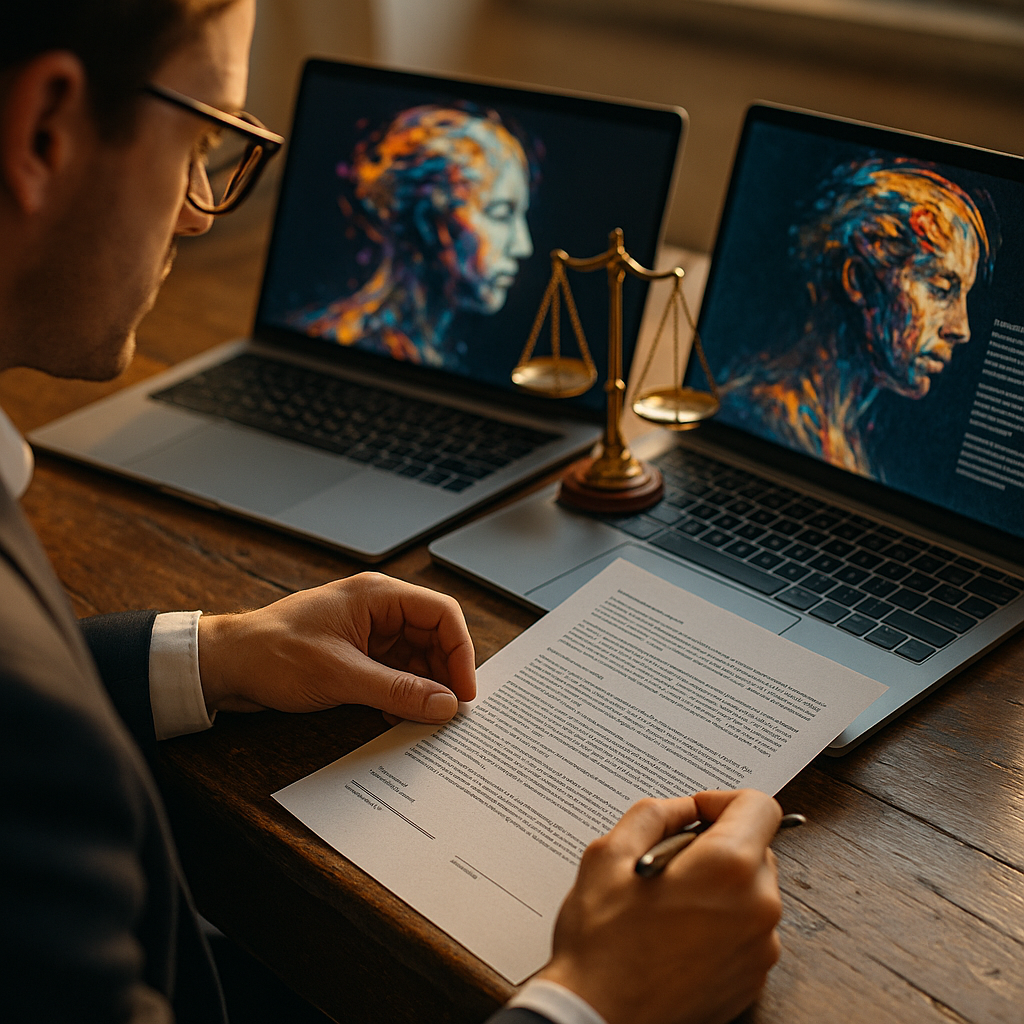
TikTok’s Remix and Instagram’s AI-editing tools can now legally alter a sponsored post without the brand or creator touching it again. So who’s liable when a platform’s algorithm remixes your sponsored content into something the FTC calls misleading? A creator contract clause addressing this gap isn’t optional anymore — it’s the difference between a clean campaign and an unassignable mess of liability.
The Problem Nobody Wrote Into Their Contracts
Platform AI remix features weren’t part of the risk conversation two years ago. Now they’re everywhere. TikTok’s Remix, CapCut’s auto-edit templates, Instagram’s AI-generated Reels remixes, YouTube’s Dream Screen — these tools take a published video, apply generative transformations, and republish derivative versions. Sometimes automatically. Sometimes at another user’s request. The original sponsored post stays untouched. But a new, algorithmically altered version now exists, carrying the same brand name, product claim, or disclosure — except the disclosure might be cropped out, the claim exaggerated, or the tone shifted into something the brand never approved.
Most influencer agreements were drafted assuming a static deliverable: creator posts content, brand approves it, both parties move on. That model breaks the moment a platform’s AI can generate a “remix” of a sponsored post six months after it’s live, without either party initiating it. Nobody in the chain approved the new version. Yet the FTC doesn’t care who clicked “remix” — it cares whether the resulting content is deceptive.
If your contract only addresses the content as originally published, you have zero contractual language covering what happens when a platform’s algorithm republishes a transformed version six months later.
Why This Isn’t Hypothetical Anymore
Generative remix tools have moved from novelty to default feature. TikTok pushes Remix prompts directly in-feed. Meta’s AI editing suite auto-suggests transformations on Reels with high engagement — and sponsored content, by design, tends to get flagged as “high engagement.” According to eMarketer, brands increased influencer spend again this year, with short-form video accounting for the majority of budget allocation. More sponsored video volume means more raw material for remix algorithms to act on.
The compliance risk compounds because remixed content often strips context. A disclosure hashtag placed in an original caption may not carry over to a remixed clip. A product claim stated in a specific regulatory context (say, a supplement’s “supports energy” framed under DSHEA guidance) might get remixed into a stand-alone clip that reads as a medical claim. The brand didn’t say that. The creator didn’t say that in isolation. But the platform’s algorithm produced a piece of content that, standing alone, violates FTC guidance on truthful advertising.
This is a close cousin to the algorithm-change risk we’ve covered in algorithm-change indemnification clauses, but it’s a distinct problem. Algorithm changes affect distribution and reach. Remix features affect the content itself. One changes who sees your ad; the other changes what your ad actually says.
What the Clause Actually Needs to Cover
A functional AI remix liability clause needs to answer four questions clearly, in plain contractual language, not buried in a definitions section nobody reads:
- Who owns the takedown obligation? Define whether the creator, the brand, or both parties are responsible for monitoring and requesting removal of algorithmically transformed derivatives that misrepresent the sponsorship, the product claim, or the disclosure.
- Who bears regulatory liability? Specify that liability for a remixed version follows the party who had the ability to control the platform setting that enabled remixing — usually the creator, since remix permissions are typically account-level settings.
- What counts as a “material alteration”? Not every remix matters. A remix that changes background music isn’t the same as one that removes an FTC disclosure or alters a claim. The clause should define a threshold, because litigating “material” after the fact is expensive.
- What’s the response window? Once either party discovers a problematic remix, how fast must it be flagged and addressed? Twenty-four hours is standard in fast-moving compliance clauses; some brands push for 12.
Here’s a starting structure brands and agencies can adapt (this is a drafting reference, not a substitute for counsel review):
“Creator acknowledges that certain platforms may offer AI-based remix, duet, or derivative-content features that algorithmically alter, excerpt, or recombine Sponsored Content after publication without either party’s direct action. Creator shall disable such features on any account used to publish Sponsored Content where platform settings permit, and shall notify Brand within twenty-four (24) hours of discovering any algorithmically generated derivative that omits required disclosures, misrepresents Brand’s claims, or alters the substance of the Sponsored Content. Liability for regulatory exposure arising from an algorithmically transformed derivative shall rest with the party possessing the technical ability to disable the originating feature, except where Brand affirmatively authorized or requested the derivative’s creation.”
That last clause — tying liability to “technical ability to disable” — is the piece most contracts miss. It creates a defensible standard instead of a vague “creator is responsible for all platform activity” line that courts and regulators find hard to enforce.
Disclosure Doesn’t Travel With the Remix (And That’s the Real Risk)
Disclosure requirements attach to the content, not the platform. The FTC has been explicit: a “#ad” hashtag or branded-content tag on the original post doesn’t automatically satisfy disclosure obligations on every derivative version. We’ve written before about why the TikTok branded-content toggle isn’t FTC compliance on its own — the same logic applies here, amplified. A remix can strip the toggle entirely, strip the caption, strip the on-screen tag, and leave nothing but the product shot and a voice claiming it “changed my skin in a week.”
This is where the contract needs to interlock with a broader compliance posture, not stand alone. Pair the remix clause with documentation protocols similar to what we recommend in FTC AI testimonial compliance paper trails. If a remix does slip through with a stripped disclosure, having dated records showing the original content was compliant, and showing when and how the derivative was flagged and reported, is what separates a defensible incident from a negligence finding.
Indemnification Language: Get Specific or Get Burned
Generic indemnification clauses (“Creator shall indemnify Brand against all claims arising from Creator’s content”) don’t hold up well when the “content” in question was generated by a platform’s AI, not typed or filmed by the creator. Courts and regulators will ask: did the creator create this, or did a third-party algorithm create it from material the creator posted?
That distinction matters enormously for indemnification enforceability. Draft indemnification carve-outs that explicitly address three scenarios:
- Derivative content the creator actively generated (used a remix tool themselves, added a duet, applied an AI filter deliberately) — full creator liability, standard indemnification applies.
- Derivative content generated by another user’s action (a third party remixed the creator’s sponsored post) — shared liability, contingent on response time and takedown effort.
- Derivative content generated automatically by platform-side AI without any user trigger — brand and creator share liability proportional to who had settings control, with a carve-out for genuinely unforeseeable platform behavior.
This tiered approach mirrors how we’ve suggested handling script control risk during contract renewal — liability should scale with control, not default to whoever’s name is easiest to sue.
Building It Into Renewal and Audit Cycles
Don’t treat this as a one-time contract fix. Platform remix features change constantly — TikTok, Meta, and YouTube each ship new generative editing tools multiple times a year. A clause written around today’s Remix feature might miss tomorrow’s auto-dub or AI-voice-clone tool entirely.
Build remix liability review into your standard contract audit cadence. If you’re already running renewal audits for other AI-related risks, add three questions to that checklist:
- Has the creator’s platform account settings changed since the last audit (remix permissions re-enabled after an update, for instance)?
- Have any new platform-side generative features launched that weren’t contemplated in the current clause language?
- Is there a documented incident log for any remix-related takedown requests filed during the contract term?
Brands running high-volume UGC programs should treat this the same way they treat data processing addendums for UGC marketplaces — as a living compliance document, not a signature and a drawer.
FAQs
Frequently Asked Questions
What is an AI remix liability clause in a creator contract?
It’s a contract provision that assigns responsibility for algorithmically transformed versions of sponsored content — such as platform-generated remixes, duets, or AI edits — that alter claims, disclosures, or context after the original post goes live.
Who is typically liable when a platform’s AI remix feature alters sponsored content?
Liability usually follows whichever party had the technical ability to control the platform setting that allowed the remix, most often the creator’s account permissions. However, if the brand requested or authorized the derivative, liability can shift to the brand.
Does the original FTC disclosure carry over to a remixed version of a sponsored post?
Not automatically. Disclosure hashtags, captions, and branded-content tags can be stripped or altered during algorithmic remixing, which is why the FTC treats each derivative as a separate piece of content requiring its own adequate disclosure.
Can brands require creators to disable remix features on sponsored posts?
Yes. Most platforms, including TikTok and Instagram, allow account-level settings that limit duet, remix, or derivative-content permissions. Contracts can require creators to disable these settings specifically for sponsored content.
How fast should a remix-related compliance issue be addressed?
Most brand-side legal teams set a 12- to 24-hour window from discovery to flagging or takedown request. Faster response times reduce the window of regulatory exposure and demonstrate good-faith compliance effort if a claim ever surfaces.
Should this clause replace standard indemnification language?
No. It should supplement standard indemnification with specific carve-outs for platform-generated derivatives, since generic indemnification language often doesn’t clearly address content a creator didn’t directly produce.
Pull up your current creator template today and check for one thing: does it mention derivative content generated by platform AI at all? If not, that’s your next redline, before your next campaign launch makes the gap expensive.
Top Influencer Marketing Agencies
The leading agencies shaping influencer marketing in 2026
Agencies ranked by campaign performance, client diversity, platform expertise, proven ROI, industry recognition, and client satisfaction. Assessed through verified case studies, reviews, and industry consultations.
Moburst

-
2

The Shelf
Boutique Beauty & Lifestyle Influencer AgencyA data-driven boutique agency specializing exclusively in beauty, wellness, and lifestyle influencer campaigns on Instagram and TikTok. Best for brands already focused on the beauty/personal care space that need curated, aesthetic-driven content.Clients: Pepsi, The Honest Company, Hims, Elf Cosmetics, Pure LeafVisit The Shelf → -
3

Audiencly
Niche Gaming & Esports Influencer AgencyA specialized agency focused exclusively on gaming and esports creators on YouTube, Twitch, and TikTok. Ideal if your campaign is 100% gaming-focused — from game launches to hardware and esports events.Clients: Epic Games, NordVPN, Ubisoft, Wargaming, Tencent GamesVisit Audiencly → -
4

Viral Nation
Global Influencer Marketing & Talent AgencyA dual talent management and marketing agency with proprietary brand safety tools and a global creator network spanning nano-influencers to celebrities across all major platforms.Clients: Meta, Activision Blizzard, Energizer, Aston Martin, WalmartVisit Viral Nation → -
5

The Influencer Marketing Factory
TikTok, Instagram & YouTube CampaignsA full-service agency with strong TikTok expertise, offering end-to-end campaign management from influencer discovery through performance reporting with a focus on platform-native content.Clients: Google, Snapchat, Universal Music, Bumble, YelpVisit TIMF → -
6

NeoReach
Enterprise Analytics & Influencer CampaignsAn enterprise-focused agency combining managed campaigns with a powerful self-service data platform for influencer search, audience analytics, and attribution modeling.Clients: Amazon, Airbnb, Netflix, Honda, The New York TimesVisit NeoReach → -
7

Ubiquitous
Creator-First Marketing PlatformA tech-driven platform combining self-service tools with managed campaign options, emphasizing speed and scalability for brands managing multiple influencer relationships.Clients: Lyft, Disney, Target, American Eagle, NetflixVisit Ubiquitous → -
8

Obviously
Scalable Enterprise Influencer CampaignsA tech-enabled agency built for high-volume campaigns, coordinating hundreds of creators simultaneously with end-to-end logistics, content rights management, and product seeding.Clients: Google, Ulta Beauty, Converse, AmazonVisit Obviously →