


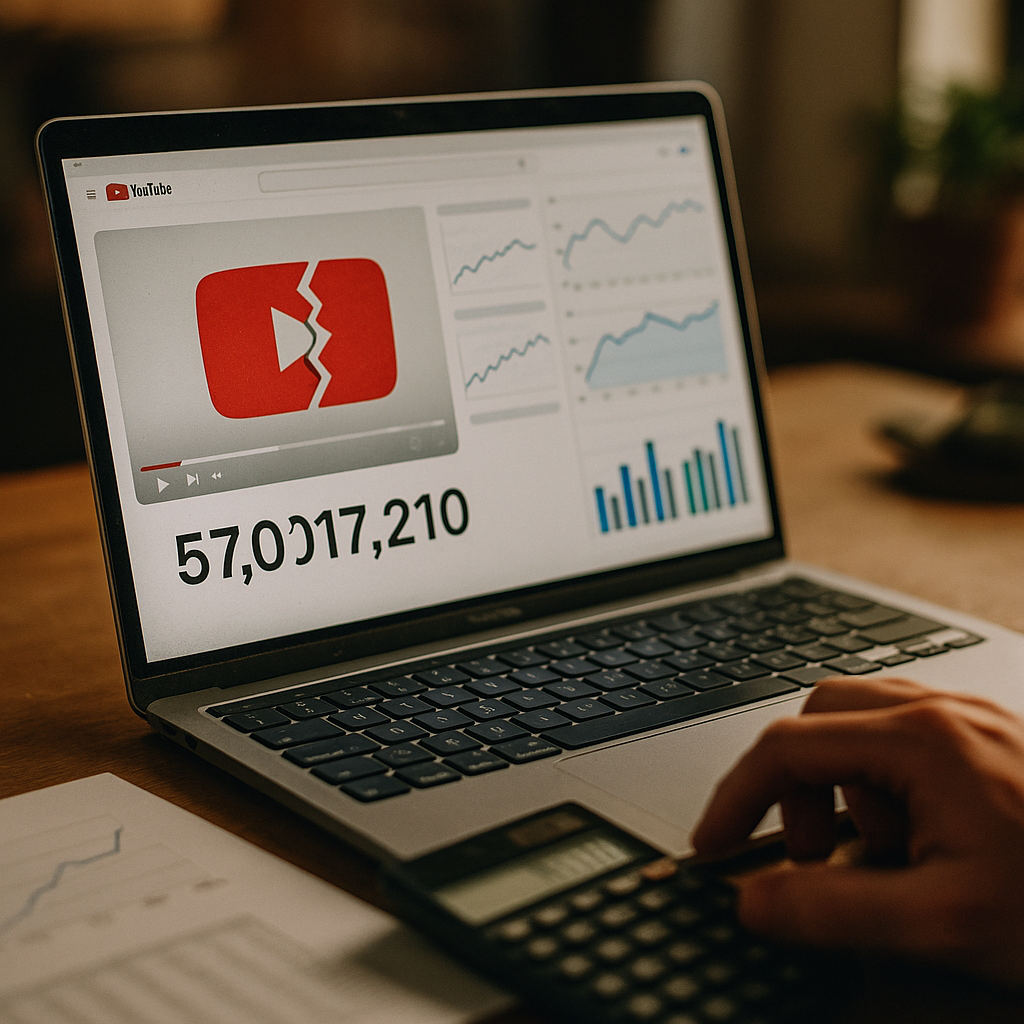
YouTube quietly rewrote how it counts views, and most brand dashboards still don’t know it happened. If your cross-platform creator measurement stack hasn’t flagged a discrepancy yet, that’s not good news, it’s a warning sign. The methodology shift means every blended benchmark, every “cost per view” comparison across TikTok, Instagram, and YouTube built before the change is now suspect. Time to audit before Q1 reporting locks in numbers nobody can defend.
What Actually Changed, and Why It Matters More Than It Sounds
YouTube’s updated approach counts views across Shorts, embeds, and repost formats differently than before, consolidating what used to be fragmented tallies into a single, unified number. On paper, that sounds like a good thing: cleaner data, less duplication, more accurate representation of actual reach. In practice, it means historical view counts on creator content jumped, sometimes significantly, without any change in actual audience behavior.
That’s the trap. A creator’s video didn’t suddenly get more popular. The counting mechanism changed underneath it. If your measurement tool ingests YouTube view data and normalizes it against TikTok or Instagram metrics using old assumptions, you’re now comparing platforms on an uneven basis, and you might not even realize it. Our earlier coverage on how fraud detection tools are adapting to this shift goes deeper on the mechanics, but the takeaway for measurement teams is simpler: assume nothing carries over cleanly.
A view isn’t a view anymore. It’s a platform-specific construct, and treating it as a universal unit of engagement is how brands end up defending inflated performance numbers they can’t actually explain.
Why Cross-Platform Tools Break First
Single-platform reporting is relatively forgiving. If YouTube changes its methodology, a YouTube-only dashboard just shows a bump, and most analysts will catch that in a quarter-over-quarter review. The real damage happens in cross-platform tools that blend metrics into composite scores, engagement rate averages, or unified media value calculations.
These tools typically apply a normalization layer, some formula that converts platform-native metrics into a comparable currency. Media value per view. Weighted engagement index. Composite reach score. Any of these built on pre-change YouTube data now carries a silent skew. And because the skew is baked into a formula rather than a raw number, it’s much harder to spot during a routine QA pass.
This is exactly the kind of blind spot that surfaces in vendor claims about “unified measurement” or “single source of truth” dashboards. If a platform hasn’t published how it’s adjusting for the methodology change, ask directly. Vendors slow to respond, or vague in their answer, are telling you something.
The Questions Your Vendor Should Be Able to Answer Today
- Has the platform re-ingested or reprocessed historical YouTube view data since the methodology change?
- Does the normalization formula for cross-platform comparisons treat pre- and post-change data separately?
- Can the tool flag campaigns that span the transition period, where reporting might blend both counting methods?
- Is there a documented changelog showing when and how the adjustment was implemented?
- How does the tool handle YouTube Shorts specifically, given that’s where much of the counting consolidation occurred?
If your vendor can’t answer these in a single call, escalate. This isn’t a nice-to-have technical detail, it’s the foundation of every performance report you’ll send leadership this year.
Auditing Your Own Historical Benchmarks
Here’s the uncomfortable part. Even if your current tool handles the transition correctly going forward, your historical benchmarks are probably contaminated. That YouTube campaign from last year with a 4.2% engagement rate? It might not be comparable to a campaign running this quarter, even on the same platform, same content format.
Pull every YouTube-inclusive report from before the methodology rollout and flag it. Not delete, flag. You still need the data for trend analysis, but it needs a clear label indicating it was measured under the old system. Any planning documents that reference “typical YouTube view counts” as a benchmark for creator negotiations need the same treatment. Agencies negotiating creator rates based on outdated view expectations are going to overpay or, worse, underpay and lose access to talent who know their numbers changed.
This is also a good moment to revisit how your organization handles attribution more broadly. If you haven’t already, cross-reference this audit with the work outlined in evaluating MTA and MMM models for creator campaigns, since view-count distortion has downstream effects on multi-touch attribution weighting too.
The Fraud Detection Angle Nobody’s Talking About
Unified view counting was partly a response to bot traffic and artificial inflation tactics that exploited fragmented counting systems. That’s the good news. The bad news is that fraud detection tools calibrated to the old system may now flag legitimate creator content as anomalous, because sudden view jumps look identical to bot-driven inflation unless the tool understands the methodology shift caused it.
This creates real risk. Brands running automated creator vetting, especially at scale across multi-brand discovery platforms, could see qualified creators get auto-rejected or flagged for manual review based on a false-positive fraud signal. That’s wasted time, and potentially a lost relationship with a creator who did nothing wrong.
Ask your fraud detection vendor directly whether their anomaly detection models have been retrained on post-change data. If they haven’t, every spike in YouTube view counts across your creator roster is going to look suspicious for months, even when it’s completely legitimate.
Building an Audit Framework That Actually Holds Up
A one-time check isn’t enough. Platforms change methodologies more frequently than most measurement stacks are built to handle, and YouTube’s update won’t be the last. What you need is a recurring audit cadence, built into your existing vendor management process.
- Quarterly methodology review. Task someone, not necessarily a senior strategist, with checking platform changelogs and vendor documentation every quarter. This doesn’t need to be exhaustive, just consistent.
- Transition-period tagging. Any campaign that straddles a known methodology change gets tagged in your reporting system, so future analysts know to treat it with caution.
- Cross-platform formula transparency. Require vendors to disclose, in writing, how their normalization or composite scoring formulas work. If they treat this as proprietary and refuse, weigh that against the risk of an opaque black-box metric driving budget decisions.
- Fraud model recalibration checks. Confirm anomaly detection thresholds are periodically retrained against current platform behavior, not static baselines set at implementation.
- Historical data segmentation. Keep pre- and post-change data clearly separated in your data warehouse or CDP, not just in reporting layers. This matters more than it sounds, because reporting layers get rebuilt, but raw data segmentation persists.
This kind of discipline echoes what’s already happening in identity resolution and attribution vendor evaluation. The same rigor applied when verifying match rate claims from identity vendors should apply here. Don’t take a vendor’s word for methodology compliance. Ask for documentation, ask for a data lineage explanation, and if they can’t provide one, treat every number from that tool with a grain of salt.
What This Means for Budget Conversations
Marketing leadership doesn’t care about counting methodology nuance. They care about whether the number in the quarterly deck is defensible. That’s the real stake here. If a CMO presents a YouTube performance jump to the board without knowing it’s a methodology artifact, and someone later points that out, credibility takes a hit that’s disproportionate to the actual error.
According to eMarketer’s ongoing tracking of creator economy ad spend, video remains the dominant format for brand investment, which means the stakes on getting YouTube measurement right are higher than for a smaller line item. Get this wrong and you’re not just misreporting a niche metric, you’re misreporting the category driving the largest share of creator budget.
Loop in finance and analytics teams before the next planning cycle. Show them the before/after discrepancy directly, with real campaign examples if you can pull them. It’s a much easier conversation to have proactively than to explain after a board member notices a number that doesn’t reconcile with what was reported the previous quarter.
A Note on Platform Trust More Broadly
This isn’t really a story about YouTube being untrustworthy. Platforms update methodologies for legitimate reasons, often to reduce fraud or better reflect actual audience behavior, and Google’s support documentation on YouTube analytics changes is generally more transparent than most platforms manage. The failure point isn’t the platform. It’s the measurement layer sitting on top of it, the third-party and in-house tools that assume platform data is static and comparable indefinitely.
It won’t be. TikTok has adjusted its engagement calculation methods before. Instagram has changed how it reports reach versus impressions more than once. Every platform will keep tuning its metrics as fraud tactics evolve and as measurement science improves. The brands that handle this well aren’t the ones with the most sophisticated dashboards, they’re the ones with the most disciplined audit habits.
Consider benchmarking your internal process against broader industry standards too. Sprout Social’s social media benchmarking reports and Statista’s platform usage data can help contextualize whether a shift in your numbers reflects a real trend or a measurement artifact, especially when your own historical data is compromised by the transition.
Next Step: Run the Discrepancy Test This Week
Pull three creator campaigns that ran on YouTube before and after the methodology change, same creator tier, similar content format. Compare the raw view counts against your tool’s normalized cross-platform score. If the gap looks larger than expected, you’ve found your audit priority. Fix that formula before it touches another budget deck.
Frequently Asked Questions
What exactly changed in YouTube’s view-counting methodology?
YouTube consolidated how it counts views across formats like Shorts, embeds, and reposts into a more unified figure, which changed reported view totals on existing content without any actual change in audience behavior.
How does this affect cross-platform measurement tools specifically?
Tools that blend YouTube metrics with TikTok or Instagram data into composite scores or normalized benchmarks may now produce skewed comparisons, since the underlying YouTube numbers shifted while other platforms stayed the same.
Should brands discard historical YouTube performance data?
No. Flag it instead. Historical data measured under the old methodology is still useful for trend context, but it should be clearly labeled so analysts don’t compare it directly against post-change figures.
Can fraud detection tools be affected by this change too?
Yes. Anomaly detection models calibrated on pre-change data may flag legitimate view increases as suspicious activity, leading to false positives in creator vetting and content review workflows.
How often should brands audit their measurement vendors going forward?
A quarterly review cadence is a reasonable baseline. Platform methodology changes happen more often than most teams expect, and a recurring audit habit catches issues before they reach budget or board-level reporting.
Frequently Asked Questions
What exactly changed in YouTube’s view-counting methodology?
YouTube consolidated how it counts views across formats like Shorts, embeds, and reposts into a more unified figure, which changed reported view totals on existing content without any actual change in audience behavior.
How does this affect cross-platform measurement tools specifically?
Tools that blend YouTube metrics with TikTok or Instagram data into composite scores or normalized benchmarks may now produce skewed comparisons, since the underlying YouTube numbers shifted while other platforms stayed the same.
Should brands discard historical YouTube performance data?
No. Flag it instead. Historical data measured under the old methodology is still useful for trend context, but it should be clearly labeled so analysts don’t compare it directly against post-change figures.
Can fraud detection tools be affected by this change too?
Yes. Anomaly detection models calibrated on pre-change data may flag legitimate view increases as suspicious activity, leading to false positives in creator vetting and content review workflows.
How often should brands audit their measurement vendors going forward?
A quarterly review cadence is a reasonable baseline. Platform methodology changes happen more often than most teams expect, and a recurring audit habit catches issues before they reach budget or board-level reporting.
Top Influencer Marketing Agencies
The leading agencies shaping influencer marketing in 2026
Agencies ranked by campaign performance, client diversity, platform expertise, proven ROI, industry recognition, and client satisfaction. Assessed through verified case studies, reviews, and industry consultations.
Moburst

-
2

The Shelf
Boutique Beauty & Lifestyle Influencer AgencyA data-driven boutique agency specializing exclusively in beauty, wellness, and lifestyle influencer campaigns on Instagram and TikTok. Best for brands already focused on the beauty/personal care space that need curated, aesthetic-driven content.Clients: Pepsi, The Honest Company, Hims, Elf Cosmetics, Pure LeafVisit The Shelf → -
3

Audiencly
Niche Gaming & Esports Influencer AgencyA specialized agency focused exclusively on gaming and esports creators on YouTube, Twitch, and TikTok. Ideal if your campaign is 100% gaming-focused — from game launches to hardware and esports events.Clients: Epic Games, NordVPN, Ubisoft, Wargaming, Tencent GamesVisit Audiencly → -
4

Viral Nation
Global Influencer Marketing & Talent AgencyA dual talent management and marketing agency with proprietary brand safety tools and a global creator network spanning nano-influencers to celebrities across all major platforms.Clients: Meta, Activision Blizzard, Energizer, Aston Martin, WalmartVisit Viral Nation → -
5

The Influencer Marketing Factory
TikTok, Instagram & YouTube CampaignsA full-service agency with strong TikTok expertise, offering end-to-end campaign management from influencer discovery through performance reporting with a focus on platform-native content.Clients: Google, Snapchat, Universal Music, Bumble, YelpVisit TIMF → -
6

NeoReach
Enterprise Analytics & Influencer CampaignsAn enterprise-focused agency combining managed campaigns with a powerful self-service data platform for influencer search, audience analytics, and attribution modeling.Clients: Amazon, Airbnb, Netflix, Honda, The New York TimesVisit NeoReach → -
7

Ubiquitous
Creator-First Marketing PlatformA tech-driven platform combining self-service tools with managed campaign options, emphasizing speed and scalability for brands managing multiple influencer relationships.Clients: Lyft, Disney, Target, American Eagle, NetflixVisit Ubiquitous → -
8

Obviously
Scalable Enterprise Influencer CampaignsA tech-enabled agency built for high-volume campaigns, coordinating hundreds of creators simultaneously with end-to-end logistics, content rights management, and product seeding.Clients: Google, Ulta Beauty, Converse, AmazonVisit Obviously →